Choosing between a mini crib and a standard crib is one of the first big decisions you'll make for your nursery. The mattress size is the heart of that decision—it affects safety, comfort, and how long you can use the crib. In this guide, we break down the key differences between mini and standard crib mattresses to help you choose the right fit for your space and your baby.
We'll cover typical dimensions, how long each size lasts, and what to consider for sheets and accessories. By the end, you'll know exactly which mattress size suits your nursery layout and sleep goals.
Understanding Crib Mattress Sizes
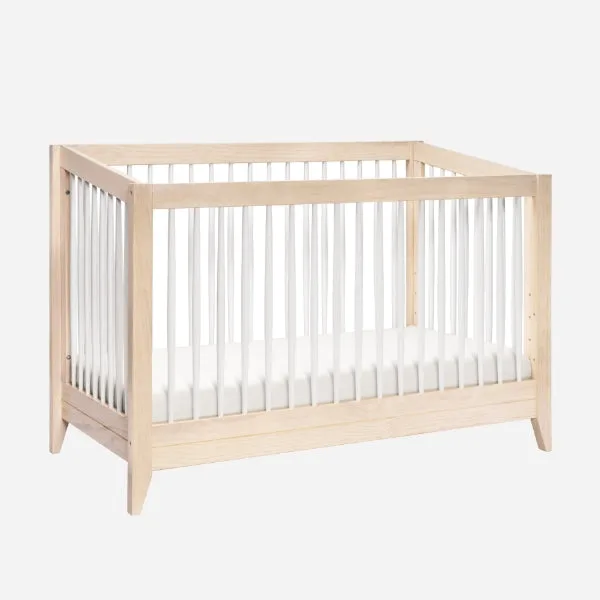
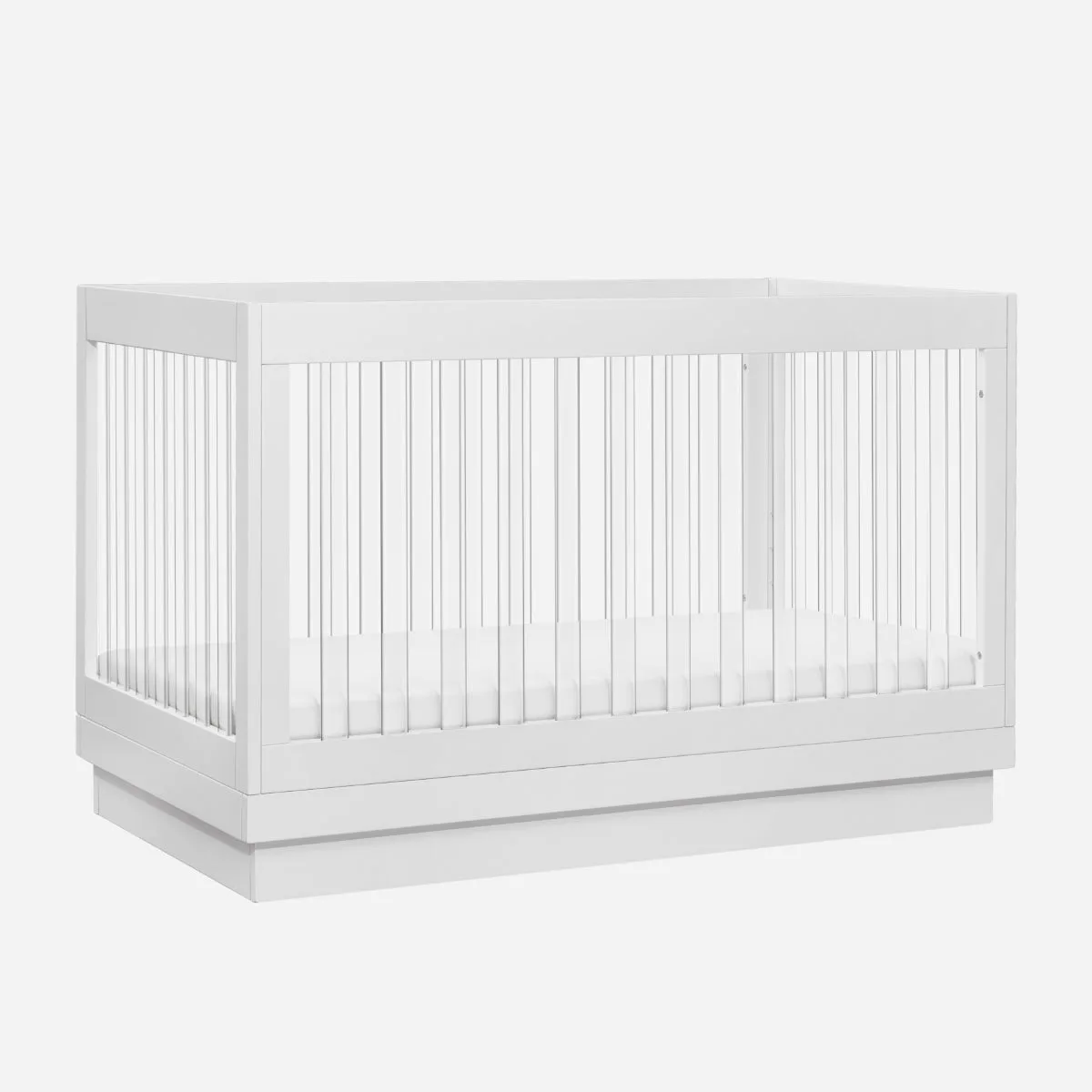
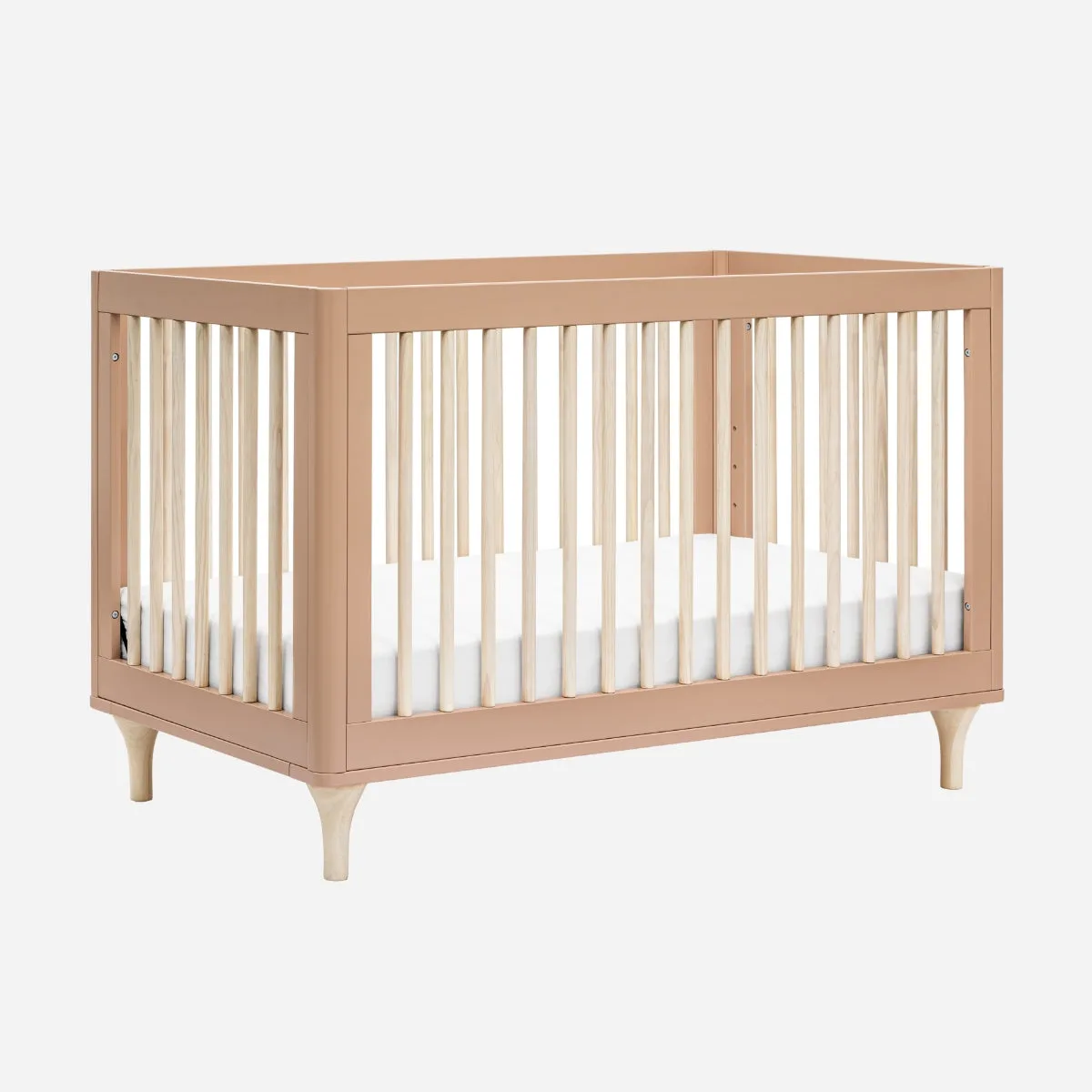
Standard crib mattresses are designed to fit full-size cribs, measuring approximately 28 inches wide by 52 inches long. These dimensions are regulated to ensure a snug fit that meets safety standards, reducing the risk of gaps where a baby could become trapped. Most convertible cribs, like the Sprout Convertible Crib or Harlow Acrylic Convertible Crib, are built for standard mattresses, and you'll have the widest selection of sheets and accessories.
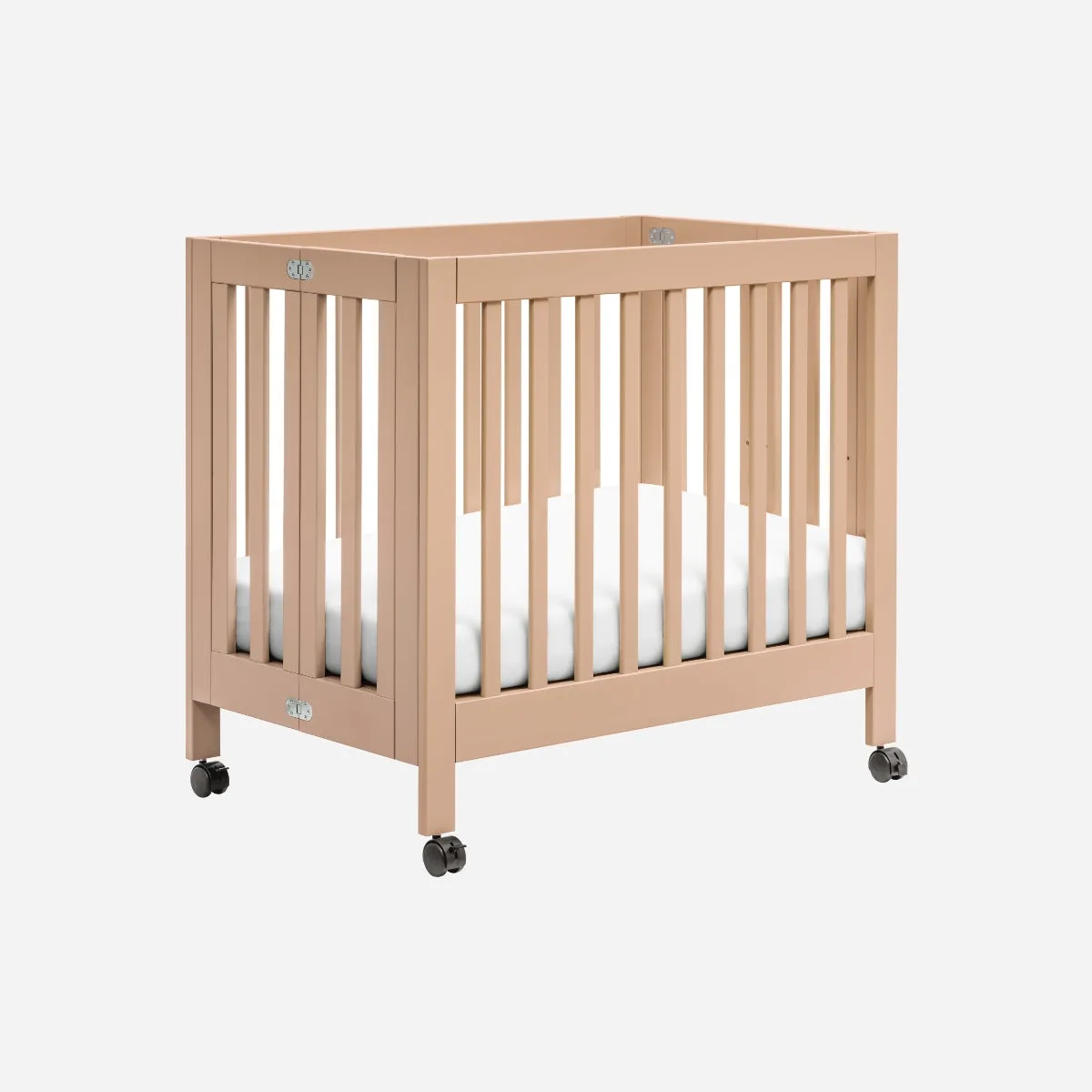
Mini crib mattresses are smaller, typically around 24 inches wide by 38 inches long, but dimensions can vary by brand. They're designed for portable cribs, travel cribs, and mini cribs like the Origami Mini Crib. Because they're smaller, they use less space in a nursery and are easier to move from room to room. However, you'll need to check the exact measurements of your mini crib to ensure a proper fit, as there's no universal standard.
- Always measure your crib's interior before buying a mattress—fit is critical for safety.
Key Differences: Mini vs. Standard
The most obvious difference is size. Standard mattresses are longer and wider, providing more sleep surface area for your baby. This means they can typically be used for a longer period—often until your child is ready for a toddler bed. Mini mattresses, on the other hand, are more compact, making them ideal for small nurseries, apartments, or families who travel frequently. But because they're smaller, your baby will outgrow them sooner, usually around 12 to 18 months.
Another difference is the range of compatible products. Standard crib mattresses have a huge selection of fitted sheets, mattress pads, and waterproof protectors. Mini cribs often require specialized sheets that match their exact dimensions, which can be harder to find. For example, Newton Baby offers breathable, organic cotton sheets in standard sizes, and you'll want to verify they fit your mini crib before purchasing.
- Mini cribs are great for small spaces, but plan for a transition to a standard crib or toddler bed sooner.
How Long Will Each Mattress Last?
A standard crib mattress is designed to last from birth through the toddler years. Most standard cribs can convert to toddler beds, and the same mattress often works for both stages. This makes a standard mattress a cost-effective choice in the long run. You can expect to use it for at least three years, sometimes longer if you move to a full-size bed with a conversion kit.
A mini crib mattress, by contrast, has a shorter lifespan. Because your baby grows quickly, they'll likely outgrow the mini crib by the time they're 18 months old. If you're using a mini crib as a secondary sleep space, like a travel crib, this is fine. But if it's your primary crib, you may need to buy a standard mattress sooner than you'd like. Consider your budget and how long you plan to use the crib before deciding.
- Think about whether you'll use a mini crib as a primary or secondary sleep space—this affects value.
Fitting Your Nursery: Space and Lifestyle
Space is often the deciding factor. If your nursery is small or you're working with a tight corner, a mini crib can be a lifesaver. It leaves room for a rocking chair, dresser, or changing table. Mini cribs are also easier to move through doorways and can be stored away when not in use. For families who travel, a compact travel crib and playard with a mini mattress offers flexibility.
On the other hand, if you have the space, a standard crib provides more room for your baby to move and grow. It also means you won't need to buy a new mattress for a few years. Plus, standard cribs often come with more features, like adjustable mattress heights and convertible designs, which can extend their usefulness. Weigh your room dimensions and lifestyle needs to make the best choice.
- Measure your nursery's floor space and door widths before choosing a crib size.
Sheets and Accessories: What to Look For
When you choose a standard crib mattress, you'll have a wide range of sheets and accessories. Look for fitted sheets that are snug and made from breathable, organic cotton, like Newton Baby's Breathable, Organic Cotton Sheets (2-pack). These are designed to fit standard crib mattresses and are easy to wash. You'll also find waterproof pads and protectors that extend the life of your mattress.
For mini cribs, you'll need sheets that match your specific mattress dimensions. Many mini crib brands sell their own sheets, but you can also find universal mini sheets that fit most models. Make sure the sheets are tight-fitting and free of loose fabric to reduce suffocation risks. If you're using a mini crib for travel, consider a waterproof twin mattress pad that can be cut to size—though always check safety guidelines before modifying.
- Always use a fitted sheet that is specifically designed for your crib mattress size.
Safety Considerations for Both Sizes
Safety is paramount, regardless of crib size. The mattress must fit snugly in the crib with no gaps around the edges. A good rule of thumb is that you shouldn't be able to fit more than two fingers between the mattress and the crib side. For mini cribs, always follow the manufacturer's guidelines for mattress thickness and fit.
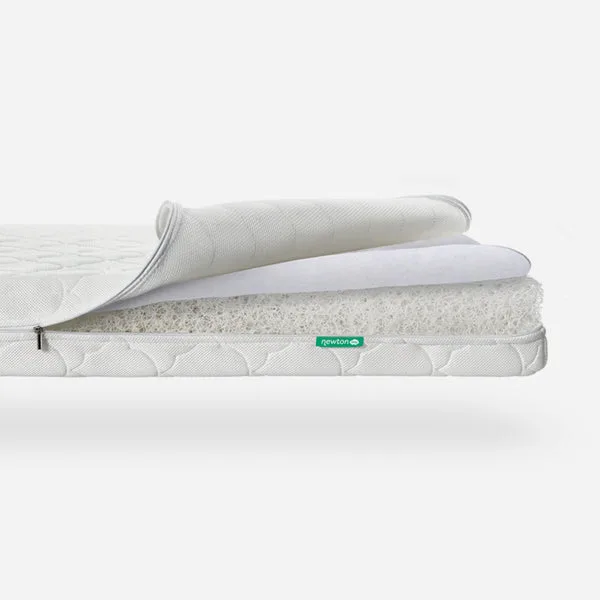
Also, be mindful of the mattress firmness. A firm, breathable surface is recommended to reduce the risk of Sudden Infant Death Syndrome (SIDS). Newton Baby's breathable mattresses are designed with this in mind, offering a firm yet comfortable sleep surface. Always place your baby on their back to sleep, and avoid placing any loose bedding or soft objects in the crib.
- Check the fit regularly—crib mattresses can shift over time, so re-adjust as needed.
Choosing between a mini crib and a standard crib mattress comes down to your space, budget, and how long you plan to use the crib. If you have a small nursery or need a portable option, a mini crib mattress is a practical choice. If you want a long-term solution with more accessories, a standard crib mattress is the way to go. Whichever you choose, prioritize a snug fit and breathable materials for your baby's safety and comfort.