Quick Answer
Choose the Babyletto Origami Mini Crib if you need a portable, space-saving crib for tight spaces or travel; opt for a standard crib if you want a long-term sleep solution that converts to a toddler bed.
Size and Footprint Trade-Off
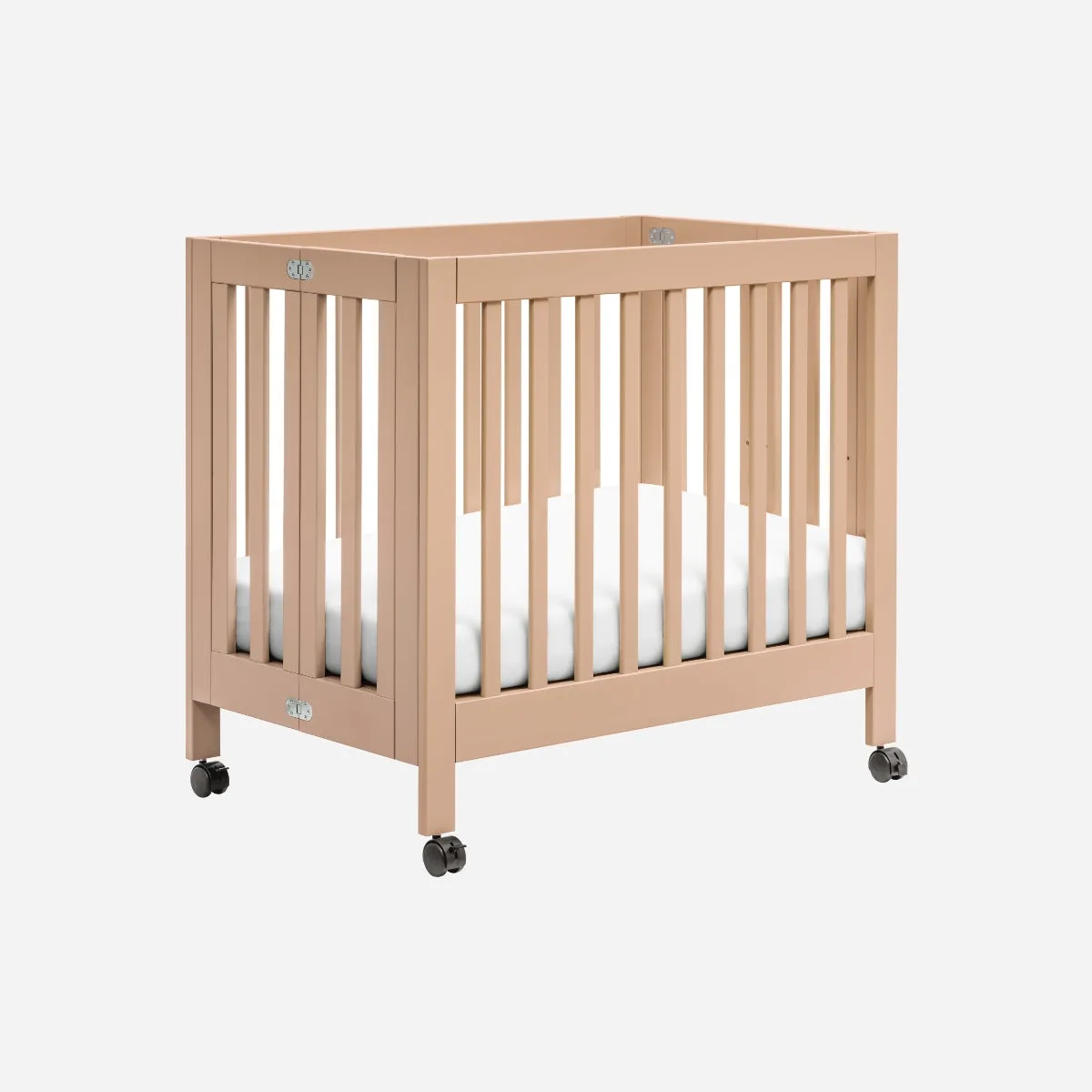
The Origami Mini Crib has a petite footprint that fits easily in small nurseries, apartments, or grandparents' homes. Its compact size means you lose the long-term use of a convertible crib, which typically transitions to a toddler bed and full bed.
Portability vs Stability
The Origami Mini Crib rolls on casters, making it easy to move from room to room. Standard cribs are heavier and stationary, which is safer for active toddlers but less flexible for caregivers who want to keep baby nearby throughout the day.
Decision Rules
- Room size: Measure your nursery. If the room is under 8x10 feet, the Origami Mini Crib maximizes floor space. For larger rooms, a standard crib offers more sleeping area.
- Usage duration: Plan to use the crib for 2+ years? A standard convertible crib gives the best value. If you need a sleep space for the first 12-18 months only, the mini crib is sufficient. Mini cribs typically have a shorter lifespan, so factor in future needs.
- Portability needs: If you move baby between rooms or travel to grandparents' house often, the Origami's rolling feet and lightweight build are a major advantage. Otherwise, a stationary standard crib is fine. Consider how often you'll relocate the crib before deciding.
Product Facts
-
Origami Mini Crib: Made with sustainably sourced solid New Zealand pine wood and features geometric lines with a clean design. You get a durable, eco-friendly crib that fits modern decor and is light enough to move around your home.
Origami Mini Crib
Which One Fits You?
Best For
- Parents with a small nursery or limited floor space
- Caregivers who need a portable crib for multiple rooms or travel
Not For
- Families wanting a crib that converts to a toddler bed for extended use