Quick Answer
Choose a mini-expansion if you want a cheap, quick way to add variety without learning many new rules. Choose a full expansion if you crave substantial new content, deeper strategies, and are willing to invest more time and money.
Board game expansions come in all sizes, from tiny card packs to big box additions. When you see a new expansion for a game you love, it's natural to wonder: is it worth picking up? Understanding the difference between mini-expansions and full expansions can help you decide which ones fit your collection and play style.
In this guide, we'll break down the key differences, look at real examples, and give you clear rules to help you choose the right expansion for your next game night.
What is a Mini-Expansion?
A mini-expansion is a small, often inexpensive add-on that introduces a light twist or a few new components to the base game. Typically priced around $2.50 to $5, these packs are designed to be easy to integrate and provide a fresh experience without overhauling the core rules.
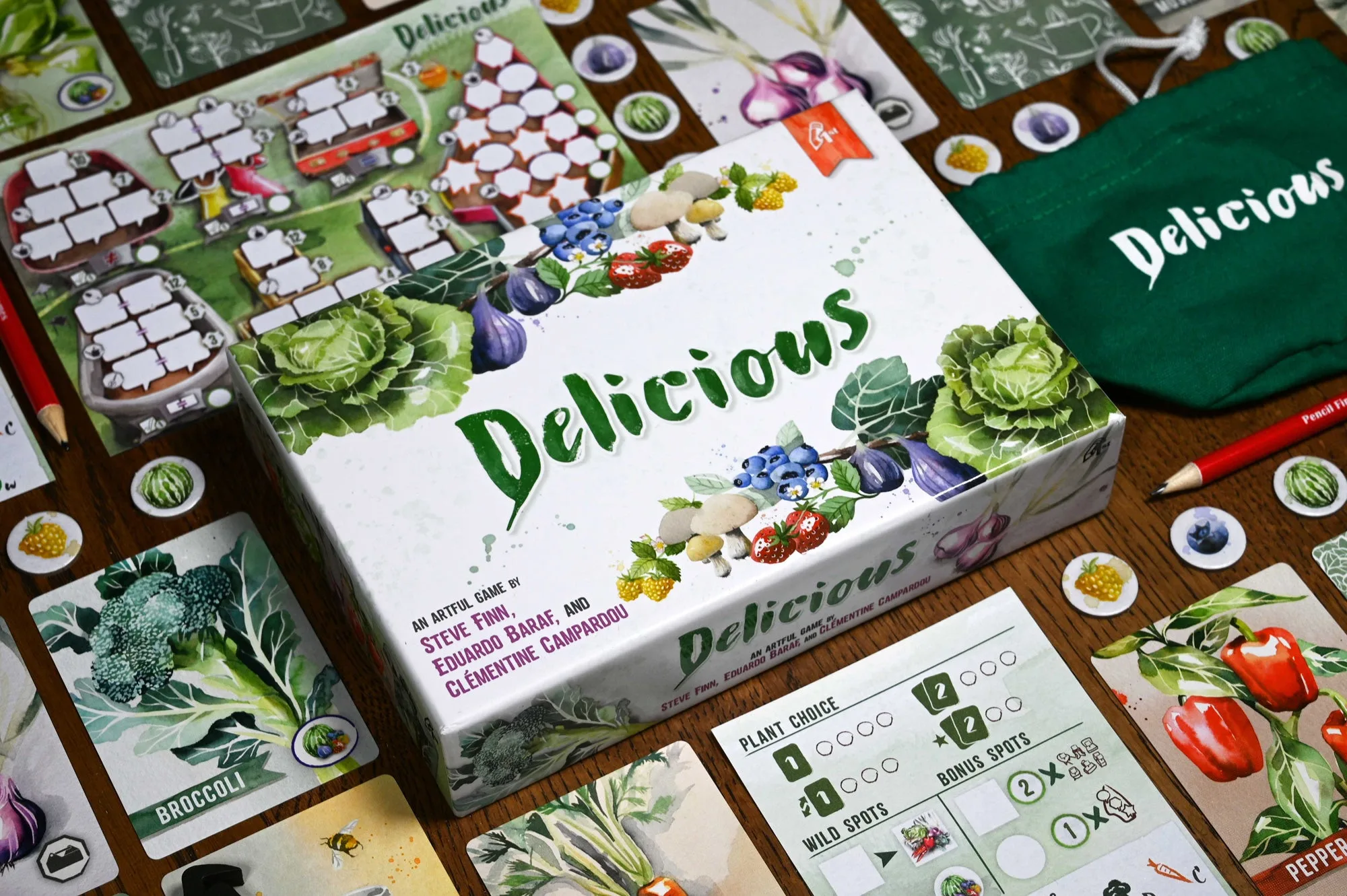
For example, the delicious-community-garden-mini-expansion-e911d729f7d480437b479313-1021932">Delicious: Community Garden Mini-Expansion adds a layer of bonus scoring to the base game. During setup, you place three pairs of cards that grant random bonuses for completely filling specific containers or the planter. This small change encourages players to adjust their strategies without adding complex new mechanics.
What is a Full Expansion?
A full expansion is a larger, more substantial addition that typically includes new modules, characters, or significant rule changes. These expansions often come in bigger boxes and can double the content of the base game. They are usually priced higher, reflecting the increased amount of material and play value.
For instance, The Siblings Trouble: Chance and Destiny Expansion is a full expansion that adds a new character, a new play mode, and many new cards. It significantly changes the game experience, offering players new ways to play and more strategic depth.
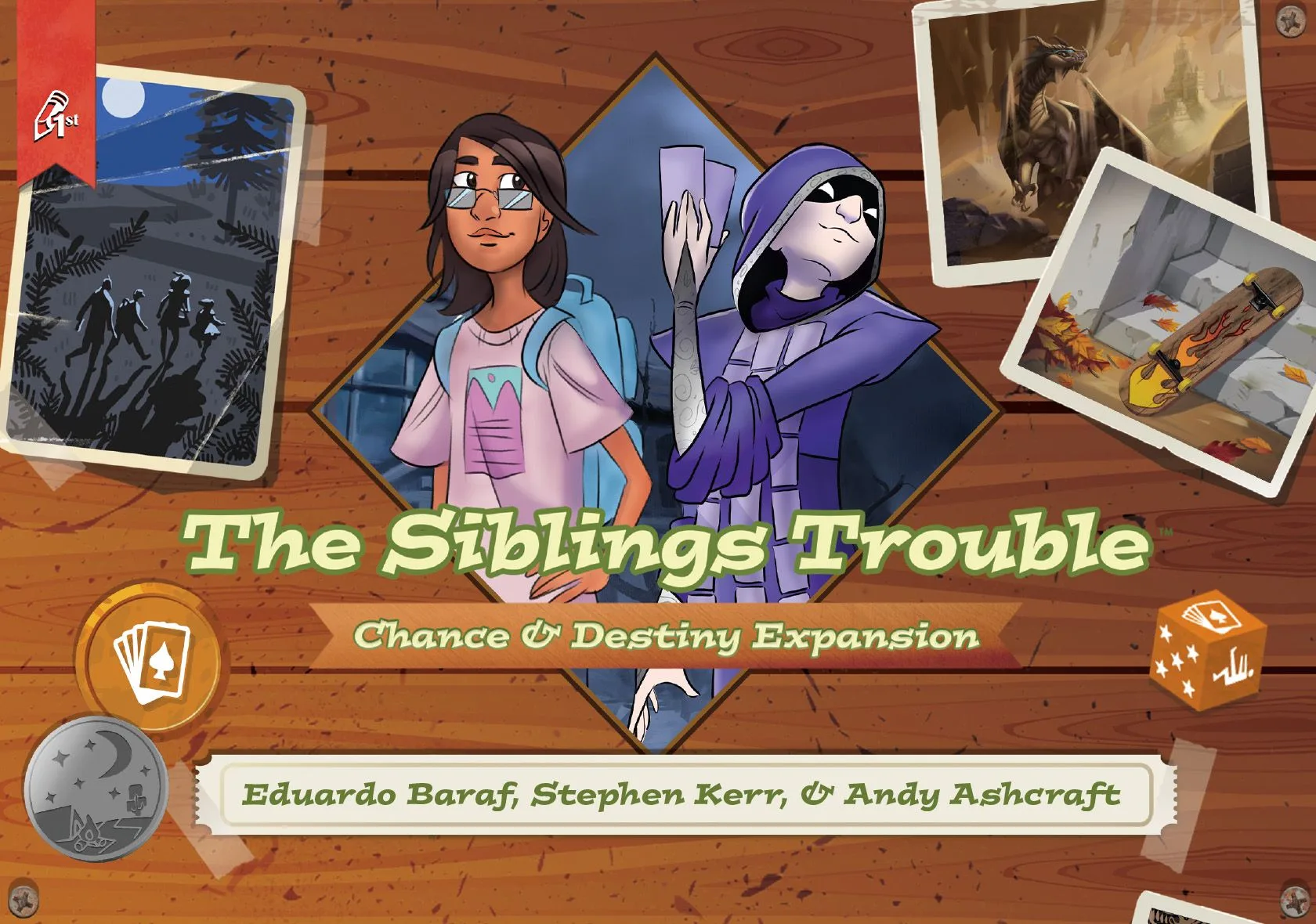
The Siblings Trouble: Chance and Destiny Expansion
Key Differences at a Glance
The main differences between mini and full expansions come down to cost, complexity, and content volume. Mini-expansions are cheaper and simpler, while full expansions offer more content and deeper changes.
Here are some points to consider when comparing them:
- Price: Mini-expansions are usually under $10, while full expansions can cost $20 or more.
- Complexity: Mini-expansions often add a single rule or mechanic; full expansions may introduce multiple modules or new characters.
- Content: Mini-expansions might include a few cards or tokens; full expansions often include dozens of cards, new boards, or miniatures.
- Integration: Mini-expansions are designed to be easily mixed into the base game; full expansions may require more setup and explanation.
Decision Rules for Choosing
- Budget: If you want to try an expansion without spending much, a mini-expansion is a low-risk choice. Full expansions cost more but often provide more play value per dollar if you play the game often. Check your budget and how often you play the base game.
- Desired Complexity: Mini-expansions usually add a small twist that's easy to teach. Full expansions may introduce new rules that require a learning session. If your group prefers simple additions, stick with mini-expansions. Match the expansion's complexity to your group's comfort level.
- Longevity: If you play a game frequently and want to keep it fresh, a full expansion can add significant replayability. Mini-expansions are great for occasional variety but may not sustain long-term interest. Consider how much you play the base game before investing.
Real Examples from Pencil First Games
- Delicious: Community Garden Mini-Expansion: This expansion for Delicious allows you to create bonuses for completing specific containers or the planter. During setup, 3 pairs of cards provide random bonuses for completely filling each depicted container (or 1 scorable row or column in the planter). Bonuses include ignoring placement restrictions, turning a vegetable/fruit/tool into a wild. It shows how a mini-expansion can add scoring opportunities and strategic choices without overwhelming players. It's a great pick if you enjoy Delicious and want a fresh challenge for about $2.50.
- The Siblings Trouble: Chance and Destiny Expansion: This is an expansion for the 1st edition of The Siblings Trouble. It includes a new character (Chance), a new play mode (Destiny), 13 cards for the Museum of Mystery, 13 cards for the Spooky Old House, and 3 new location cards plus a boss card. This full expansion significantly expands the game with new content and ways to play. If you're a fan of The Siblings Trouble and want a richer experience, this expansion offers substantial value despite its higher price.
Which Expansion Fits You?
Mini-expansions are best for:
- Players who want a cheap, quick way to add variety to a game they already enjoy.
- Those who prefer minimal rule changes and easy integration.
Full expansions are better if:
- You're looking for a substantial new experience with lots of new content.
- You play the base game often and want to deepen the strategy.
In the end, the choice between a mini-expansion and a full expansion comes down to your budget, play style, and how much you love the base game. Mini-expansions are perfect for a light refresh, while full expansions offer a deeper dive. Check out the expansions at Pencil First Games to find the one that fits your table.