Quick answer
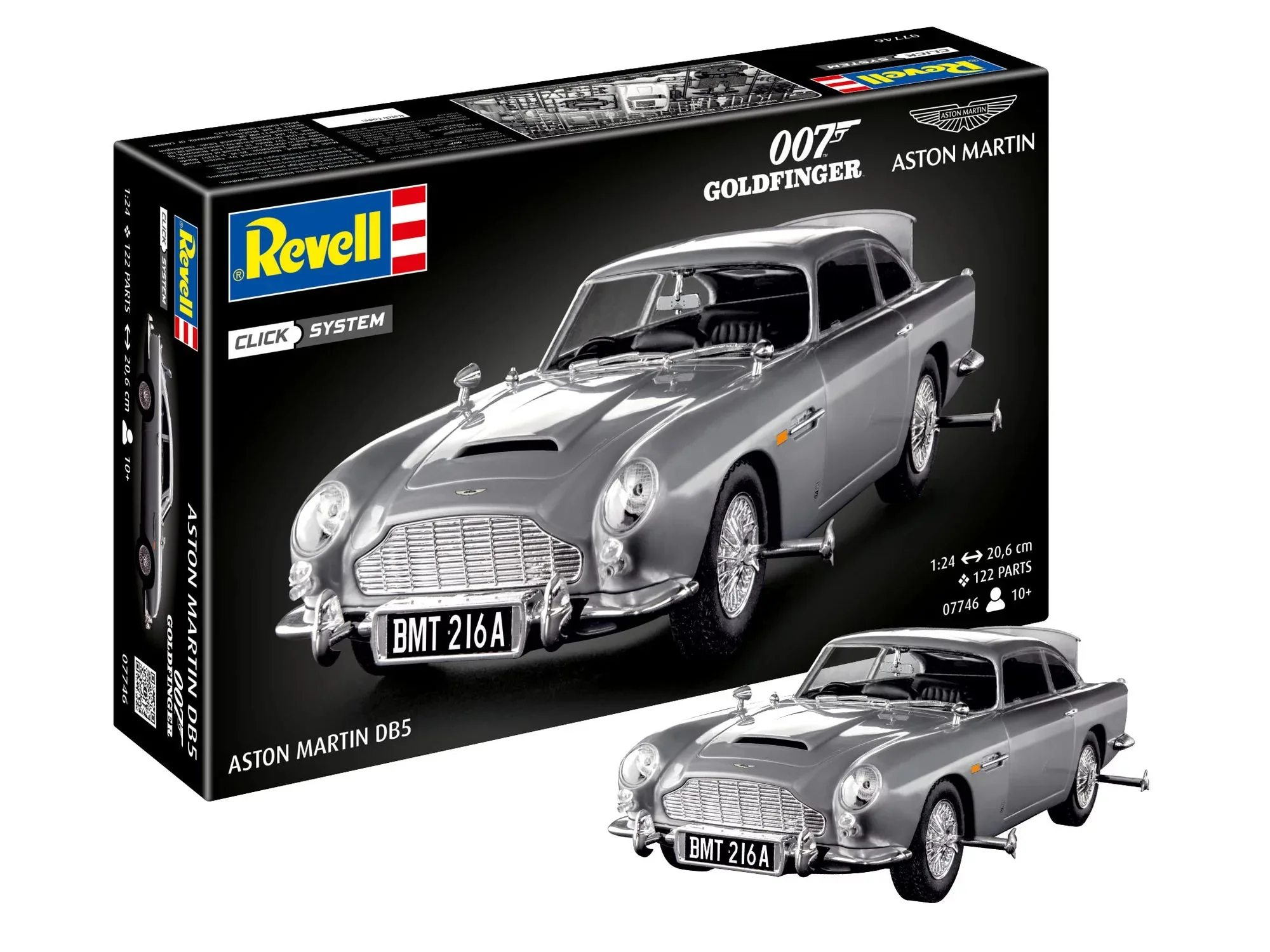
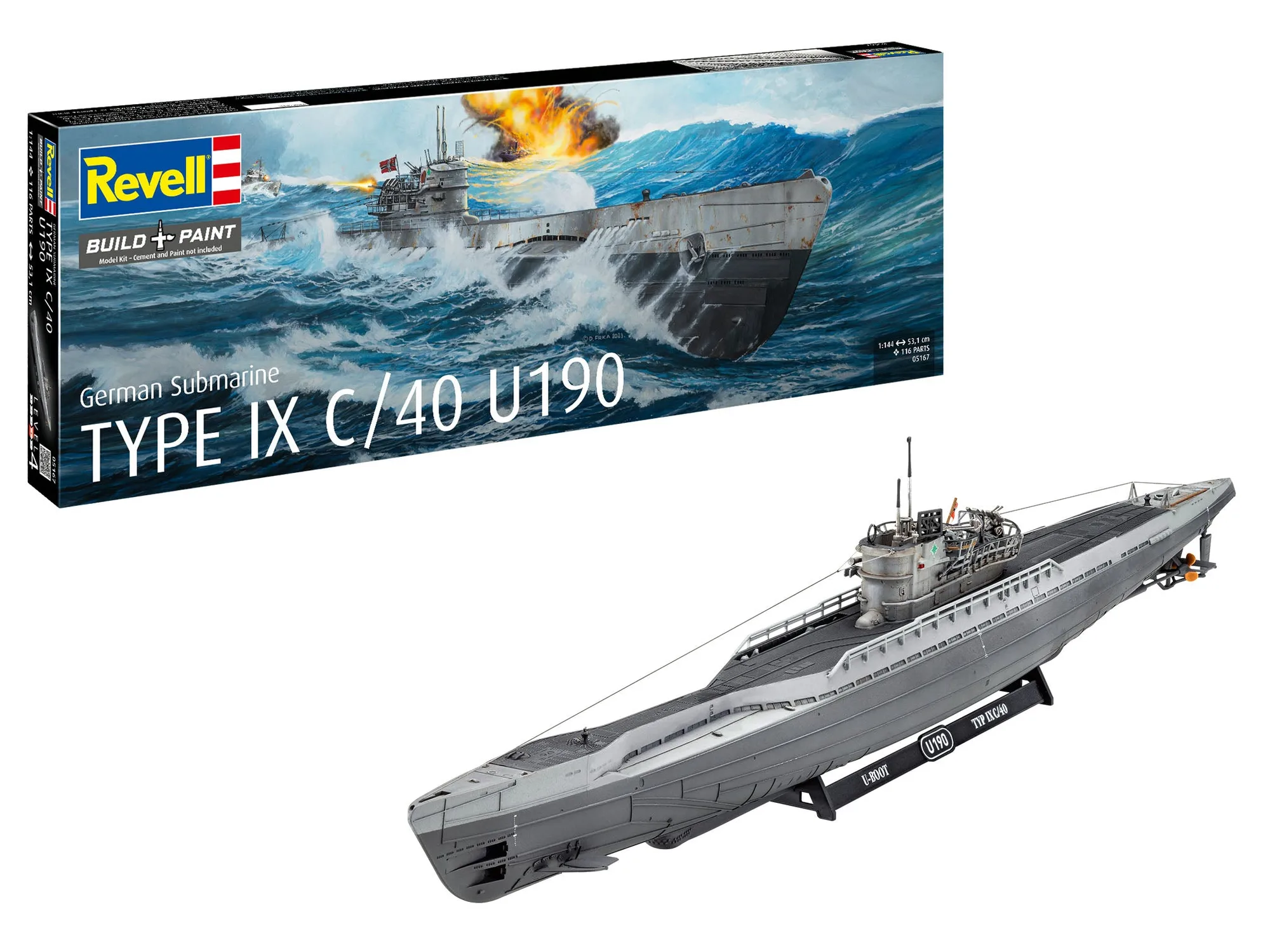
If you want a first build that ends in a finished model rather than a stalled project, match the kit to the builder's patience and tool access, not to the box photo. For younger or first-time builders, a click-system kit such as the James Bond Aston Martin DB5 removes glue and drying time. For hobbyists ready to paint and detail, the German Submarine Type IX C/40 U190 rewards that effort. A mini RC car with camper sits between those poles: buy it when the builder wants a vehicle they can display and handle, and accept that small scale means small parts.
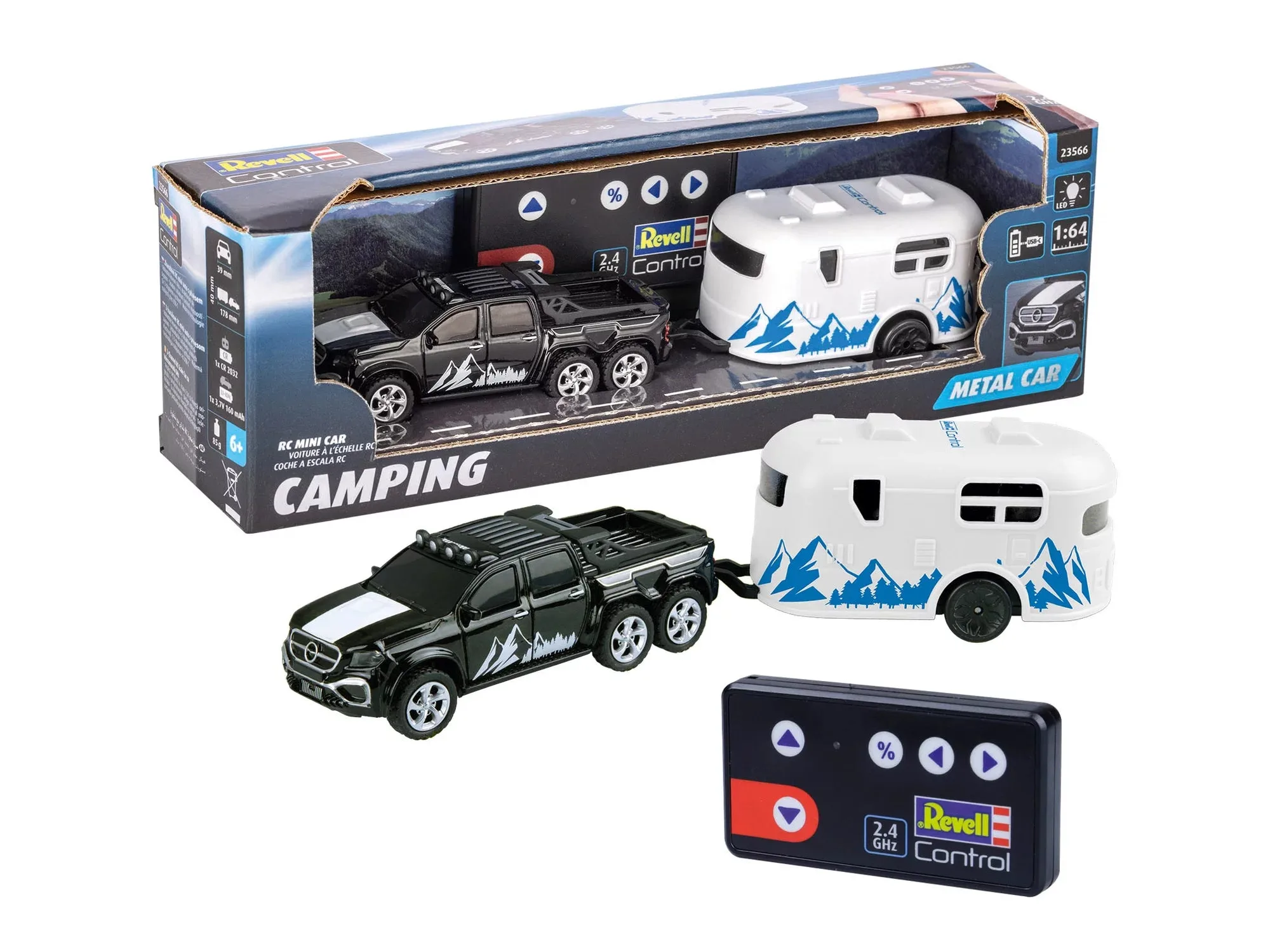
mini RC car with camper
Mini RC cars and camper kits look like toys on the shelf, but the build experience varies enormously. Some snap together in an afternoon; others expect glue, paint, and a steady hand. The right choice depends less on the vehicle on the box and more on who is building it and what tools are already on the table.
This guide walks through the practical decisions: skill level, assembly method, finishing supplies, and how much space the finished model needs. Revell's range gives useful reference points because the kits differ in construction style, not just subject.
Start with the builder, not the vehicle
The single biggest predictor of a finished model is whether the builder can complete the assembly steps without losing momentum. A kit that needs glue, clamping, and overnight drying suits a patient hobbyist. A kit that clicks together suits a child or a beginner who wants visible progress in one sitting. Before comparing vehicles, ask who will do most of the work and how many evenings they will realistically spend.
Age labels help but they are not the whole story. A ten-year-old who has built several kits may handle more than an adult who has never assembled a model. Use the assembly method as the honest filter: click systems for first-timers, glue-and-paint kits for builders who already own the tools.
- Ask the builder to name the last model they finished, not the last one they started.
- If the answer is none, choose a click-system kit for the first project.
Match the kit to the available workspace
Small-scale models need less shelf space but more dexterity. A mini RC car or camper kit can be built on a tray at the kitchen table, which matters if there is no dedicated hobby room. The trade-off is that tiny parts are easy to lose and hard to paint cleanly without magnification and good light.
If the workspace is shared or temporary, favor kits with fewer loose parts and no strong-smelling supplies. Water-based acrylics such as Revell Aqua Color are a practical fit here because they can be diluted with water, have a mild odor, and are not flammable, so cleanup is simpler in a living space.
- A rimmed tray keeps small parts from rolling onto the floor.
- Good overhead light matters more than a large desk for small-scale builds.
Decide how much finishing you actually want
Some builders are happy with a clean, unpainted model; others want a display piece with correct colors and a matte finish. Finishing is where most projects stall, because it adds drying time and a second skill set. Be honest about whether painting is part of the fun or a chore to get through.
If painting is the goal, budget for the supplies before buying the kit. A single color pot and a brush cover small touch-ups, but a full paint scheme needs several shades, thinner, and a place to let parts dry undisturbed. Buying the kit first and the paint later is a common way to end up with an unfinished model.
- Choose a kit with a simple color scheme if this is the builder's first paint job.
- Paint in thin layers rather than one heavy coat to avoid hiding fine detail.
Where a mini RC car with camper fits
A mini RC car with camper appeals to builders who want a vehicle they can handle and display rather than a static shelf model. The camper element adds a second subject, which means more assembly steps and more finishing decisions than a single-body car. That can be a plus for an engaged builder and a hurdle for a beginner.
Treat the camper as a complexity multiplier. If the builder has not yet finished a simple car kit, start there. If they have, the camper adds variety without demanding a completely new skill set.
- Compare the number of sub-assemblies, not just the vehicle type.
- A camper kit rewards careful painting more than a plain body shell does.
Decision rules for choosing your kit
- No finished model yet: Pick a click-system kit such as the James Bond Aston Martin DB5. It avoids glue, clamps, and drying waits, so the builder reaches a finished result in one or two sessions. Checkpoint: can the builder finish it in a weekend? If not, go simpler.
- Builder owns glue, paint, and a workspace: Move up to a glue-and-paint kit like the German Submarine Type IX C/40 U190. The precision rewards careful assembly, but only if the tools are already on hand. Checkpoint: are paint and thinner already in the house? If not, add them to the budget.
- Painting indoors with limited ventilation: Use water-dilutable acrylics such as Revell Aqua Color. They have a mild odor and are not flammable, which makes shared living space more workable. Checkpoint: confirm the color list before starting so you are not stuck mid-build.
- Planning several models per year: An airbrush like the Revell "Flexible" Master Class becomes worthwhile because it handles both large and small paint amounts across different kit sizes. Checkpoint: if you paint one kit a year, brushes remain the better value.
Revell kits that illustrate the decision
- James Bond Aston Martin DB5 Click System: Combines iconic film charm with a click construction concept, aimed at children or model building beginners who often fail at complicated gluing instructions or frustration during first assembly. This is the low-risk first build: no glue, no drying time, and a recognizable subject that keeps a new builder motivated to finish.
- German Submarine Type IX C/40 U190: A model kit aimed at demanding hobbyists and noted for outstanding precision. Choose this when the builder already has tools, patience, and finishing supplies; it rewards experience rather than tolerating a first attempt.
- Matt "Carmine Red" (RAL 3002) Aqua Color - 18ml: Part of an acrylic paint system available in 88 shades, can be diluted with water, has a mild odor, and is not flammable. Water-based acrylics make indoor painting practical, and the wide shade range means you can match a camper or car scheme without mixing from scratch.
- Revell "Flexible" Master Class Airbrush: Allows the model maker maximum flexibility and enables spraying of very large and very small amounts of paint. Only worth buying if you plan to paint multiple models; for a single small kit, brush painting is the cheaper and simpler route.
Who should buy a mini RC car with camper kit
Best for
- Builders who have already finished at least one simple model and want a vehicle with more assembly variety
- Hobbyists who enjoy painting and want a small display piece that fits on a shelf or desk
- Parents looking for a shared project with a child who can handle small parts with supervision
Not for
- Complete beginners with no tools, who will get further with a click-system kit first
- Children below the kit's stated age range or anyone who struggles with tiny components
- Buyers expecting a ready-to-run remote-control toy rather than a build project
Choose the kit that matches the builder's patience and workspace, not the one with the most exciting box art. Start with a click-system model if this is a first build, step up to glue-and-paint kits once the tools and habits exist, and add an airbrush only when painting becomes a regular part of the hobby. That sequence is what turns a mini RC car with camper from an unfinished box into a finished model.