Quick answer
For most beginners and anyone wanting an affordable, hands-on introduction to Stirling engines, the Mini Stirling Engine is the better pick: it costs USD 40.31, runs on a simple alcohol lamp, and makes a great educational tool. If you want a larger, more premium display piece with a propeller and stainless steel heating pipe, the Stirling Engine with Propeller at USD 225.56 is worth the investment.
Stirling Engine
What you actually get with each model
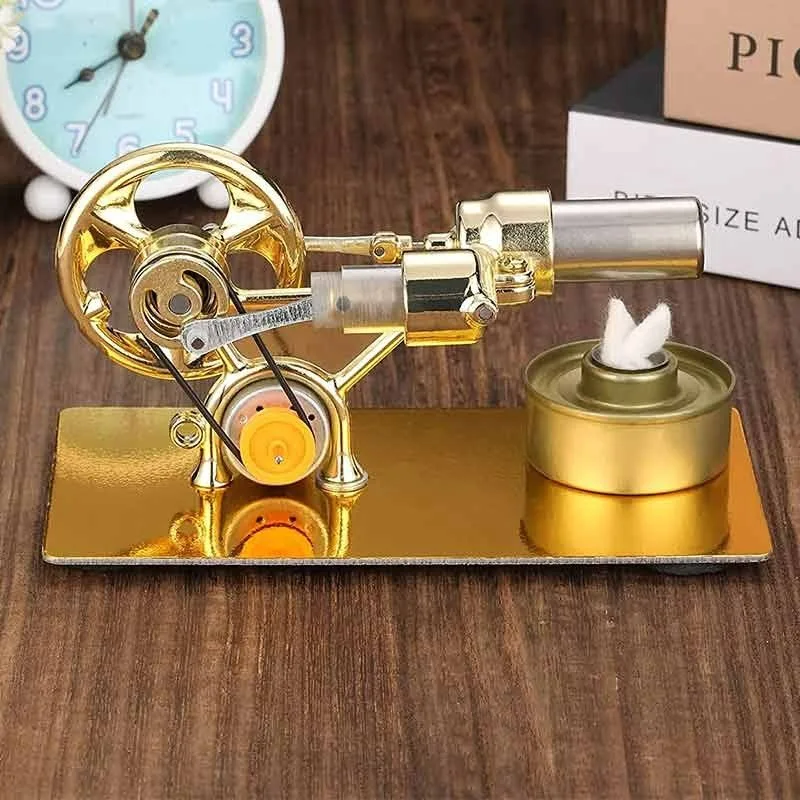
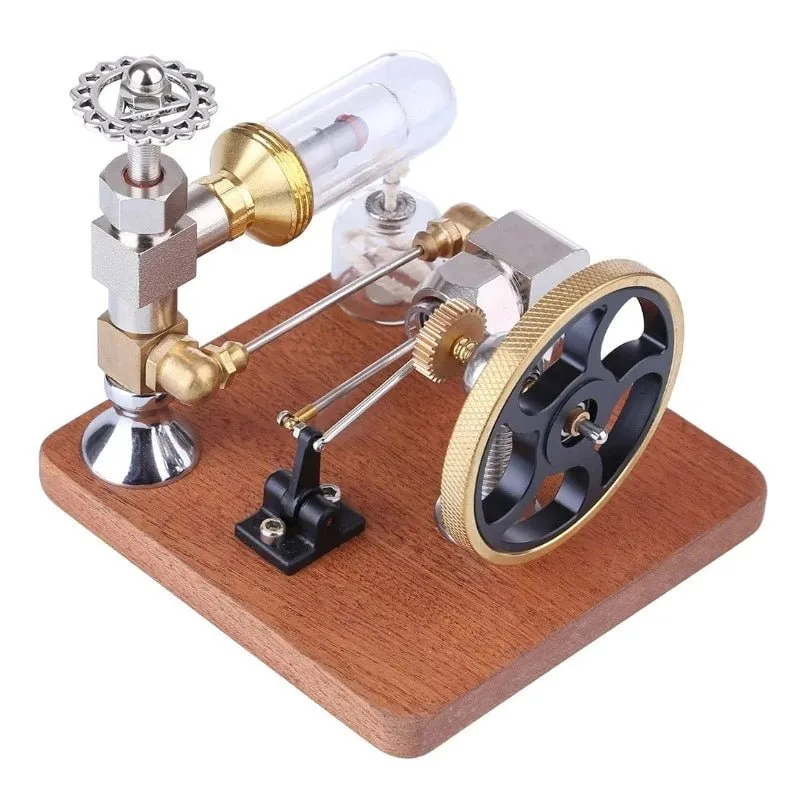
The Mini Stirling Engine is a compact, ready-to-run unit. Fill the alcohol lamp, light it, and the engine comes to life. It's designed as an educational tool that fascinates anyone interested in science or engineering. At USD 40.31 (compared to a catalog comparison price of USD 62.99), it's an easy entry point.
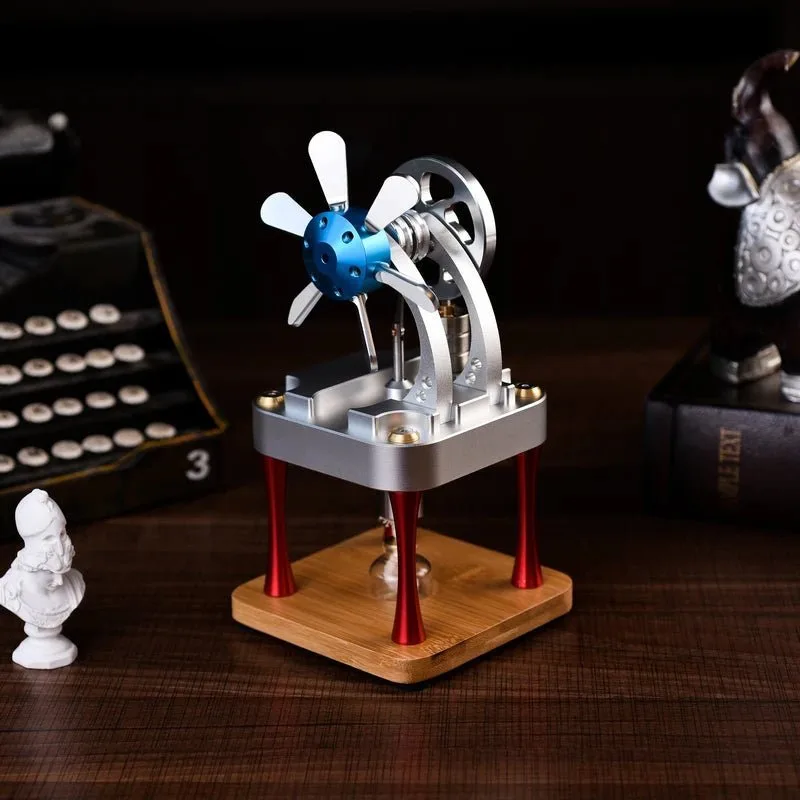
The Stirling Engine with Propeller is a larger, more elaborate machine. It features a 304 stainless steel heating pipe and a propeller driven by air-cooling operation. The catalog describes it as a masterpiece of mechanics and elegance, built to demonstrate energy conversion principles. Its price is USD 225.56 (compared to USD 308.99).
How they run and what that means for you
Both engines operate on the same thermodynamic principle, but their heat sources differ. The Mini uses an alcohol lamp—you supply the fuel. The Propeller model uses a 304 stainless steel heating pipe, which suggests it can handle higher temperatures and likely runs more powerfully, though the catalog doesn't specify the exact heat source beyond the pipe. The propeller is driven by air-cooling, which means you'll see a visible fan spinning as the engine cycles.
For a beginner, the Mini's alcohol lamp is straightforward: fill, light, watch. The Propeller model's stainless steel pipe may require more careful setup, but it's built for a more impressive, sustained demonstration.
Display and gift appeal
The Mini Stirling Engine is small and unassuming—it works well on a desk or shelf where space is tight. It's a conversation starter but not a centerpiece.
The Stirling Engine with Propeller is a showpiece. Its stainless steel heating pipe and spinning propeller make it a dynamic display that draws attention. If you're buying a gift for someone who appreciates fine mechanics, the Propeller model feels more special. But if you're introducing a child or a curious friend to physics, the Mini is less intimidating and more affordable.
Trade-offs at a glance
- Price vs. presence: The Mini costs USD 40.31; the Propeller model costs USD 225.56. The Mini is budget-friendly and compact, while the Propeller commands a premium for its larger size and materials. Choose the Mini for value; choose the Propeller for impact.
- Simplicity vs. sophistication: The Mini runs on an alcohol lamp you fill and light—simple and immediate. The Propeller uses a 304 stainless steel heating pipe and a propeller, which may involve more careful operation but delivers a more impressive mechanical show. Beginners will appreciate the Mini's ease; tinkerers will enjoy the Propeller's complexity.
- Educational tool vs. display piece: The Mini is explicitly described as an educational tool for science and engineering interest. The Propeller is called a masterpiece of mechanics and elegance, designed to demonstrate energy conversion principles. For teaching, the Mini; for displaying craftsmanship, the Propeller.
Key product facts
- Mini Stirling Engine: The Mini Stirling Engine is an educational tool that fascinates anyone interested in science or engineering. Simply fill the alcohol lamp, light it, and watch the engine come to life. No complex setup or extra equipment needed—ideal for beginners and casual users.
- Stirling Engine with Propeller: The Stirling Engine with Propeller features a 304 stainless steel heating pipe and a propeller driven by air-cooling operation. Stainless steel suggests durability and higher heat tolerance, while the propeller provides a visible, dynamic display.
Which should you choose?
Best for
- Beginners who want an affordable, easy-to-run introduction to Stirling engines
- Parents or teachers looking for a hands-on science educational tool
- Shoppers seeking a unique gift under USD 50
Not for
- Collectors who want a large, premium display piece with a propeller and stainless steel heating pipe
- Users who prefer a more complex, visually striking engine and are willing to spend over USD 200