Minoxidil is one of the most proven ingredients for hair regrowth, but the way you apply it can make a big difference in results. With foam, spray, and dropper formats available, choosing the right one isn't just about preference—it affects absorption, scalp irritation, and how consistently you stick to your routine.
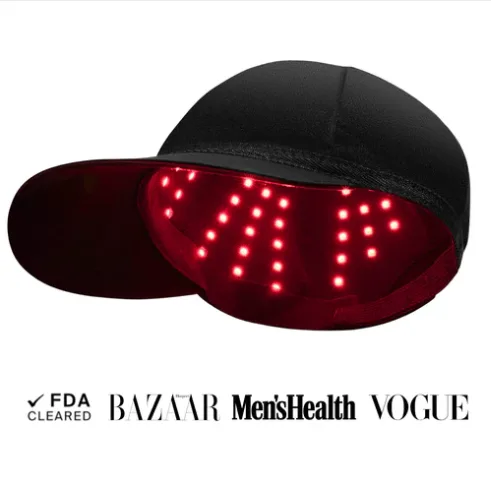
In this guide, we break down the pros and cons of each minoxidil application method, compare their effectiveness, and help you decide which one fits your lifestyle and hair type. We'll also show how to pair your chosen format with complementary tools like the TrichoTMGlowCap - Red Light Therapy Regrowth Cap for enhanced results.
Understanding Minoxidil Application Methods
Minoxidil comes in three main formats: foam, liquid (applied via dropper), and spray. Each delivers the same active ingredient, but the vehicle—the substance that carries minoxidil—affects how quickly it dries, how well it penetrates the scalp, and how much irritation it may cause.
Foam is lightweight and dries quickly, making it ideal for daytime use. Liquid droppers allow precise application to specific areas but can leave hair greasy or flaky. Sprays offer broad coverage and are convenient for large scalp areas but may be less precise. Understanding these differences helps you match the method to your hair type and daily routine.
- Foam: quick-drying, less irritation, good for sensitive scalps
- Liquid dropper: precise, cost-effective, but can be greasy
- Spray: easy coverage, convenient, but less targeted
Minoxidil Foam: Pros, Cons, and Best Use Cases
Minoxidil foam is a popular choice because it dries quickly and doesn't leave a greasy residue. The foam formula is often less irritating to the scalp, making it suitable for people with sensitive skin or those prone to itching and flaking. It's also easy to apply—simply dispense a half-capful and massage it into the target areas.
The main drawback of foam is that it can be less precise than a dropper, especially if you need to target a small balding spot. Additionally, foam may not penetrate as deeply as liquid in some cases, though studies show both are equally effective for hair regrowth. Foam is ideal for morning routines when you need to style your hair soon after application.
- Best for: sensitive scalps, morning use, quick absorption
- Tip: Use a scalp scrubber to gently massage foam into the scalp for better circulation.
Minoxidil Spray: Pros, Cons, and Best Use Cases
Spray applicators are convenient for covering large areas of the scalp, such as the crown or overall thinning. They allow for even distribution without needing to touch the scalp directly, which can be helpful if you have long hair or limited dexterity. Sprays also tend to dry faster than liquid droppers.
However, sprays can be less precise, and some product may end up on your hair rather than the scalp, reducing effectiveness. If you have a small, specific area to treat, a spray might not be the best choice. Spray is great for maintenance routines and for people who want a quick, no-mess application.
- Best for: large areas, convenience, even coverage
- Tip: Part your hair in sections to ensure the spray reaches the scalp, not just the hair strands.
Minoxidil Dropper: Pros, Cons, and Best Use Cases
The dropper method offers the highest precision, allowing you to apply minoxidil directly to specific thinning areas. This is ideal for small patches or for those who want to control the exact amount used. Liquid minoxidil is also often more cost-effective per dose compared to foam.
The downside is that liquid can be greasy and takes longer to dry, which may interfere with styling or cause discomfort if you have an oily scalp. Additionally, the dropper can be messy if you're not careful. Dropper application is best for evening routines when you have time to let it absorb before bed.
- Best for: targeted treatment, cost-conscious users, evening use
- Tip: Use a mirror and apply in small drops directly to the scalp, then massage gently.
Comparing Effectiveness: Foam vs Spray vs Dropper
All three methods deliver minoxidil effectively, and clinical studies show no significant difference in hair regrowth outcomes. The key is consistency and proper application. However, individual factors like scalp sensitivity, hair type, and lifestyle can influence which method you'll stick with long-term—and consistency is what drives results.
For example, if you have a sensitive scalp, foam may cause less irritation, helping you maintain daily use. If you have long hair, a spray might be easier to apply without disturbing your style. If you're targeting a receding hairline, a dropper gives you the precision you need. Ultimately, the best method is the one you'll use correctly every day.
- Consistency beats format: choose a method you'll use daily
- Pair with red light therapy to boost follicle response
How to Pair Minoxidil with Other Hair Growth Tools
Minoxidil works even better when combined with complementary treatments like red light therapy. Red light therapy stimulates blood flow and cellular energy in the scalp, potentially enhancing minoxidil absorption and effectiveness. Using a device like the TrichoTMGlowCap - Red Light Therapy Regrowth Cap can create a synergistic effect.
Additionally, a healthy scalp environment is crucial. Using a gentle shampoo like TrichoGlow Shampoo can remove buildup and prepare the scalp for minoxidil. A scalp scrubber can exfoliate and improve circulation, ensuring your chosen minoxidil format penetrates effectively. Incorporate these tools into your routine for comprehensive hair growth support.
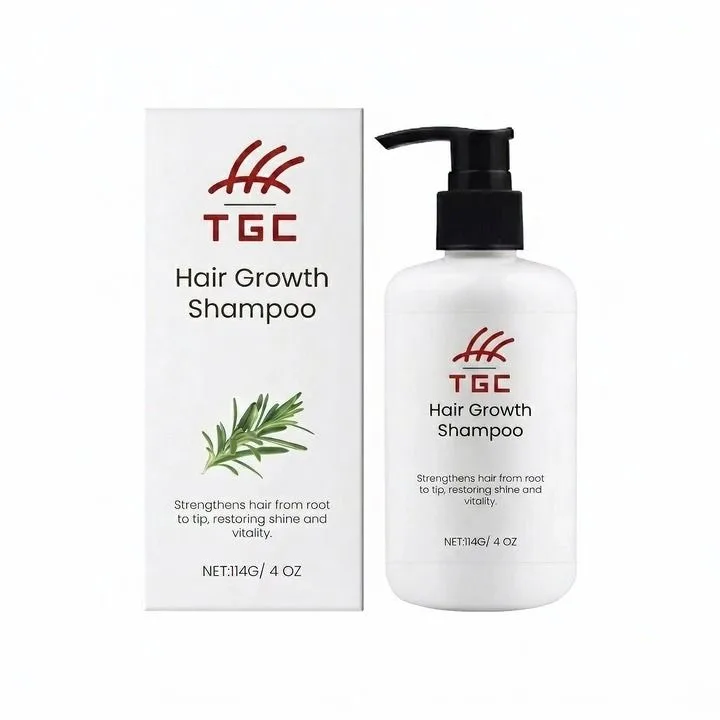
TrichoGlow Shampoo
- Use red light therapy before or after minoxidil application to boost absorption
- Cleanse with a sulfate-free shampoo to prevent buildup that can block minoxidil
Making the Right Choice for Your Hair Growth Routine
Choosing between foam, spray, and dropper ultimately comes down to your personal needs and preferences. If you have a sensitive scalp and need quick drying, foam is your best bet. If you want easy, broad coverage, spray is ideal. If you need precision and cost-effectiveness, the dropper wins.
Remember, no single method is superior—what matters is that you apply minoxidil consistently and correctly. Pair your chosen format with a solid hair care routine, including red light therapy and proper scalp hygiene, to maximize your results. With the right approach, you'll be on your way to thicker, healthier hair.
- Assess your scalp sensitivity, hair length, and target areas
- Consider your daily schedule and styling habits
Whichever minoxidil format you choose—foam, spray, or dropper—the key to success is consistent, correct application. Pair it with a red light therapy cap like the TrichoTMGlowCap - Red Light Therapy Regrowth Cap to enhance your results, and don't forget to maintain a healthy scalp with proper cleansing and exfoliation. Explore our range of hair growth products to build a routine that works for you.