Quick Answer
Minoxidil and red light therapy both support hair regrowth, but they work differently. Minoxidil is a topical drug that stimulates follicles chemically, while red light therapy uses low-level light to energize cells. Your choice depends on your tolerance for daily application and your preference for a drug-free approach.
How Minoxidil Works
Minoxidil is a topical treatment applied directly to the scalp. It widens blood vessels and stimulates hair follicles, encouraging them to enter the growth phase. Clinical studies show it can help with hereditary hair loss, but results take several months and require consistent use—usually twice daily. If you stop, any regrown hair may fall out.
Minoxidil can cause scalp irritation, dryness, or flaking in some users. It also needs to be applied to a dry scalp and left to dry, which can disrupt your morning routine. Those with sensitive skin may find the side effects bothersome.
How Red Light Therapy Works
Red light therapy uses low-level wavelengths of light to penetrate the scalp and stimulate cellular energy production. This energy helps revive dormant follicles, promoting healthier, fuller-looking hair. It is non-invasive and drug-free, making it an appealing option for those who prefer to avoid topical chemicals.
The main trade-off is the time commitment: you need to wear a device for 10–20 minutes several times a week. While it's easy to do at home, it requires consistency to see results. Some users may not see improvement for several months, just like minoxidil.
Comparing Effectiveness and Convenience
Both methods have shown promise in clinical studies, but they work through different pathways. Minoxidil is a proven drug with decades of research, while red light therapy is a newer, technology-based approach. The best choice often comes down to your lifestyle and skin sensitivity.
If you dislike applying topical products or have a sensitive scalp, red light therapy may be more comfortable. If you prefer a clinically established treatment and don't mind daily application, minoxidil is a solid option. Some people combine both for a synergistic effect, but it's wise to consult a dermatologist first.
Trade-Offs at a Glance
- Consistency vs. Convenience: Minoxidil requires twice-daily application; red light therapy needs 10–20 minute sessions several times a week. Pick the routine you can stick with long-term.
- Drug vs. Drug-Free: Minoxidil is a chemical that may cause irritation; red light therapy is non-invasive with no known side effects. If you have sensitive skin, red light therapy may be gentler.
- Clinical Evidence vs. Emerging Tech: Minoxidil has decades of research; red light therapy is newer but backed by published studies. Both are valid, but minoxidil has a longer track record.
Products That Support Your Hair Regrowth Routine
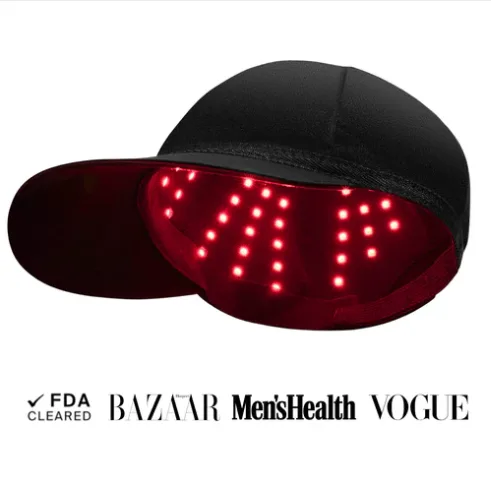
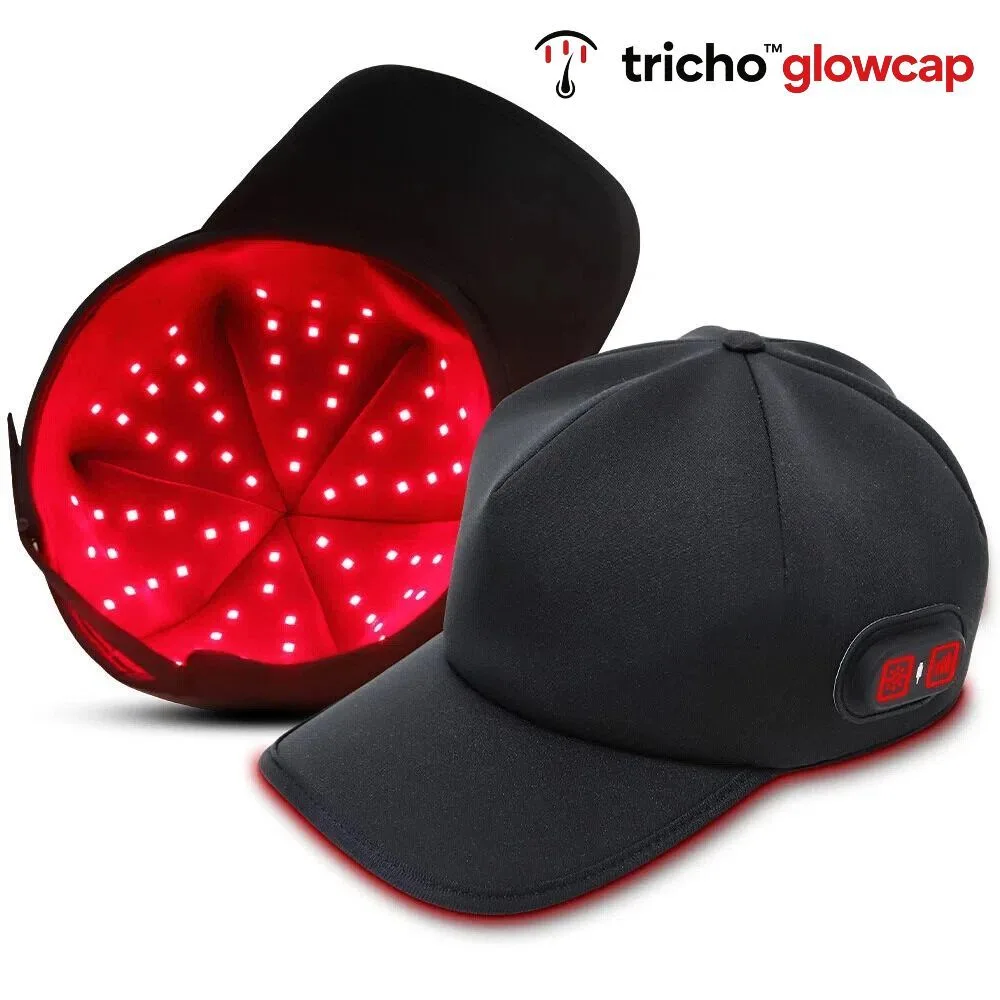
- Tricho™GlowCap - Red Light Therapy Regrowth Cap: Tricho™GlowCap - Red Light Therapy Regrowth Cap is a wearable device that delivers red light therapy to the scalp at home. It offers a hands-free, drug-free option for consistent red light therapy sessions without needing to visit a clinic.
- At-Home Red Light LED Therapy Mask — Breathable Photonics Beauty Mask with Advanced 4-Core Beads: At-Home Red Light LED Therapy Mask — Breathable Photonics Beauty Mask with Advanced 4-Core Beads is designed to stimulate hair regrowth using advanced 4-core bead technology. This mask provides an alternative form factor for red light therapy, which may be more comfortable for some users, and its breathable design supports longer wear.
Who Should Choose Which?
Best for
- Minoxidil: those who prefer a clinically proven topical treatment and can commit to daily application.
- Red light therapy: those who want a drug-free option and can schedule regular device sessions.
Not for
- Minoxidil: those with sensitive skin or who cannot apply topicals twice daily.
- Red light therapy: those who expect quick results without consistent use.