Quick answer
For most people buying a first or second camera in 2026, mirrorless is the safer long-term choice: it is where new lenses and bodies are being developed, and it is smaller for travel. A DSLR still makes sense if you want an optical viewfinder, very long battery life, and access to a deep pool of affordable used lenses. If you mostly shoot family, travel, and video, mirrorless wins. If you shoot fast action outdoors and want the lowest cost per lens, a DSLR remains a practical buy.
How the two systems differ in daily use
A DSLR uses a mirror to send light to an optical viewfinder; a mirrorless camera sends light straight to the sensor and shows you an electronic viewfinder or screen. That single difference drives almost everything else. DSLRs typically last longer per charge because the viewfinder uses no power, and they focus quickly through a dedicated phase-detect module. Mirrorless cameras show exposure, white balance, and focus peaking live in the viewfinder, so what you see is closer to the final file.
In practice, mirrorless cameras tend to be smaller and quieter, and their electronic viewfinders make manual focus and video work easier. DSLRs tend to feel more responsive when the camera is off or asleep, and their optical viewfinders never lag. Neither is better in every situation; the right pick depends on what you shoot most.
Lens compatibility: the decision that outlasts the body
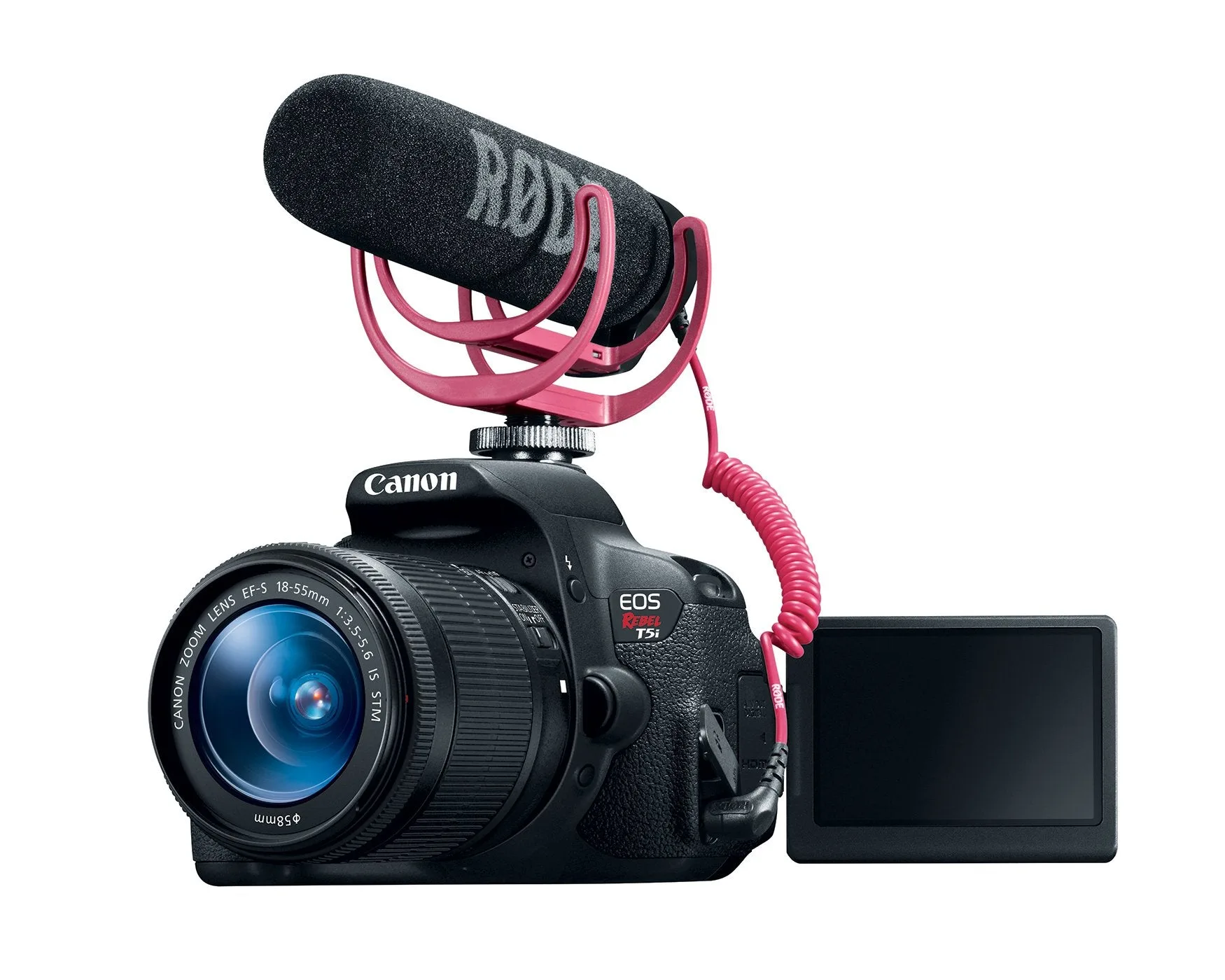
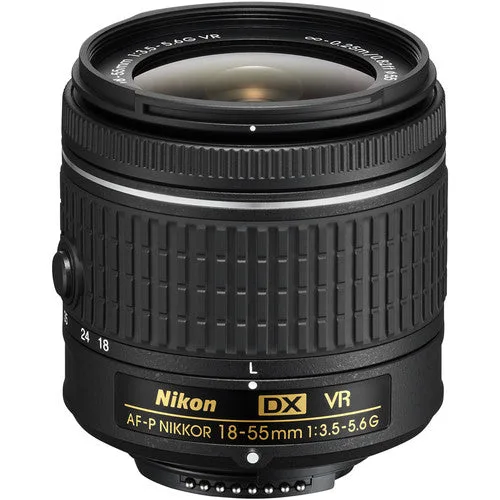
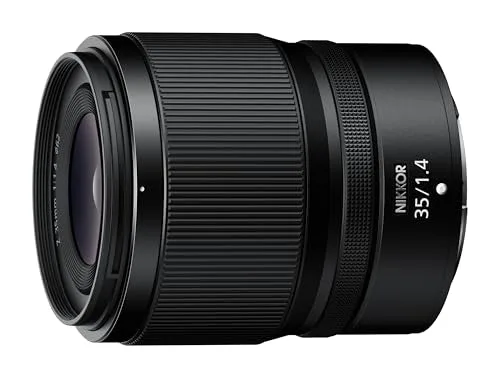
Your lens mount matters more than the camera you buy today. Nikon DX DSLRs use the F mount, and the AF-P 18-55mm f/3.5-5.6G DX VR is a native F-mount lens with VR stabilization and a stepping motor for quiet autofocus. Canon EF and EF-S lenses fit Canon DSLRs, and the Rebel T5i kit includes an EF-S 18-55mm IS STM lens. Mirrorless systems use different mounts: Nikon Z, Canon RF, and Leica L. The NIKKOR Z 35mm f/1.4 and the Leica Elmarit-TL 18mm f/2.8 ASPH. are built for those mirrorless mounts and will not mount on a DSLR without an adapter.
This is where dslr vs mirrorless lens compatibility gets expensive. If you already own several EF or F-mount lenses, a DSLR body lets you keep using them with full autofocus. Moving to mirrorless usually means buying native lenses or using an adapter, which can add cost and occasionally limit autofocus speed. If you are starting fresh, mirrorless lens lines are the ones still growing, so your future upgrade path is clearer.
Video, size, and battery trade-offs
Mirrorless cameras generally handle video more gracefully because they focus using the sensor and can show a live histogram and zebra warnings. The Canon Rebel T5i Video Creator Kit shows that DSLRs can still do video well: it includes a VideoMic GO shotgun microphone and a 32GB card alongside the body and 18-55mm lens. But a DSLR's optical viewfinder blacks out during video, so you compose on the rear screen, which drains the battery faster.
Size cuts both ways. A mirrorless body like one paired with the Leica Elmarit-TL 18mm f/2.8 ASPH. pancake lens is easy to carry every day, but small bodies can feel cramped with large telephoto lenses. DSLRs are bulkier but balance better with long glass. Battery life favors DSLRs; a mirrorless camera often needs a second battery for a full day of shooting.
What to check before you buy
Decide on a lens mount first, then pick a body. If you choose mirrorless, confirm the mount matches the lenses you plan to buy: Nikon Z, Canon RF, or Leica L. If you choose DSLR, check whether the lenses you want are EF-S or EF for Canon, or DX for Nikon. Look at the viewfinder type, since an optical viewfinder and an electronic viewfinder feel very different in bright sun and low light. Finally, budget for at least one spare battery and a memory card, because those are easy to overlook.
Trade-offs at a glance
- Viewfinder and live preview: DSLRs use an optical viewfinder with no lag and no power draw, but you cannot preview exposure or white balance. Mirrorless cameras use an electronic viewfinder that shows a live preview, which helps in tricky light but can lag in fast motion. Choose optical for fast action in good light; choose electronic if you want to see the exposure before you shoot.
- Lens mount and upgrade path: Nikon F and Canon EF/EF-S lenses fit DSLRs directly. Nikon Z, Canon RF, and Leica L lenses fit mirrorless bodies. The NIKKOR Z 35mm f/1.4 and Leica Elmarit-TL 18mm f/2.8 ASPH. are mirrorless-only, while the AF-P 18-55mm DX VR is F-mount DSLR-only. If you own F or EF lenses, a DSLR preserves autofocus without adapters. If you are starting fresh, mirrorless mounts have the newer lens options.
- Size, battery, and video: Mirrorless bodies are smaller and pair well with compact lenses like the 0.8-inch-thick Leica Elmarit-TL 18mm, but they use more battery for the viewfinder and screen. DSLRs last longer per charge and balance better with long lenses, and kits like the Canon Rebel T5i Video Creator Kit include video accessories. Carry a spare battery with mirrorless. For all-day events or long telephoto work, a DSLR's battery life and grip are an advantage.
Cameras and lenses that show the trade-offs
- Canon EOS Rebel T5i DSLR Camera with 18-55mm Lens Video Creator Kit: Canon EOS Rebel T5i DSLR Camera with 18-55mm Lens Video Creator Kit: 18MP APS-C CMOS sensor, DIGIC 5 processor, 3.0-inch vari-angle touchscreen, Full HD 1080p at 30 fps, 9-point cross-type AF, ISO 25600, 5 fps, plus VideoMic GO microphone and 32GB card. A complete DSLR video starter kit with an optical viewfinder and long battery life, but it uses the older EF-S mount and a vari-angle screen rather than an electronic viewfinder.
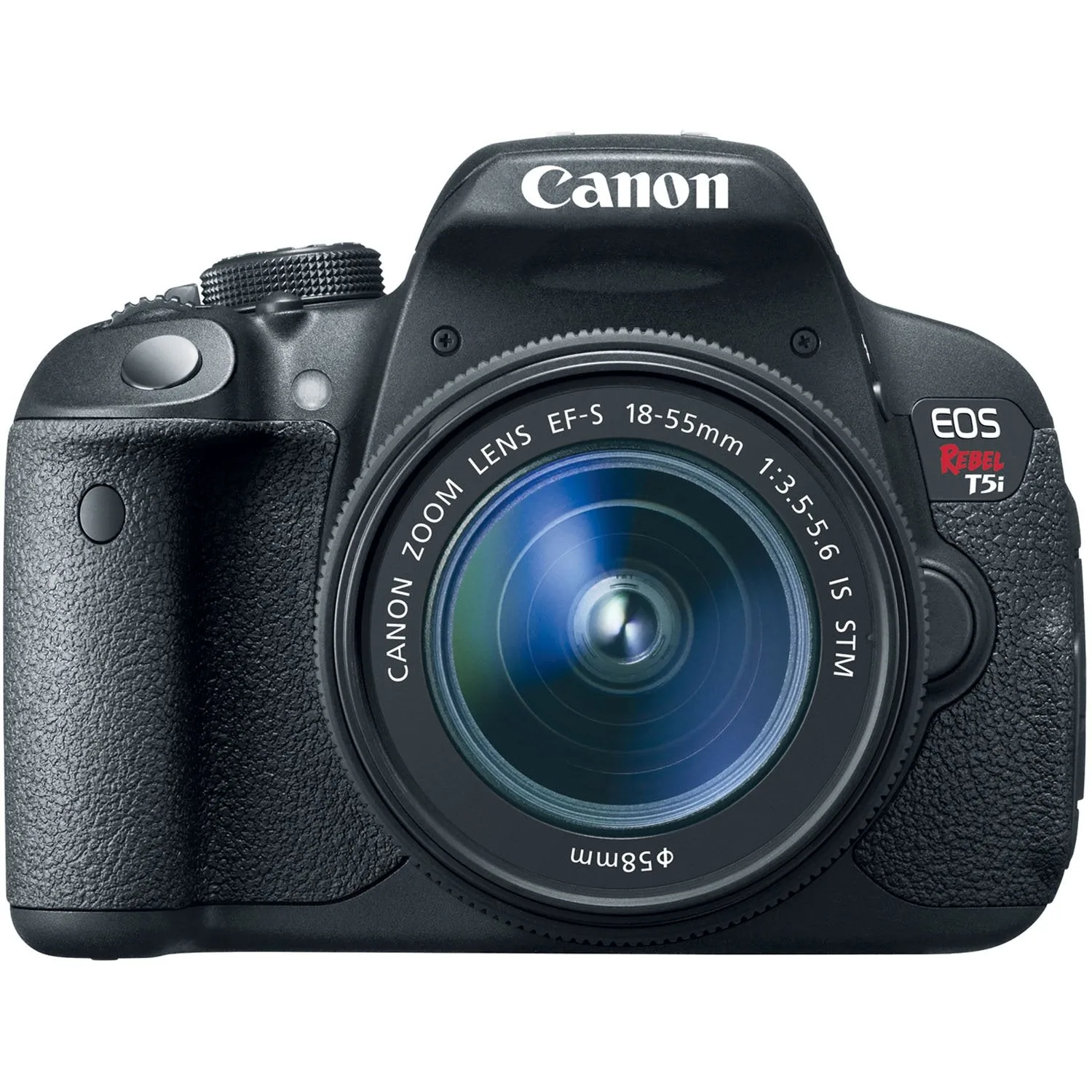
Canon EOS Rebel T5i DSLR Camera with 18-55mm Lens
- Nikon AF-P 18-55mm f/3.5-5.6G NIKKOR DX VR Lens: Nikon AF-P 18-55mm f/3.5-5.6G NIKKOR DX VR Lens: F-mount DX format, 27-82.5mm equivalent, f/3.5 to f/38, two aspherical elements, Super Integrated Coating, pulse stepping motor, VR image stabilization, 7-blade diaphragm. A stabilized, quiet-focusing F-mount zoom for Nikon DSLRs. It will not fit Nikon Z mirrorless bodies without an adapter, so it is a reason to stay with a DSLR if you already own it.
- Nikon NIKKOR Z 35mm f/1.4 Lens - Nikon Z Mount: Nikon NIKKOR Z 35mm f/1.4 Lens: full-frame Nikon Z mount, f/1.4 to f/16, STM autofocus, minimum focus distance 10.6 inches, customizable clickless control ring, dust and water-resistant design. A fast mirrorless prime for low light and shallow depth of field. It only mounts on Nikon Z bodies, so it locks you into the mirrorless system.
- Leica Elmarit-TL 18mm f/2.8 ASPH. Lens (Black): Leica Elmarit-TL 18mm f/2.8 ASPH. Lens (Black): L mount APS-C, 27mm equivalent, f/2.8 to f/16, four aspherical surfaces, full-time manual focus override, pancake form factor just 0.8 inch thick. Shows the mirrorless size advantage: a compact wide-angle prime for Leica L-mount bodies, ideal for travel, but not compatible with DSLR mounts.
Which camera type fits you?
Choose this if
- You want the smallest, lightest kit for travel and everyday carry, and you value a live electronic viewfinder.
- You already own Nikon Z, Canon RF, or Leica L lenses, or you plan to buy into a mirrorless system.
- You shoot a mix of video and stills and want autofocus that works while composing on the screen.
- You are a beginner who wants the camera to show you exposure changes as you adjust settings.
Skip this if
- You need the longest possible battery life and rarely charge during the day.
- You already own a large collection of Nikon F or Canon EF/EF-S lenses and do not want to use adapters.
- You prefer an optical viewfinder with zero lag for fast outdoor action.
- You want the lowest total cost for a body plus several lenses, since used DSLR gear is often cheaper.