Quick Answer
To mix One Piece, Dragon Ball, and Jujutsu Kaisen statues in one display, choose a unifying theme like 'battle energy' or 'color contrast', then group by scale and visual weight. Use risers and lighting to create depth, and keep each series' iconic colors balanced so the display feels intentional, not cluttered.
If your collection spans One Piece, Dragon Ball, and Jujutsu Kaisen, you already know the challenge: these series have very different aesthetics, color palettes, and scales. But mixing them in one display can create a dynamic showcase that celebrates your fandom without looking chaotic.
The key is to plan the arrangement before you start placing statues. Think about theme, color, scale, and negative space. With a few practical steps, you can turn a shelf of mismatched figures into a cohesive scene that highlights each piece.
Start with a Unifying Theme
Before arranging, decide on a theme that ties the series together. For example, 'battle poses' works well because One Piece, Dragon Ball, and Jujutsu Kaisen all feature dynamic action. Alternatively, choose a color story—like red and orange for fire-based attacks—to create visual harmony.
A theme doesn't have to be literal. It can be a mood, like 'intense confrontation' or 'heroic stand'. This gives your display a narrative and makes the mix feel deliberate. Avoid mixing statues with completely different themes, like a peaceful scene next to a brutal battle, unless you intentionally create separate zones.
- Pick one dominant theme and stick to it for the whole display.
Group by Scale, Not Series
Scale mismatches are the most common reason mixed displays look off. A 1/6 scale statue next to a 1/8 scale figure can break the illusion. Check the listed height and scale of each piece, and group statues of similar size together.
If you have one large centerpiece, place it at the back or on a higher riser, and surround it with smaller pieces. This creates a natural focal point. For example, a larger Dragon Ball statue can anchor the display, with smaller One Piece and Jujutsu Kaisen figures arranged in front.
- Use risers or acrylic steps to create levels and separate scales visually.
Balance Colors and Visual Weight
One Piece is known for bright, varied colors; Dragon Ball often uses bold primary tones; Jujutsu Kaisen leans darker with accents of red and blue. To mix them, distribute colors evenly across the display. Avoid putting all dark statues on one side and all bright ones on another.
Visual weight matters too. A large, detailed statue draws the eye. Balance it with smaller pieces or use negative space to let it breathe. If one statue has a busy base, pair it with a simpler one nearby.
- Step back and squint at your display to spot color imbalances.
Use Lighting to Create Depth
Lighting can make or break a mixed display. Warm spotlights highlight details, while cool light can make transparent effects pop. If you have statues with transparent parts, like the Dragon from UNO Studio, place them where light can shine through.
Avoid harsh shadows that hide faces. Position lights from above and slightly in front. If your display is in a cabinet, LED strip lights on each shelf work well. If you don't have lighting, at least ensure the display isn't in a dark corner.
- Test lighting at night to see how the display looks in low light.
Arrange in a Triangle or Diagonal Flow
A static row of statues looks flat. Instead, arrange them in a loose triangle or diagonal line to guide the eye. Place the tallest piece at the back, medium pieces in the middle, and smaller ones in front. This creates depth and movement.
For example, put a large Dragon Ball statue on a riser at the back, a One Piece figure in the middle, and a small Jujutsu Kaisen statue in front. This layering mimics a diorama and makes the display feel alive.
- Use odd numbers of statues per group—three or five—for a more natural look.
5 Steps to a Cohesive Multi-Series Display
- Pick a unifying theme: Decide on a theme like 'battle energy' or 'color contrast' that works across all three series. Write it down to guide every other decision. Checkpoint: Does every statue fit the theme? If not, consider a separate display.
- Sort by scale and height: Group statues by similar scale and height. Use risers to create levels so smaller pieces aren't lost behind larger ones. Checkpoint: Can you see every statue's face and key details?
- Balance colors and visual weight: Spread bright and dark colors evenly. Pair a heavy, detailed base with a simpler one to avoid visual overload. Checkpoint: Does any one side feel heavier or darker than the other?
- Set up lighting for depth: Use warm spotlights or LED strips to highlight details and make transparent effects shine. Avoid harsh shadows. Checkpoint: Are all statues evenly lit without glare?
- Arrange in a triangle flow: Place tallest at the back, medium in the middle, and smallest in front. Use odd numbers per group for a natural look. Checkpoint: Does your eye move smoothly across the display? If not, adjust positions.
Products That Work Well in Mixed Displays
- Second Edition Uo Uo no Mi & Dragon - ONE PIECE Resin Statue - UNO Studio: Offers a Dragon with electroplating or transparent effects, limited to 100 or 30 pieces respectively, with an estimated shipping date of Q1 March 2026. The transparent version lets light pass through, making it a great centerpiece for a mixed display where lighting is key.
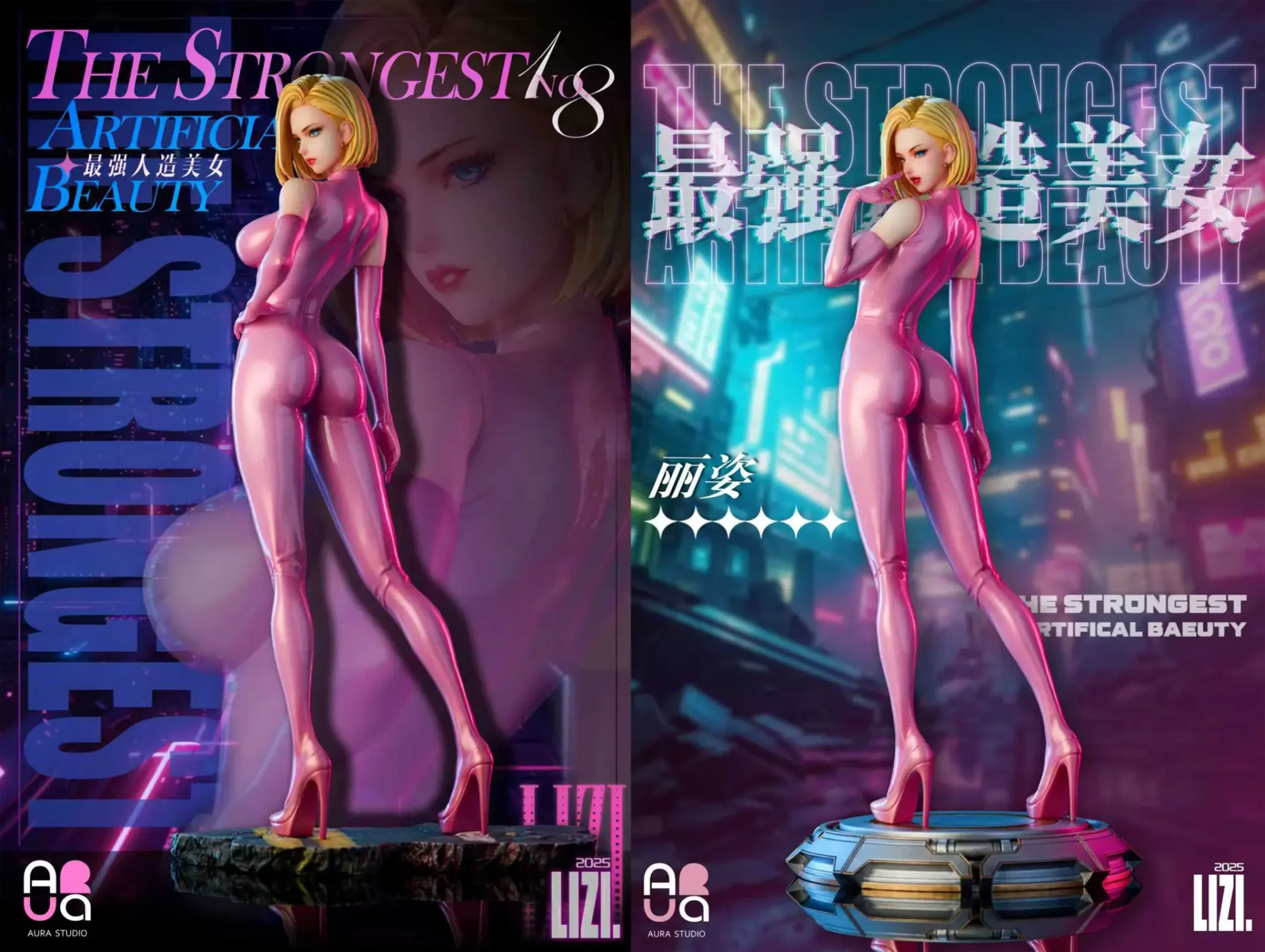
- Android 18 - Dragon Ball Resin Statue - AURA-Studio: A resin and PU statue with two base options, standing about 31-32cm tall, limited to 288 pieces total, estimated to ship in Q2 June 2026. Its moderate height and two base choices let you match scale and theme with other series, and the limited run adds collectible value.
Mixing One Piece, Dragon Ball, and Jujutsu Kaisen statues doesn't have to be messy. With a clear theme, careful scale grouping, balanced colors, and thoughtful lighting, you can create a display that feels curated and exciting. Start with one shelf, apply these steps, and adjust until it feels right.