Quick Answer
For most home kitchens, a set of three bowls—1 liter, 2.5 liters, and 4 liters—covers nearly every recipe. Use a 1-liter bowl for eggs and small prep, a 2.5-liter bowl for everyday mixing and salads, and a 4-liter bowl for bread dough or large batches.
Choosing the right mixing bowl size can make or break your cooking experience. Too small, and you'll end up with flour on the counter; too large, and your whisk barely reaches the bottom. This guide breaks down common mixing bowl capacities and helps you match them to your recipes.
We'll cover the typical sizes, what each is best for, and the trade-offs you should consider. Whether you're a weekend baker or a daily cook, understanding mixing bowl sizes will make your kitchen work easier and more enjoyable.
Common Mixing Bowl Sizes and Their Uses
Mixing bowls come in a range of capacities, from small 0.5-liter ramekins to large 6-liter or even 8-liter workhorses. The most common sizes in home kitchens are 1 liter, 2 liters, 2.5 liters, 3 liters, and 5 liters. Each size serves a distinct purpose, and knowing these can help you build a versatile set.
A 1-liter bowl is perfect for whisking eggs, mixing small amounts of dressing, or prepping a single serving of ingredients. A 2.5-liter bowl is the workhorse of the kitchen—ideal for salads, cake batter, and mixing ground meat. For bread dough or large batches of cookies, you'll want a 4-liter or larger bowl to allow room for kneading and rising.
- Think about the largest recipe you make regularly and choose a bowl that gives you at least 20% extra headroom.
Capacity vs. Dimensions: What Really Matters
When comparing mixing bowls, look at both capacity (in liters) and dimensions (diameter and depth). A wide, shallow bowl is great for whisking and folding, while a deep, narrow bowl is better for preventing splashes when using a hand mixer. The same capacity can have very different dimensions, so consider your typical tasks.
For example, a 2.5-liter bowl with a wide opening is excellent for tossing salads or mixing dry ingredients. A deeper 2.5-liter bowl might be better for beating eggs or whipping cream. If you often bake, a bowl with a stable, non-slip base is a practical feature to look for.
Material Choices and Their Trade-offs
Mixing bowls are typically made from stainless steel, glass, ceramic, or plastic. Stainless steel is lightweight, durable, and doesn't absorb odors, but it can react with acidic ingredients if left for long periods. Glass and ceramic are microwave-safe and heavy, which helps them stay put, but they can chip or break. Plastic bowls are cheap and light, but they can stain and retain odors.
Your choice should depend on how you use the bowl. If you microwave ingredients or need to see the contents, glass is a good option. If you want a bowl that won't break and is easy to store, stainless steel is a solid choice. For everyday mixing, a sturdy stainless steel bowl is often the best all-rounder.
How to Choose Your Mixing Bowl Size: Quick Decision Rules
- 1 liter or smaller: Choose for whisking eggs, mixing small dressings, or prepping single servings. These bowls are also handy for holding pre-measured ingredients. If you often bake, keep at least one small bowl on hand.
- 2.5 to 3 liters: This is your everyday bowl. Use it for salads, cake batter, meatloaf, or mixing a batch of cookies. It's the size most recipes are designed for. Start your set with a 2.5-liter bowl—it covers the majority of recipes.
- 4 liters and above: Reserve for bread dough, large batches, or when you need room to knead. These bowls also work well as a serving bowl for salads or popcorn. Only buy a large bowl if you regularly bake bread or cook for a crowd.
Westmark Mixing Bowls and Kitchen Helpers
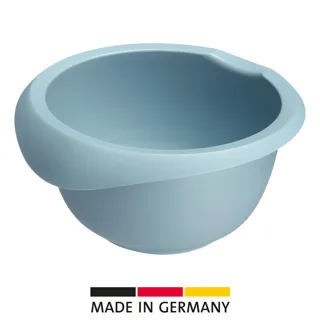
- Mixing bowl without lid, 2,5 l, blue: This Westmark mixing bowl offers a practical and straightforward solution for your kitchen prep tasks. With a 2.5-liter capacity, it provides ample space for mixing, whisking, or combining ingredients. The bowl comes in a clean blue color, adding a subtle accent to your cookware collection. A 2.5-liter bowl is the most versatile size for everyday cooking and baking, making this a great starting point for your mixing bowl set.
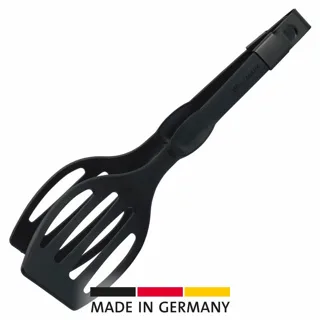
- Double turner and kitchen tongs »Duetto Flonal«: The Westmark Duetto Flonal is a versatile kitchen tool that combines a double turner and kitchen tongs in one practical design. Ideal for everyday cooking and serving tasks, it offers convenience and functionality for your kitchen. Once you've mixed your ingredients, this dual-purpose tool helps you flip, turn, and serve without switching utensils.
Who Should Choose Which Size?
Best for
- Home bakers who need a versatile set for cakes, cookies, and breads—choose a 1-liter, 2.5-liter, and 4-liter combination.
- Busy cooks who want one bowl for everyday tasks—opt for a 2.5-liter bowl.
Not for
- If you only make single servings or small batches, a large 4-liter bowl will be bulky and hard to store—stick to smaller sizes.
Choosing the right mixing bowl size is about matching the bowl to your most common recipes. A versatile 2.5-liter bowl is a great starting point, and adding smaller and larger sizes as needed will complete your set. With these guidelines, you can shop with confidence and enjoy easier mixing, baking, and cooking.