Quick Answer
Many model rocket building myths persist, but the truth is simpler: modern kits are designed for reliability, and following instructions beats shortcuts. Focus on proper techniques like through-the-wall fin construction and correct motor mounting rather than worrying about outdated beliefs.
Every hobby has its folklore, and model rocketry is no exception. From claims that heavier rockets fly straighter to fears that pre-slotted tubes are weak, these misconceptions can lead builders astray. Let's separate fact from fiction with practical insights grounded in what's actually in the kit box.
We've seen it all: builders who over-engineer fins, others who skip essential steps, and many who worry about components that are perfectly fine. This guide tackles the most common myths and gives you the real story, so you can build with confidence and enjoy successful flights.
Myth: Pre-Slotted Airframes Are Weak
Some builders think that factory pre-slotted airframes are inherently weaker than those you cut yourself. In reality, pre-slotted tubes from reputable manufacturers are cut precisely and don't compromise structural integrity. For example, LOC Precision kits feature factory pre-slotted airframes and through-the-wall fin construction, which actually strengthens the fin-to-body joint compared to surface-mounted fins.
The slot is only as good as the fin installation. Through-the-wall construction means fins extend into the airframe and attach directly to the motor mount, creating a robust structure. So, pre-slotted isn't a weakness—it's a convenience that ensures accurate alignment and saves time.
- Trust factory slots but always dry-fit fins before gluing.
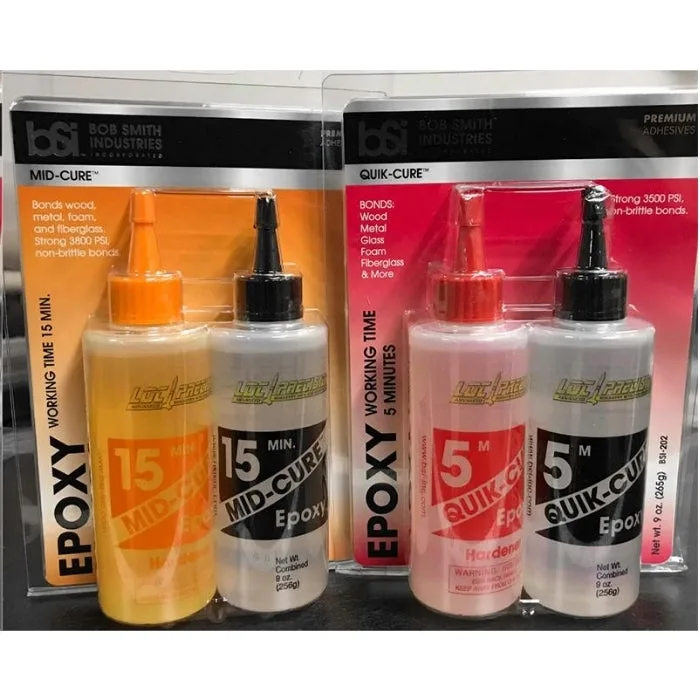
- Use epoxy for high-power kits to ensure strong bonds.
epoxy
Myth: Bigger Rockets Are Harder to Build
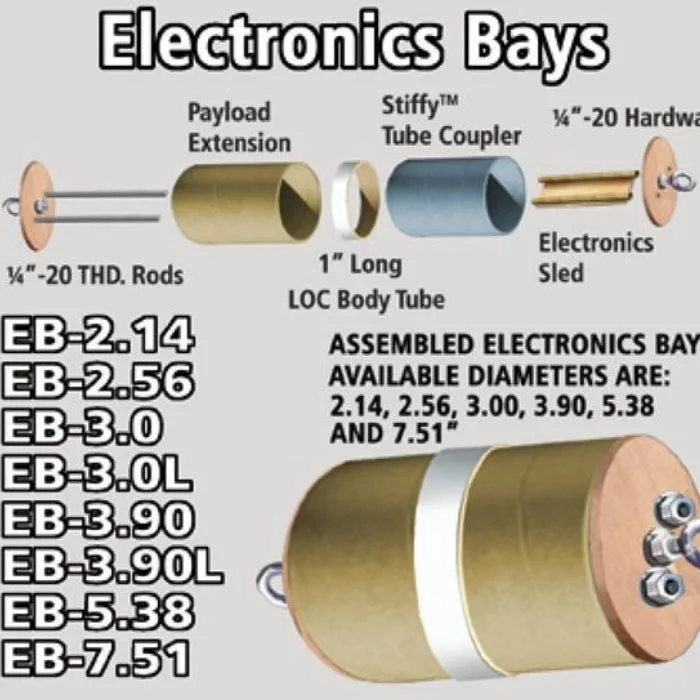
Many assume that larger high-power rockets demand expert skills, but kit design has evolved to make assembly manageable. Take the 7.5" T-LOC: it includes an outside fin stabilizer for straight flights and an electronics bay hatch that simplifies dual deployment. These features reduce complexity, not add to it.
Even expert-level kits like the 7.5" Phoenix are designed with builders in mind, offering a stock electronics bay for dual deploy. The key is to follow instructions and take your time. Bigger doesn't automatically mean harder—it means more room to work and often more forgiving tolerances.
- Read the entire manual before starting.
- Break the build into subassemblies like fin can and electronics bay.
Myth: You Must Use Traditional Building Methods
There's a belief that you have to build fins inside the airframe the old-fashioned way. However, modern kits offer innovative approaches. The 5.5" Goblin, for instance, uses a LOC-N-FIN/RING combo that lets you construct the fin can outside the airframe and then install it. This method is stronger and easier, especially for beginners.
Traditional building still works, but it's not mandatory. Kits like the Goblin are perfect for Level 1 and Level 2 certification flights because they simplify construction while maintaining high-power capability. Embrace new methods—they're designed to improve your building experience.
- Consider kits with fin cans for easier alignment.
- Practice on a smaller kit before tackling a high-power project.
Myth vs. Fact: Quick Verdicts
- Pre-slotted airframes are weak: Factory slots are precise and, when combined with through-the-wall fins, create strong joints. Myth busted—trust the slots.
- Bigger kits are only for experts: Many large kits include features like fin cans and electronics bays to simplify building. Myth busted—choose the right kit for your skill.
- Traditional building is the only way: Innovative methods like LOC-N-FIN/RING combos offer stronger and easier alternatives. Myth busted—embrace modern techniques.
Products That Bust the Myths
- 5.5" Goblin: One of the LOC CUSTOM SERIES of kits, which feature factory pre-slotted airframe and through-the-wall fin construction and high power motor capabilities. The GOBLIN is the perfect kit to make your Level 1 and Level 2 certification flight with. 54mm motor mount. LOC-N-FIN/RING combo adds a strong and easy method of building. Construct the fin can outside the airframe and install OR use traditional building... Shows that pre-slotted airframes and modern fin attachment methods are reliable and even ideal for certification flights.
- 7.5" T-LOC: BIG T-LOC is here! Outside fin stabilizer makes this a super straight shot! 30" + 15" airframes are recommended to be epoxied with coupler to make a 45" booster. This big short model rocket kit includes a 75mm motor mount with included 54mm adaptor. With big short rockets, dual deployment or even an electronics bay has always been a challenge. Solved! New electronics bay hatch allows for 75mm motors to be flown... Demonstrates that large kits can incorporate user-friendly features like hatches and stabilizers, debunking the myth that big is overly complex.
Don't let myths hold back your rocketry progress. Modern kits are engineered for success, and understanding the facts helps you build with confidence. Whether you're aiming for Level 1 certification or just enjoy the hobby, focus on solid techniques and enjoy the flight.