Quick answer
Buy a modular holster adapter when you need one mount that clears a plate carrier and accepts the holster you already run. Prioritize hole pattern coverage, belt-to-carrier clearance, and a retention setup you can adjust without tools. The True North Concepts Modular Holster Adapter is the most user-customizable option here and the safest default if you switch holsters or carriers often.
What a modular adapter actually changes
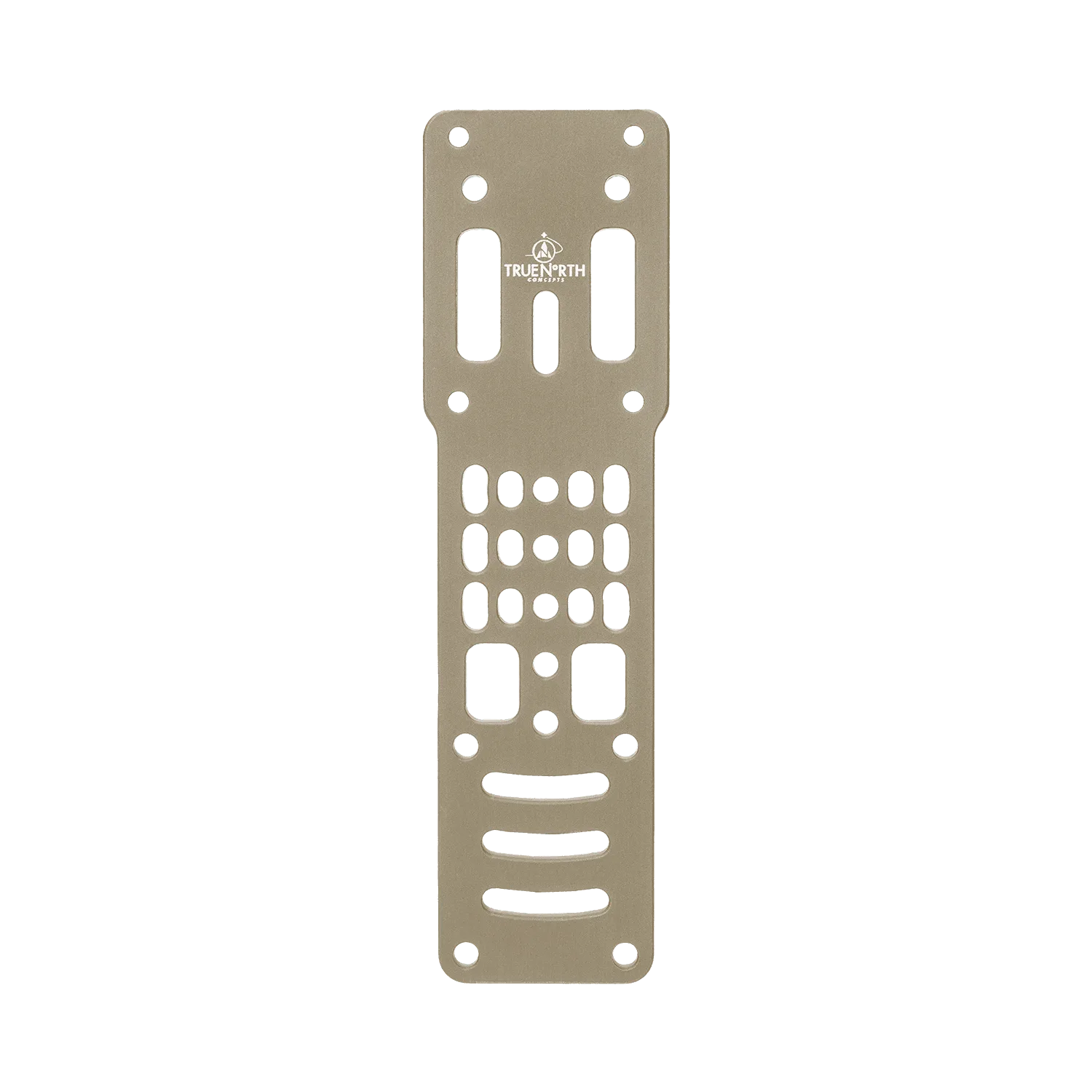
A fixed holster mount locks you into one ride height, one cant, and one clearance. A modular adapter gives you a plate of mounting holes so you can move the holster up, down, or angled until it clears your plate carrier and your belt line. That adjustability is the whole point: you are buying options, not just a bracket.
The trade-off is weight and bulk. More holes and more hardware add a few ounces and a little thickness. If your holster already sits perfectly and you never change gear, a simpler mount is lighter and cheaper.
Check compatibility before you buy
Compatibility runs in two directions: the adapter must bolt to your holster, and it must attach to your belt, drop leg, or carrier surface. Count the mounting holes on your holster first, then confirm the adapter covers that pattern. If your holster uses a proprietary pattern, no modular plate will help.
For carrier-mounted setups, the adapter has to sit far enough off the cummerbund to clear magazine pouches and side plates. Measure the gap between your holster body and the carrier when you draw. If the holster rubs, you need more offset or a different mounting position, not more retention.
Set retention after mounting, not before
Retention is a system, not a screw. Mount the adapter, set ride height and cant, then adjust holster retention so the weapon releases cleanly at your natural draw angle. Recheck it after the first range session; hardware settles and polymer flexes.
If you run a carrier-mounted holster, keep the draw path clear of your sling, radio, and cummerbund. A holster that clears when standing may snag when you are seated or prone. Test both.
Decision rules for choosing a holster mount
- If you switch holsters or carriers: Choose a modular adapter with a broad hole pattern and adjustable cant. The True North Concepts Modular Holster Adapter is built for this. Buy once, reconfigure often.
- If you run a fixed holster and never change gear: A simple, lighter mount is enough. Skip the extra holes and hardware. Save weight and money.
- If your holster rubs your cummerbund or side plates: Add offset or move the mount position before you tighten retention. Clearance is a mounting problem, not a retention problem. Fix the geometry first.
Products that solve specific mounting problems
- Modular Holster Adapter: The True North Concepts Modular Holster Adapter is described as the most user-customizable holster mounting solution that clears plate carriers, with all the mounting holes you could need. If you switch holsters or carriers, this is the adapter that adapts instead of forcing a new purchase.
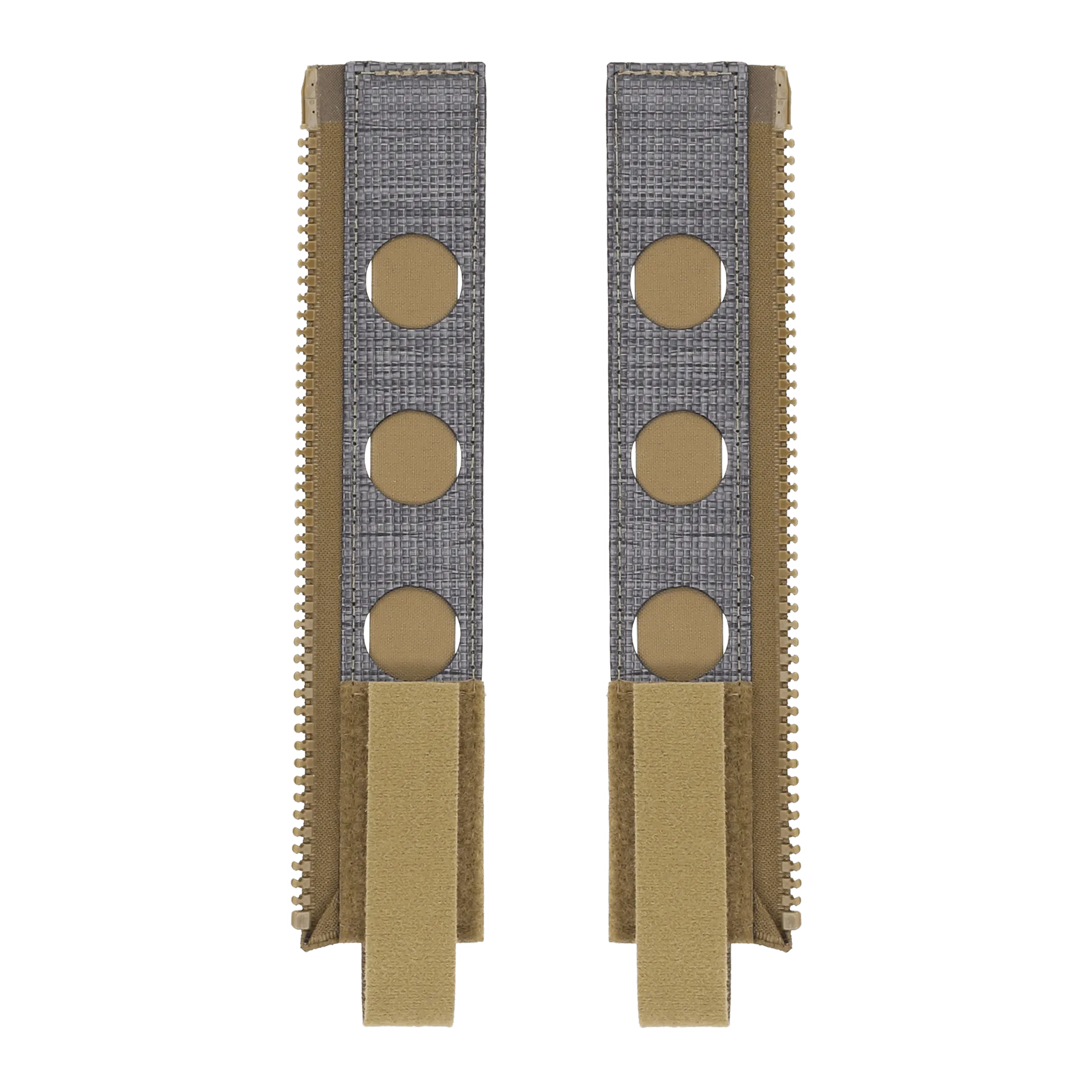
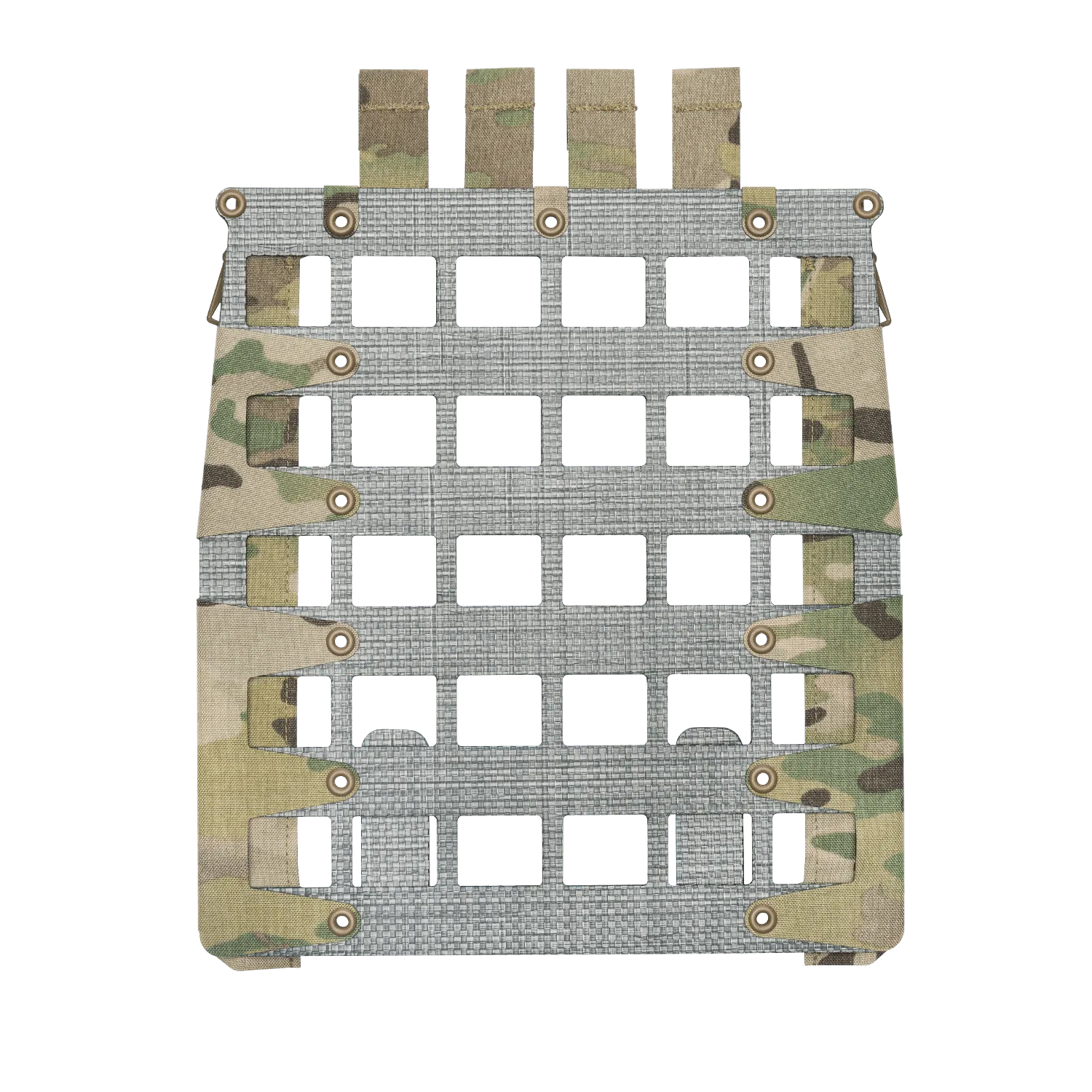
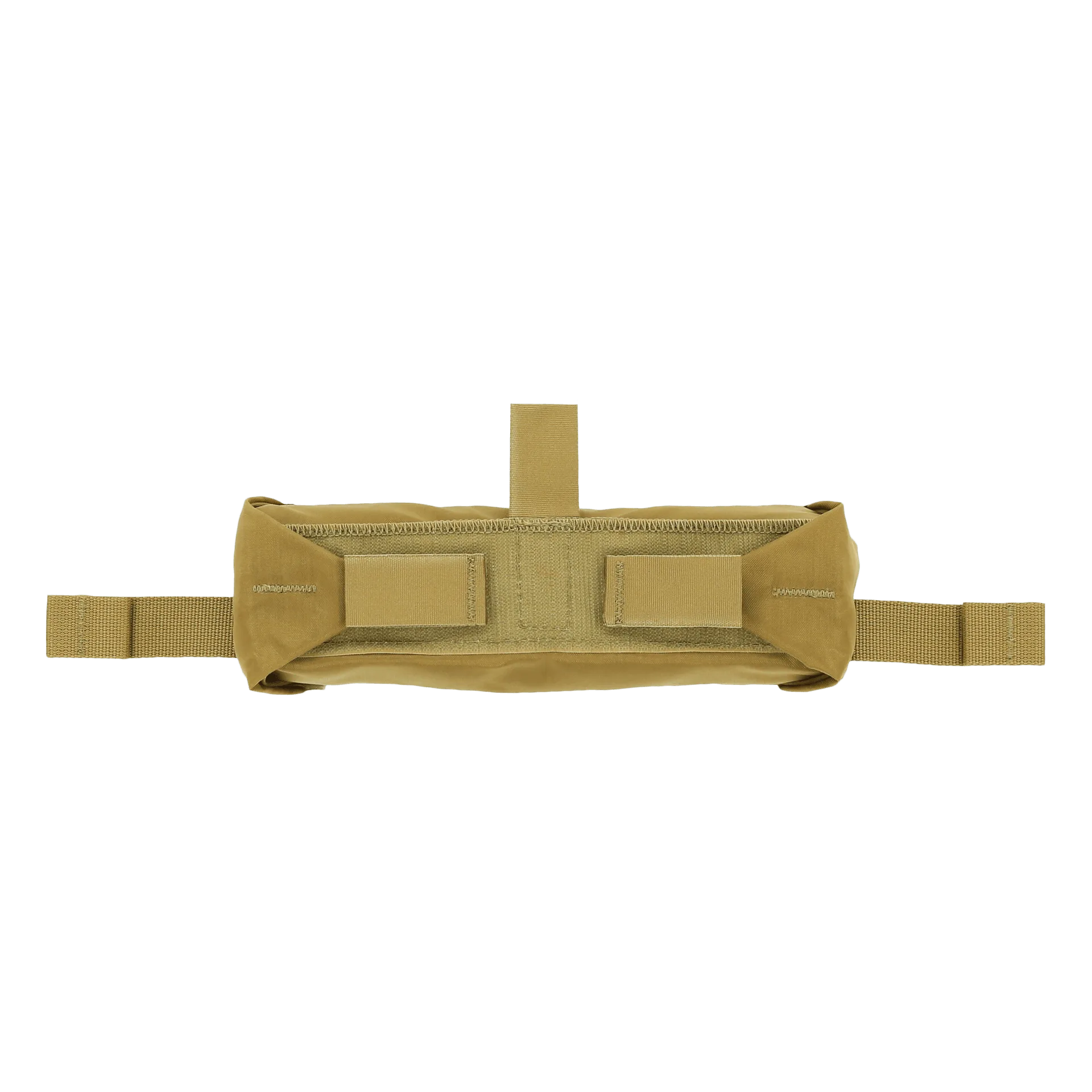
- Back Panel MOLLE Zipper Kit: The Back Panel MOLLE Zipper Kit lets owners of The Slickster MOLLE Rear Plate Pocket, Slickster Molle Base, or most MOLLE plate carriers use Ferro Concepts Adapt Back Panels, and it is not compatible with the regular Slickster. Check your rear plate pocket model before buying; the wrong kit will not zip on.
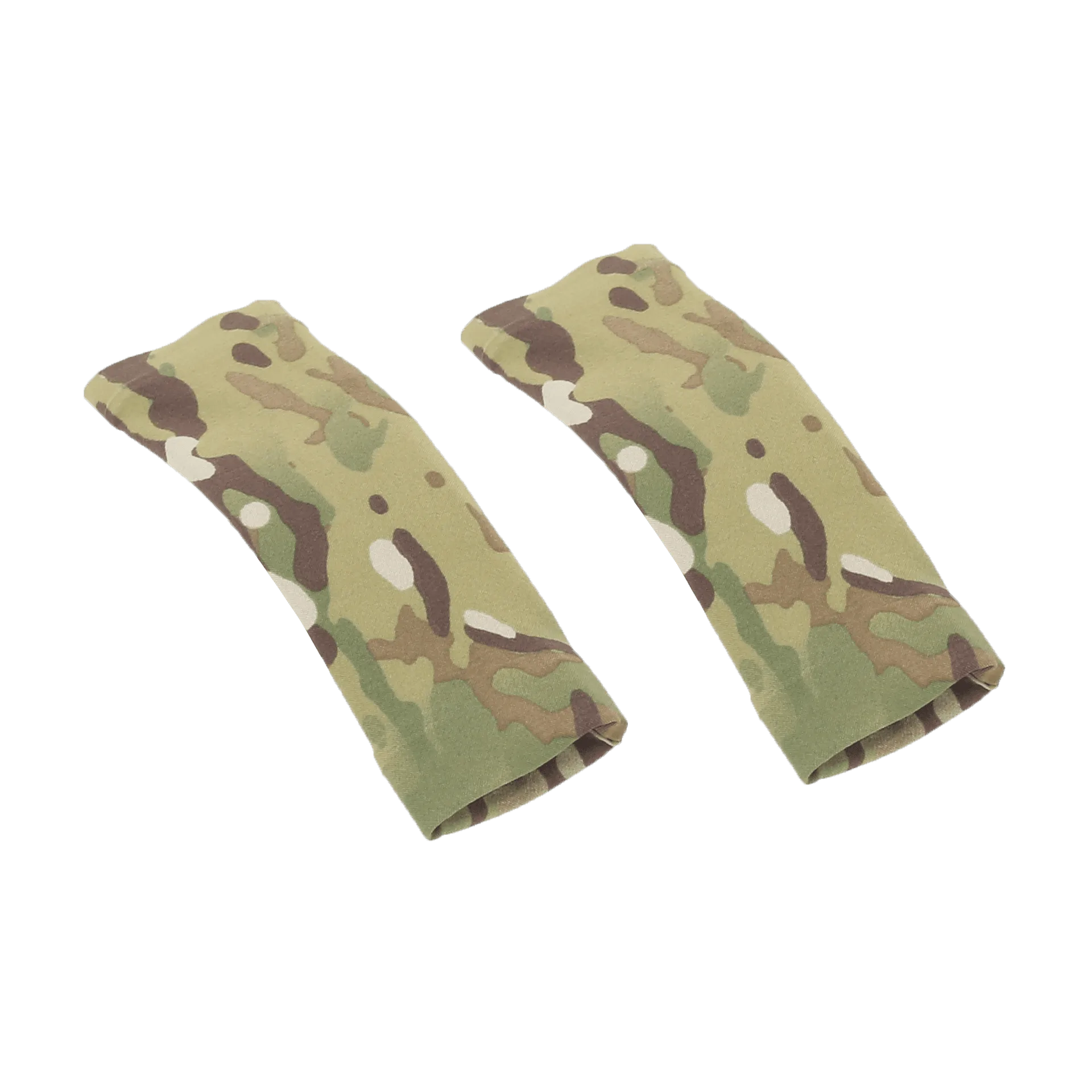
- Padded Strap Socks: Padded Strap Socks fit 2-inch shoulder straps, use a 4-way stretch woven body for hydration tubes, cables, and antennas, and add 1/8 inch of padding. If your carrier-mounted holster setup adds weight or routing clutter, these keep the shoulder straps comfortable and organized.
Who this setup fits
Best for
- Shooters who switch between holsters or plate carriers and want one mount that keeps up
- Carrier-mounted setups that need to clear side plates and magazine pouches
Not for
- Users with a proprietary holster pattern that no modular plate covers
- Anyone who wants the lightest possible fixed mount and never reconfigures