Quick answer
If you value flexibility and easy reconfiguration, a modular sofa is the better choice. If you prefer a fixed, classic silhouette and don't plan to move pieces around, a traditional sectional offers simplicity. For most modern homes, modular sofas provide unmatched versatility.
Understanding modular sofas
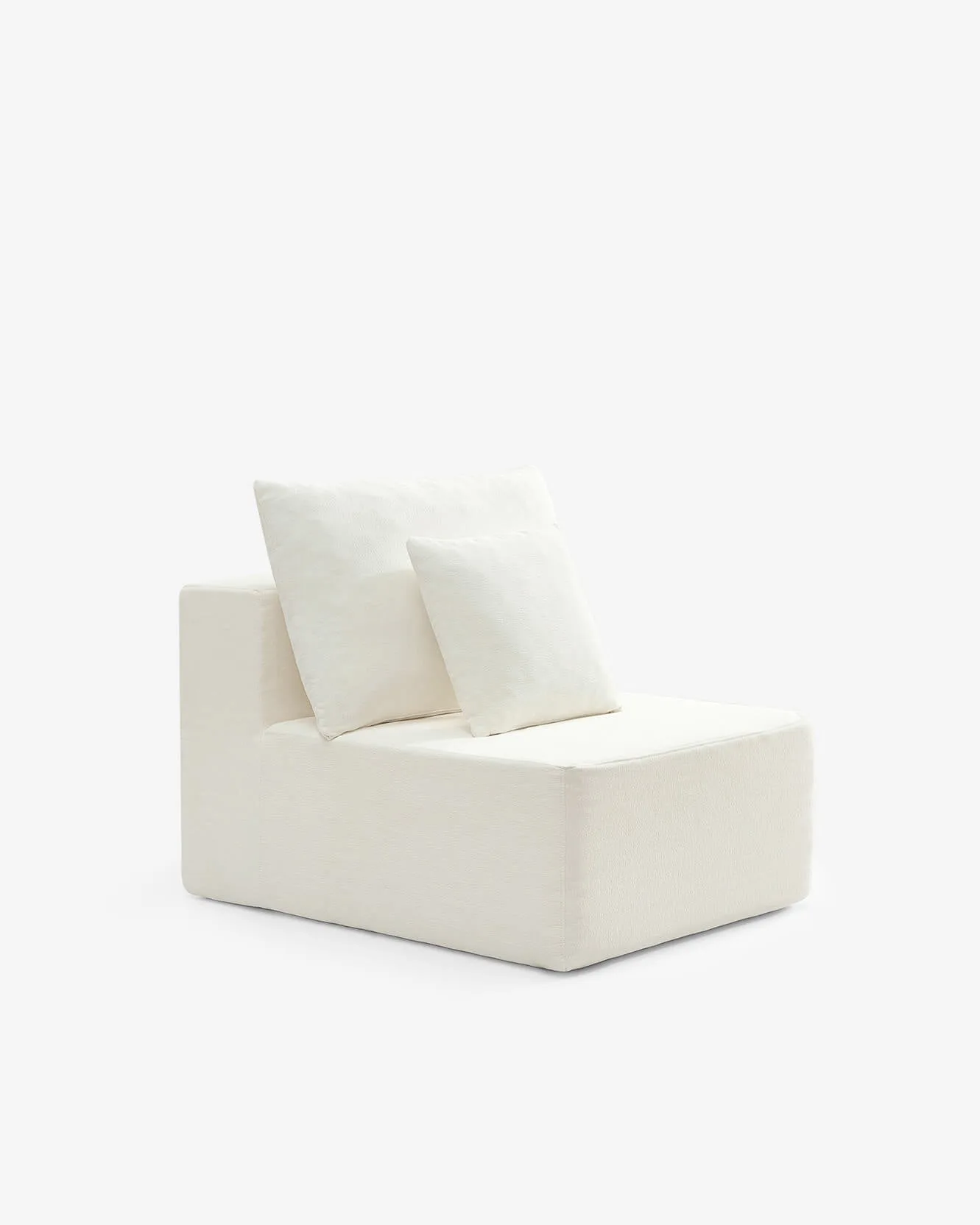
A modular sofa is built from separate sections that you can arrange in multiple configurations. This design lets you adapt your seating to different occasions, from movie nights to hosting guests. Modular pieces often include corner, middle, and chaise modules, giving you the freedom to create an L-shape, U-shape, or even a straight layout.
Understanding traditional sectionals
A traditional sectional is a single, fixed piece of furniture, usually in an L-shape or U-shape. It's designed to stay in one configuration and is typically less flexible. Sectionals are often chosen for their seamless look and sturdy construction, but they can be harder to move through doorways or into tight spaces.
Key differences at a glance
The main difference is flexibility. Modular sofas can be rearranged, expanded, or reduced to fit your space, while traditional sectionals are set in their shape. Modular designs also make moving easier because you can transport smaller pieces. On the other hand, traditional sectionals may offer a more cohesive, built-in appearance and often have fewer seams.
Trade-offs to consider
- Flexibility vs. stability: Modular sofas offer endless configurations but may have more seams and require occasional readjustment. Traditional sectionals feel more solid but can't be changed. Choose modular if you like to rearrange; choose traditional if you want a set-and-forget piece.
- Moving and delivery: Modular sofas are easier to move through narrow doorways and up stairs because they come in smaller pieces. Traditional sectionals often need special handling or disassembly. If you move frequently or have tricky access, modular is the practical pick.
- Space adaptation: Modular sofas can be configured to fit small or oddly shaped rooms, and you can add or remove modules as your space changes. Traditional sectionals require enough open area for their fixed shape. For small spaces or evolving layouts, modular offers more options.
Product facts
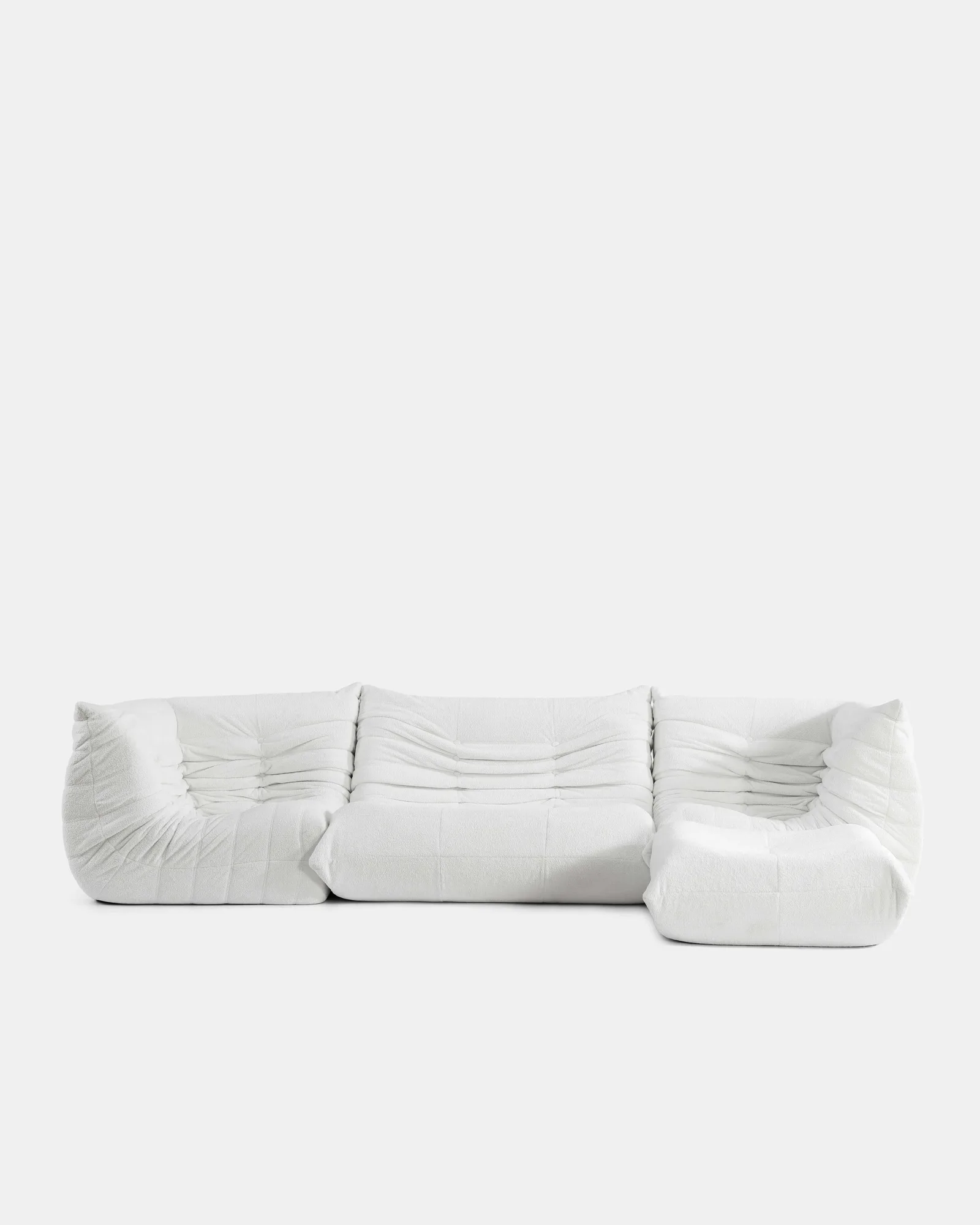
- Cypress Modular Left-Side Chaise Sectional Sofa: The Cypress Modular Left-Side Chaise Sectional Sofa includes a left-side chaise module and a right corner module, upholstered in softly textured Bouclé fabric with a Contour Foam base. This configuration gives you a ready-made L-shape with the option to rearrange the modules later, and the Contour Foam base balances firmness with supportive comfort.
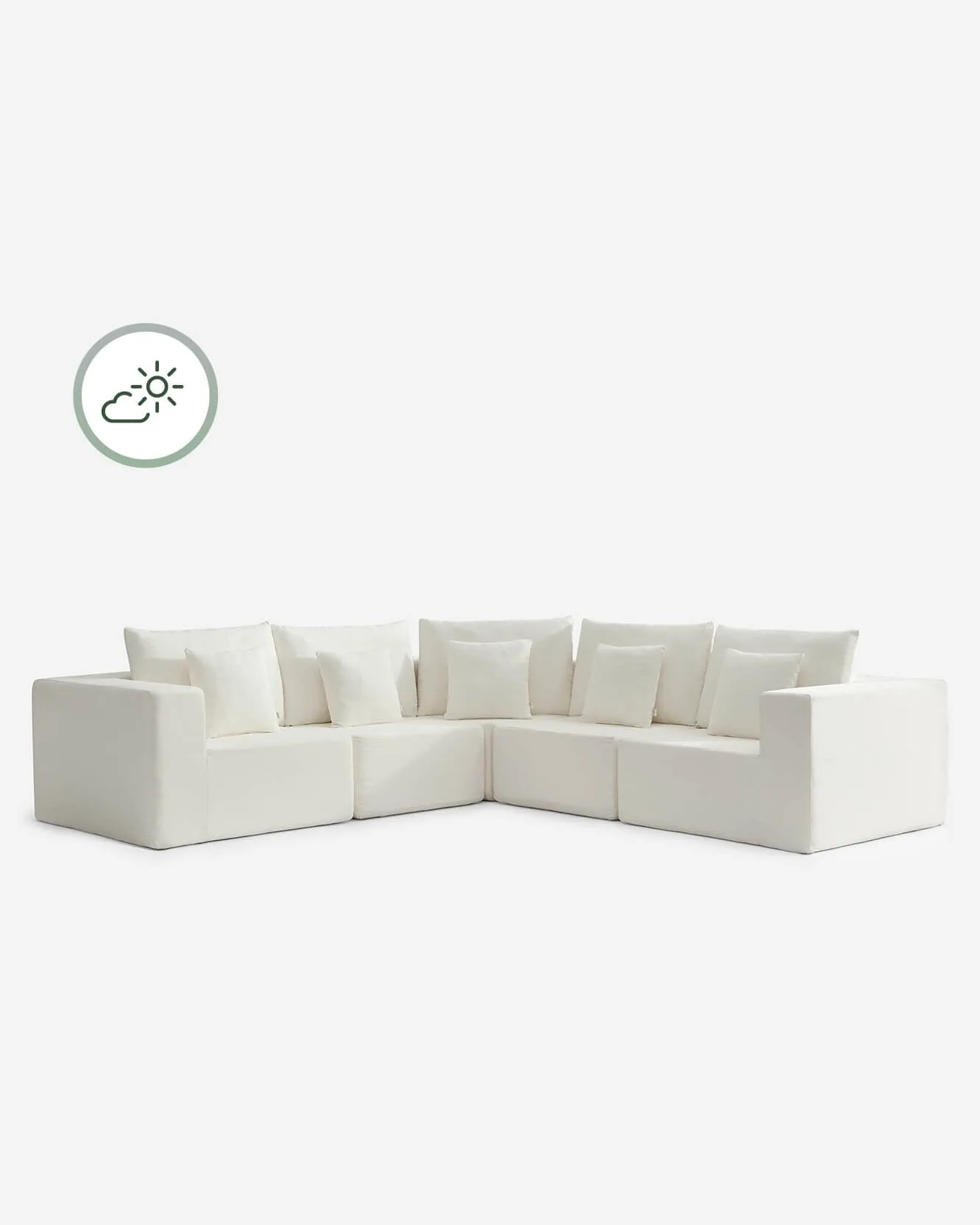
- Kai Modular Indoor L-Shaped Sectional Sofa: The Kai Modular Indoor L-Shaped Sectional Sofa includes 3 corner modules (usable on either side) and 2 middle modules, upholstered in soft Breeze Indoor fabric with memory-foam cushioned back rests. With multiple corner modules, you can flip the orientation or create a symmetrical layout, and the memory-foam back rests add extra comfort for lounging.
Which should you choose?
Best for
- People who move often or have narrow doorways
- Those who like to reconfigure their living space for different occasions
Not for
- Anyone who prefers a seamless, one-piece look and never plans to rearrange
- Those on a tight budget, as modular sets can be more expensive per piece