Quick answer
Mold on leather happens when damp leather goods are stored in warm, dark, humid places with little airflow. To remove it safely, isolate the item, brush off loose spores outdoors, wipe with a diluted white vinegar solution, dry thoroughly away from heat, then condition. If mold returns or the leather feels brittle or smells musty after cleaning, stop and consult a professional.
You pull your favorite leather duffle or wallet out of the closet and notice a fuzzy green or white patch. Mold on leather is a common problem, especially in humid climates or after storing items while they were still damp. The good news: if you catch it early, you can usually remove mildew from leather without damaging the material.
This guide walks you through the symptoms, causes, and safe removal steps. You'll also learn how to prevent mold from coming back with smart leather storage mold prevention habits. We'll cover when to treat it yourself and when to stop and seek professional help.
Why mold grows on leather
Mold needs three things to grow: moisture, warmth, and organic material. Leather, being a natural material, provides the organic material. When leather gets damp—from rain, sweat, or high humidity—and is stored in a dark, warm place like a closet or basement, mold spores can settle and multiply. This is especially common in leather boot mold treatment if boots are put away wet.
Even a small amount of moisture trapped inside a wallet or bag can lead to mold. That's why it's important to let leather goods dry completely before storing them. If you live in a humid area, consider using a dehumidifier or silica gel packets in storage areas.
- Mold can appear as white, green, or black fuzzy spots.
- It often has a musty, earthy smell.
- Leather may feel damp or slightly slimy to the touch.
How to remove mold from leather safely
Start by taking the item outside to avoid spreading spores indoors. Use a soft brush or dry cloth to gently brush off any loose mold. Then, mix equal parts white vinegar and water. Dampen a microfiber cloth with the solution and wipe down the affected areas. Vinegar is acidic and helps kill mold spores. Avoid soaking the leather; you want it barely damp.
After wiping, let the item air dry in a well-ventilated area away from direct heat or sunlight, which can crack the leather. Once dry, apply a leather conditioner to restore moisture and suppleness. For heavily molded items, you may need to repeat the process. If the mold has penetrated deep into the leather or the item is valuable, consider consulting a leather care professional.
- Never use bleach or harsh chemicals on leather.
- Test any cleaning solution on a hidden area first.
- Dry naturally; do not use a hair dryer or radiator.
Preventing mold from returning
Prevention is easier than removal. Store leather goods in a cool, dry place with good airflow. Avoid plastic bags, which trap moisture; instead, use breathable cotton dust bags. If you live in a humid climate, use silica gel packets or a dehumidifier in your closet. Rotate your leather items and inspect them regularly for signs of mold.
For leather boot mold treatment, make sure boots are completely dry before storing. Stuff them with newspaper or cedar shoe trees to absorb moisture and maintain shape. For wallets and small accessories, keep them in a dry area and avoid leaving them in damp pockets or gym bags.
- Use cedar blocks or silica packets in storage areas.
- Allow leather to dry naturally before storing.
- Clean and condition leather at least once a year.
Diagnose your mold situation
- Surface mold (white/green fuzz): Mold is only on the surface and wipes off easily with a dry cloth. Treat at home with diluted vinegar and condition afterward.
- Deep mold (black spots or musty smell): Mold has penetrated the leather or the item smells musty even after cleaning. Stop home treatment and consult a leather care professional.
- Brittle or cracking leather: Leather feels stiff, brittle, or shows cracks after cleaning. The leather may be permanently damaged; consider replacement.
Leather goods built to handle the elements
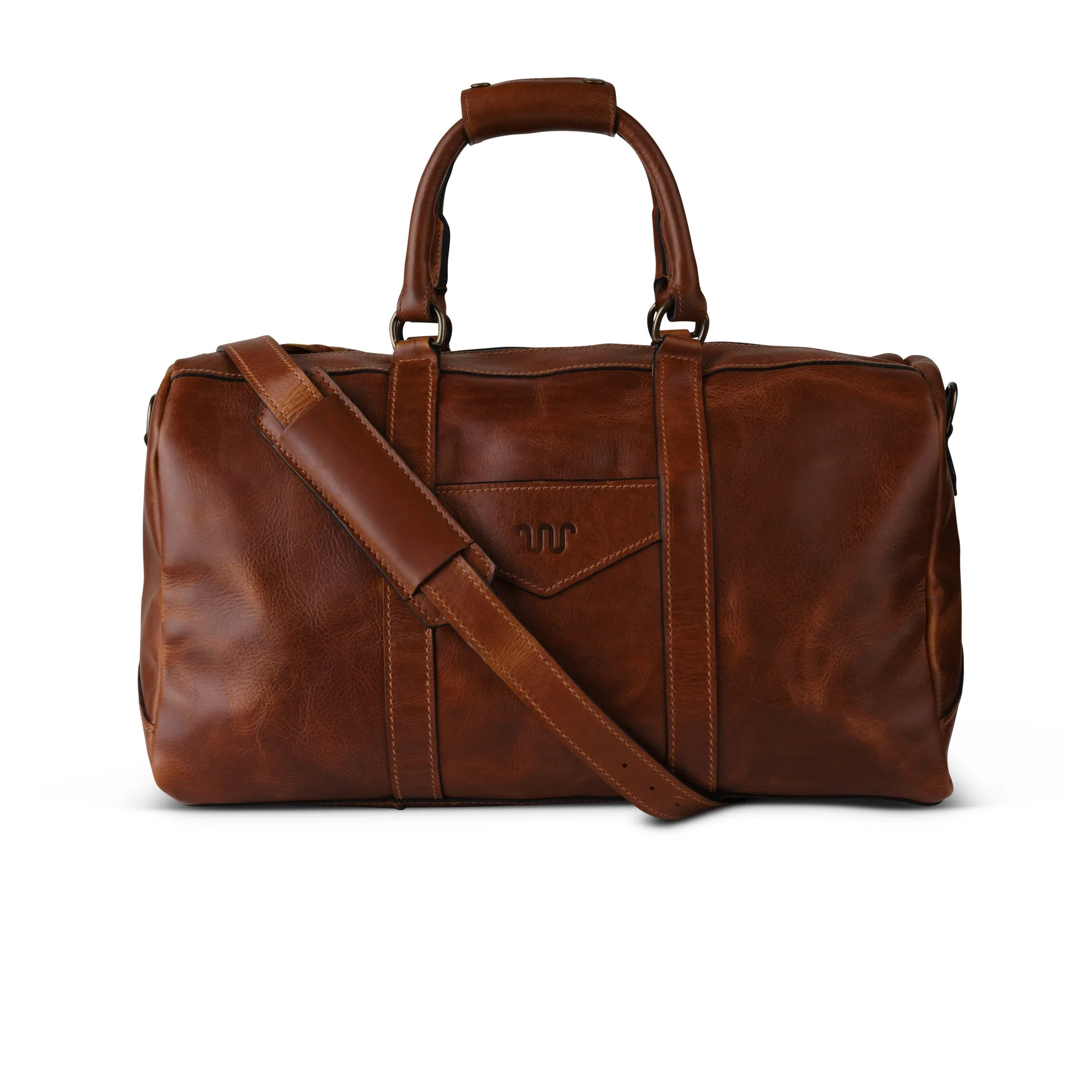
- Kineño Leather Duffle: Crafted from full-grain leather specially tanned for softness, flexibility, and moisture resistance. Moisture-resistant leather is less likely to absorb dampness that leads to mold, making it a smart choice for travel and storage in humid conditions.
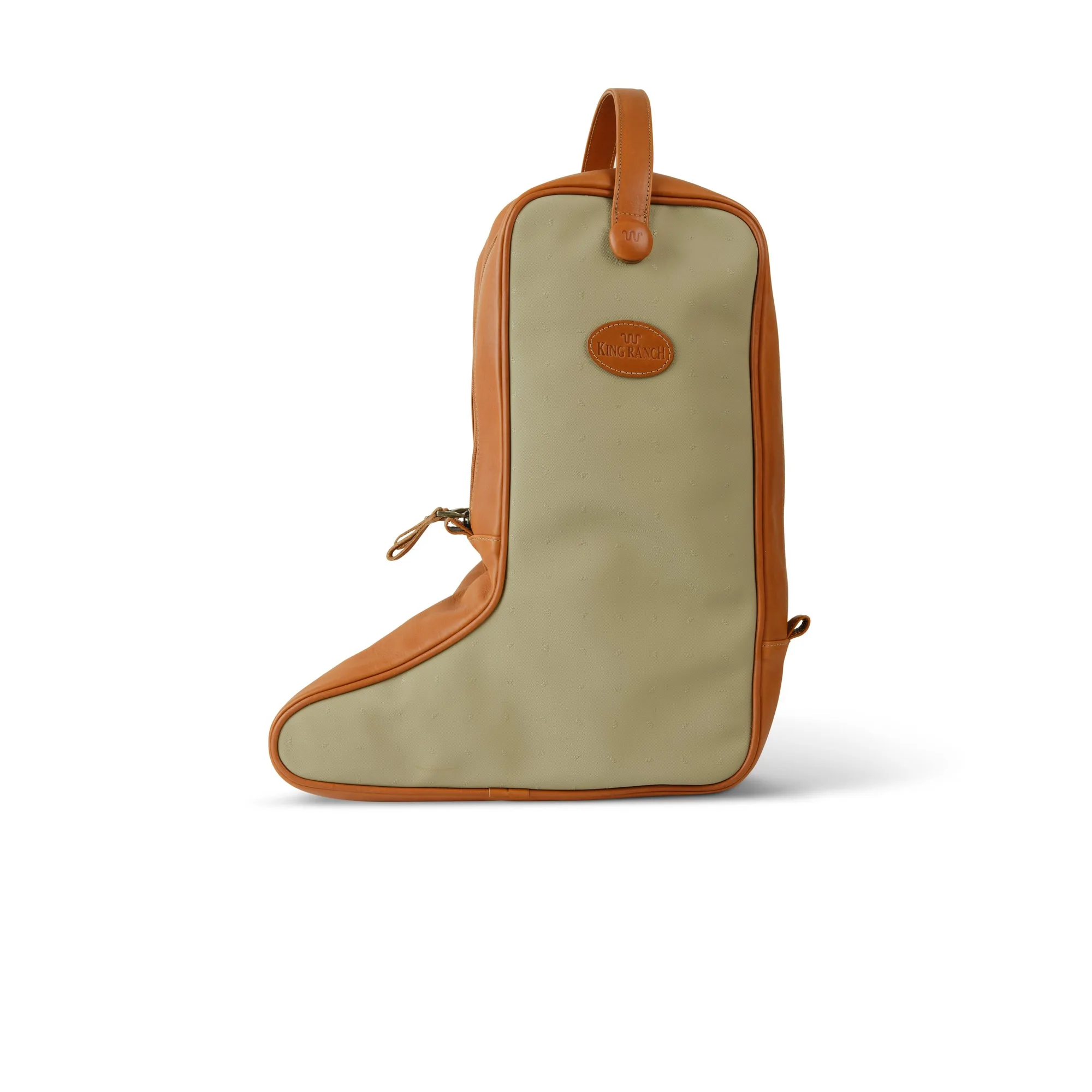
- Armstrong Boot Bag: Made from water-resistant Armstrong canvas backed with strong Cordura® fabric and reinforced with Latigo leather trim. This bag helps protect boots from moisture and dirt during transport, reducing the risk of mold growth. It's a practical addition for anyone who wants to keep their leather footwear in top shape.
Mold on leather is a manageable problem if you act quickly and use gentle methods. By keeping your leather goods dry, storing them properly, and conditioning regularly, you can prevent mildew from returning. When in doubt, seek professional help to avoid causing further damage.