Quick answer
Choose the Vortex Solo for ultralight hiking, the Recon RT for field surveillance with range estimation, and the RECCE PRO HD for tactical use with a MRAD milling reticle.
Why weight and size matter for a monocular
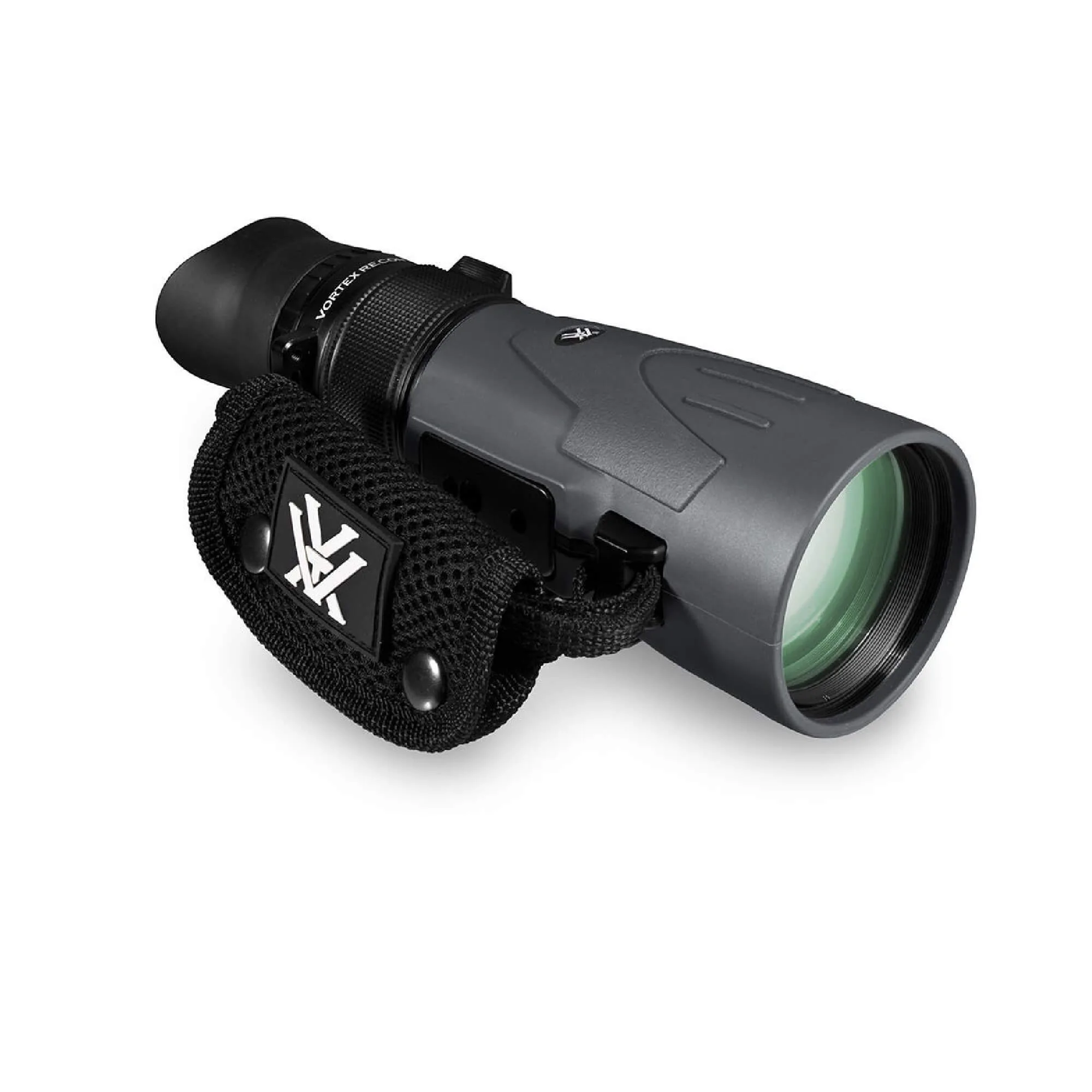
A monocular’s main advantage over binoculars is portability. The Solo weighs as little as 5.6 ounces, making it ideal for backpackers who count every gram. The RECCE PRO HD is still compact at 11 ounces but adds HD glass and a ranging reticle, while the Recon RT is a full-featured spotting scope that clips to a belt for rapid deployment.
Optical quality and reticle trade-offs
If you need to estimate distance or hold over for windage, the RECCE PRO’s MRAD milling reticle and HD glass give you precision that the Solo’s simple crosshair cannot match. The Recon RT uses XD lens elements and phase correction for sharpness at high magnification, but its reticle is designed for field surveillance rather than tactical ranging.
Decision rules: Which Vortex monocular should you buy?
- For ultralight hiking or everyday carry: Choose the Vortex Solo. It weighs as little as 5.6 ounces, is fully multi-coated, and is waterproof and fogproof. It lacks a ranging reticle, but for general nature viewing it’s more than enough.
- For tactical use or precision ranging: Choose the Vortex RECCE PRO HD. Its HD glass and MRAD milling reticle with silhouettes allow you to estimate distance and hold over without a separate rangefinder. It’s heavier than the Solo but still compact at 11 ounces. If you don’t need a reticle, the Solo is lighter and cheaper.
- For field surveillance and long-range observation: Choose the Vortex Recon RT. It functions like a compact spotting scope with XD lens elements and a belt clip for quick deployment. It’s the heaviest and most expensive option, but its optical clarity at high magnification is unmatched in this lineup. If you need a ranging reticle, the RECCE PRO is a better fit.
Product facts at a glance
-
Vortex Optics RECCE PRO HD 8x32 MRAD Reticle Monocular: HD glass with MRAD milling reticle and silhouettes for quick ranging, weighs 11 ounces, waterproof and fog proof. You get military-grade ranging capability in a monocular that handles rain and fog without adding bulk.
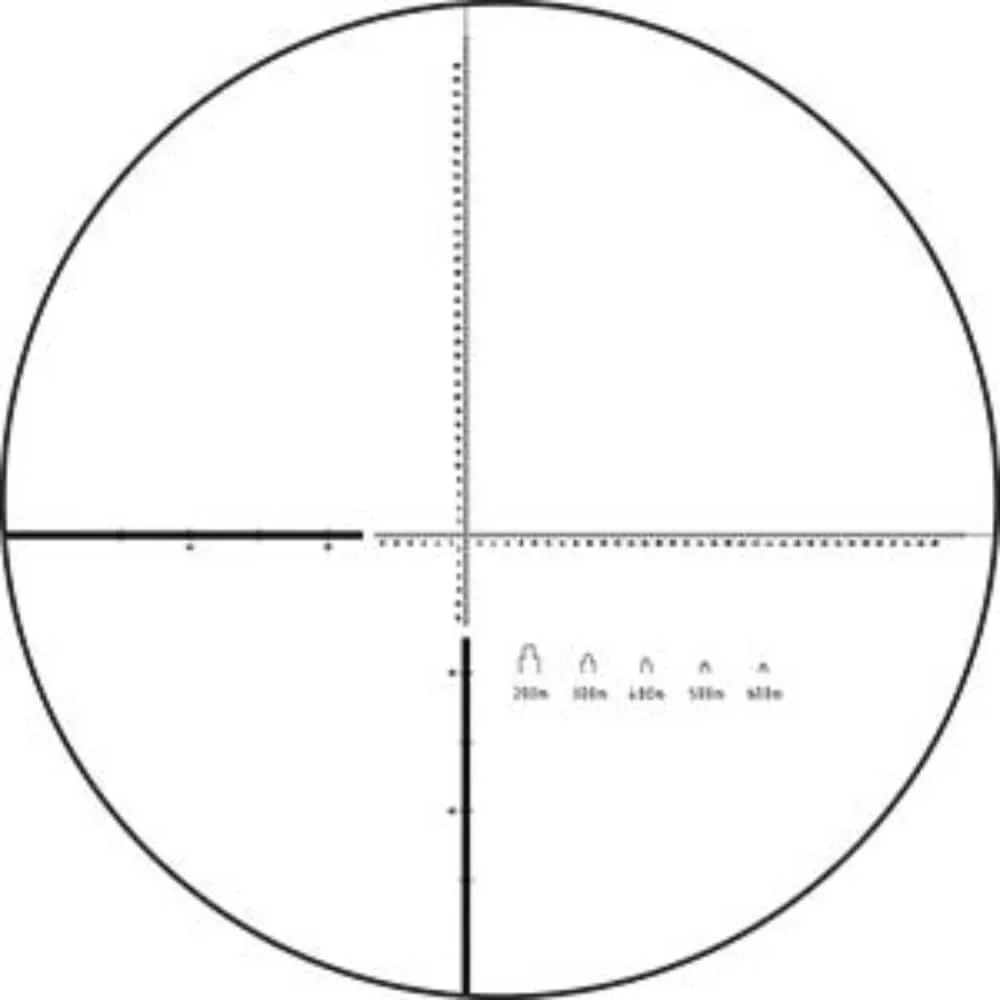
Vortex Optics RECCE PRO HD 8x32 MRAD Reticle Monocular
-
Vortex Optics Solo Monocular: Ultra-compact design weighing between 5.6 and 9.7 ounces, fully multi-coated roof prism, waterproof and fogproof. It’s the lightest option for backpackers who want a reliable monocular that won’t weigh down their pack.
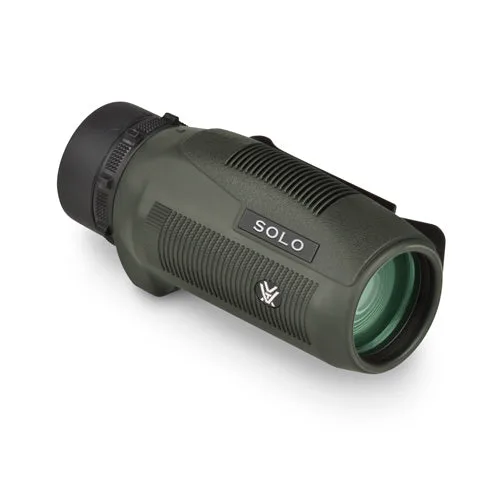
Vortex Optics Solo Monocular
-
Vortex Recon RT-15x50 Monocular: Compact spotting scope with XD lens elements, phase correction roof prism, and a belt clip for rapid deployment. You get spotting-scope clarity in a package that clips to your belt for instant access during surveillance.
Who should buy which monocular?
Best for
- Backpackers and hikers who prioritize light weight: Vortex Solo
- Tactical users who need MRAD ranging: Vortex RECCE PRO HD
- Surveillance or wildlife observers who want spotting-scope clarity: Vortex Recon RT
Not ideal for
- Anyone who needs a ranging reticle in an ultralight package – the Solo lacks a reticle, and the Recon’s reticle is not MRAD-based
- Budget-conscious buyers who want a simple monocular – the RECCE PRO and Recon are significantly more expensive than the Solo