Quick answer
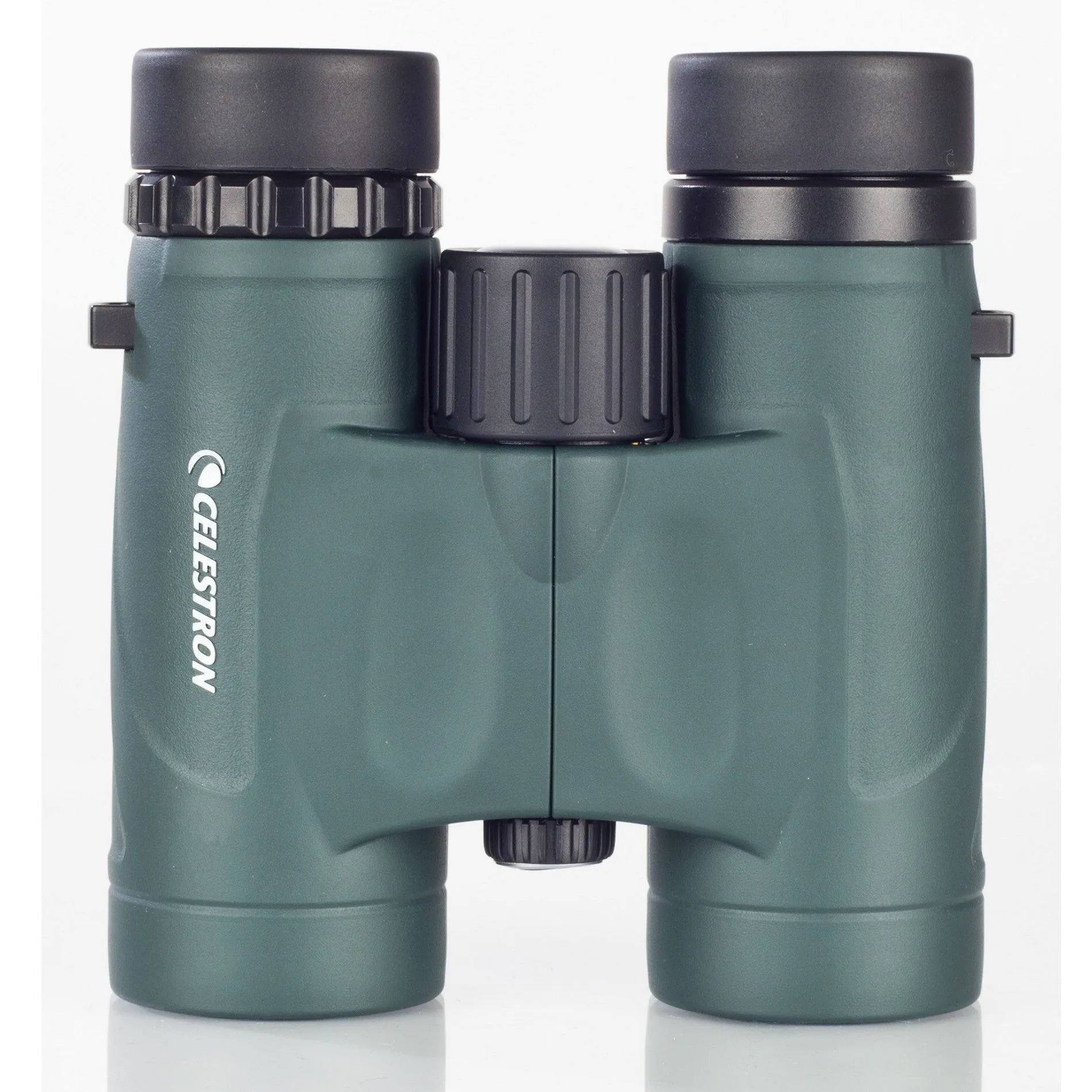
For most stargazing and general outdoor viewing, binoculars are the better buy because two eyes working together show more detail and depth than one. Choose a monocular only if you need maximum portability, prefer one-handed use, or want to share a single view without adjusting two eyepieces. If you are shopping on a budget, a solid pair like the Celestron Nature DX 10x32 gives you the binocular advantage without a huge outlay.
How the two designs change what you see
Binoculars split the light into two tubes, one for each eye. Your brain merges those two images into a single view with more apparent brightness and depth than a single tube of the same aperture. That is why binoculars feel more natural for scanning the night sky, watching wildlife, or following a game. A monocular sends all the light through one path to one eye. It can still show a sharp, bright image, but you lose the two-eyed comfort and the subtle depth cues that make faint objects easier to pick out.
The practical difference shows up most when you observe for more than a few minutes. With binoculars, both eyes stay relaxed and you can hold the view longer before fatigue sets in. With a monocular, your open eye does all the work while the other eye is closed or covered, which many people find tiring after a while. If you plan to look at the Moon, star clusters, or distant birds for extended sessions, that comfort gap matters.
Field of view and magnification: what actually changes
Field of view is the width of the scene you see at a given distance. Binoculars and monoculars with the same magnification and objective size often have similar fields of view, but the binocular view feels wider because both eyes are engaged. A monocular can feel more tunnel-like, especially at higher magnifications. If you want to sweep across the sky or track a moving animal, binoculars usually make that easier.
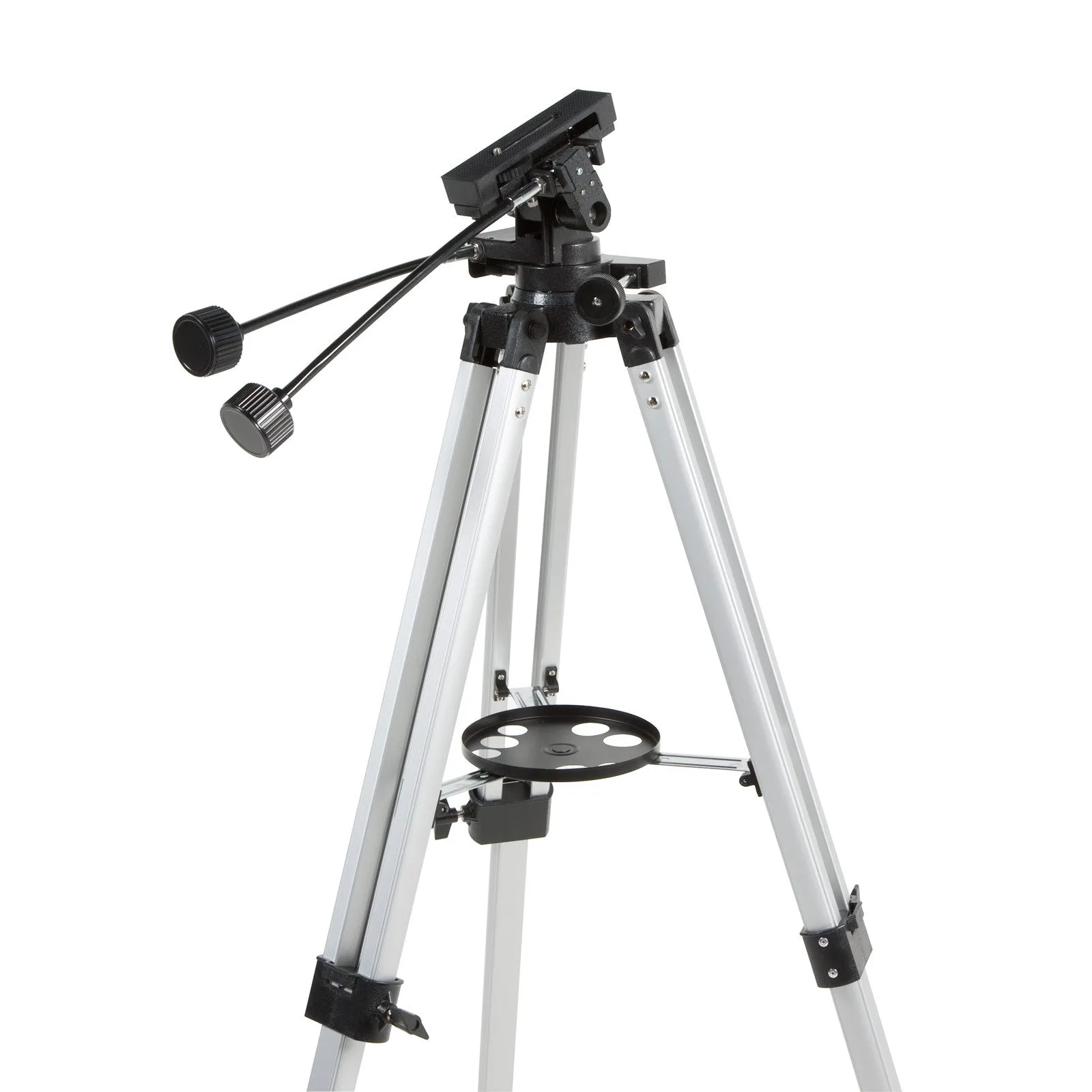
Magnification works the same way in both designs: a 10x optic makes things look ten times closer. Higher magnification narrows the field of view and amplifies hand shake. That is true whether you use one tube or two. A monocular can be steadier in one hand than a pair of binoculars, but it still benefits from a support when you push past about 10x. The Celestron Alt-Azimuth Heavy Duty Tripod is a practical example of a support that works with binoculars and spotting scopes, and it shows why a steady platform is often the real upgrade rather than switching between monocular and binoculars.
Portability, sharing, and everyday carry
A monocular wins on pure packability. It takes up roughly half the space and weight of a comparable binocular, so it disappears into a jacket pocket or a small daypack. That makes it a strong choice for hiking, travel, concerts, or any trip where every ounce counts. You also get one-handed operation, which is handy when you are holding a trekking pole, a camera, or a child's hand.
Binoculars are harder to beat when two people want to look at the same thing. You hand them over, the next person adjusts the interpupillary distance and focus, and the view is shared. A monocular forces each person to refocus and reposition, and the single-eye view is less intuitive for casual users. If you often observe with family or friends, that social factor alone can decide the purchase.
Where accessories fit into the decision
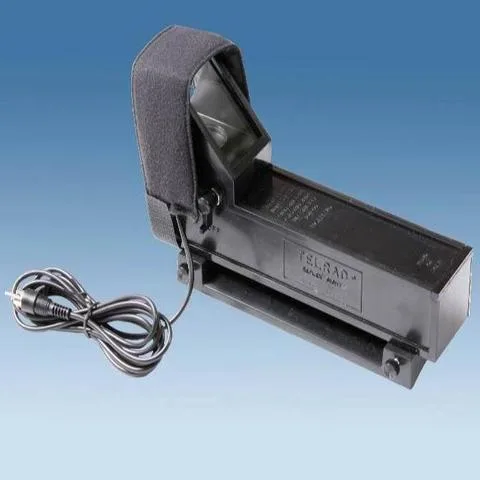
Whichever design you pick, a few accessories can change how often you actually use it. A tripod adapter lets you mount binoculars or a monocular on a stable head for long looks at the Moon or planets. Dew is another equal-opportunity problem: both designs fog up when the temperature drops and humidity rises. A dew heater band, such as the AstroZap Dew Heater for Telrad, is designed to keep a specific finder clear, and it illustrates the kind of targeted accessory that solves a recurring issue rather than adding bulk.
If your interest leans toward imaging rather than visual observing, a motorized mount like the iOptron iPANO AllView Pro Camera Mount is built for smooth pan and tilt motion to capture panoramas. That is a different path from handheld optics, but it is worth knowing that the monocular-versus-binocular choice is really about visual convenience, not about which tool can eventually be automated.
Trade-offs at a glance
- Two-eyed viewing vs one-eyed viewing: Binoculars let both eyes work together, which improves apparent brightness and depth and reduces fatigue during long sessions. A monocular forces one eye to do all the work, which many people find tiring after a few minutes. Choose binoculars if comfort during extended viewing is a priority.
- Packability vs sharing: A monocular is smaller, lighter, and easier to use one-handed, so it fits travel and hiking better. Binoculars are easier to hand to a friend because the view is more intuitive and requires less refocusing. Choose a monocular for solo portability; choose binoculars if you often observe with others.
- Field of view feel: At the same magnification and objective size, the binocular view feels wider and more immersive. A monocular can feel narrower and more tunnel-like, especially as magnification increases. If sweeping the sky or tracking motion matters, binoculars usually feel more natural.
- Support and accessories: Both designs benefit from a tripod for steady high-magnification views, and both are vulnerable to dew. A monocular does not eliminate the need for a stable platform or dew protection. Budget for a tripod or dew heater if you observe in humid conditions or at higher powers.
Products that show the trade-offs in practice
- Celestron Nature DX 10x32 Binoculars - 71331: Celestron Nature DX 10x32 binoculars use fully multi-coated optics and BaK-4 prisms, and the series is designed for beginning to intermediate users. This is a concrete example of an affordable binocular that delivers the two-eyed comfort and brightness advantage, so you can compare it directly against a monocular of similar price.
- Celestron Alt-Azimuth Heavy Duty Tripod for Binoculars and Spotting Scopes - 93607: The Celestron Alt-Azimuth Heavy Duty Tripod has extendable aluminum legs, a heavy-duty mount head, a sliding 1/4-inch x 20 mounting screw, and flexible slow-motion cables for altitude and azimuth. It shows that a steady platform is available for binoculars and spotting scopes, which helps you decide whether to spend on a monocular or simply stabilize the binoculars you already own.
- AstroZap Dew Heater for Telrad - AZ-721: The AstroZap Dew Heater Band for Telrad generates heat evenly across its length and attaches with velcro, with a soft side that avoids marring the telescope finish. Dew affects both monoculars and binoculars, so this is a reminder that accessory planning matters regardless of which optic you choose.
Which one should you buy?
Choose this if
- You want the most comfortable and immersive view for stargazing, birding, or sports.
- You often share the view with a friend or family member.
- You prefer the natural feel of two-eyed viewing and plan to observe for more than a few minutes at a time.
Skip this if
- You need the absolute smallest and lightest optic for backpacking or travel.
- You frequently use one hand for other tasks while viewing.
- You only need a quick, casual look and do not want to adjust two eyepieces.