Quick Answer
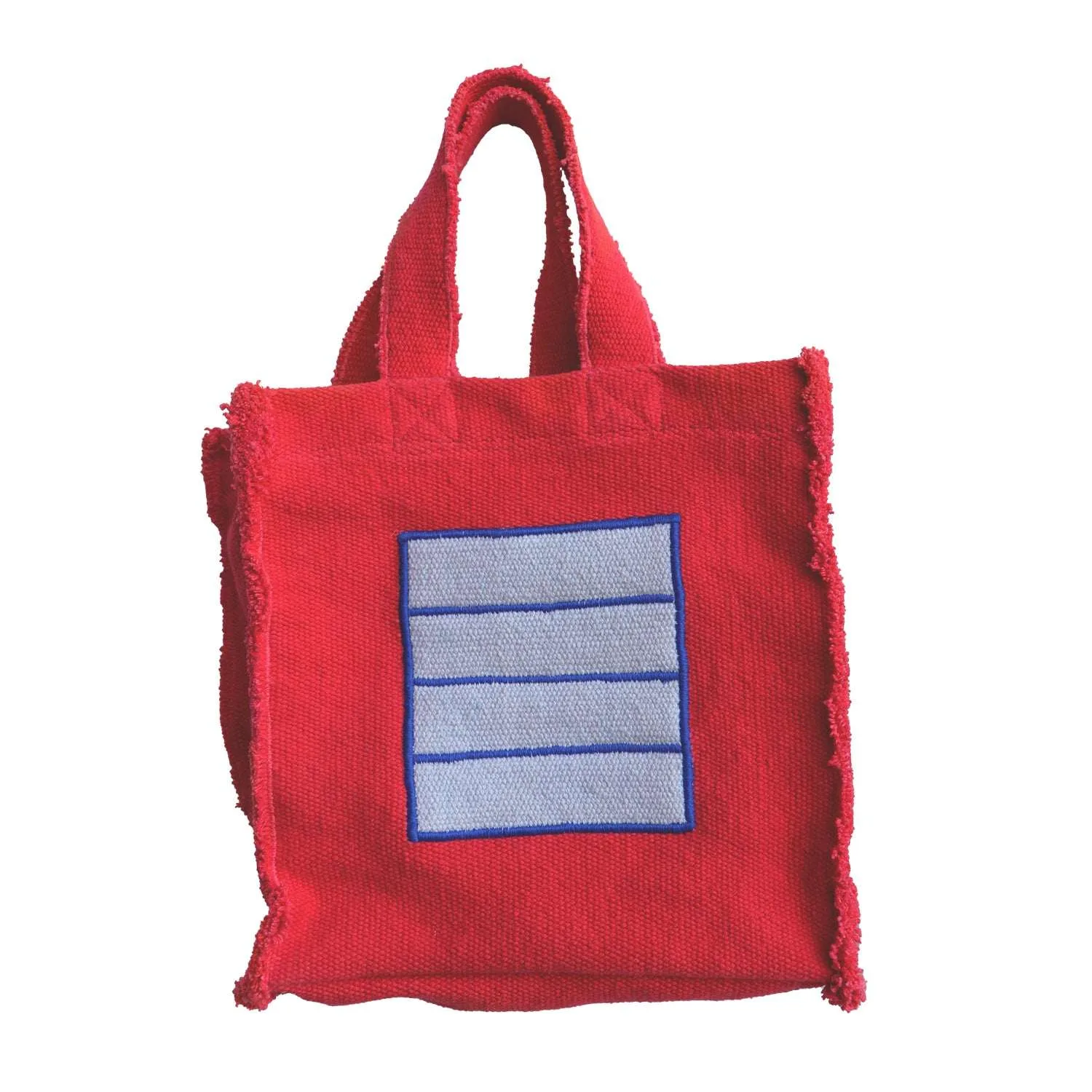
Use the Montessori Market Mini Shopping Bag to set up a toddler-friendly grocery game that builds language, sorting, and social skills through pretend play.
Why Pretend Play Matters for Toddlers
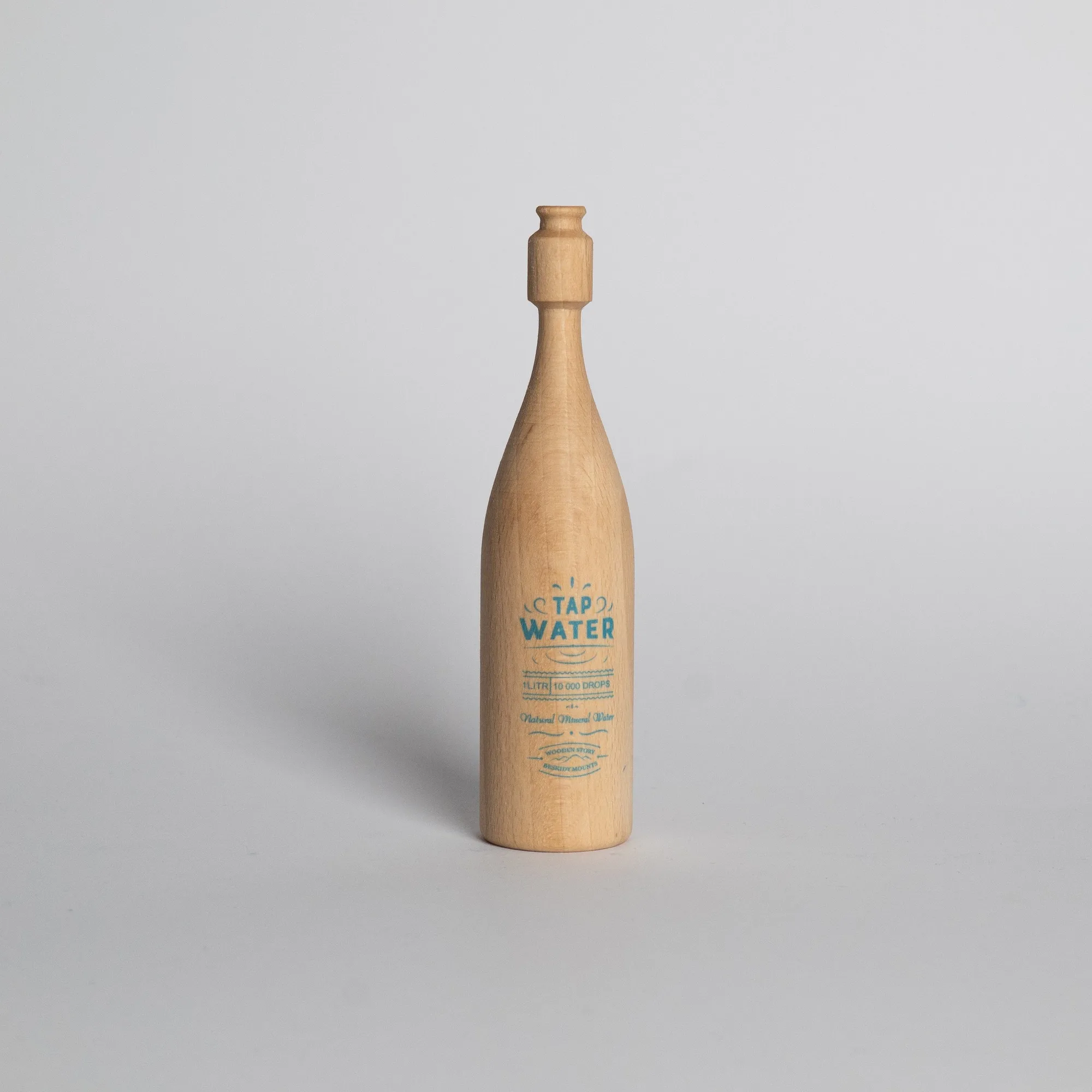
Pretend play is more than fun—it's a powerful way for toddlers to make sense of the world. When children imitate grocery shopping, they practice vocabulary, sequencing, and problem-solving. The Montessori Market Mini Shopping Bag fits this perfectly because it's sized for small hands and pairs with wooden play food, encouraging realistic role play.
Unlike plastic alternatives, a wooden shopping bag toy offers durability and a natural feel that invites open-ended play. It also supports Montessori principles by promoting independence—children can pack, carry, and unpack their groceries without adult help.
Trade-Off: Realistic vs. Open-Ended Play
While the Mini Shopping Bag is designed for grocery-themed play, it's not limited to that. Some parents worry that a specific theme might restrict creativity. In practice, the bag can be used for picnics, library visits, or even as a treasure hunt bag. The key is to let your child lead the play.
If you're looking for a purely open-ended toy, a plain basket might work, but the shopping bag adds context that helps younger toddlers understand the activity. It's a trade-off between guided play and free exploration.
5-Step Pretend Play Activity
- Set Up a Mini Grocery Store: Arrange wooden play food items on a low shelf or table. Place the Mini Shopping Bag nearby. Let your child choose items and place them in the bag, mimicking a real shopping trip. Checkpoint: Ensure all items are within reach to promote independence.
- Create a Shopping List: Draw simple pictures of the food items on a piece of paper. Hand the list to your child and ask them to find each item. This builds memory and matching skills. Checkpoint: Keep the list short (3-4 items) to avoid frustration.
- Role-Play the Checkout: Set up a pretend checkout with a toy cash register or a simple box. Have your child 'pay' for the items and pack them into the bag. This introduces basic math and social interaction. Checkpoint: Use pretend money or tokens to keep it simple.
- Switch Roles: Let your child be the shopkeeper and you be the customer. This encourages language development as they describe items and prices. Follow their lead to keep the play enjoyable. Checkpoint: Let the child set the rules to boost confidence.
- Talk About the Experience: After play, ask questions like 'What did you buy?' or 'What will you make for dinner?' This extends the learning and helps your child reflect on their actions. Checkpoint: Use open-ended questions to spark conversation.
Product Fact
-
montessori market - mini shopping bag: The Montessori Market Mini Shopping Bag is a beautifully crafted accessory designed for imaginative grocery play. Its design encourages realistic role play, helping toddlers connect pretend actions to real-life routines.

montessori market - mini shopping bag