Quick Answer
Start with a simple, safe Montessori stacking toy and let your baby explore freely—guide gently, not forcefully.
Why Montessori Stacking Rings Work
Montessori stacking rings are more than a classic toy—they support natural development by letting babies experiment with size, order, and cause and effect. Unlike rigid puzzles, these toys allow open-ended play, which encourages problem-solving and creativity.
The key is to choose a toy that is safe and simple. Look for rings that are smooth, made from natural materials, and free from small parts that could be a choking hazard. Wooden options, like those finished with beeswax and botanical oils, are gentle on little hands and safe if chewed.
Trade-Offs to Consider
While Montessori stacking rings are excellent for development, they do require supervision. Babies may try to mouth the pieces, so ensure the toy is clean and durable. Also, some stackers have a central stick that can be a hazard if the baby falls onto it—always supervise play.
Another trade-off is that open-ended toys may not hold attention as long as electronic or flashy toys. But the focused, hands-on engagement is exactly what supports fine motor skills and concentration.
How to Introduce Stacking Rings: Step-by-Step
- Choose the Right Toy: Select a stacking toy with a sturdy base and rings that are easy for small hands to grasp. Avoid toys with sharp edges or small detachable parts. Check that the toy is age-appropriate and free from choking hazards.
- Set Up a Safe Play Area: Place the toy on a flat, soft surface like a play mat. Ensure there are no other toys or distractions nearby. Supervise play to prevent the toy from being used inappropriately.
- Demonstrate Slowly: Show your baby how to stack one ring at a time, narrating what you do. Use simple words like 'up' and 'down'. Avoid overwhelming your baby with too many rings at once.
- Encourage Independent Play: Let your baby try stacking on their own, even if they don't get it right. Praise effort, not just success. Resist the urge to correct—exploration is the learning.
- Rotate and Extend Play: Once your baby masters basic stacking, introduce variations like sorting by color or size, or building different shapes. Keep the activity fresh to maintain interest and challenge.
Product Facts
-
Stacking toy Stick Fig No.04: Various blocks, differing in shape, size, and thickness, are stacked onto a stick, allowing countless figures and endless combinations. This variety encourages creative problem-solving and fine motor skill development as your baby experiments with different configurations.
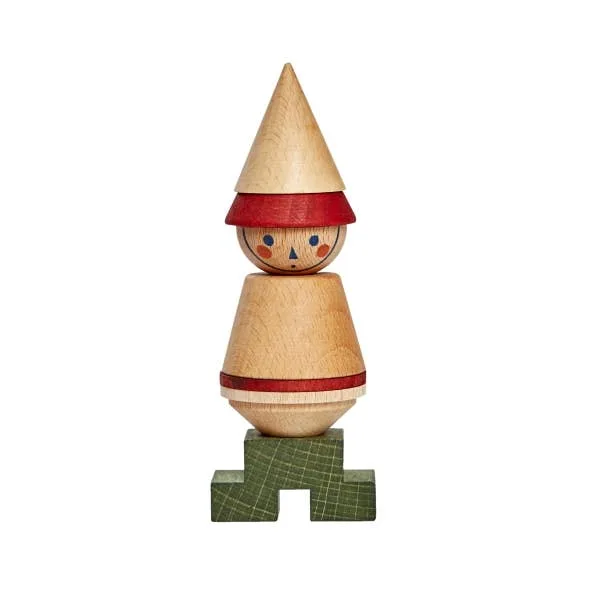
Stacking toy Stick Fig No.04
-
Natural Square Pyramid - Montessori Stacker: Squares can be stacked from top to bottom or bottom to top, and the toy is finished with beeswax and botanical oils for safety. The flexible stacking options promote spatial reasoning, while the natural finish is safe for teething babies.
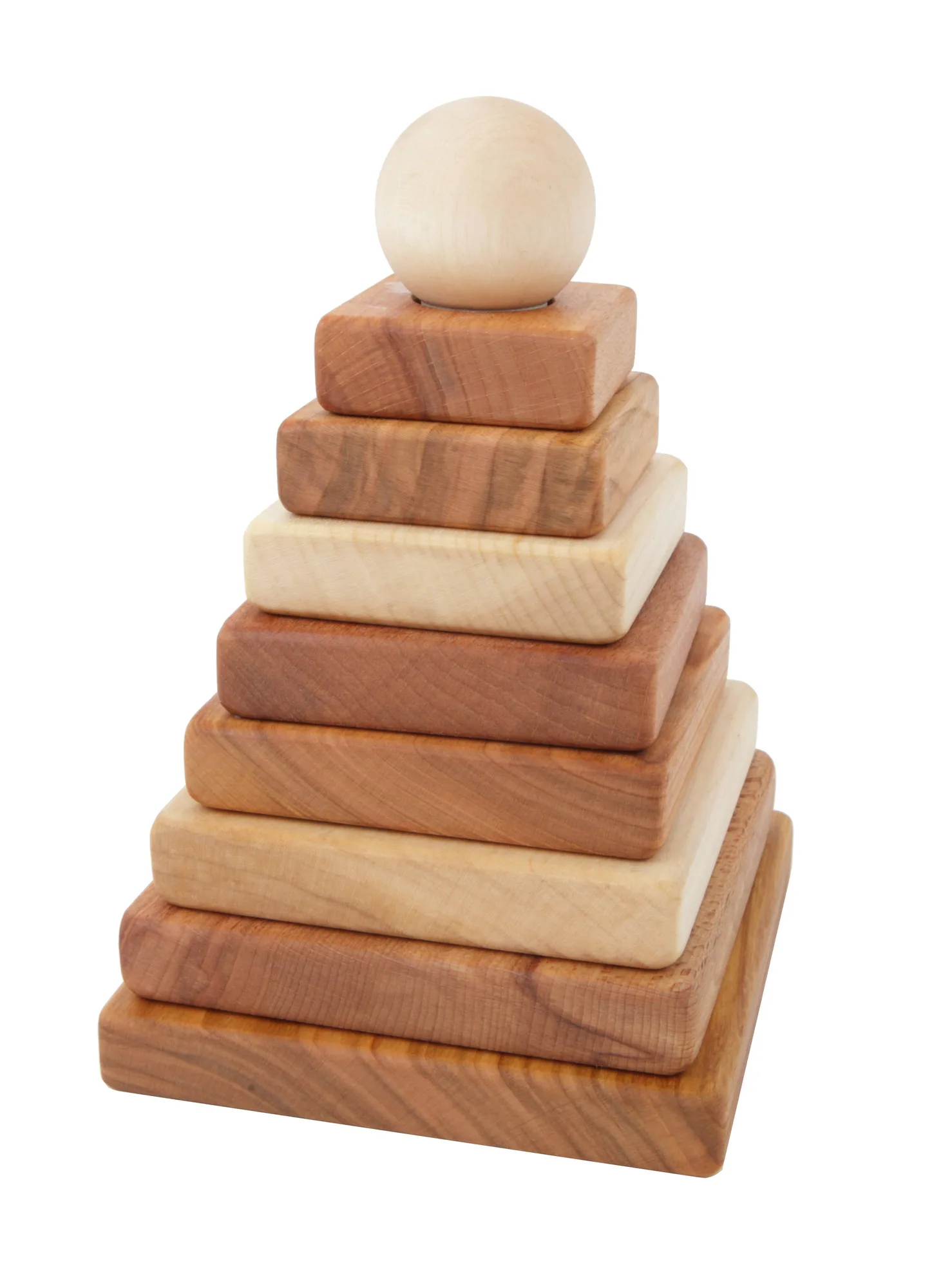
Natural Square Pyramid - Montessori Stacker
-
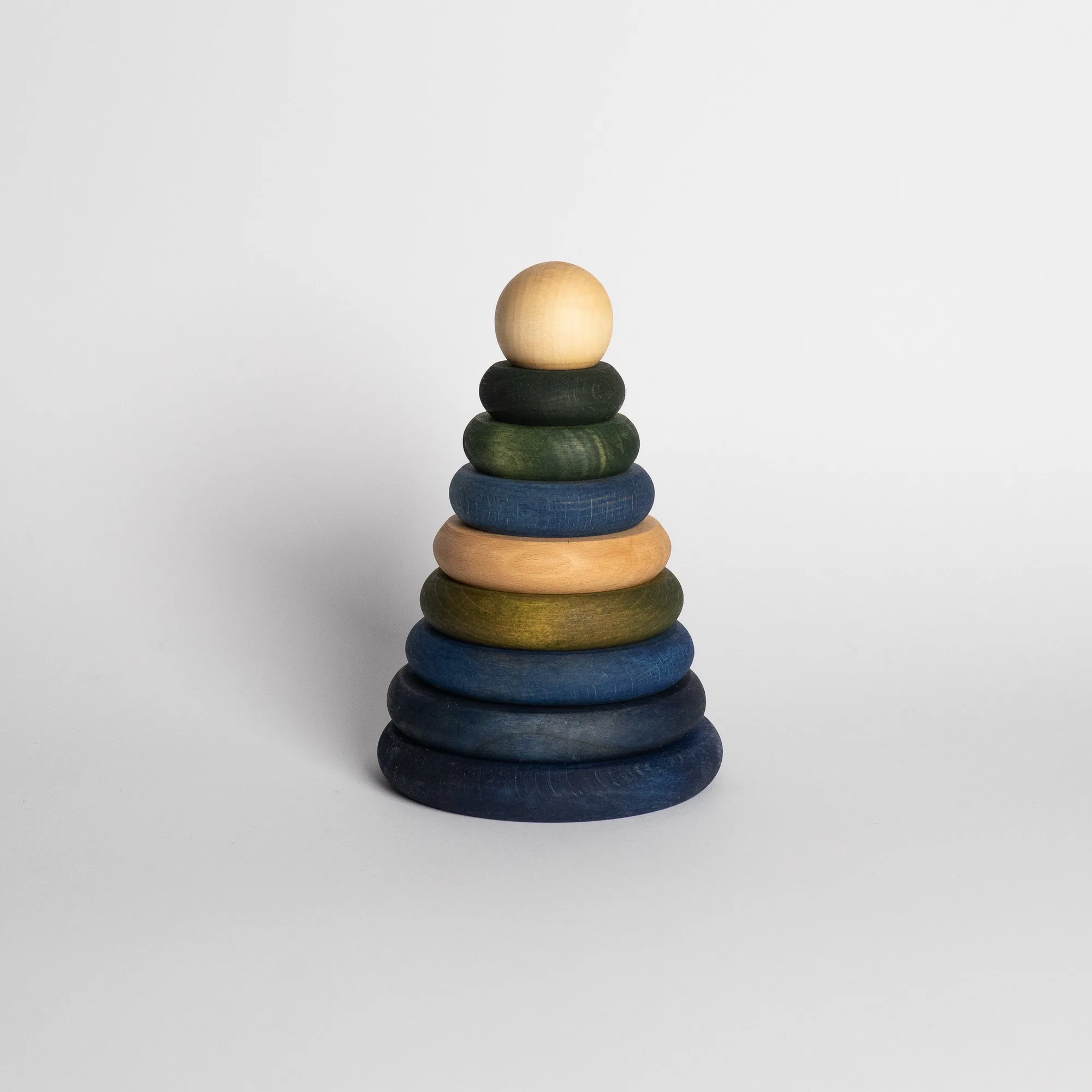
Cold Round Pyramid - Montessori Stacker: Perfectly round rings can be mixed, matched, and combined, with delightful colors from various kinds of wood. The round shape and varied colors stimulate sensory play and help babies learn about size and order.