If your child’s playroom looks like a toy store exploded, you’re not alone. Many parents struggle with the overwhelm of too many toys, which often leads to short attention spans and messy spaces. A Montessori toy rotation system offers a simple, effective solution: by limiting the number of available toys and rotating them regularly, you can boost your child’s engagement, encourage deeper play, and keep your home organized.
In this guide, we’ll walk you through the steps to create a toy rotation system that works for your family. From selecting the right storage to choosing the best rotation schedule, you’ll learn how to maximize your child’s learning and playtime while minimizing clutter. We’ll also highlight some essential Montessori-friendly products from Sprout Kids that can make the process easier and more beautiful.
Why Toy Rotation Works in a Montessori Home
The Montessori philosophy emphasizes independence, concentration, and respect for the child’s environment. When a child is faced with too many choices, it can lead to decision fatigue and scattered play. Toy rotation solves this by offering a curated selection of toys that align with your child’s current interests and developmental stage. This approach not only reduces clutter but also keeps toys feeling fresh and exciting.
Research shows that children engage more deeply with fewer toys. A classic study found that toddlers played more creatively and for longer periods when they had fewer options. By rotating toys, you also give each item a longer lifespan—your child will rediscover old favorites as if they were new. This method is especially effective in Montessori homes, where the environment is designed to foster focus and order.
- Limits overwhelm and promotes concentration
- Encourages creativity and deeper play
- Extends the life and interest of toys
- Supports the Montessori principle of a prepared environment
Step 1: Declutter and Categorize Your Toys
Before you can rotate, you need to know what you have. Start by gathering all toys from every corner of your home. Sort them into categories: building toys, pretend play, puzzles, art supplies, books, and so on. Then, be honest about what your child actually uses. Donate or store away toys that are broken, outgrown, or rarely touched.
Once you’ve decluttered, group toys by theme or skill. For example, you might have a set of wooden blocks, a few puzzles, and a stacking toy. Each group will become one “rotation set.” Aim for 6–12 toys per set, depending on your child’s age and the size of your space. Younger children typically need fewer options, while older kids can handle a bit more variety.
- Sort toys into categories (building, pretend, art, etc.)
- Remove broken or outgrown items
- Create rotation sets of 6–12 toys each
- Store extra sets out of sight (e.g., in a closet or under the bed)
Step 2: Choose the Right Montessori Storage
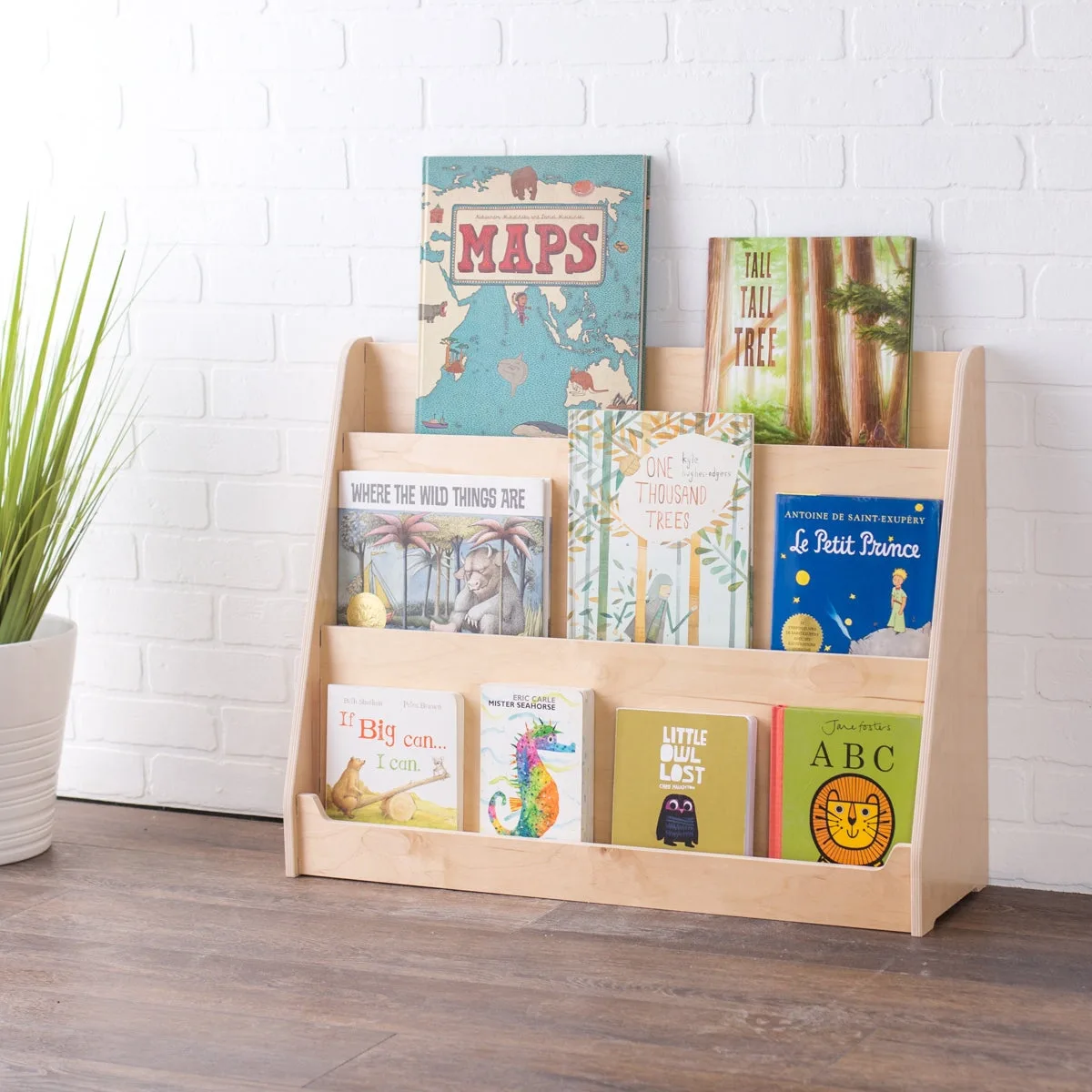
Montessori storage should be low, open, and accessible so your child can independently choose and return toys. Avoid bulky bins with lids—they make it hard for kids to see and reach items. Instead, opt for open shelving like the Lexico Book Display Shelf, which allows you to display toys at eye level. The Lexico Book Display Shelf is perfect for rotating picture books and small toys, with its angled shelves that make items easy to grab.
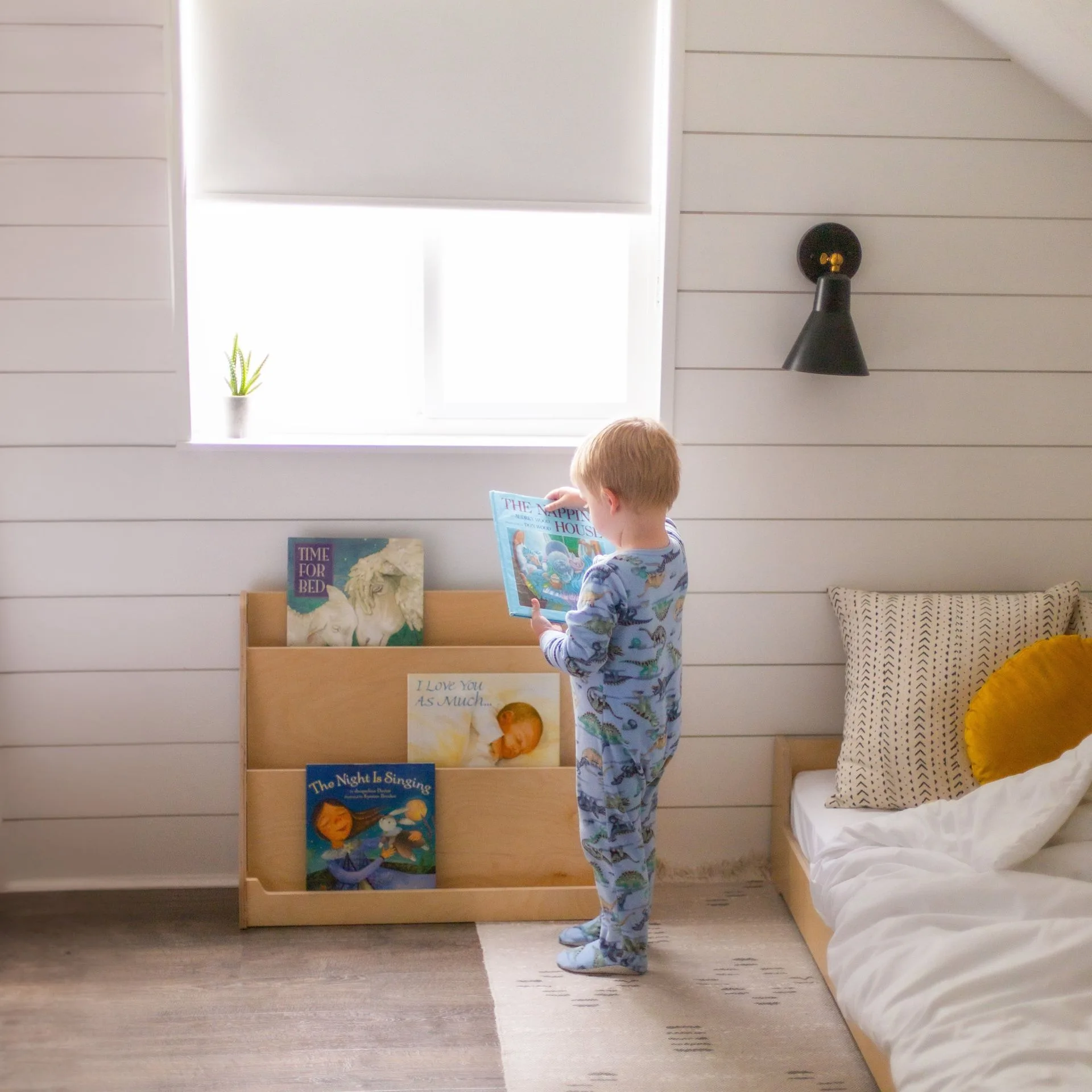
Lexico Book Display Shelf
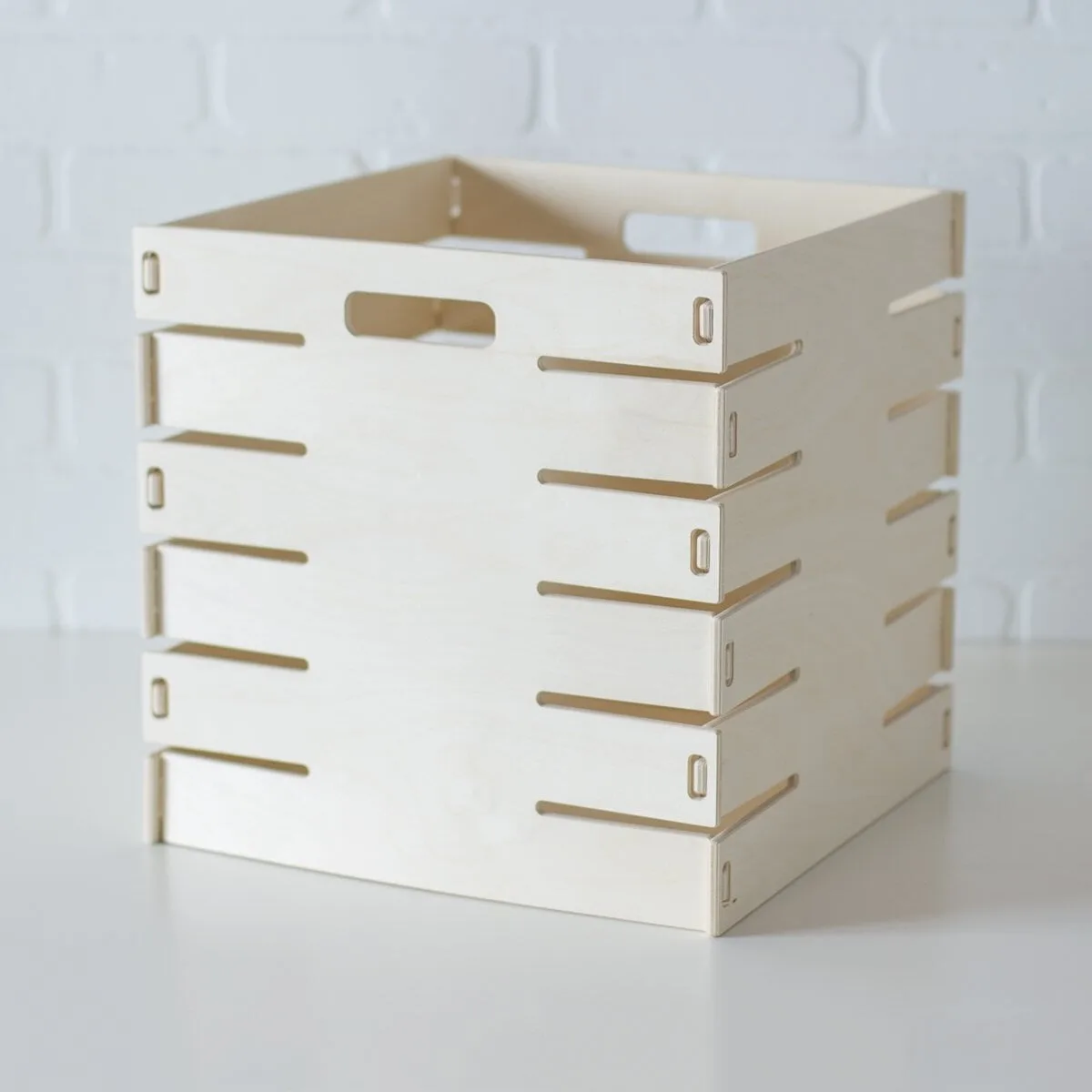
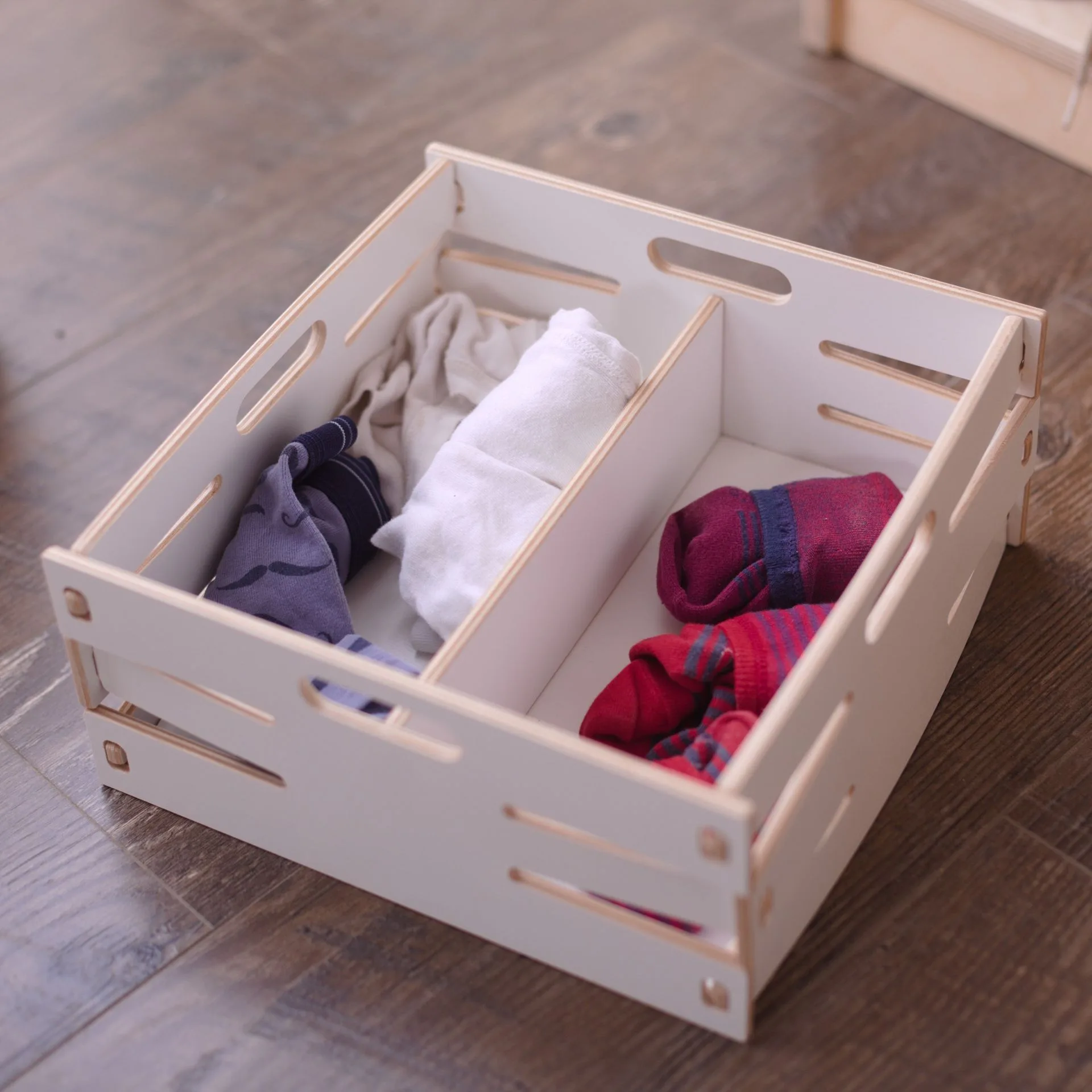
For smaller items like blocks, art supplies, or loose parts, use baskets that are easy to carry. The Wovewood Baskets are a great choice—they’re sturdy, lightweight, and beautifully woven from sustainable materials. You can use them to organize puzzle pieces, craft supplies, or even as a catch-all for a rotation set. Place them on shelves or a low table so your child can access them without help.
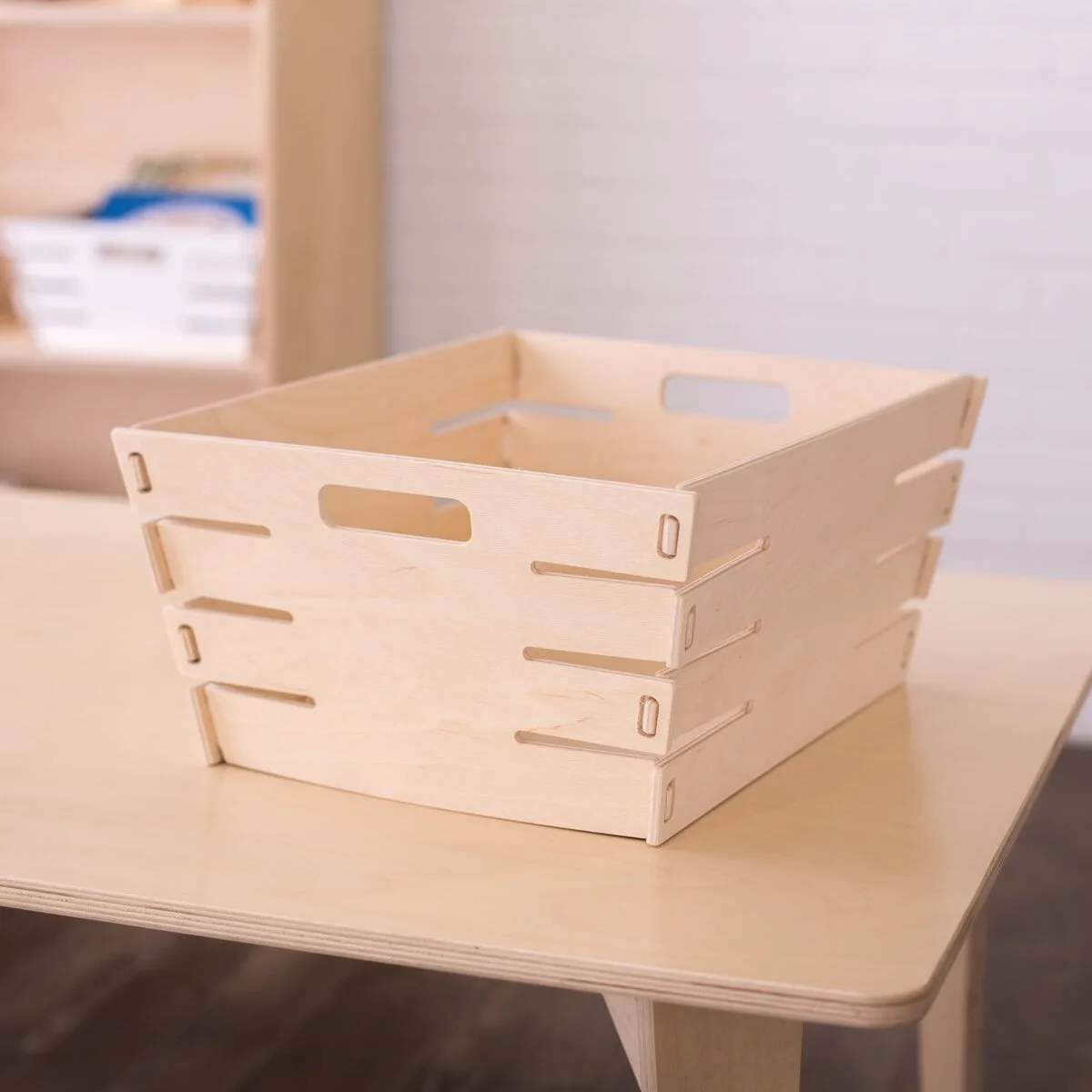
Wovewood Baskets
- Use low, open shelving to promote independence
- Display toys at eye level for easy selection
- Choose baskets that are lightweight and child-friendly
- Consider the Lexico Book Display Shelf for books and small toys
Step 3: Set a Rotation Schedule That Works for You
There’s no one-size-fits-all schedule for toy rotation. Some families rotate every week, others every two weeks, and some monthly. The key is to observe your child’s interest. If they stop playing with a set, it’s time to swap. A good rule of thumb is to rotate when you notice boredom or when toys are being ignored.
You can also align rotations with seasons, holidays, or your child’s current interests. For example, if your child is into dinosaurs, include dinosaur-themed toys in one set. Keep a simple log or calendar to track which sets have been used and when it’s time to swap. Over time, you’ll develop a rhythm that feels natural.
- Start with weekly or bi-weekly rotations
- Observe your child’s engagement and adjust
- Theme sets around interests or seasons
- Keep a simple rotation log to stay organized
Step 4: Involve Your Child in the Process
Montessori is all about empowering the child. Involve your little one in the rotation process. Let them help choose which toys to put out and which to store away. This teaches decision-making, responsibility, and respect for belongings. You can even make it a fun ritual—like a “toy swap day” where you both get excited about the new set.
When your child participates, they’re more likely to take ownership of the playroom. Show them how to return toys to their designated spots. Use clear labels or pictures on baskets so even non-readers can help. This not only builds life skills but also makes the rotation system more sustainable.
- Let your child choose which toys to rotate in
- Make it a fun weekly or monthly ritual
- Teach them to return toys to their place
- Use picture labels for younger children
Step 5: Rotate Books and Learning Materials Too
Don’t limit your rotation to just toys—books and learning materials benefit from the same approach. A child who sees the same books every day may lose interest. By rotating a selection of books on a display shelf, you keep reading fresh and exciting. The Lexico Book Display Shelf is ideal for this, as it shows book covers face-out, inviting your child to pick one.
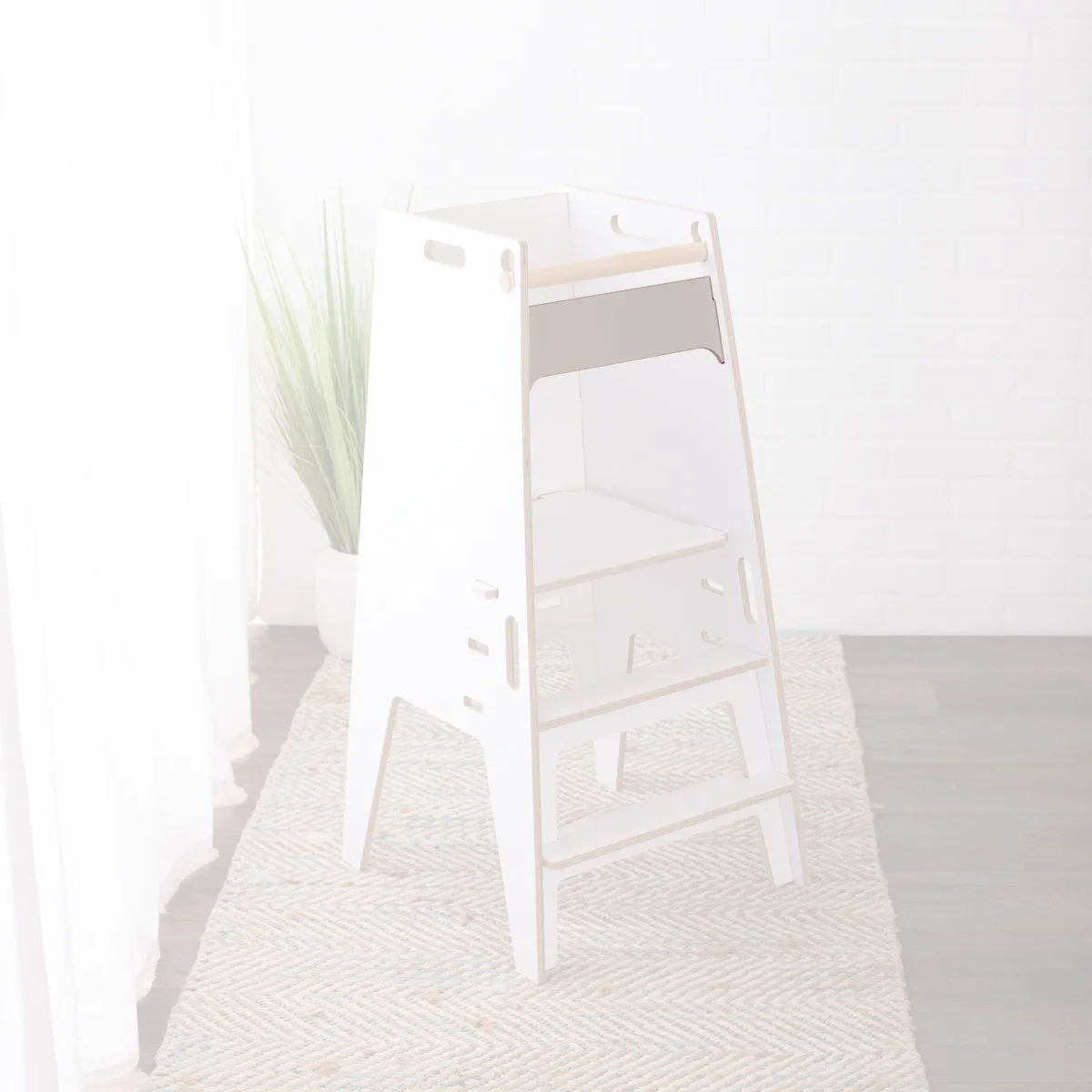
You can also rotate art supplies, puzzles, and Montessori materials like the Stacking Chair or the Sous-Chef Toddler Tower for practical life activities. The Stacking Chair is a versatile piece that can be used for seating or as a climbing toy, and it’s easy to store when not in use. Rotating these items ensures your child always has something new to explore.
- Rotate books alongside toys for variety
- Display book covers face-out to spark interest
- Include practical life tools like the Sous-Chef Toddler Tower
- Keep art supplies in a rotation to prevent waste
A Montessori toy rotation system is a game-changer for any family looking to reduce clutter, boost engagement, and foster independence. By starting small, choosing the right storage like the Lexico Book Display Shelf and Wovewood Baskets, and involving your child, you can create a play environment that evolves with their interests. Ready to get started? Explore the Lexico Book Display Shelf to display your child’s favorite books and toys beautifully.