Quick Answer
If you wear contacts occasionally or prioritize convenience and eye health, daily disposables are your best bet. If you wear them every day and want to save money, monthly colored contacts offer a cost-effective option—just remember to clean and store them properly.
Choosing between monthly and daily disposable colored contacts comes down to how often you wear them, your budget, and how much care you're willing to invest. Both options can give you a stunning look, but they serve different lifestyles.
This guide breaks down the trade-offs so you can make an informed choice—without the sales pitch.
Understanding Replacement Schedules
Daily disposable colored contacts are designed for single use. You wear them for a day, then toss them out. This eliminates the need for cleaning solutions and cases, making them a hassle-free option for occasional wearers or those with busy schedules. Daily lenses also reduce the risk of protein buildup and infections since you start fresh every day.
Monthly colored contacts, on the other hand, are meant to be worn for up to a month before replacement. They require nightly cleaning and proper storage in a contact lens case. While they demand more upkeep, they often offer better value for frequent wearers—you buy fewer boxes per year and each lens lasts longer.
- Daily lenses: no cleaning, no case, just throw away after use.
- Monthly lenses: must be cleaned and disinfected after each wear.
Cost Comparison: Monthly vs. Daily
Price is a major factor. Monthly colored contacts typically cost more per box upfront but can be cheaper per day if you wear them regularly. For example, a 10-pack of daily lenses might cost around $13.50, while a 30-pack of monthly lenses could be $29.00—that's about $1.35 per day for dailies versus roughly $0.97 per day for monthlies (if you wear them every day).
However, monthly lenses require additional purchases: cleaning solution, a lens case, and possibly protein remover tablets. These add to the overall cost. If you only wear colored contacts a few times a week, daily disposables might actually be more economical because you're not paying for supplies and you're not wasting lenses that expire.
- Calculate your annual cost: daily lenses × wears per year vs. monthly lenses + solution + case.
- Consider your actual wear frequency—daily lenses can be cheaper for occasional use.
Comfort and Eye Health Considerations
Daily disposables are often recommended by eye care professionals for people with sensitive eyes or allergies. Since you use a fresh lens each time, there's less chance of protein deposits or debris irritating your eyes. They're also a great choice for those who forget to clean their lenses—no guilt, no risk.
Monthly colored contacts can be just as comfortable if you maintain them properly. Look for high water content materials, like the 55% water content in Molak Dazzle Beige, which can feel comfortable throughout the day. However, if you're prone to dry eyes, daily lenses might be better because they don't have time to accumulate deposits that can reduce comfort.
- If you have allergies or dry eyes, daily disposables are often the safer bet.
- Always follow your eye doctor's advice on replacement schedules.
Lifestyle and Convenience
Daily colored contacts are perfect for special occasions, travel, or sports. You can pack a few pairs without carrying solution or a case. They're also ideal for people who don't want the hassle of nightly cleaning routines. Just pop them in and out—simplicity at its best.
Monthly lenses suit those who wear contacts daily and have a consistent routine. Once you get into the habit of cleaning and storing them, it becomes second nature. Plus, you can build a collection of different colors without breaking the bank, since each pair lasts longer.
- Daily lenses: grab-and-go convenience for spontaneous wear.
- Monthly lenses: better for daily wearers who don't mind maintenance.
Trade-Offs at a Glance
- Convenience: Daily disposables win hands-down: no cleaning, no case, no fuss. Monthly lenses demand a nightly routine. If you value simplicity, choose daily.
- Cost per wear: Monthly lenses can be cheaper per day if worn consistently, but add solution and case costs. Daily lenses are cost-effective for occasional wear. Calculate your annual cost to decide.
- Eye health: Daily lenses reduce infection risk and are better for sensitive eyes. Monthly lenses are safe if cleaned properly. When in doubt, prioritize eye health.
Real Product Examples
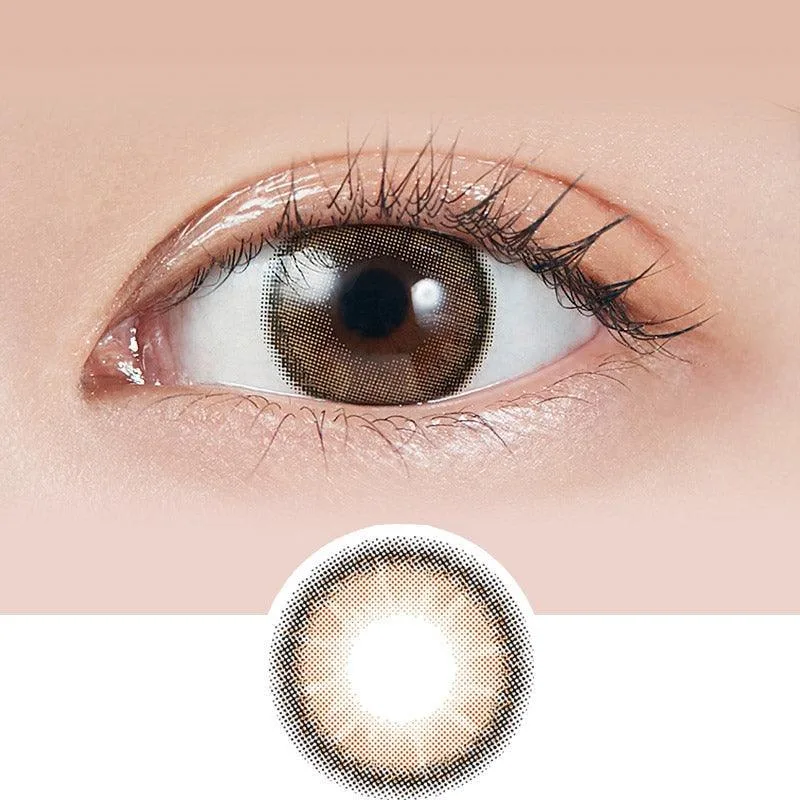
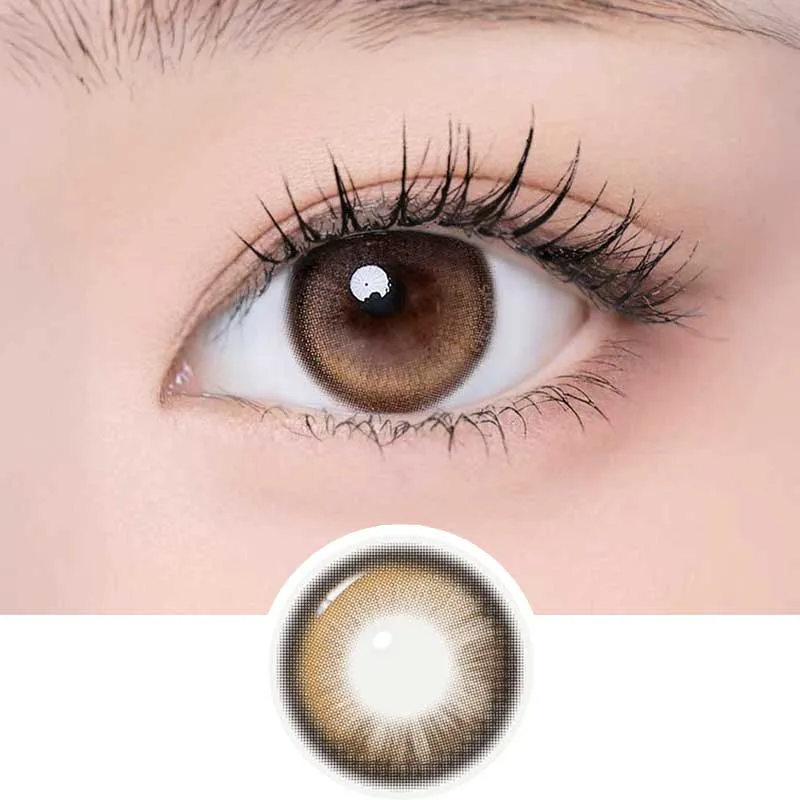
- Molak Dazzle Beige (10pk): Molak 55% water contact color contacts are the ultimate in flexibility and comfort! You may even prefer their feel to the sensation of bare eyes. Two-tone colors and well-designed prints offer superior blendability! Circle lenses create definition that draws the eye of all who gaze into yours. This daily disposable offers high water content for comfort, making it a great choice for all-day wear without the need for cleaning.
- Bausch & Lomb Lacelle Dazzle Ring Shimmering Black (30pk): Bausch & Lomb LACELLE Dazzle Ring contact lenses are everything circle lens lovers have dreamed about: a larger diameter, thicker limbal ring, everyday-wearable colors, fuss-free disposable format, all with the superior comfort and quality from a trusted brand. This monthly lens provides a bold look with a reliable brand, but requires proper care to maintain comfort over the month.
Which Should You Choose?
Best for
- Occasional wearers who want colored contacts for events or weekends
- People with busy lifestyles who prefer no-maintenance options
- Those with sensitive eyes or allergies
Not for
- Daily wearers on a tight budget who can maintain a cleaning routine
- Anyone who wants to stock up on multiple colors without spending too much
Ultimately, the choice between monthly and daily disposable colored contacts depends on your personal habits and priorities. Daily disposables offer unmatched convenience and eye health benefits, while monthly lenses can be more economical for frequent wearers. Whichever you pick, always follow your eye care professional's advice and adhere to the recommended replacement schedule.