Quick Answer
Moringa is a whole-food leaf powder that supplies a broad but modest spread of vitamins and minerals, while a multivitamin delivers standardized, label-declared amounts of specific nutrients. If you eat a varied diet and want a plant-based add-on, moringa can help; if you have a known gap such as vitamin D, calcium, or magnesium, a targeted supplement covers it more reliably. Many people use moringa for general plant nutrition and a multivitamin for the nutrients their diet consistently misses.
What Each One Actually Delivers
Moringa powder comes from dried Moringa oleifera leaves. It naturally contains vitamin A, vitamin C, calcium, iron, and some B vitamins, but the amounts vary by harvest, leaf age, and processing. That variability is the main limitation: a scoop of moringa is food, not a standardized dose, so you cannot count on it to hit a specific milligram target. Moringa capsules usually hold less powder per serving than a scoop of loose powder, so check the label for the actual grams per capsule before assuming a capsule equals a powder serving.
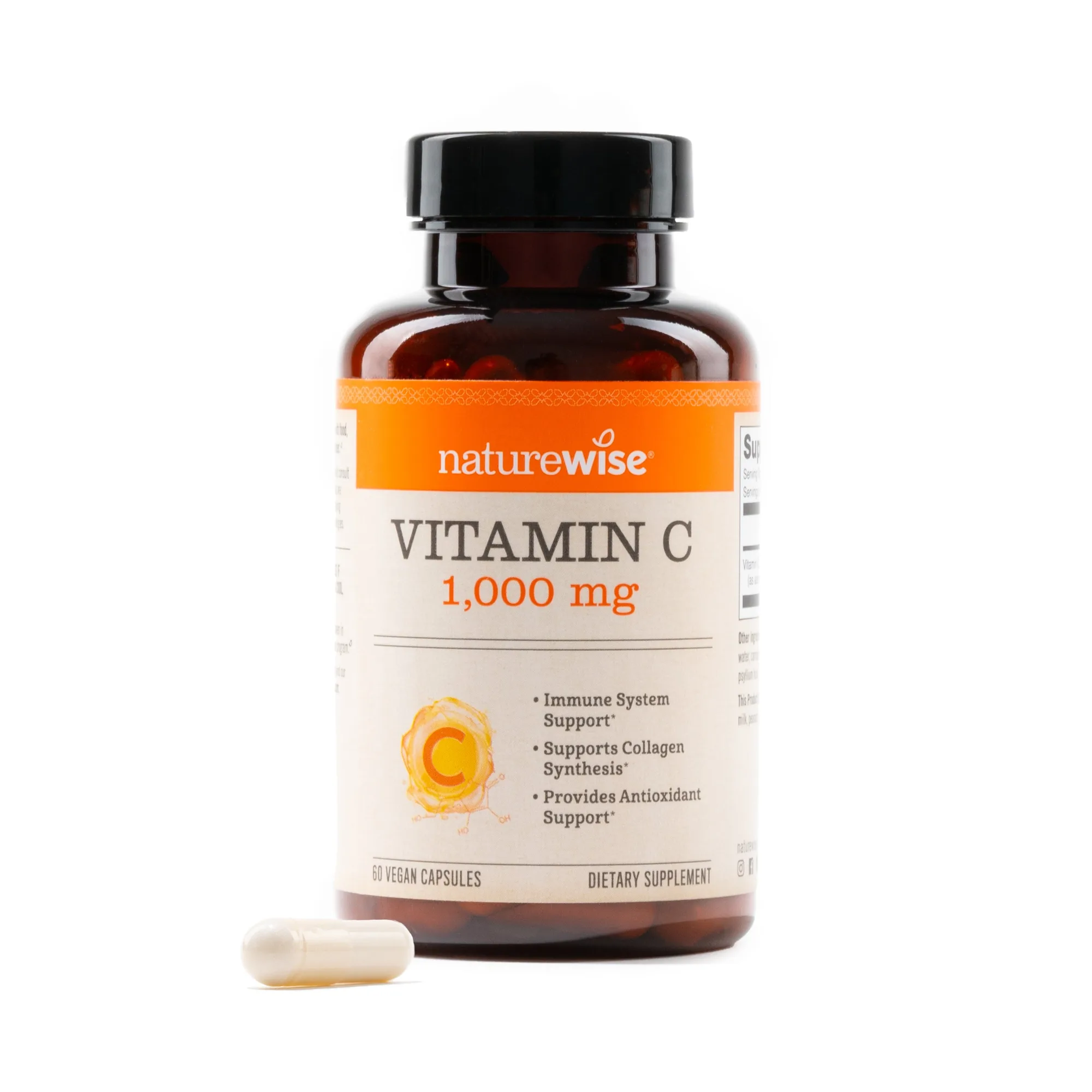
vitamin C
A multivitamin is the opposite approach. It is formulated to deliver declared amounts of vitamins and minerals, often with minerals like calcium and magnesium included in meaningful quantities. That standardization is why multivitamins are easier to use when you are trying to close a specific gap, such as vitamin D for immune and bone support or magnesium for relaxation and sleep. The trade-off is that a multivitamin is not a whole food, and some formulas use synthetic forms of vitamins that your body handles differently than food-based forms.
Where Moringa Falls Short and Where It Shines
Moringa is not a reliable source of vitamin D, vitamin B12, or omega-3s, and its calcium and magnesium content, while present, is not concentrated enough to match a dedicated supplement. If your diet is low in leafy greens, moringa can add a plant-based source of vitamin A and iron, but it will not replace a targeted calcium or vitamin D product. Moringa powder also has a strong grassy taste, which is why some people prefer capsules for consistency.
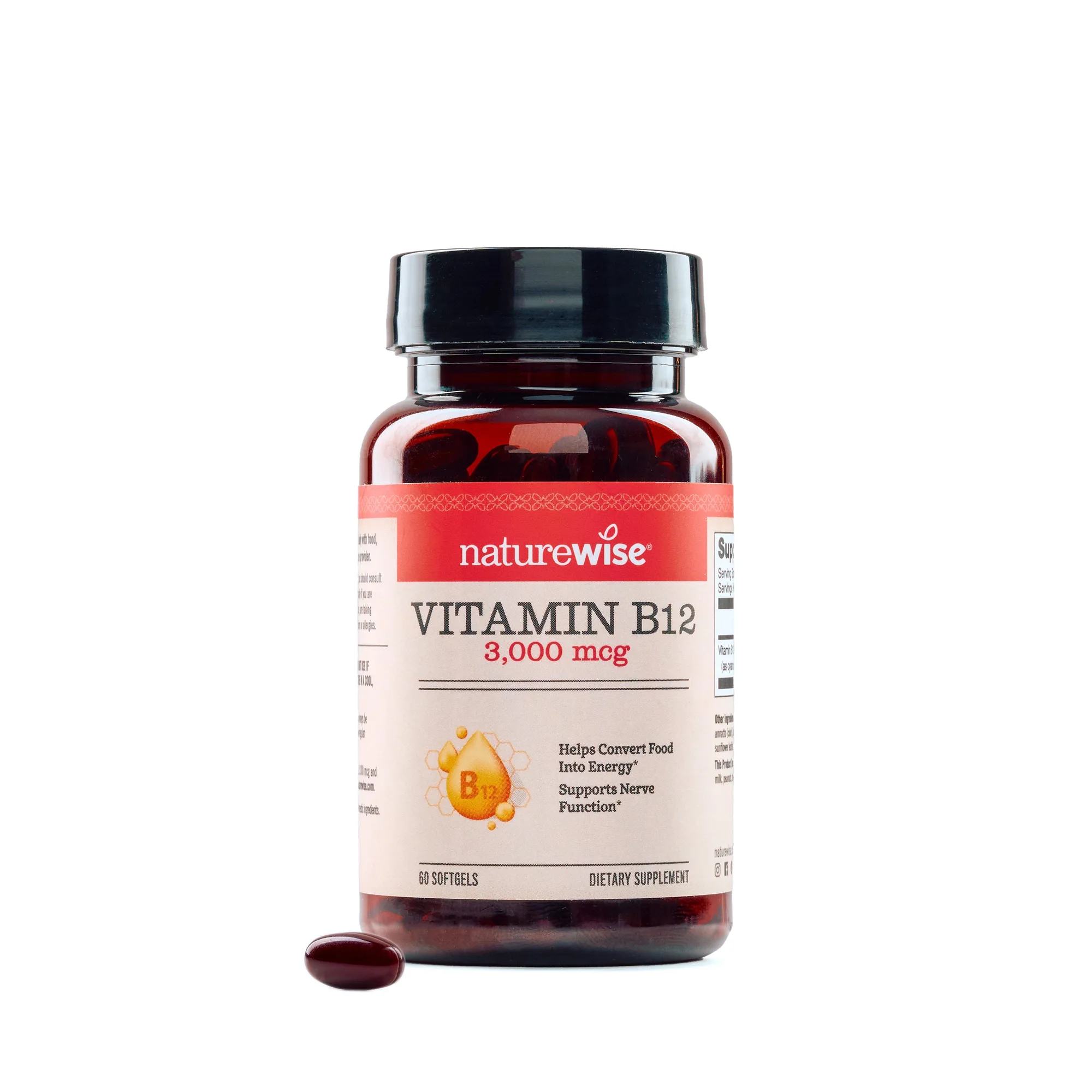
vitamin B12
Moringa shines as a whole-food addition. It fits vegan and vegetarian diets, adds antioxidants, and can be stirred into smoothies or soups. If you already eat well and just want more plant diversity, moringa is a reasonable choice. If you are treating a diagnosed deficiency or a known dietary gap, moringa alone is unlikely to be enough.
How to Read a Multivitamin Label for Gaps
Start with the nutrients you are most likely to miss. Vitamin D is hard to get from food, calcium is low in dairy-free diets, and magnesium is often under-consumed. A multivitamin that includes these in meaningful amounts is more useful than one that only lists them as trace ingredients. Look for the form: magnesium glycinate is gentler on the stomach than magnesium oxide, and vitamin D3 is the form your body uses most efficiently.
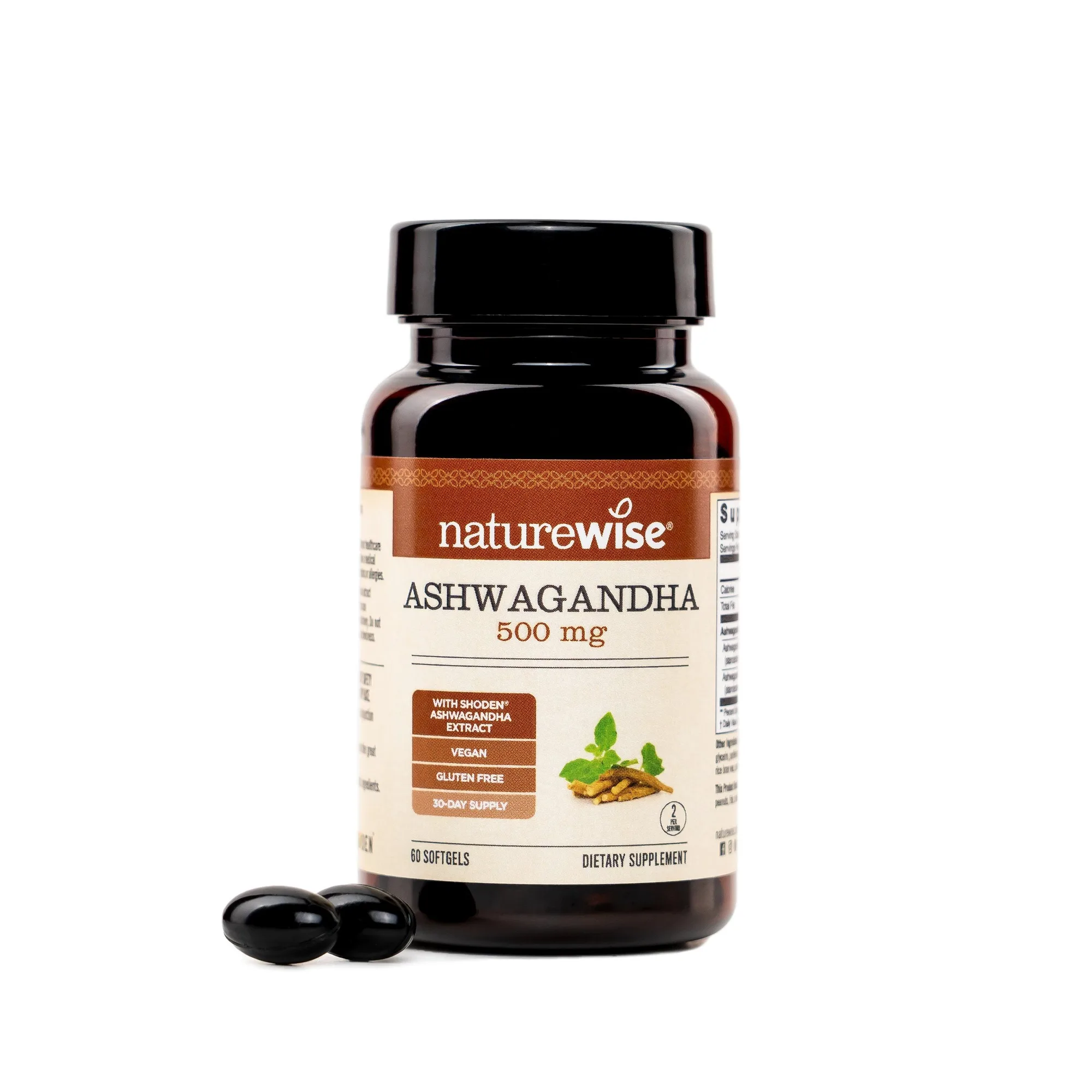
Also check the serving size. Some formulas require two capsules or tablets per day, and taking half the serving means you get half the nutrients. If you want a single daily dose, choose a product that delivers the full amount in one serving. For men, a formula with stress-support ingredients like ashwagandha can address a different gap, but it is not a replacement for basic vitamin and mineral coverage.
Can You Take Moringa and a Multivitamin Together?
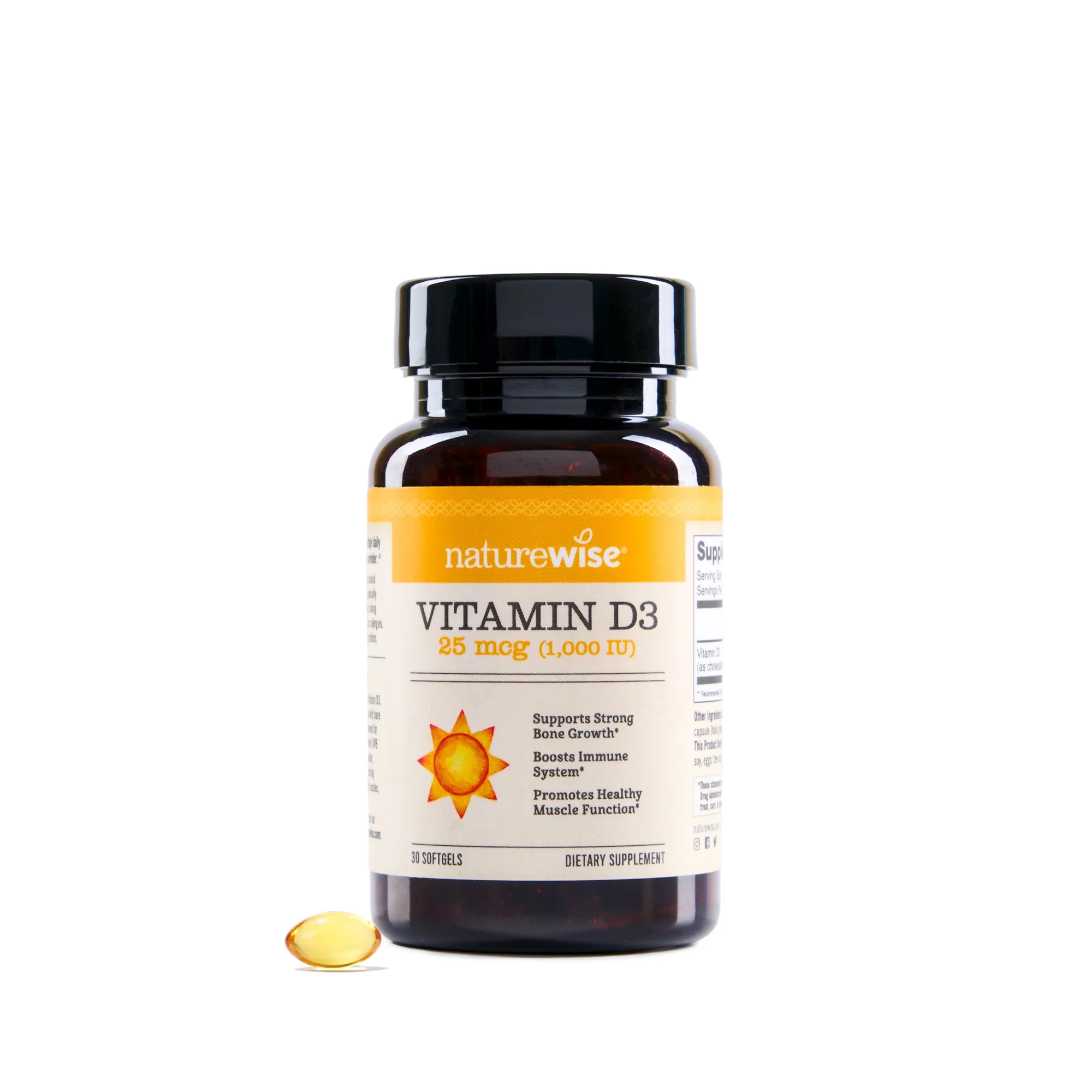
Yes, in most cases. Moringa is a food, so it does not usually push you over the upper limit for vitamins and minerals when combined with a standard multivitamin. The exception is if you take high-dose single nutrients, such as a separate vitamin D or calcium supplement, because those can add up. If you take a multivitamin that already includes calcium and vitamin D, you may not need a separate bone-support product unless your doctor recommends it.
Timing matters more than combination. Some minerals compete for absorption, so if you take a separate calcium and magnesium supplement, splitting them into different meals can help. Moringa can be taken with food at any time. If you are unsure whether your total intake is safe, bring your supplement labels to a healthcare provider.
Trade-Offs at a Glance
- Moringa: whole food vs. variable dose: Moringa is a plant food with naturally occurring vitamins and minerals, but the amounts shift from batch to batch. You get food-based nutrients and antioxidants, but you cannot rely on it for a precise milligram target. Choose moringa if you want a plant-based add-on, not a precise gap-filler.
- Multivitamin: standardized dose vs. less food-like: A multivitamin declares exactly what you get, which makes it easier to close a known gap. The trade-off is that it is not a whole food, and some formulas use synthetic forms that may be less familiar to your body. Choose a multivitamin when you need a consistent, labeled amount of specific nutrients.
- Targeted formulas vs. all-in-one: A broad multivitamin covers many nutrients at lower amounts, while a targeted product like Calcium + Vitamin D3 or Magnesium Glycinate with D3 + K2 delivers a higher dose of a specific nutrient. Taking both can overlap, so check total intake. If you already take a broad multi, add a targeted product only for the gap it does not cover.
Product Facts That Matter for This Comparison
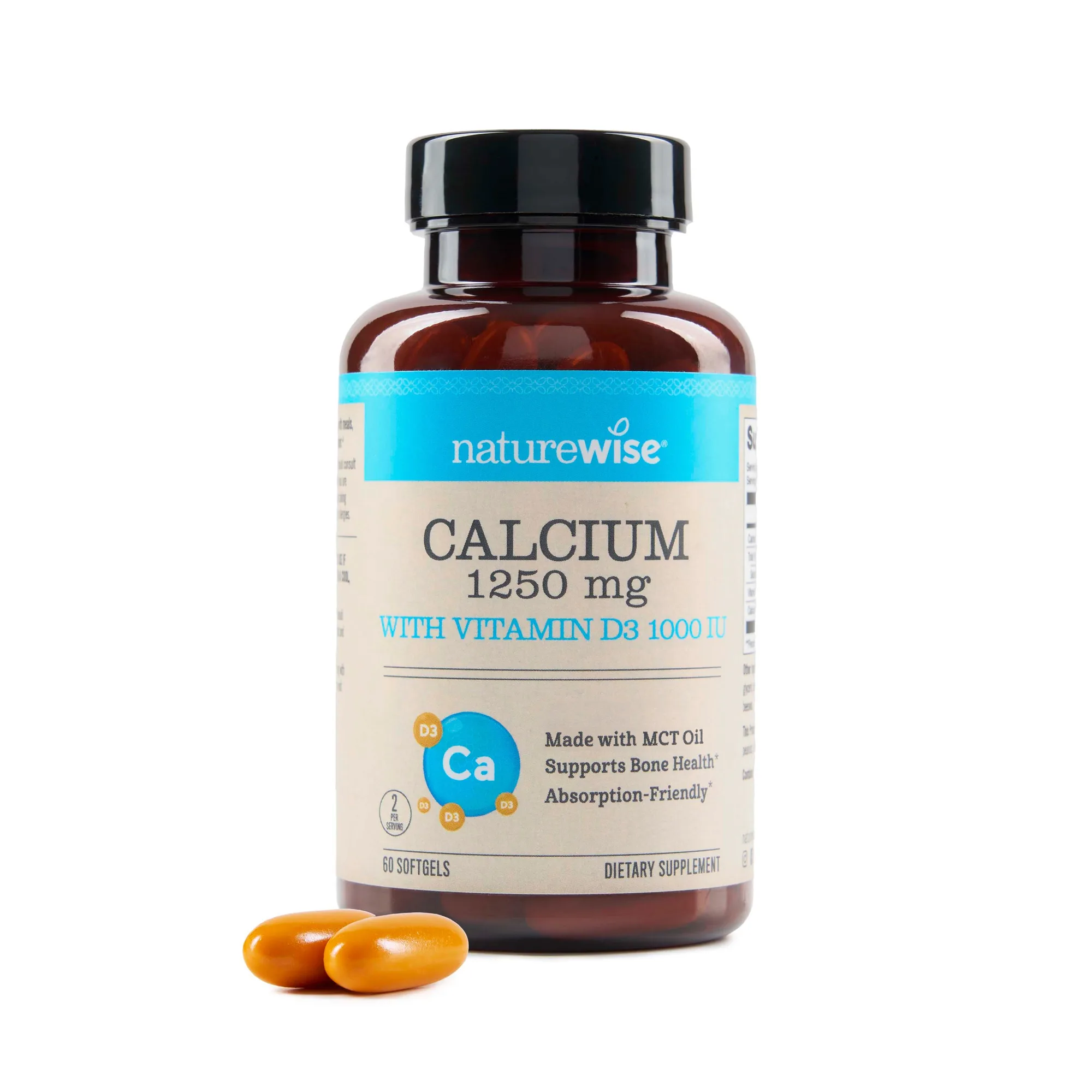
- Calcium + Vitamin D3: 1250 mg of all-natural calcium and 1000 IU of vitamin D3 per serving, with organic MCT oil and pregnancy-safe labeling. This is a targeted bone and immune formula, not a broad multivitamin. It fills the calcium and vitamin D gap that moringa cannot cover reliably.
- Men's Multivitamin with Stress Support: Men's Multivitamin with Stress Support contains Sensoril ashwagandha, 22 vitamins and minerals, and is vegetarian with a serving size of 2 veggie capsules. A broad men's formula that addresses heart, immune, digestive, and stress support. The two-capsule serving means you need to take both to get the full label amounts.
- Magnesium Glycinate with D3 + K2: Magnesium Glycinate with D3 + K2 provides 550 mg non-buffered magnesium glycinate, plus vitamin D3 in 2,000 IU, 4,000 IU, and 10,000 IU options and 100 mcg vitamin K2 as MK-7. Useful if sleep, relaxation, or bone support is your main gap. The multiple D3 strengths let you match your dose without adding a separate vitamin D product.
- Vitamin C with Citrus Bioflavonoids: Vitamin C with Citrus Bioflavonoids provides 500 mg vitamin C and 75 mg citrus bioflavonoids, is gluten-free and vegan, and offers a 90-day supply. A simple way to cover vitamin C for immune and collagen support if your diet is low in produce. Moringa contains some vitamin C, but the amount is not standardized.
Which One Fits You?
Best for
- People who eat a varied diet and want a whole-food, plant-based nutrient boost
- Vegans and vegetarians looking for a natural source of vitamin A and iron
- Anyone who prefers powder or capsules they can add to smoothies or take with meals
Not for
- Anyone with a diagnosed vitamin D, B12, or calcium deficiency that needs a standardized dose
- People who want a single product that covers all major vitamins and minerals in declared amounts
- Those who dislike the strong grassy taste of moringa powder and want a neutral capsule