Quick Answer
The main difference is the base: Moroccan mint tea uses green tea (often gunpowder) with fresh mint and lots of sugar, while traditional mint tea is usually pure mint leaves steeped in hot water, caffeine-free and unsweetened. If you want a sweet, ceremonial, caffeinated drink, choose Moroccan; for a refreshing, caffeine-free herbal cup, go traditional.
Mint tea is a global favorite, but not all mint teas are the same. Moroccan mint tea, a North African staple, is a sweet, green-tea-based brew served in ornate glasses. Traditional mint tea, on the other hand, typically means a simple infusion of fresh or dried mint leaves, often enjoyed without any additives.
Understanding the difference helps you pick the right tea for your mood, time of day, and health goals. We'll break down the key contrasts in ingredients, flavor, caffeine, and brewing method, so you can confidently choose or even make both at home.
What Is Moroccan Mint Tea?
Moroccan mint tea is a blend of green tea (usually gunpowder), fresh spearmint leaves, and a generous amount of sugar. It's brewed with boiling water and often poured from a height to create a frothy top. The tea is served in small glasses, and the ritual of pouring is as important as the taste.
The green tea base gives Moroccan mint tea a mild caffeine kick and a slightly bitter backbone that's balanced by the sweetness and cooling mint. Traditional Moroccan recipes call for multiple steeps, with each round having a different flavor intensity. The tea is a symbol of hospitality and is often served with sweets.
- Base: green tea (often gunpowder) plus fresh mint
- Sweetness: typically very sweet with added sugar
- Caffeine: contains caffeine from green tea
What Is Traditional Mint Tea?
Traditional mint tea, in its simplest form, is just mint leaves (spearmint, peppermint, or a mix) steeped in hot water. It's naturally caffeine-free and often drunk for its soothing, digestive benefits. You can enjoy it hot or cold, sweetened or plain.
Unlike Moroccan mint tea, traditional mint tea doesn't require a specific ceremony. It's an everyday drink you can brew quickly in a mug or teapot. The flavor is purely minty, with no bitter notes from green tea, making it a gentle option for any time of day, especially evenings.
- Base: only mint leaves (no tea leaves)
- Sweetness: optional, usually unsweetened
- Caffeine: caffeine-free
Key Differences at a Glance
The most obvious difference is the presence of green tea. Moroccan mint tea has caffeine, while traditional mint tea is completely caffeine-free. This affects not only the stimulant effect but also the flavor—green tea adds a grassy, slightly astringent note that contrasts with the pure, refreshing mint of a traditional infusion.
Sweetness is another major divider. Moroccan mint tea is traditionally heavily sweetened, often with sugar added during brewing. Traditional mint tea is usually served unsweetened, letting the natural mint flavor shine. If you're watching your sugar intake, traditional mint tea is the easier choice.
Brewing style also differs. Moroccan tea involves a specific pouring ritual and multiple steeps, making it a social, ceremonial experience. Traditional mint tea is simpler and more casual—just steep and sip. Your choice depends on whether you want a ritual or a quick, healthy brew.
- Caffeine: Moroccan has it, traditional doesn't
- Sweetness: Moroccan is sweet, traditional is often plain
- Ritual: Moroccan is ceremonial, traditional is everyday
Trade-Offs to Consider
- Caffeine vs. Calm: Moroccan mint tea gives you a gentle energy lift from green tea, while traditional mint tea is completely caffeine-free and perfect for winding down. Choose Moroccan for daytime, traditional for evening.
- Sweetness vs. Purity: Moroccan mint tea is traditionally very sweet, which can be a treat but adds sugar. Traditional mint tea lets the natural mint flavor shine without any sweetener. If you're cutting sugar, go traditional.
- Ritual vs. Convenience: Moroccan tea involves a ceremonial brewing and pouring process that's social and fun, but it takes time. Traditional mint tea is quick and easy to brew anytime. Pick Moroccan for gatherings, traditional for everyday.
Related Products from Love Tea
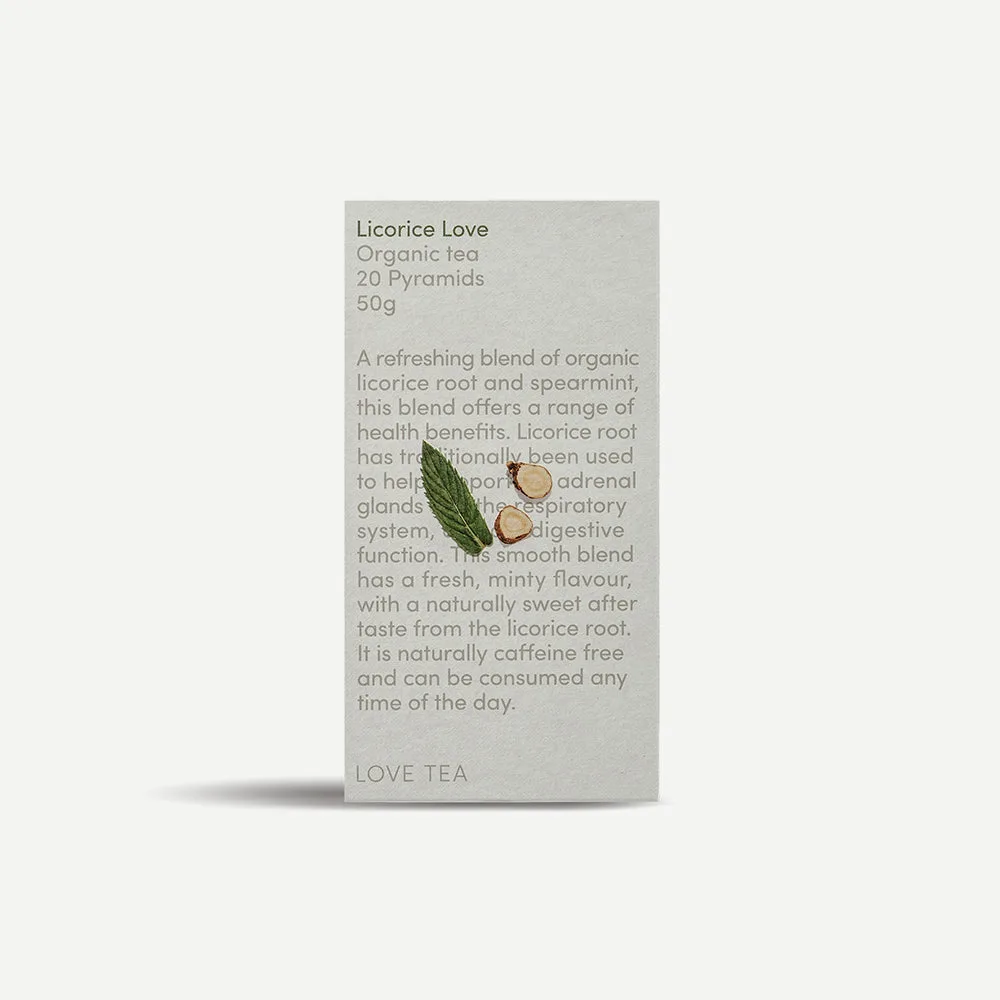
- Licorice Love Pyramid Tea Bags: A refreshing blend of organic licorice root and spearmint, this blend offers a range of health benefits. Licorice root has traditionally been used to help support the adrenal glands and the respiratory system, and aid digestive function. This smooth blend has a fresh, minty flavour, with a naturally sweet after taste from the licorice root. It is naturally caffeine free and can be consumed any time of the day. If you love the minty freshness of traditional mint tea but want a naturally sweet, caffeine-free option, this pyramid tea bag delivers a convenient and soothing cup without added sugar.
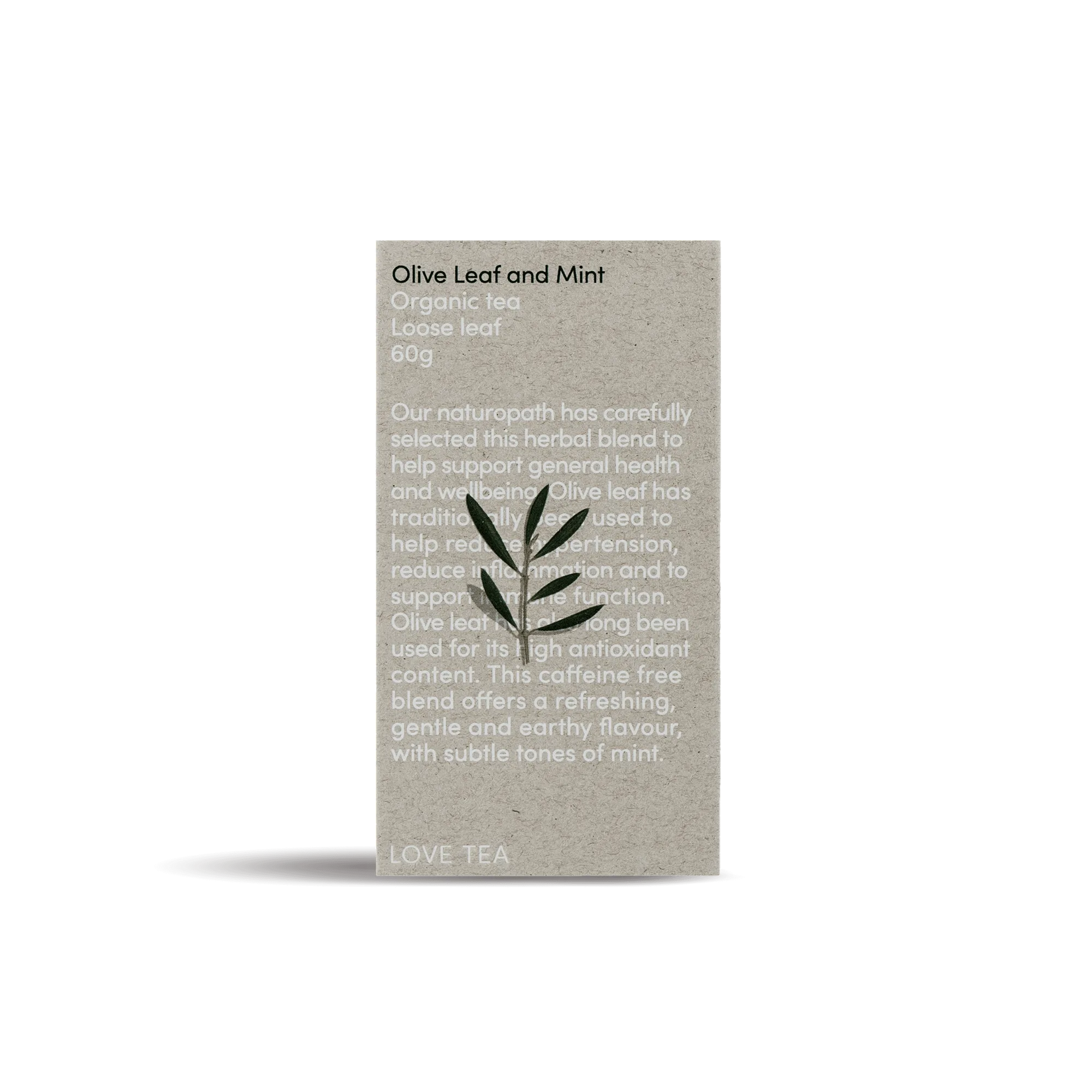
- Olive Leaf and Mint Loose Leaf Tea: Our naturopath has carefully selected this herbal blend to help support general health and wellbeing. Olive leaf has traditionally been used to help reduce hypertension, reduce inflammation and to support immune function. Olive leaf has also long been used for its high antioxidant content. This caffeine free blend offers a refreshing, gentle and earthy flavour, with subtle tones of mint. This loose leaf tea is a great pick if you want a caffeine-free minty brew with added health benefits, offering a more complex earthy flavor than plain mint tea.
Which One Should You Choose?
Best for
- Moroccan mint tea: those who enjoy a sweet, caffeinated tea with a cultural ritual
- Traditional mint tea: those seeking a caffeine-free, low-sugar, everyday herbal drink
Not for
- Moroccan mint tea: people avoiding caffeine or added sugar
- Traditional mint tea: those wanting a strong, sweet, ceremonial tea experience
Both Moroccan and traditional mint teas have their place. If you're after a social, sweet, and energizing brew, Moroccan mint tea is a delightful choice. For a simple, healthy, and caffeine-free cup, traditional mint tea wins. Try both and see which ritual fits your lifestyle.