Quick Answer
Use a mortar and pestle when you want to control the grind and release aromatic oils for small batches of spices. Choose a food processor for large quantities or when you need a quick, even grind. The right choice depends on the texture you want and how much spice you're preparing.
Grinding spices fresh can transform your cooking, but the tool you choose matters. A mortar and pestle gives you hands-on control, while a food processor offers speed and convenience. Understanding the trade-offs helps you pick the best method for your kitchen.
In this comparison, we'll look at how each tool handles spice grinding, the texture results, and the practical considerations like cleanup and batch size. We'll also mention how ceramic options, like those from Emile Henry, can enhance your experience.
Texture and Flavor Control
A mortar and pestle allows you to grind spices to your preferred consistency, from coarse to fine. This control is ideal for recipes that call for a specific texture, like a rough paste for curry or a coarse rub for meat. The grinding action also crushes the spice's cell walls, releasing volatile oils that enhance aroma and flavor.
A food processor, on the other hand, chops quickly and uniformly. It's great for making large batches of spice blends or when you need a fine, even powder. However, the high-speed blades can generate heat, which may slightly affect delicate spices. For most everyday grinding, the difference is subtle, but for specialty uses, the mortar and pestle wins.
- For a coarse or uneven grind, use a mortar and pestle.
- For a fine, consistent powder in bulk, a food processor is more efficient.
Batch Size and Convenience
Mortar and pestle sets are perfect for grinding a teaspoon or two of spices for a single dish. They're compact, require no electricity, and clean up with a quick rinse. This makes them ideal for small, frequent tasks like crushing peppercorns or cardamom pods.
A food processor shines when you need to grind a cup or more of spices, like making a homemade garam masala or chili powder. It's faster and less labor-intensive. However, it can be overkill for small amounts, and cleaning the bowl and blade can be more involved. If you often cook in large batches, a food processor might be worth the extra effort.
Durability and Material Considerations
Ceramic mortar and pestle sets are prized for their durability and non-porous surface, which doesn't absorb oils or odors. They're also heavy enough to stay put while you grind. Emile Henry's ceramic cookware, known for its heat resistance and even heat distribution, suggests that a ceramic mortar and pestle would offer similar reliability and easy care.
Food processors are made of plastic and metal, which are durable but can stain or retain odors from strong spices. They're also more prone to wear over time, especially the blades. For longevity and a natural feel, a ceramic mortar and pestle is a solid investment.
- Ceramic is non-porous and won't absorb flavors, making it easy to switch between spices.
Trade-Offs at a Glance
- Texture Control: Mortar and pestle gives you manual control over grind size, from coarse to fine. Food processor produces a more uniform chop but less control over texture. Choose mortar and pestle for recipes that specify a texture.
- Batch Size: Mortar and pestle is best for small amounts (teaspoons). Food processor handles larger quantities efficiently. Use a food processor for bulk spice blends.
- Cleanup and Maintenance: Mortar and pestle is simple to rinse and doesn't retain odors. Food processor has more parts to clean and may absorb strong smells. If you value quick cleanup, go with a mortar and pestle.
Product Facts
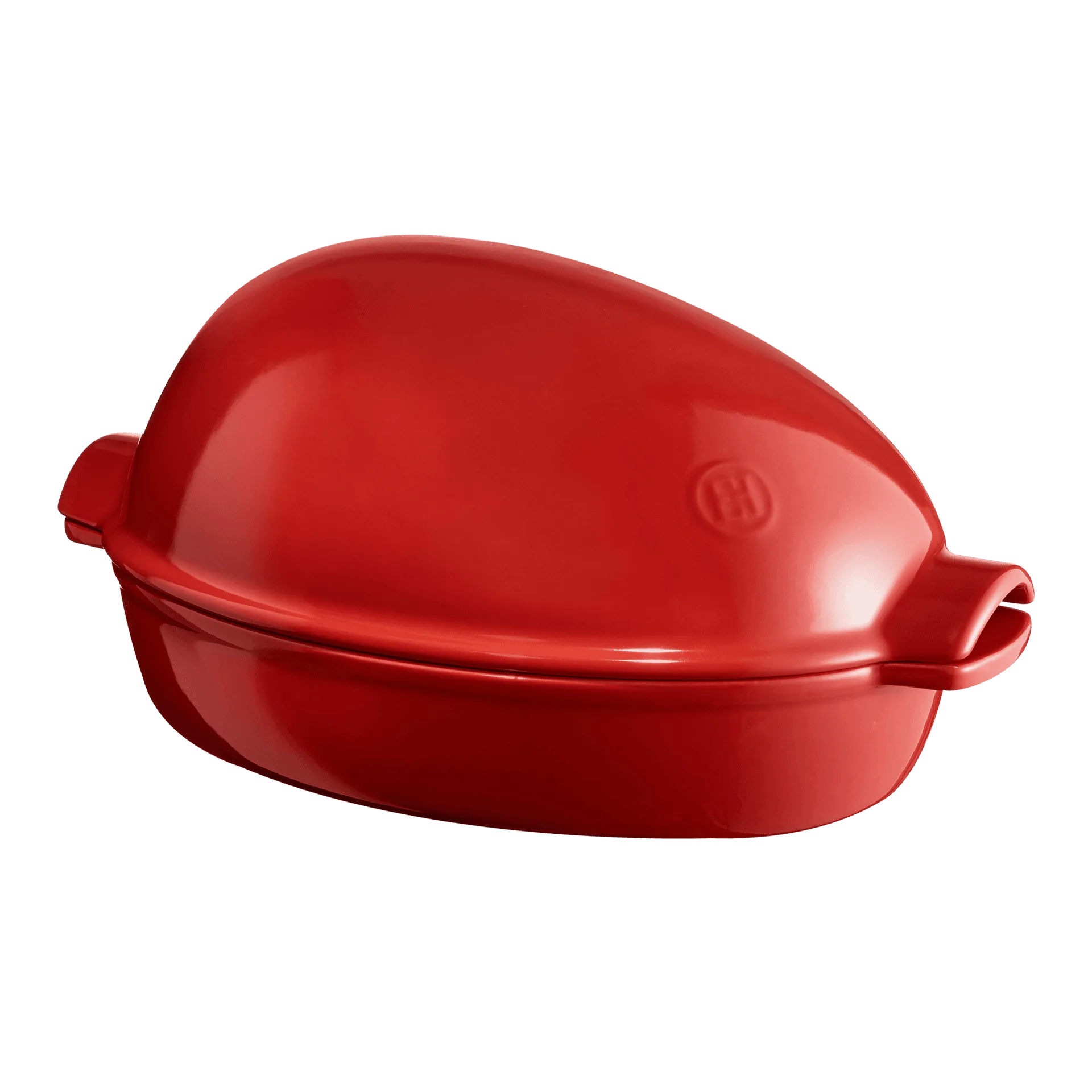
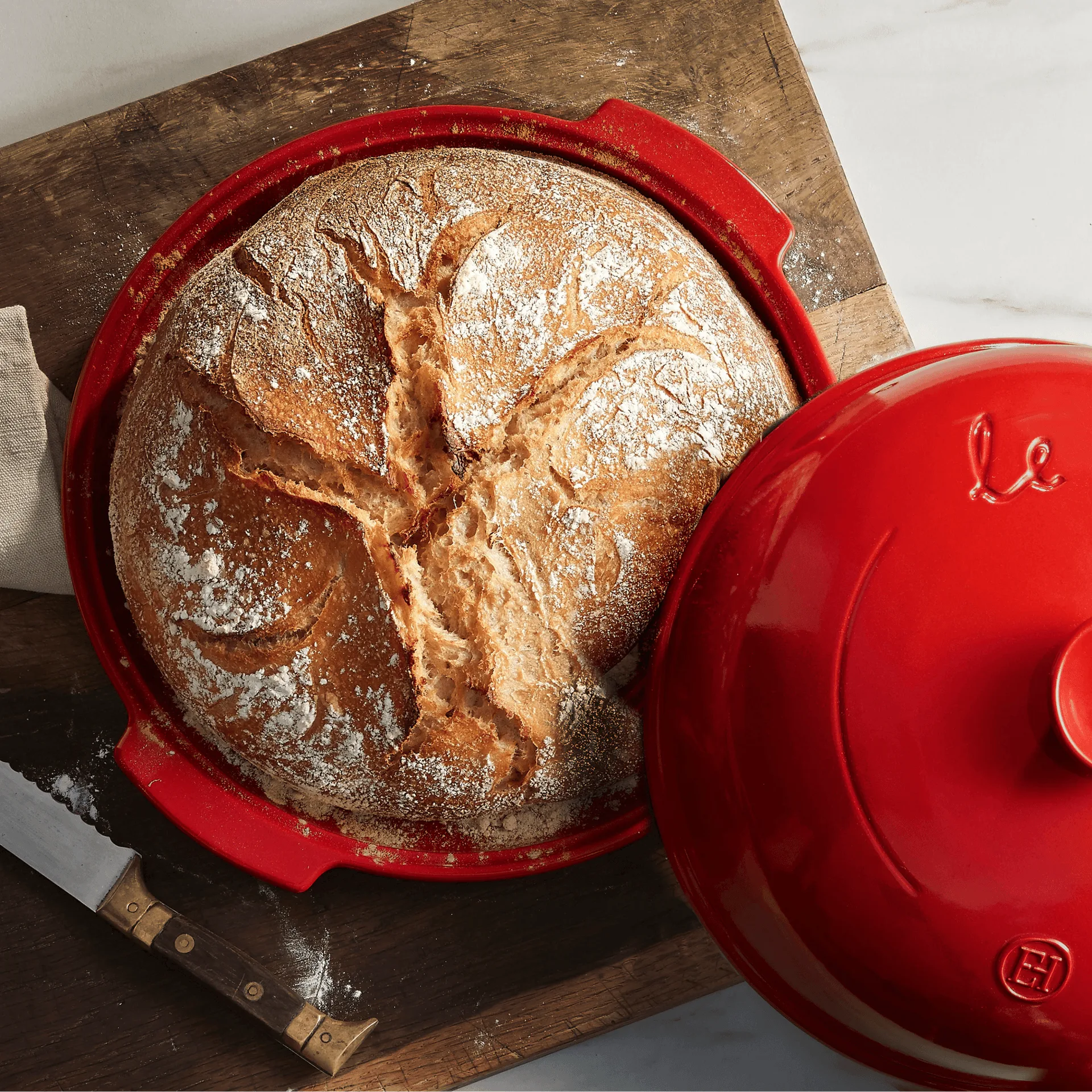
- Bread Cloche: The rounded shape of the cloche is identical to a traditional domed bread oven, to ensure that your bread has the required level of humidity during the cooking process. Our innovative refractory ceramic will enable you to get a nice, thick crust with a firm, light inside. While not a mortar and pestle, this ceramic cloche shows Emile Henry's expertise in ceramic heat retention, which translates to the consistent performance you'd expect from their other ceramic tools.
- The Right Dish Rectangular Baker: Since 1850, we've been producing our ceramic cookware from carefully selected raw natural materials. 170 years of savoir-faire will always make the difference. The excellence of our ceramic brings out the full richness of flavor while cooking, as heat is gently and evenly diffused through the ingredients. This heritage and ceramic quality suggest that a ceramic mortar and pestle from Emile Henry would offer even grinding and flavor preservation, just as their bakeware enhances cooking.
Which Should You Choose?
Best for
- Home cooks who grind spices in small batches and want to control texture.
- Those who appreciate traditional methods and easy cleanup.
Not for
- Anyone who regularly grinds large quantities of spices and needs speed.
- Those who prefer a hands-free, automated process.
Both a mortar and pestle and a food processor have their place in the kitchen. For most home cooks, a ceramic mortar and pestle offers the best balance of control, flavor, and ease of cleaning for everyday spice grinding. If you often cook in bulk, a food processor is a practical addition. Choose based on your typical batch size and how much control you want over the final texture.