Quick Answer
Spotting designer toy defects comes down to checking paint application, seams, joints, and material consistency. For blind boxes, inspect what you can from the packaging and rely on reputable sellers. For open vinyl or resin toys, examine the figure under good light before purchasing.
Designer toys are prized for their artistry, but even the best-produced figures can have flaws. From paint smudges to mold lines, defects can affect both appearance and value. Knowing what to look for helps you avoid disappointment and ensures you get the quality you expect.
This guide covers the most common defects in vinyl and resin toys, how to spot them before buying, and what to do if you find a problem. Whether you're unboxing a blind box or inspecting an open figure, these tips will save you from costly mistakes.
Common Defects in Vinyl Toys
Vinyl toys, especially soft vinyl (sofubi), can have issues like mold lines, paint bleeding, and uneven surfaces. Mold lines appear where the mold halves meet, and while some are acceptable, prominent or rough lines can detract from the design. Paint bleeding occurs when colors overlap, and on light-colored figures it's especially noticeable.
Another issue is 'grease' or oily residue, which can happen during production. Check for sticky or shiny patches. Also, look at the joints on articulated figures—they should move smoothly without excessive looseness or stiffness. The https://outerlimitsstudiosdsa.com/products/zorp-custom-601998ZORP / CUSTOM figure, for example, has five points of articulation, so you'd want to test each joint if buying in person.
- Inspect under bright, direct light to reveal surface imperfections.
- Run your fingers over the surface to feel for rough spots or raised seams.
Resin Toy Imperfections to Watch For
Resin toys are heavier and more delicate than vinyl. Common defects include air bubbles, warping, and cracks. Air bubbles can appear as small pits or holes on the surface, especially if the resin wasn't degassed properly. Warping might occur if the piece was removed from the mold too early, leading to bent parts that don't align.
Cracks can happen during shipping or due to temperature changes. Always inspect the base and any thin parts like limbs or accessories. If buying online, ask for extra photos from different angles. Remember, resin is more prone to breakage, so handle with care.
- Look for hairline cracks, especially at stress points like joints or thin appendages.
- Check that the figure stands flat and doesn't wobble.
Blind Box Defects and What You Can Control
Blind boxes are a gamble, but you can still spot some issues before buying. Check the packaging for signs of tampering or damage. Some collectors use scales to weigh boxes, but that's not always reliable. Once opened, common defects include misaligned parts, missing accessories, or paint errors.
If you're buying online, choose reputable sellers and read reviews. The KURI-KUN BLIND BOX FIGURE COLLECTION, for instance, offers five color variations, so you can't choose which you get, but you can ensure the seller has good return policies. Remember, minor imperfections are common in blind boxes and often acceptable to collectors.
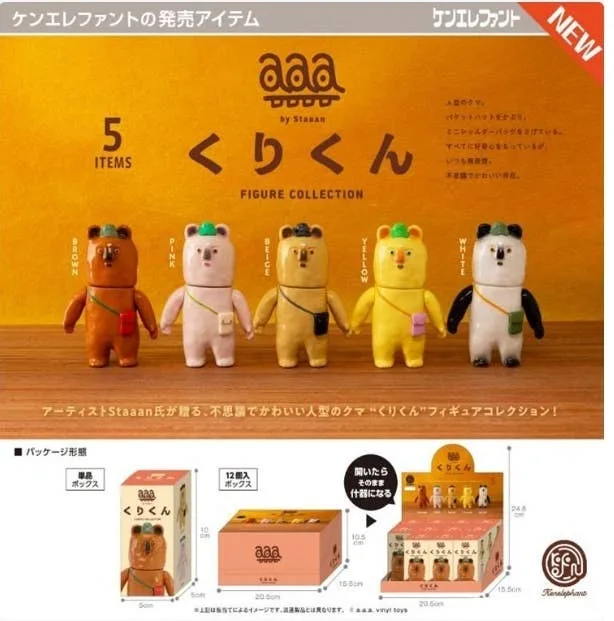
KURI-KUN BLIND BOX FIGURE COLLECTION
- Check the box for dents or tears that might indicate rough handling.
- Look for any visible paint or material issues through clear packaging if available.
How to Inspect a Figure Before Buying
When you have the figure in hand, take a systematic approach. Start with the overall silhouette—does it match the official images? Then check the paint: look for drips, smudges, or areas where paint is missing. Inspect seams and joints, and test articulation if applicable.
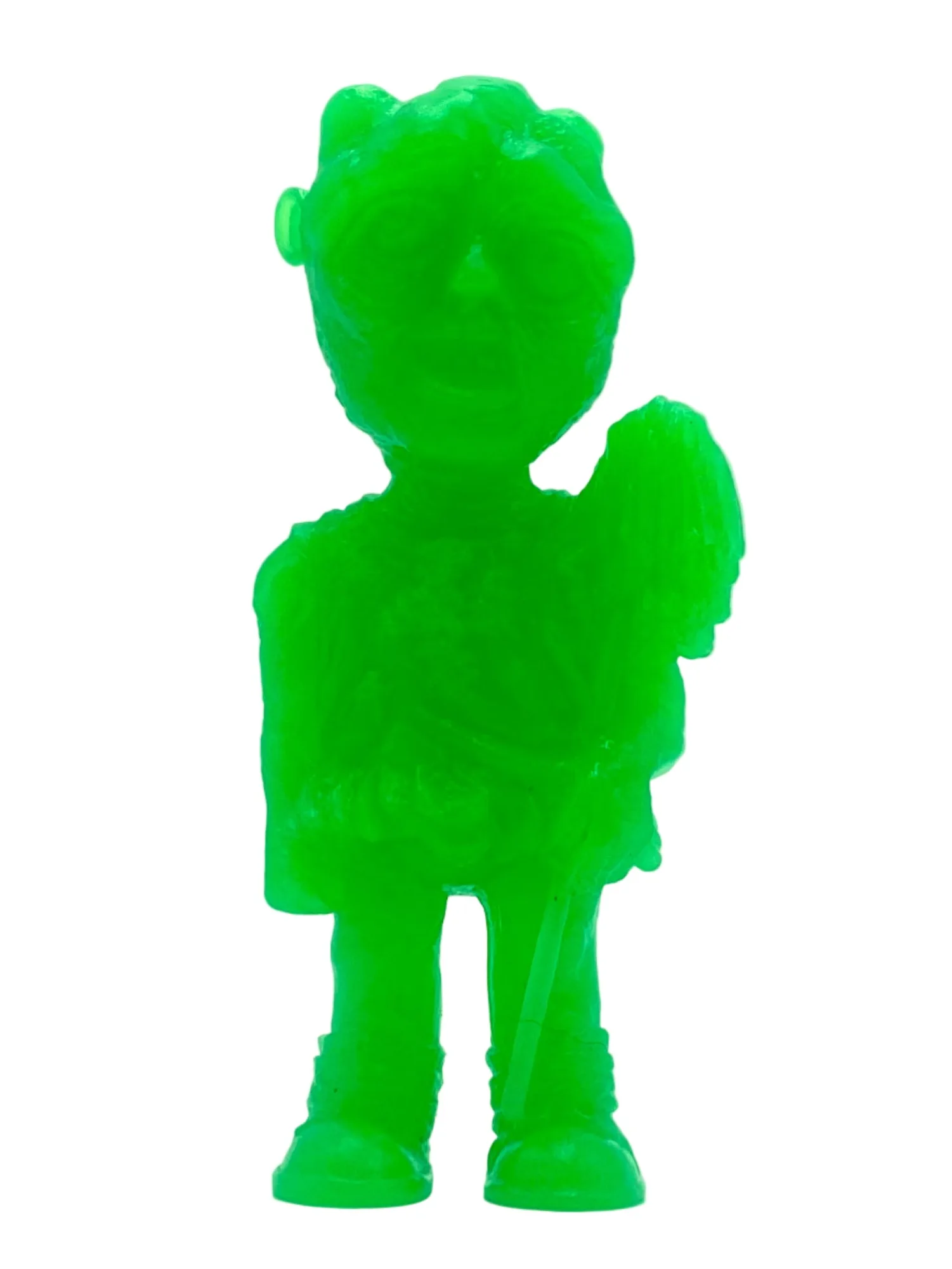
For vinyl figures like the MUSCULOIDS / KING DAVE / GID / W3, which has a glow-in-the-dark finish, you might want to test the glow if possible. But since it's often sealed, rely on the seller's description. If buying online, request photos of the actual item, not just stock images.
- Use a magnifying glass for fine details.
- Compare the figure to official photos to spot discrepancies.
Diagnosis Guide: Common Defects and What to Do
- Paint flaws (smudges, drips, missing paint): Caused by application errors during production. Inspect under bright light; if flaws are minor, they may be acceptable, but if they affect the design, consider returning. If the paint flaw is in a prominent area, pass or request a replacement.
- Mold lines and seams: Result from the molding process. Some lines are normal, but rough or misaligned seams indicate poor quality control. If seams are very visible, consider whether it bothers you; for limited editions, it might be acceptable.
- Loose or stiff joints: Caused by tolerance issues in the joint design. Test articulation; loose joints may not hold poses, stiff ones may break. If joints are problematic, avoid the figure or budget for repair.
- Air bubbles or pitting in resin: Occurs when air gets trapped during casting. Small pits are common, but large holes can weaken the structure. If pits are deep or numerous, choose another piece.
- Warping or bending: Happens when resin is removed from the mold too early or exposed to heat. Check that the figure stands flat and parts align. If warping is severe, return the item.
- Missing accessories or parts: Often a packing error. Check the contents against the listed items. If something is missing, contact the seller immediately.
Products to Consider
- MUSCULOIDS / KING DAVE / GID / W3: This vinyl toy features a King Dave design with a glow-in-the-dark (GID) finish and is presented in the W3 colorway. When buying a GID figure, check that the glow effect works as expected. If you can't test it, ensure the seller provides clear photos or descriptions.
- ZORP / CUSTOM: This sofubi figure stands at 9.5” tall with five points of articulation and is a limited edition with a unique colorway. Articulated figures can have joint issues, so if you're buying in person, test each joint. Since it's a custom piece, inspect the airbrushing for any imperfections.
Spotting designer toy defects before buying is a skill that improves with practice. By knowing what to look for and inspecting carefully, you can avoid many common issues. Remember, some imperfections are part of the charm of hand-finished pieces, but significant flaws should be addressed. Happy collecting!