Quick Answer
The most engaging educational games for teenagers combine real academic depth with genuinely fun mechanics. For science lovers, Genotype and Periodic offer strategic challenges rooted in genetics and chemistry, while Math Rush 2 turns mental math practice into a cooperative race. These games work well for high schoolers because they reward critical thinking without feeling like homework.
Finding educational games that actually hold a teenager's attention can be tricky. Many so-called educational titles feel more like chores disguised as games, while others sacrifice learning for shallow fun. The sweet spot is games that respect a teen's intelligence, offer real strategic depth, and sneak in meaningful STEM concepts without being preachy.
The games below have earned recognition from organizations like MENSA and The Dice Tower, signaling that they meet high standards for both gameplay and educational value. Whether you're looking for a family game night addition or a tool for the classroom, these picks are designed to engage teens who are already past the basics.
What Makes an Educational Game Engaging for Teens?
Teenagers are often turned off by games that feel too childish or too much like schoolwork. The most engaging educational games for teens offer a genuine challenge, meaningful choices, and a theme that feels relevant. They also provide a sense of progression or mastery, whether it's building a thriving ecosystem or solving a complex genetic puzzle.
Look for games that incorporate strategy, resource management, or cooperative problem-solving. These mechanics naturally encourage critical thinking and application of knowledge, which is far more effective than rote memorization. Games that allow for different strategies or outcomes also keep teens coming back, which means more repeated exposure to the underlying concepts.
- Choose games with real strategic depth, not just trivia.
- Look for themes that connect to high school science or math curricula.
- Consider cooperative games to encourage teamwork and discussion.
How to Choose the Right Game for a Teenager
Start by considering the teen's interests and academic areas that could use reinforcement. If they're into biology, a game about ecosystems or genetics might spark curiosity. If they need practice with math facts under pressure, a fast-paced card game could be more effective than flashcards.
Also think about player count and time commitment. Some games play well in 15 minutes, making them ideal for a quick study break, while others require an hour or more and are better for a dedicated game night. Age ratings are a good starting point, but a mature 12-year-old might handle a game rated 14+, while some older teens might prefer lighter games that are still intellectually stimulating.
- Match the game's subject to the teen's interests or school subjects.
- Consider the time available: short games for quick sessions, longer ones for weekends.
- Read age recommendations but weigh the teen's maturity and experience.
Frequently Asked Questions
Are these games suitable for classroom use?
Yes. Games like Genotype and Periodic align well with high school biology and chemistry curricula. Their strategic depth encourages discussion and critical thinking, making them excellent for small group work or as a reward for completing assignments. Check the player count and playtime to ensure they fit your class period.
Can these games be played by younger teens?
Genotype is rated 14+, while Periodic is 10+ and Math Rush 2 is 8+. A bright 12-year-old might handle Genotype with guidance, but the strategic complexity is best appreciated by older teens. Periodic and Math Rush 2 are more accessible. Consider the teen's experience with strategy games before choosing.
What if the teen is not interested in science or math?
These games are designed to be fun first. The engaging mechanics—worker placement, set collection, cooperative racing—can draw in teens who might not self-identify as science or math fans. The educational content becomes a natural part of the gameplay. Try a game like Periodic, which offers rich strategy beyond its chemistry theme.
Top Educational Games for Teenagers
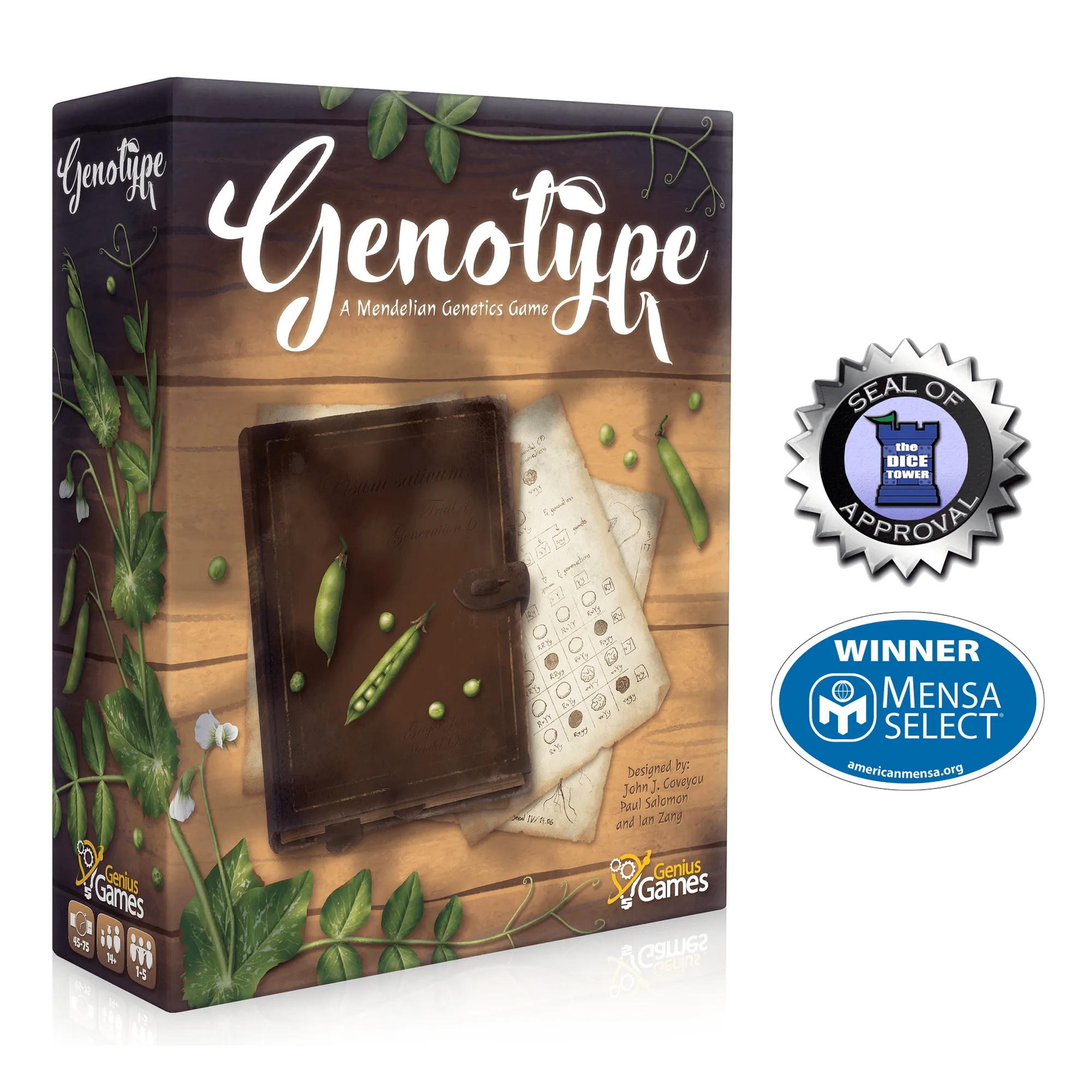
- Genotype: A Mendelian Genetics Game | 2022 MENSA Select Award Winner | Dice Tower Seal of Approval | Strategy Board Game: Genotype is a 2022 MENSA Select Award Winner and recipient of The Dice Tower Seal of Approval. This game is about the Science of Genetics, Punnett Squares and Gregor Mendel’s Pea Plants. It is a worker placement and resource management game for ages 14+ and 1-5 players, with a playtime of 45-75 minutes. For high school students tackling genetics, Genotype makes Punnett squares tangible and strategic. The worker placement mechanics add a layer of competition that keeps teens engaged while they internalize heredity concepts.
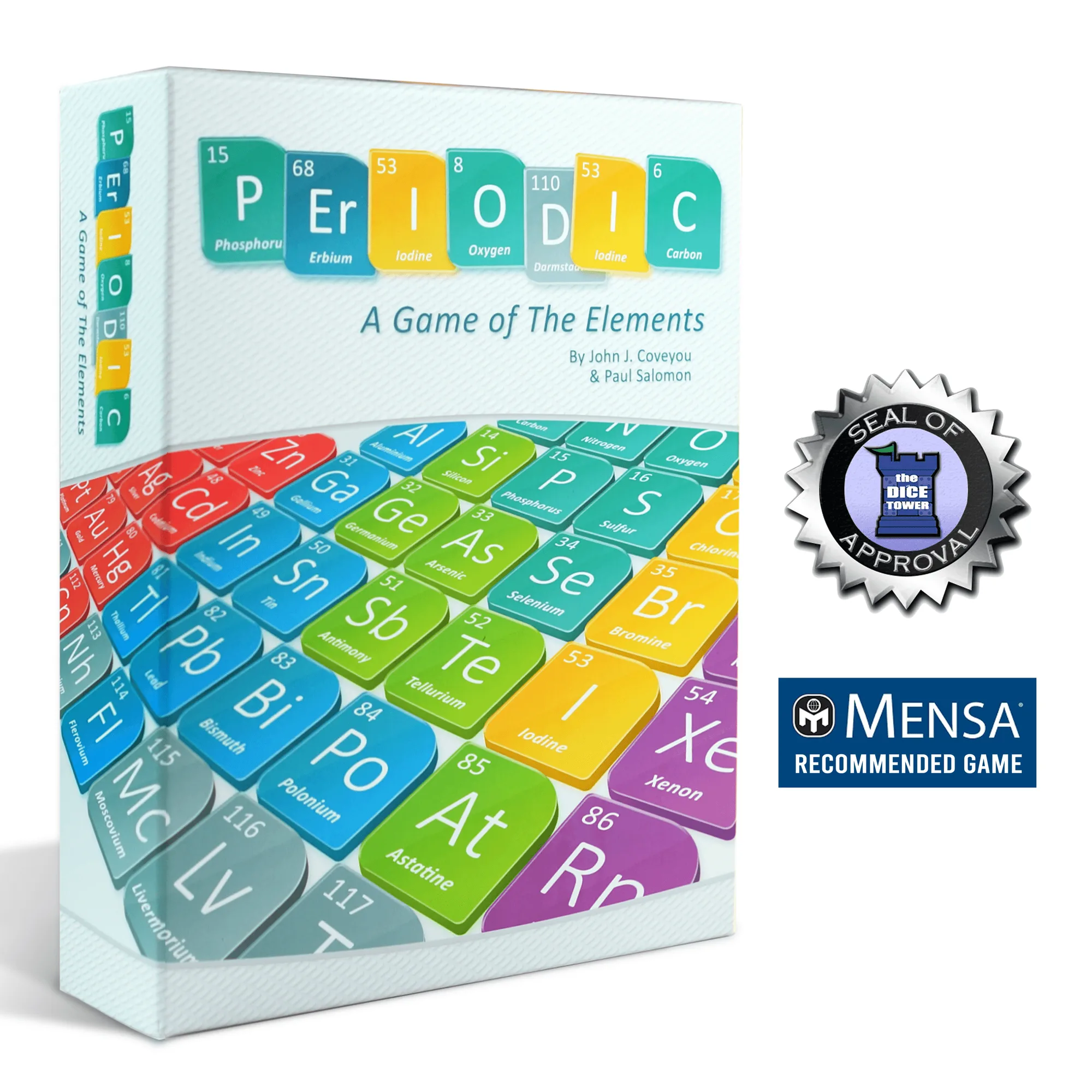
- Periodic: A Game of the Elements | 2021 MENSA Recommended Game | Dice Tower Seal of Approval | Strategy Board Game: Periodic is a 2021 MENSA Recommended Game and a recipient of the Dice Tower Seal of Approval. This strategy game is about the Periodic Table, Atoms, Elements & Compounds. It features action economy, tactical movement, and set collection, for ages 10+, 2-5 players, and 40-60 minutes. Chemistry students often struggle to see the periodic table as anything but a chart to memorize. Periodic turns element properties and trends into a tactical game, reinforcing knowledge through gameplay that requires planning and adaptability.
- Math Rush 2: Multiplication & Exponents | A Cooperative Time-Based Educational Math Flash Card |STEM Game to Master Mental Math Skills: Math Rush 2 is a real-time cooperative sequencing game for ages 8+, 1-5 players, with a 15-minute playtime. It focuses on multiplication and exponents, challenging players to balance strategy and speed. This game is perfect for teens who need to build mental math fluency. The cooperative, time-based format makes practice exciting and social, and the short playtime makes it easy to fit into a study session or family game night.
The best educational games for teenagers are those that respect their intelligence and offer genuine fun. Whether it's mastering genetics with Genotype, exploring the periodic table with Periodic, or sharpening mental math with Math Rush 2, these games prove that learning can be just as engaging as any other hobby. Choose one that matches the teen's interests and watch them get lost in the game—and the learning.