Quick Answer
Clean your boots after every trip with lukewarm water and a soft brush, let them air-dry away from heat, then re-condition and re-waterproof the leather before you store them. Do this within a day or two of returning, and leather mountaineering boots keep their stiffness, waterproofing and support for many more seasons.
Why Alpine Boots Need a Different Routine
Mountaineering boots take more abuse than trail shoes: rock, scree, crampon bails, snow, salt and repeated wet-dry cycles all attack the upper. Leather and synthetic uppers handle this differently, so match your care to the material. Full-grain leather boots such as the Karakorum and Makalu rely on oils and waxes for water resistance, while boots with a waterproof membrane need the outer leather or textile kept clean so the membrane can breathe. The goal is not to baby the boots but to keep the upper supple, the seams sealed and the midsole and outsole bonded.
What to Keep in Your Boot Care Kit
You do not need a shelf of products. A soft nylon brush, a stiffer brush for dried mud, lukewarm water, a mild soap, a leather conditioner or wax, and a waterproofing treatment matched to your upper material cover almost everything. Add a clean rag and, for synthetic uppers, a dedicated technical fabric cleaner. Avoid detergents, solvents and hot water, which strip oils and can soften adhesives. If your boots have a Gore-Tex or similar membrane, choose treatments labeled for use with waterproof-breathable liners.
Your Step-by-Step Boot Care Routine
- 1. Knock off mud and grit while it is still dry: Before you wash anything, brush off dried mud, sand and grit with a stiff brush. Pay attention to the welt, the rand and the crevices where the upper meets the sole. Common mistake: soaking the whole boot first, which turns abrasive grit into a paste that grinds into seams and leather. Checkpoint: no visible grit left in the seams before water touches the boot.
- 2. Hand-wash with lukewarm water and a soft brush: Use lukewarm water and a mild soap. Scrub the upper, tongue and laces with a soft brush, then rinse with a damp rag rather than running the boot under a tap. Common mistake: using hot water, detergent or a washing machine, all of which strip oils, damage adhesives and can void waterproof membranes. Checkpoint: water still beads on the surface after rinsing.
- 3. Air-dry at room temperature, never on a heat source: Stuff the boots with crumpled newspaper or a towel to absorb moisture and hold their shape, then let them dry at room temperature away from radiators, fires and direct sun. Change the paper when it feels damp. Common mistake: drying boots on a heater or in an oven, which cracks leather, shrinks uppers and weakens glue. Checkpoint: boots are completely dry inside and out before conditioning.
- 4. Condition leather while it is still slightly warm: Apply a small amount of leather conditioner or wax with your fingers or a cloth, working it into the leather in thin layers. Let it absorb, then buff off any excess. Common mistake: over-applying conditioner, which leaves a sticky film that attracts dirt and can clog the leather's ability to breathe. Checkpoint: leather looks supple, not greasy or shiny.
- 5. Re-waterproof with a treatment matched to your upper: Use a wax or cream for full-grain leather and a spray or membrane-safe treatment for synthetic or membrane boots. Focus on seams, the tongue and the flex point at the toe. Common mistake: using a heavy wax on a membrane boot, which can block breathability and make your feet sweat on long approaches. Checkpoint: water beads and rolls off the treated surface.
- 6. Store them correctly between trips: Store boots clean, dry and loosely laced in a cool, dark, dry place. Do not leave them compressed in a stuff sack or sitting in a hot car or damp garage. Common mistake: storing boots dirty or wet, which lets mildew, cracked leather and delamination set in before the next season. Checkpoint: boots hold their shape and have no musty smell when you pull them out.
Boots That Reward Consistent Care
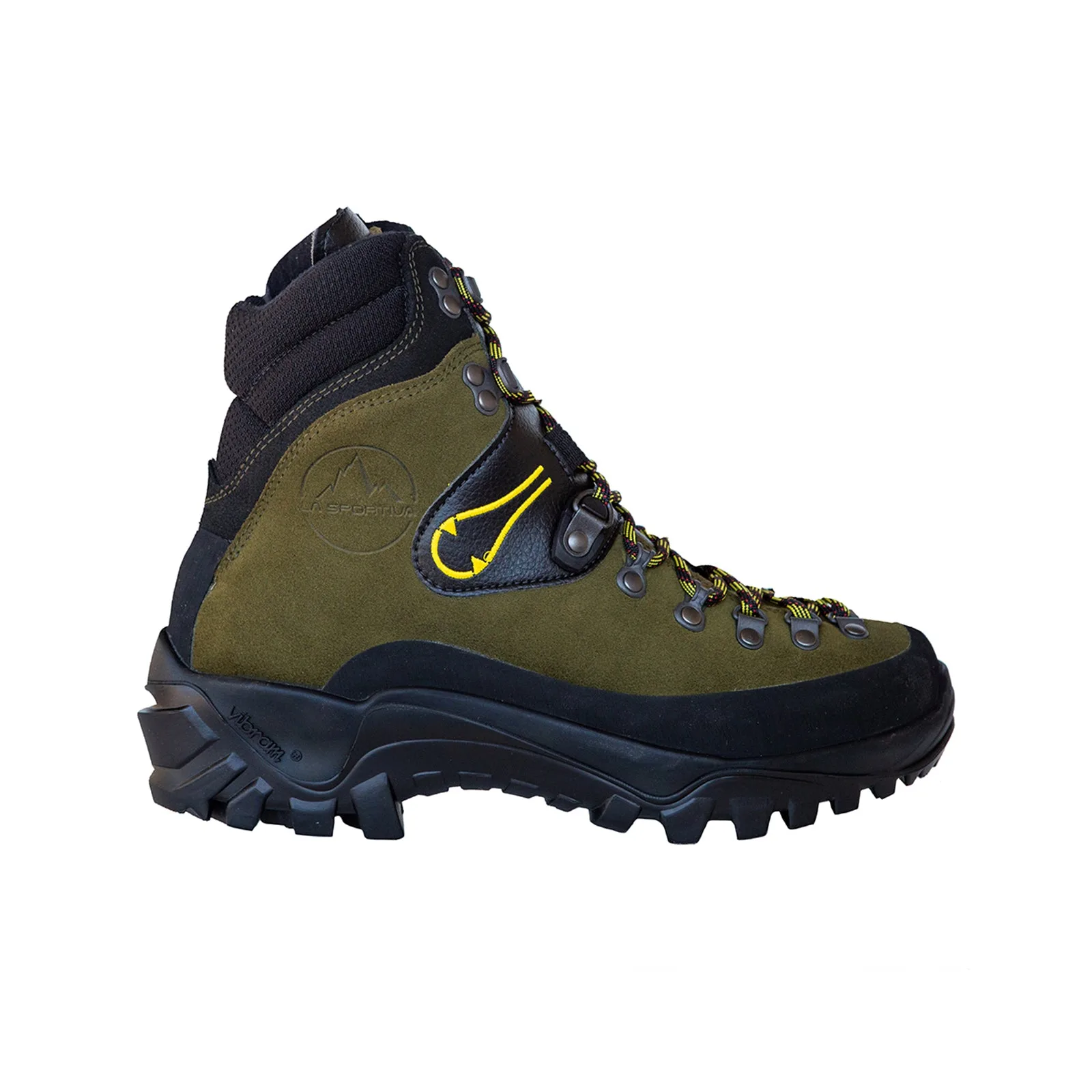
- Karakorum: The Karakorum is a versatile leather mountaineering and backpacking boot built for light-duty mountaineering, heavy hiking and backpacking, with durable support and all-day comfort. Leather uppers like this one respond well to regular conditioning and waxing, so a simple after-trip routine protects the support and comfort you paid for.
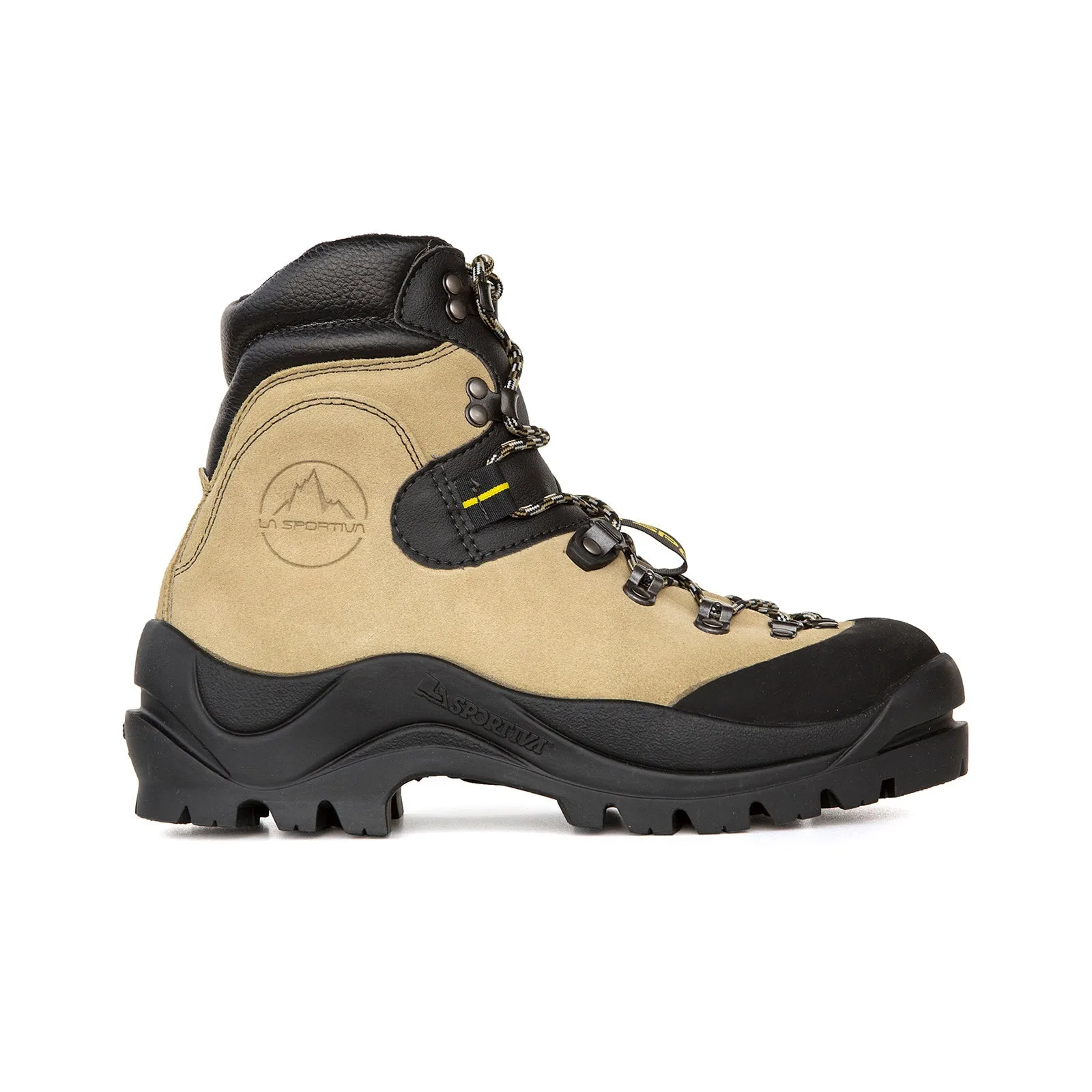
- Makalu: The Makalu is a classic leather mountaineering boot with the La Sportiva MPEvo outsole for stability and traction in rugged environments. The outsole handles grip, but the leather upper still needs cleaning and re-waterproofing to keep the boot stiff enough for edging and front-pointing.
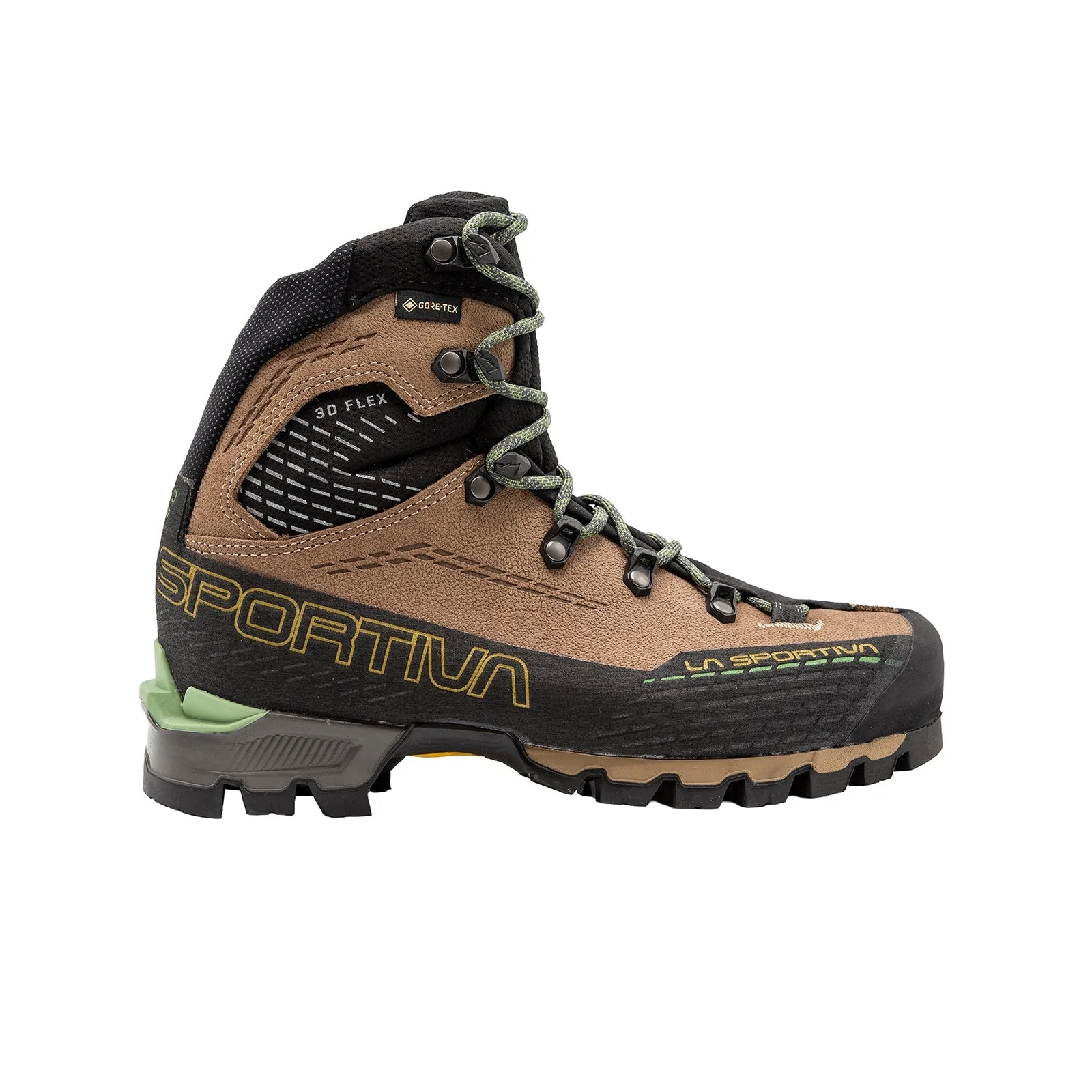
- Trango Alpine Women's GTX: The Trango Alpine Women's GTX is designed for tricky faces, steep vertical and challenging underfoot terrain, with stability in climbing and all-day comfort. A waterproof membrane boot needs a gentler cleaning routine and membrane-safe treatments so breathability and waterproofing both keep working.