Quick answer
Choose backpacking boots for long approaches and multi-day trips on rugged trails where you carry a heavy pack but do not need crampons. Choose mountaineering boots for steep snow, ice, and high-altitude climbs where warmth, precision, and crampon compatibility matter more than trail comfort. If your trips mix both, prioritize the boot that matches the hardest technical section you will encounter.
How the two categories differ in construction
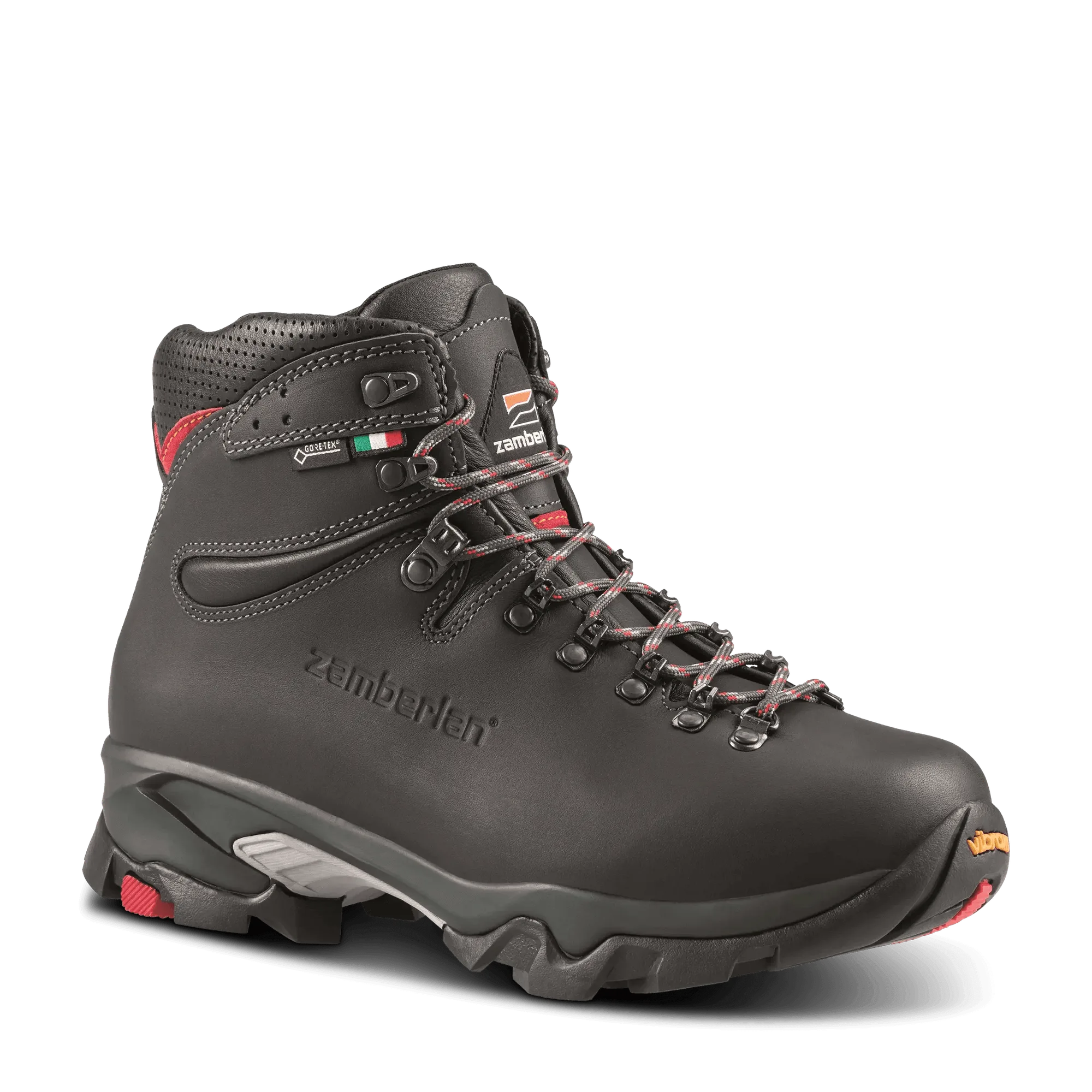
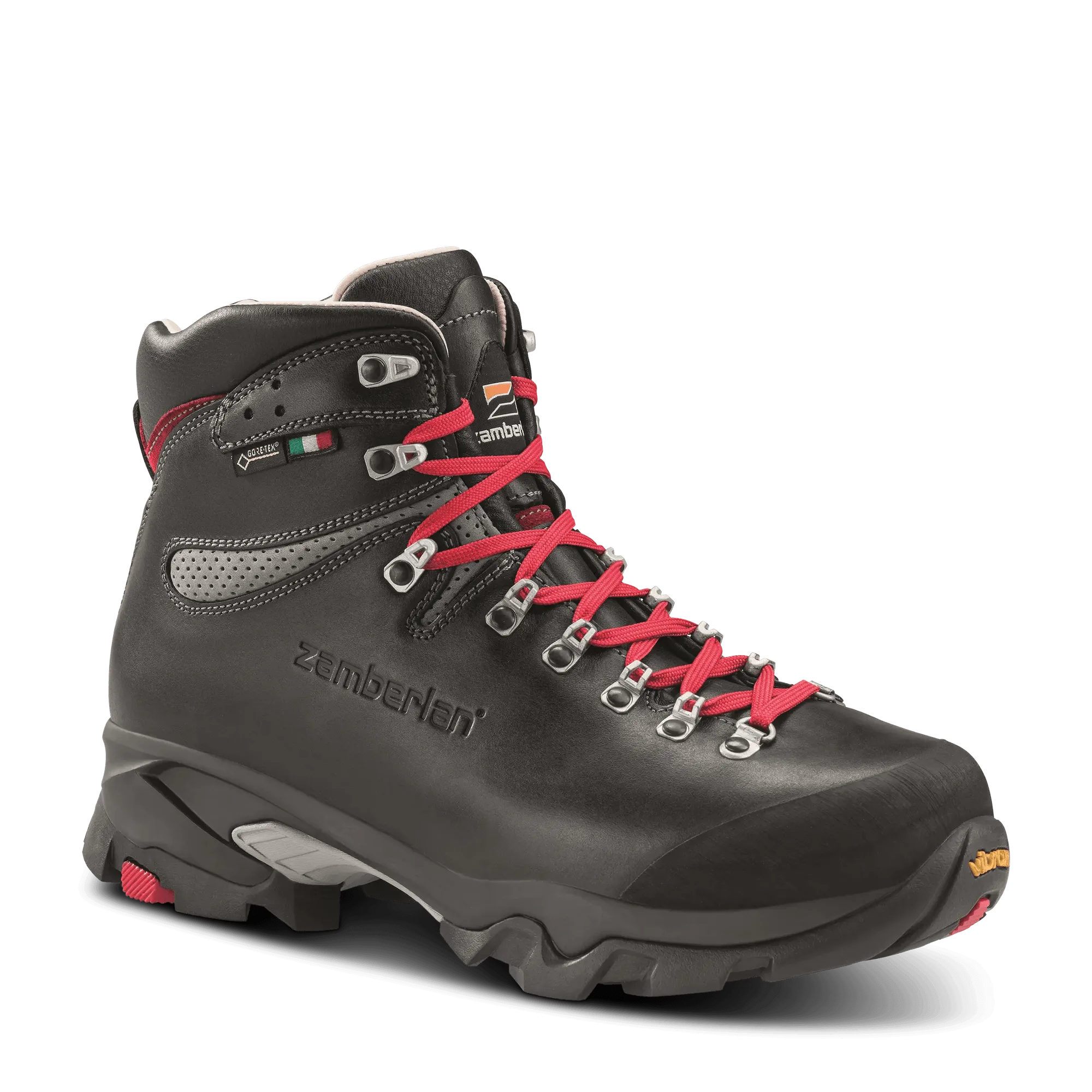
Backpacking boots are built around a balance of support, durability, and walking comfort. They use full-grain leather or similar uppers, a waterproof membrane, and a midsole stiff enough to carry a heavy load without collapsing. The Zamberlan Vioz GTX is a clear example: its Hydrobloc full-grain leather upper and Gore-Tex Performance Comfort lining are designed for demanding backpacking in rugged, steep terrain. The boot flexes enough to walk mile after mile on dirt and rock.
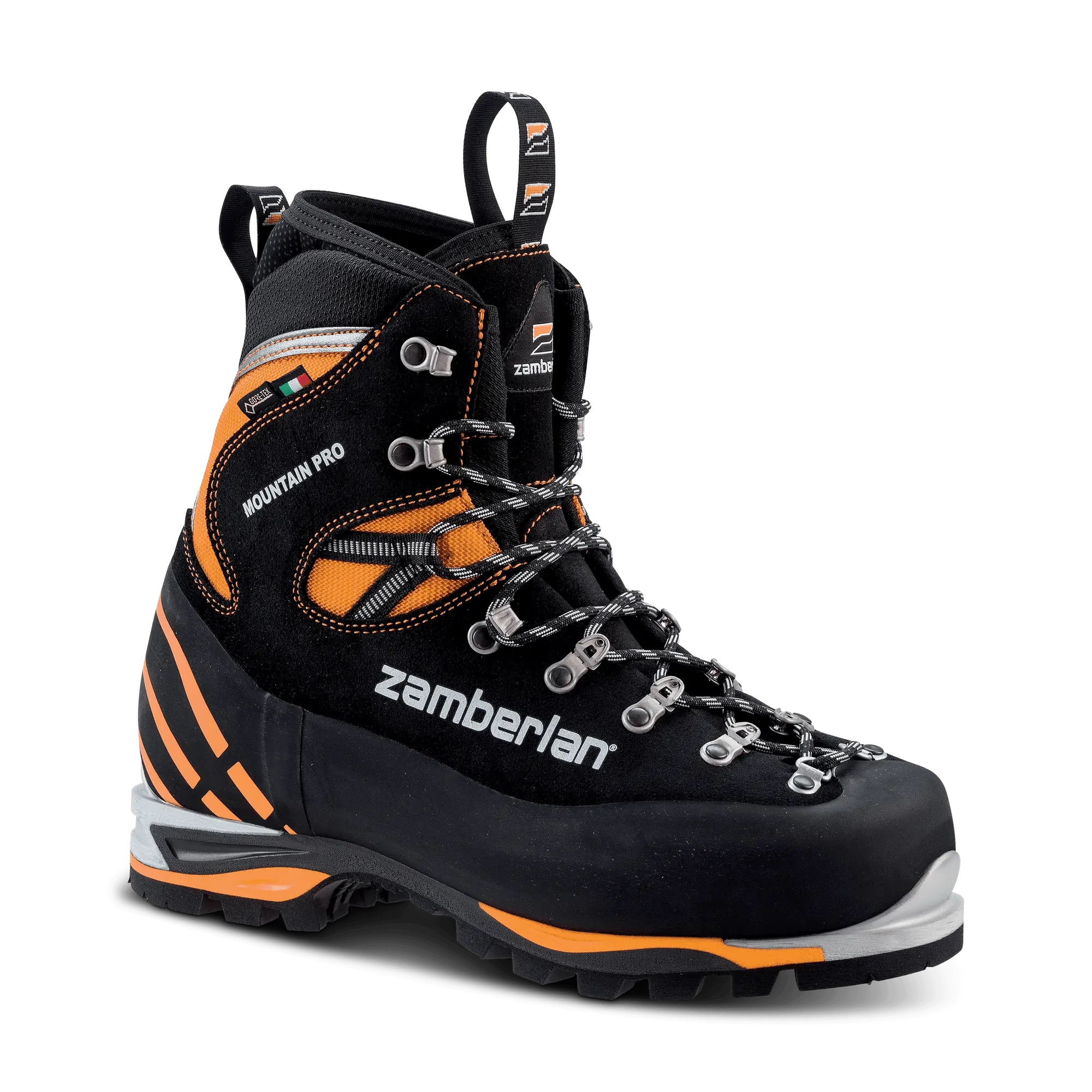
Mountaineering boots are built for vertical and frozen terrain. They use a much stiffer sole and a more rigid upper to hold a crampon securely and to edge on ice. The Zamberlan Mountain Pro Evo GTX is described as a multi-purpose alpine boot that is markedly lighter than other Zamberlan alpine boots thanks to its midsole technology, and it targets all-purpose mountaineering, ice climbing, and high-altitude activities where warmth, comfort, support, and precision are required. That stiffness is an advantage on snow and ice, but it feels less natural on a long dirt approach.
Match the boot to your terrain and objective
If your route is mostly trail with a heavy pack, a backpacking boot like the Vioz GTX will feel more efficient and reduce fatigue. If your route includes steep snow, glacier travel, or ice, a mountaineering boot like the Mountain Pro Evo GTX gives you the rigidity and crampon interface you need. Many climbers own both and choose based on the hardest section of the route, not the approach.
For a closer look at specific models, the Vioz Lux GTX and Vioz Lux GTX WNS share the same premium build philosophy as the Vioz GTX but with upgraded comfort details. They are still backpacking boots, so they suit long days on trail and in the backcountry rather than technical ice. The Mountain Pro Evo GTX is the mountaineering option in this comparison.
Fit and sizing considerations for each type
Backpacking boots should fit snugly at the heel and midfoot with a little toe room for descents. The Vioz GTX and Vioz Lux GTX come in size and width options, so you can dial in the fit more precisely than with a single-width mountaineering boot. The Vioz Lux GTX WNS is offered in size only, which is common for women-specific lasts.
Mountaineering boots often need a tighter, more precise fit to drive crampons and edge on ice, but you still need room for thicker socks and potential foot swelling at altitude. The Mountain Pro Evo GTX is available in size only. If you cannot try them in person, measure your feet late in the day and compare against the brand's size chart, and account for the sock thickness you will use on the climb.
Trade-offs at a glance
- Trail comfort vs. technical stiffness: Backpacking boots like the Vioz GTX flex enough for long approaches and heavy loads. Mountaineering boots like the Mountain Pro Evo GTX are stiffer for edging and crampons, which can feel less comfortable on dirt trails. Pick the boot that matches the majority of your route, not just the crux.
- Warmth and weather protection: Mountaineering boots are built for cold, high-altitude conditions. Backpacking boots like the Vioz Lux GTX use waterproof membranes for wet trails but are not designed for extended snow and ice. If you expect sustained snow or glacier travel, prioritize a mountaineering boot.
- Weight and agility: The Mountain Pro Evo GTX is notably lighter than other Zamberlan alpine boots, which helps on long climbs. Backpacking boots like the Vioz GTX are built for durability and support under a heavy pack, so they may weigh more than a pure alpine boot. Lighter is not always better; match weight to your load and terrain.
Key product facts
- VIOZ GTX - Dark Grey: Zamberlan Vioz GTX is the best-selling boot for over a decade, built with Hydrobloc full-grain leather and Gore-Tex Performance Comfort lining for demanding backpacking in rugged, steep terrain. This is a proven backpacking boot for heavy loads and long trail days, not a technical ice climbing boot.
- VIOZ LUX GTX - Waxed Black: Vioz Lux GTX features thick waxed Tuscan leather and refined comfort details for demanding backpackers who want premium craftsmanship and all-day comfort. It offers a more comfort-focused backpacking option when you prioritize long-distance support over mountaineering stiffness.
- MOUNTAIN PRO EVO GTX - Black/Orange: Mountain Pro Evo GTX is a multi-purpose alpine boot that is markedly lighter than other Zamberlan alpine boots thanks to its midsole technology, ideal for all-purpose mountaineering and ice climbing. It is the mountaineering choice when you need crampon compatibility and precision on snow and ice.
Which boot should you choose?
Best for
- Backpackers carrying heavy loads on rugged trails who need support and comfort for long days
- Hikers and hunters who want a durable, waterproof leather boot for mixed terrain
- Women who want a women-specific backpacking boot like the Vioz Lux GTX WNS
Not for
- Climbers who need crampon compatibility and precision on steep snow and ice
- High-altitude or ice climbing routes where warmth and rigidity are critical