When it comes to oral care, there's a lot of debate about whether mouthwash or floss deserves a spot in your daily routine. Both are touted for their ability to fight cavities, freshen breath, and keep gums healthy. But if you're short on time or trying to simplify your routine, which one should you prioritize?
In this comparison, we'll break down the benefits and limitations of each, how they work differently, and why combining them—along with proper brushing—gives you the best chance at a healthy smile. We'll also look at natural options from Tom's of Maine that fit seamlessly into your routine.
What Does Mouthwash Do?
Mouthwash, also known as mouth rinse, is a liquid oral care product designed to be swished around the mouth and then spit out. Its primary functions include freshening breath, reducing bacteria, and helping to prevent cavities and gum disease. Some mouthwashes contain fluoride, which strengthens tooth enamel, while others rely on natural ingredients like essential oils to fight bacteria.
Using mouthwash is quick and easy—just swish for 30 seconds to a minute. It can reach areas that brushing might miss, such as the back of the tongue and the soft tissues of the mouth. However, mouthwash is not a substitute for brushing or flossing. It works best as a complement to a thorough oral care routine.
- Freshens breath instantly
- Reaches areas brushing may miss
- Can help reduce plaque and gingivitis
- Convenient for on-the-go use
What Does Floss Do?
Flossing is the mechanical removal of plaque and food particles from between the teeth and along the gumline. It's the only way to clean the tight spaces where a toothbrush can't reach. By dislodging debris and disrupting plaque biofilm, flossing helps prevent cavities between teeth and reduces the risk of gum disease.
Flossing requires a bit more dexterity and time than rinsing, but it's a critical step for maintaining oral health. The American Dental Association recommends flossing at least once a day. While some people skip it due to difficulty or discomfort, there are various floss types and techniques to make it easier.
- Removes plaque and food from between teeth
- Prevents cavities in hard-to-reach areas
- Reduces gum inflammation and bleeding
- Essential for preventing periodontal disease
Mouthwash vs. Floss: Key Differences
The core difference lies in their mechanism of action. Floss physically removes plaque, while mouthwash chemically kills bacteria and neutralizes acids. Neither can fully replace the other. Floss targets the biofilm that clings to tooth surfaces, while mouthwash can reach the entire mouth, including the tongue and cheeks.
For cavity prevention, flossing is arguably more effective because it removes the plaque that causes decay in the tight spaces between teeth. However, mouthwash with fluoride can provide additional protection by strengthening enamel. For gum health, both are beneficial: flossing reduces inflammation, while mouthwash can reduce bacteria that cause gingivitis.
- Floss physically removes plaque; mouthwash kills bacteria
- Floss is essential for interdental cleaning
- Mouthwash provides whole-mouth freshness
- Both contribute to cavity prevention and gum health
How to Build an Effective Oral Care Routine
The ideal oral care routine includes brushing twice a day, flossing once a day, and using mouthwash as an extra step. If you're short on time, prioritize brushing and flossing, as they physically remove plaque. Mouthwash can be added for fresher breath and extra protection.
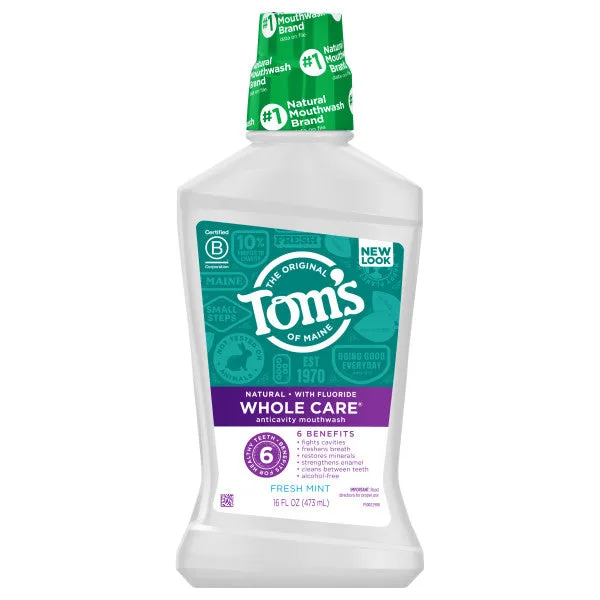
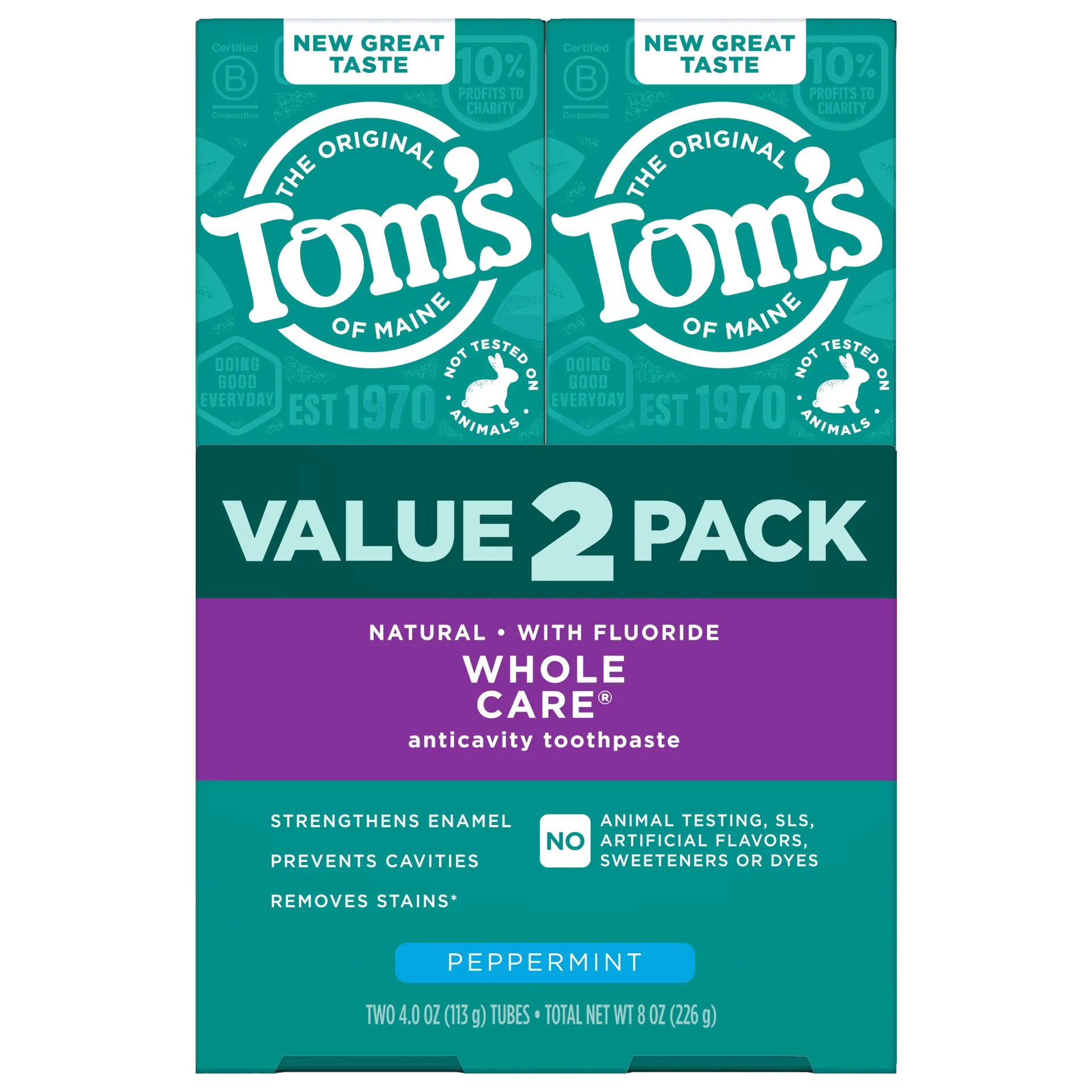
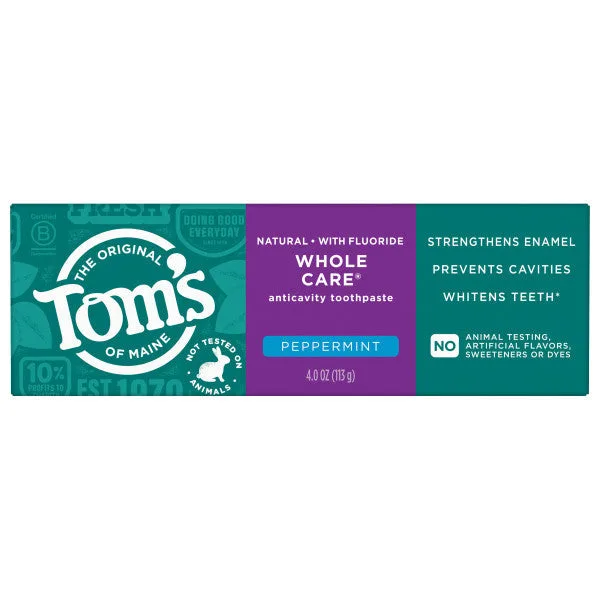
When choosing oral care products, consider natural options that align with your values. Tom's of Maine offers a range of natural toothpaste, mouthwash, and floss that are free from artificial colors, flavors, and preservatives. For example, the Fresh Mint Whole Care® Mouthwash provides a refreshing clean without harsh chemicals, while the https://tomsofmaineijz.com/products/whole-care-peppermint-anticavity-toothpaste-2-pack-302620Whole Care Peppermint Anticavity Toothpaste (2-pack) offers cavity protection with natural ingredients.
- Brush for two minutes, twice a day
- Floss at least once a day, preferably before brushing
- Rinse with mouthwash for 30 seconds after brushing
- Replace your toothbrush every three months
Natural Options from Tom's of Maine
If you're looking to upgrade your oral care routine with natural products, Tom's of Maine has you covered. Their mouthwashes are free from alcohol, artificial dyes, and sweeteners, making them a gentle choice for daily use. The Fresh Mint Whole Care® Mouthwash uses natural mint oil to freshen breath and help fight plaque.
For flossing, Tom's of Maine offers natural waxed floss that glides easily between teeth. Pair it with their Fluoride-Free Antiplaque & Whitening Spearmint Natural Toothpaste for a complete natural routine. This toothpaste uses silica to gently polish teeth and remove surface stains without harsh abrasives.
- Tom's of Maine mouthwash is alcohol-free and natural
- Their floss is made from natural wax
- Fluoride-free toothpaste options are available
- All products are cruelty-free and responsibly sourced
In the mouthwash vs. floss debate, floss takes the lead for essential plaque removal, but mouthwash is a valuable addition for overall freshness and extra protection. For the best oral health, incorporate both into your daily routine, along with regular brushing. Explore Tom's of Maine's natural oral care products to find a routine that's good for you and the planet.