Quick Answer
If you want a dedicated gaming laptop, the MSI GF63 Thin with its RTX 3050 and 144Hz display is the clear choice. For everyday productivity and multitasking, the Dell Inspiron 15 offers a solid 120Hz display and efficient Intel Iris Xe graphics at a higher price.
Performance: Dedicated vs Integrated Graphics
The MSI GF63 Thin is built for gaming and graphics-heavy tasks. Its NVIDIA GeForce RTX 3050 (4GB) is a dedicated GPU that can handle modern games at decent settings. The Dell Inspiron 15 relies on Intel Iris Xe integrated graphics, which is fine for everyday work, streaming, and light photo editing, but it will struggle with demanding 3D games.
Both laptops have a 12th Gen Intel Core i5 processor (the MSI has an i5-11400H, the Dell has an i5-1235U), so everyday tasks like web browsing and office work will feel snappy on either. The MSI's H-series chip is designed for sustained performance, while the Dell's U-series chip prioritizes efficiency and battery life.
Display: 144Hz vs 120Hz
The MSI GF63 Thin's 144Hz display offers a smoother and more responsive experience, which is a big advantage in fast-paced games. The Dell Inspiron 15's 120Hz display is still faster than a standard 60Hz screen, making everyday scrolling and video playback feel fluid. For gaming, the higher refresh rate on the MSI is a clear win.
Both laptops have a 15.6-inch Full HD (1920x1080) resolution, so sharpness is similar. The Dell's anti-glare display might be a plus if you work in bright environments, but the MSI's gaming-focused panel prioritizes speed.
Value and Price
The MSI GF63 Thin is significantly more affordable, with a catalog price of $447.44 compared to the Dell's $622.30. This makes it an attractive option for budget-conscious gamers or students who want gaming capability without breaking the bank.
The Dell Inspiron 15's higher price reflects its newer processor and brand reputation for reliability. However, if you don't need dedicated graphics, you might find better value elsewhere. The MSI offers more gaming performance per dollar, while the Dell offers a more balanced everyday package.
Trade-offs at a Glance
- Gaming Performance: Choose the MSI GF63 Thin for its RTX 3050, which can handle modern games at medium settings. The Dell's Iris Xe is not suitable for serious gaming. If gaming is a priority, the MSI is the only viable option here.
- Display Refresh Rate: The MSI's 144Hz panel is better for fast-paced action, while the Dell's 120Hz is still a step up from standard displays for everyday use. Consider what you value more: smoother gaming or better battery life from a lower refresh rate.
- Price vs. Everyday Use: The MSI is cheaper and offers more gaming value. The Dell costs more but may be a better fit for those who prioritize brand reputation and a balanced feature set for work and study. Set your budget and decide if the Dell's premium is justified for your non-gaming needs.
Product Facts
-
MSI GF63 Thin 15.6" Gaming Laptop, 144Hz FHD, Intel Core i5-11400H, NVIDIA GeForce RTX 3050 4GB, 16GB DDR4 Memory, 512GB NVMe SSD, Windows 11, Black, 11UC-1276US (factory renewed): The MSI GF63 Thin features an NVIDIA GeForce RTX 3050 4GB dedicated GPU and a 144Hz Full HD display. This combination delivers smooth, high-frame-rate gaming and better performance in graphics-intensive tasks than integrated graphics.
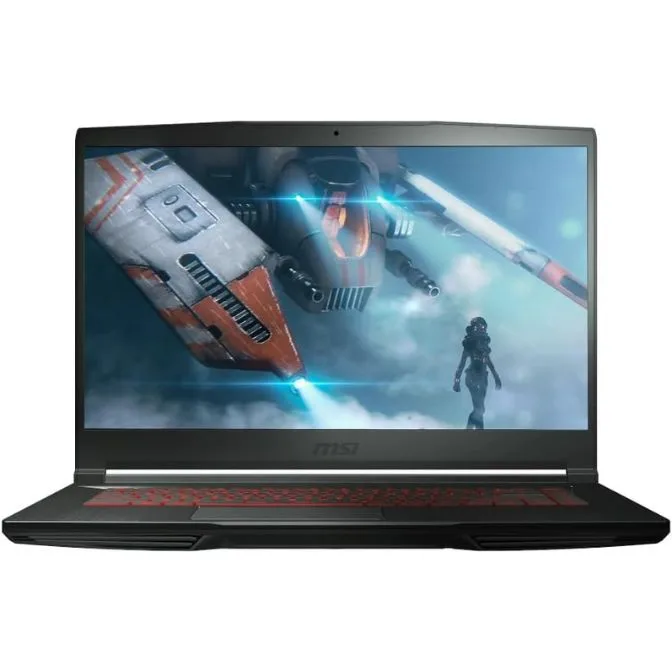
MSI GF63 Thin 15.6" Gaming Laptop, 144Hz FHD, Intel Core i5-11400H, NVIDIA GeForce RTX 3050 4GB, 16GB DDR4 Memory, 512GB NVMe SSD, Windows 11, Black, 11UC-1276US (factory renewed)
-
Dell Inspiron 15 3520 Laptop - 15.6-inch FHD (1920x1080) 120Hz Display, Core i5-1235U Processor, 16GB DDR4 RAM, 512GB SSD, WiFi 6, Iris Xe Graphics, Win 11 Home: The Dell Inspiron 15 comes with Intel Iris Xe integrated graphics and a 120Hz anti-glare Full HD display. This is ideal for everyday productivity, streaming, and light creative work, offering a smooth visual experience without the power draw of a dedicated GPU.
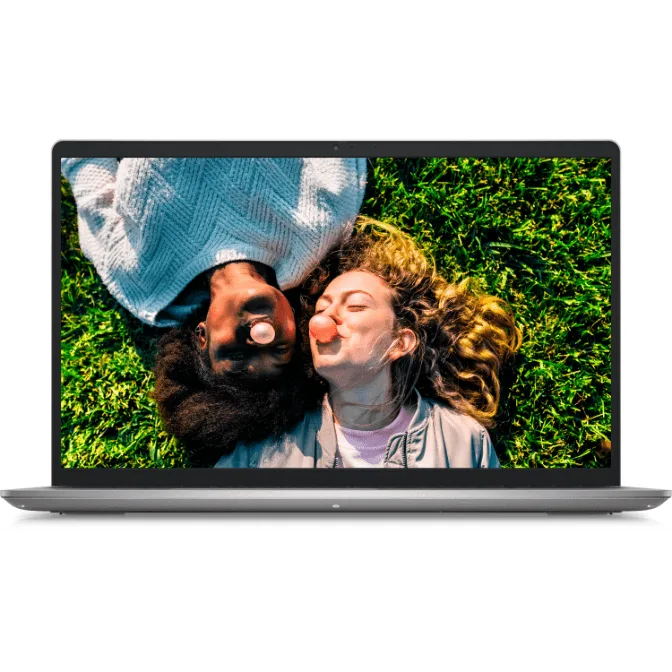
Dell Inspiron 15 3520 Laptop - 15.6-inch FHD (1920x1080) 120Hz Display, Core i5-1235U Processor, 16GB DDR4 RAM, 512GB SSD, WiFi 6, Iris Xe Graphics, Win 11 Home
Who Should Buy Which?
Best for
- Budget-conscious gamers who want a dedicated GPU and high refresh rate display.
- Students or creatives who need occasional gaming capability but primarily use productivity apps.
Not for
- Professionals who prioritize battery life and portability for all-day work.
- Users who need a laptop for light tasks only and want to maximize battery efficiency.