Quick Answer
Choose Mudpuppy puzzles when you want distinctive artwork, compact packaging, and a gift-ready puzzle that works for travel or a single sitting. Choose standard jigsaw puzzles when you need higher piece counts, lower cost per puzzle, and a wider range of difficulty levels for older kids. Many families get the best value by owning both: Mudpuppy for quick, portable play and standard jigsaws for long, focused sessions.
If you are standing in a store aisle trying to decide between a Mudpuppy puzzle and a standard jigsaw, the honest answer is that they are built for different jobs. Mudpuppy puzzles lean into bold illustration, compact formats, and themes that feel like a small gift. Standard jigsaw puzzles lean into piece count, difficulty progression, and price per puzzle.
This comparison uses the catalog facts we can verify, plus practical trade-offs you will notice at home. We will also look at how puzzle time fits alongside other quiet-play toys, so you can match the puzzle to your child rather than to the box.
What Sets Mudpuppy Puzzles Apart
Mudpuppy puzzles are known for artwork-forward designs and formats that travel well. In our catalog, Mudpuppy appears as a distinct puzzle line alongside other puzzle and game brands, which tells you the store treats it as its own style rather than a generic jigsaw. The practical effect is that you are often choosing a Mudpuppy puzzle for its look and its portability, not for a high piece count.
That makes Mudpuppy a strong fit for kids who need a quick win. A puzzle that can be finished in one sitting keeps frustration low and lets a child reset and try again. If your goal is a calm, portable activity that fits in a bag, Mudpuppy is usually the more natural pick.
- Check the finished size and piece count on the box before buying; Mudpuppy formats vary by design.
- If the puzzle is a gift, Mudpuppy's themed artwork often does more work than a plain jigsaw.
What Standard Jigsaw Puzzles Do Better
Standard jigsaw puzzles win on progression. Because they come in a wide range of piece counts, you can move a child from 24 pieces to 100 to 500 without changing brands or styles. That gradual increase is one of the most reliable ways to build persistence, and it is harder to do if you only buy one puzzle format.
Standard puzzles also tend to cost less per puzzle, which matters if you want a shelf of options for rainy days, siblings, and repeat use. The trade-off is that generic jigsaw artwork can feel less special, and packaging is often larger and less travel-friendly than a Mudpuppy box.
- Buy one puzzle slightly above your child's current comfort level to stretch their skills without a meltdown.
- Store standard puzzles in a zip bag inside the box so pieces do not migrate between puzzles.
Piece Count, Age, and Attention Span
Piece count is the clearest signal of difficulty, but it is not the only one. A 48-piece puzzle with busy artwork can be harder than a 60-piece puzzle with clear color blocks. For younger kids, look for distinct color regions and recognizable subjects. For older kids, look for repeating patterns and gradients that require sorting by shape.
Mudpuppy puzzles often sit in the quick-finish range, which suits kids who want a completed picture before their attention runs out. Standard jigsaws can stretch that attention span over multiple sessions, which is useful for building focus but frustrating if the puzzle never gets finished.
- Set out a tray or mat so a larger puzzle can stay out between sessions.
- If a child stalls, sort edge pieces together first to create an easy starting frame.
Artwork, Themes, and Collectability
Artwork is where Mudpuppy puzzles usually justify their price. The designs are the point, and that makes them easier to give as gifts and easier to keep on a shelf as part of a themed collection. If your child collects a particular subject, a Mudpuppy puzzle can sit alongside figurines and plush toys rather than being stored away with generic games.
Standard jigsaw puzzles compete more on variety and price. You can find almost any theme, but the art quality varies widely. If a specific theme matters more than the brand, standard puzzles give you more options; if the look of the finished puzzle matters, Mudpuppy is the safer bet.
- Match the puzzle theme to a toy your child already loves to increase repeat play.
- For shared play, choose a puzzle with large distinct areas so two kids can work at once.
Portability and Storage
Mudpuppy puzzles generally come in compact packaging that is easier to pack for travel, restaurants, and waiting rooms. That portability is a real advantage if you want a quiet activity that does not need a table full of space. Standard jigsaw puzzles are usually bulkier, and larger piece counts need a dedicated surface.
Storage is the other side of the trade-off. Compact boxes are easy to stack but easier to lose. Larger standard puzzle boxes are harder to misplace but take up shelf space. Either way, keep pieces in a sealed bag so a missing piece does not end the puzzle's life.
- Photograph the finished puzzle before storing it so you can check piece count later.
- Keep a small zip pouch with the puzzle for travel and quick cleanup.
Value and Longevity
Standard jigsaw puzzles usually win on cost per puzzle, especially at higher piece counts. Mudpuppy puzzles cost more per piece in many cases, but you are paying for design, format, and gift appeal. Neither is automatically better value; it depends on whether the puzzle will be done once or returned to many times.
Longevity comes down to durability and storage. Thicker pieces and a sturdy box survive repeat assembly better. If a puzzle is a favorite, consider buying a second copy for a grandparent's house or a travel bag so the original stays complete.
- Rotate puzzles rather than leaving one out for months; pieces wear faster when constantly handled.
- If a piece goes missing, contact the manufacturer before replacing the whole puzzle.
Trade-Offs to Weigh Before You Buy
- Artwork versus piece count: Mudpuppy puzzles tend to lead with illustration and theme, while standard jigsaws lead with a wider range of piece counts for difficulty progression. Pick Mudpuppy if the finished picture matters; pick a standard jigsaw if you need a specific difficulty level.
- Portability versus table space: Compact Mudpuppy packaging travels easily, but larger standard puzzles need a dedicated surface that can stay out between sessions. If you play on the go, favor the compact format; if you play at home, a larger puzzle is fine.
- Gift appeal versus cost per puzzle: Mudpuppy puzzles often feel more gift-ready, while standard jigsaw puzzles usually cost less per puzzle and are easier to buy in multiples. Buy one Mudpuppy puzzle as a gift and a stack of standard puzzles for everyday use.
- Quick finish versus long focus: A puzzle that finishes in one sitting reduces frustration, while a multi-session puzzle builds persistence over time. Match the session length to your child's attention span today, not to their age on paper.
Catalog Facts That Inform This Comparison
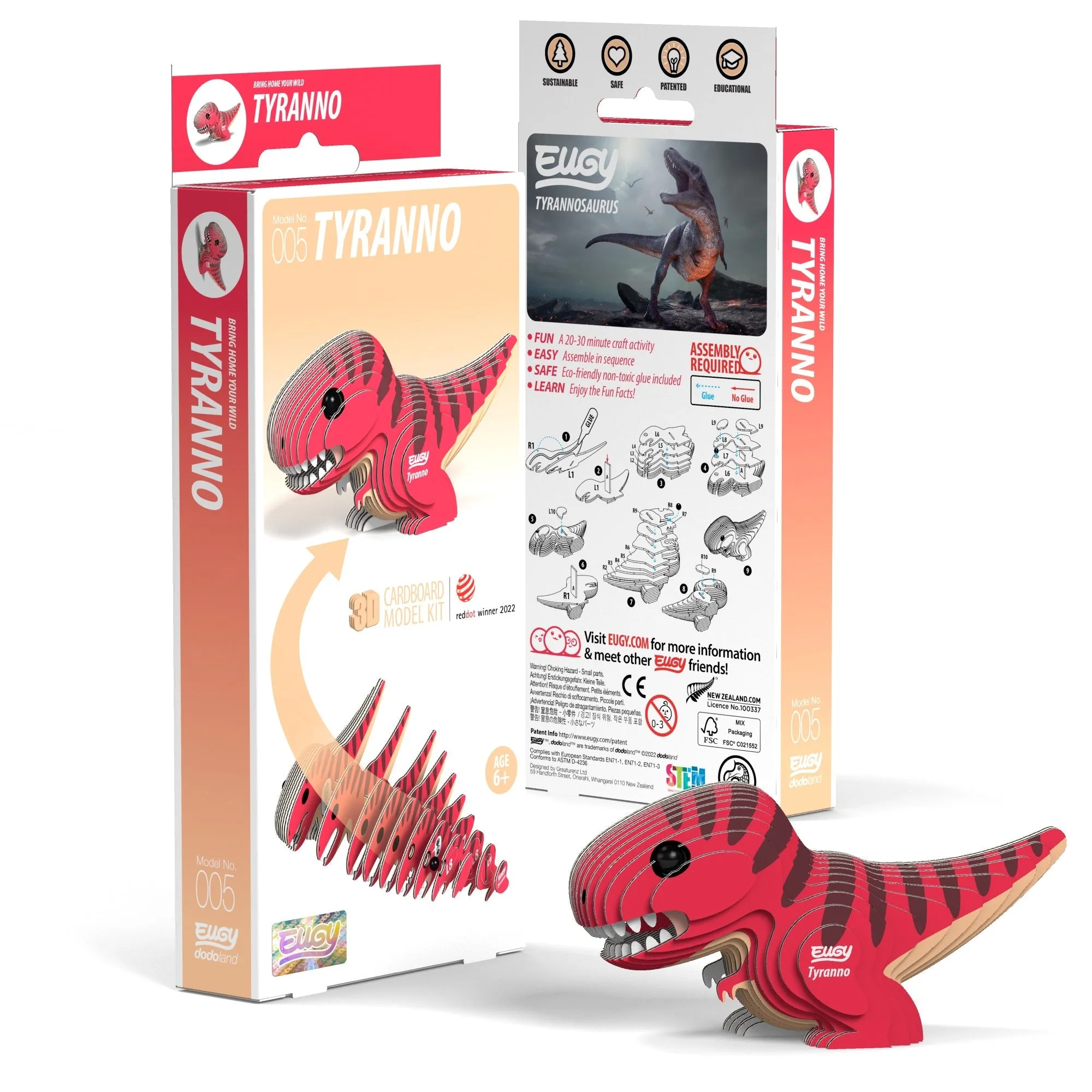
- EUGY Tyrannosaurus 3D Puzzle: EUGY is a 3D puzzle that can be assembled in 10 to 20 minutes and is described as eco-friendly, with over 90 designs to collect. If your child likes the quick-finish feel of a Mudpuppy puzzle but wants a buildable result, a 3D puzzle offers a similar short session with a display piece at the end.
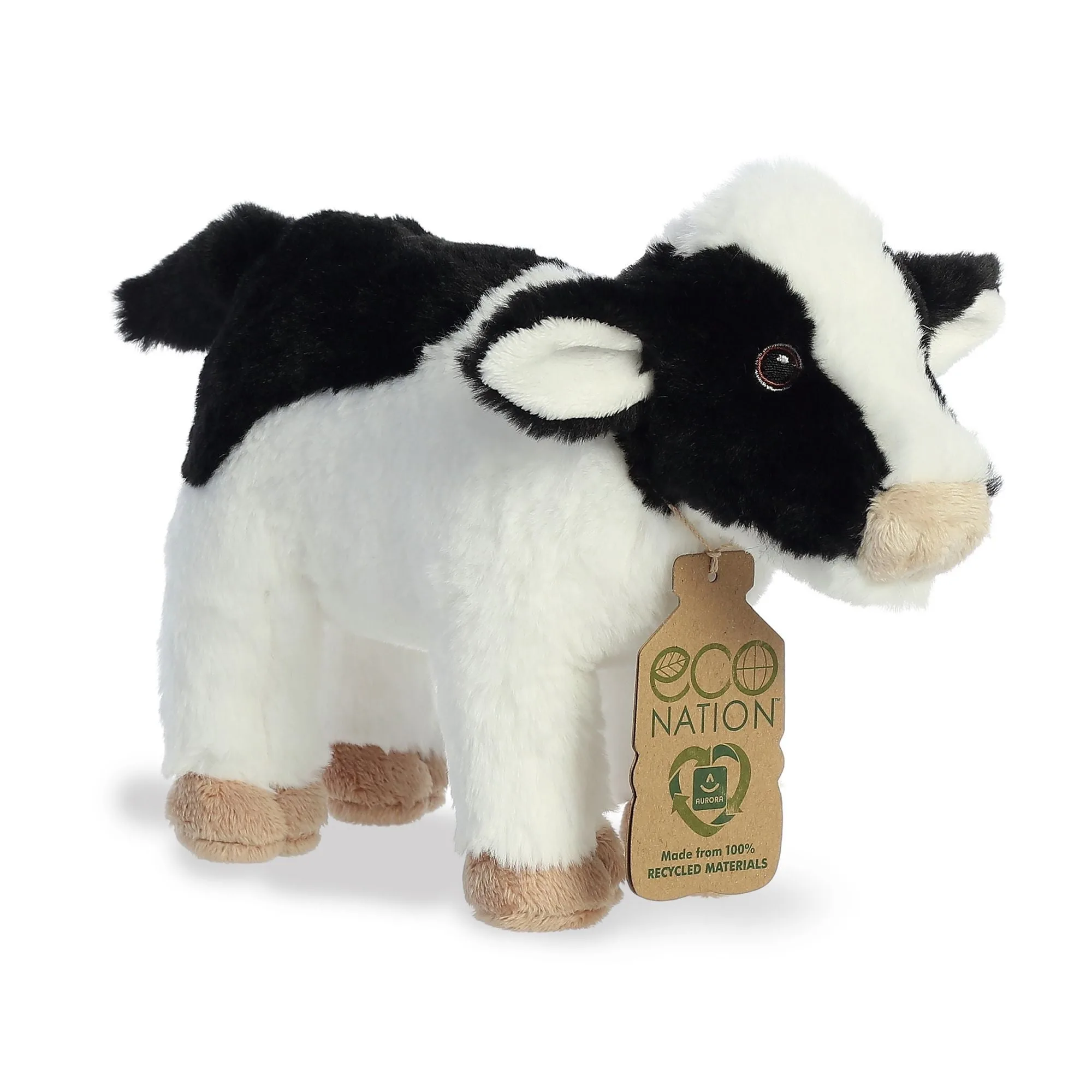
- Aurora Eco Nation Cow Plush: Eco Nation is a sustainable plush line made from 100% recycled materials, and this cow stands 10 inches tall with embroidered eyes, age 0+. A plush companion can extend puzzle play into pretend play for younger siblings who are not ready for small jigsaw pieces.
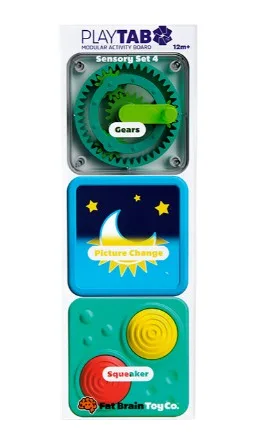
- PlayTab Tiles Set 4: PlayTab Tiles Set 4 includes multiple sensory activity tiles that snap into the PlayTab modular board, with tiles about 3 inches square for ages 12 months and up. For toddlers, a sensory tile set is a safer first step than a jigsaw, and it builds the fine motor control kids need before they graduate to puzzles.
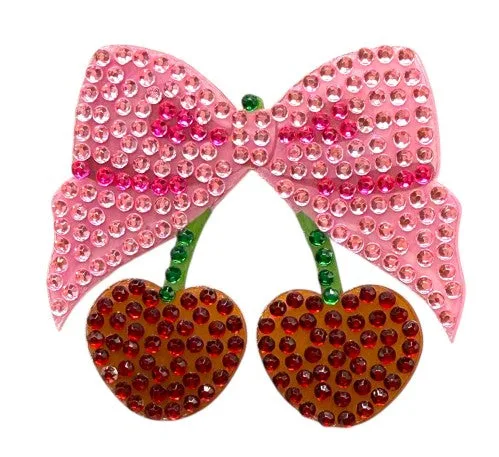
- StickerBean Cherry Bow: StickerBean Cherry Bow is an individual cherry-and-bow themed sticker for ages 3+, designed for personalizing stationery, accessories, and crafts. Stickers are a low-cost way to add a puzzle theme to a notebook or water bottle when a full puzzle feels like too much of a commitment.
Which Puzzle Should You Choose?
Best for
- Families who want a portable, gift-ready puzzle with distinctive artwork
- Kids who need a quick-finish activity to build confidence
- Collectors who match puzzles to a themed shelf of toys and figurines
Not for
- Buyers who need the lowest cost per puzzle across many puzzles
- Kids ready for high piece counts and long multi-session builds
- Shoppers who want a single brand that covers every difficulty level
Mudpuppy puzzles and standard jigsaw puzzles solve different problems, so the right choice depends on whether you value artwork and portability or piece count and price. Buy Mudpuppy for quick, themed play and standard jigsaws for progression. If you are unsure, start with one of each and let your child's habits decide the next purchase.