When you think of collagen, you probably picture glowing skin, strong nails, and flexible joints. But did you know that collagen also plays a vital role in your gut health? Emerging research and centuries of traditional use suggest that collagen peptides can support the integrity of your digestive tract, soothe inflammation, and even help with conditions like leaky gut syndrome.
leaky gut
In this article, we’ll explore the connection between collagen and gut health, how collagen supports digestion, and what you should know before adding a collagen supplement like https://ancientnutritionve.com/products/multi-collagen-protein-445448https://ancientnutritionve.com/products/multi-collagen-protein-multi-collagen-protein-vanilla-445456https://ancientnutritionve.com/products/multi-collagen-protein-multi-collagen-protein-chocolate-445457Multi Collagen Protein to your daily routine.
How Collagen Supports Gut Health
Collagen is the most abundant protein in your body, providing structure to your skin, bones, muscles, and connective tissues. But it’s also a key component of the gut lining. The intestinal wall is made up of a single layer of cells held together by tight junctions, and collagen helps maintain the strength and integrity of this barrier.
When you consume collagen peptides, they are broken down into amino acids, including glycine, proline, and glutamine. These amino acids are not only building blocks for collagen but also play direct roles in gut health. Glycine, for instance, has anti-inflammatory properties and helps soothe the digestive tract, while glutamine is a primary fuel source for the cells lining your intestines.
- Glycine helps reduce inflammation in the gut and supports the healing of the intestinal lining.
- Proline is involved in tissue repair and helps maintain the structural integrity of the gut.
- Glutamine nourishes enterocytes, the cells that line the intestines, promoting a healthy barrier.
Collagen and Digestion: The Connection
Digestion is a complex process that requires a healthy gut lining to absorb nutrients and keep harmful substances out. When the gut lining becomes compromised, it can lead to a condition often referred to as 'leaky gut,' where undigested food particles and toxins pass into the bloodstream, triggering inflammation and immune responses.
Collagen can help support digestion by providing the amino acids needed to repair and maintain the gut lining. Additionally, collagen is rich in glycine, which helps regulate stomach acid production and supports the breakdown of food. Some people also find that collagen helps soothe symptoms of acid reflux and indigestion, making it a valuable addition to a gut-friendly diet.
Collagen for Leaky Gut: What the Research Says
Leaky gut syndrome is a term used to describe increased intestinal permeability. While it’s not yet a formal medical diagnosis, many healthcare practitioners recognize it as a contributor to various health issues, including food sensitivities, autoimmune conditions, and chronic inflammation. Collagen is often recommended as part of a protocol to support gut healing.
Although more research is needed, studies have shown that collagen peptides can help maintain the integrity of the intestinal barrier. For example, a study published in the journal 'Nutrients' found that collagen peptides reduced the expression of proteins that increase intestinal permeability in human cell models. Another study in rats showed that collagen hydrolysate helped protect the gut lining from damage caused by stress and inflammation.
- Look for collagen supplements that contain multiple types of collagen for comprehensive gut support.
- Consider combining collagen with probiotics to support a healthy gut microbiome.
- Always consult with a healthcare provider before using collagen to address specific health conditions.
Choosing the Right Collagen for Gut Health
Not all collagen supplements are created equal. For gut health, you want a high-quality collagen that is easily absorbed and contains the right amino acid profile. Multi Collagen Protein is an excellent choice because it combines five types of collagen (I, II, III, V, and X) sourced from different animals, providing a broad spectrum of benefits.
Type I and III collagen are particularly beneficial for the gut, as they are the main types found in the intestinal lining. Multi Collagen Protein also includes collagen from bone broth, which is rich in glycine and proline, further supporting gut health. Additionally, it's unflavored or comes in delicious flavors, making it easy to incorporate into your daily routine.
How to Incorporate Collagen into Your Gut-Healthy Diet
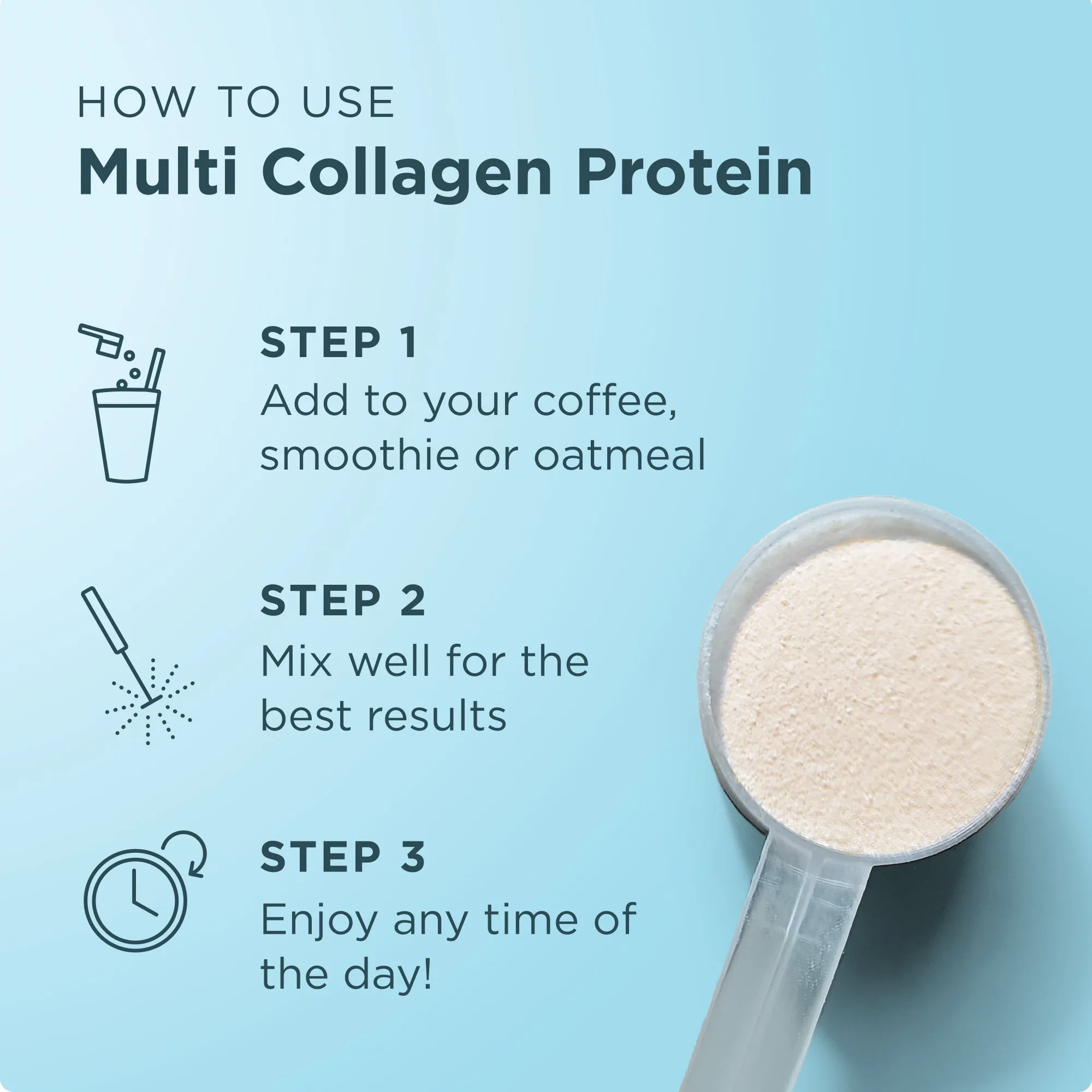
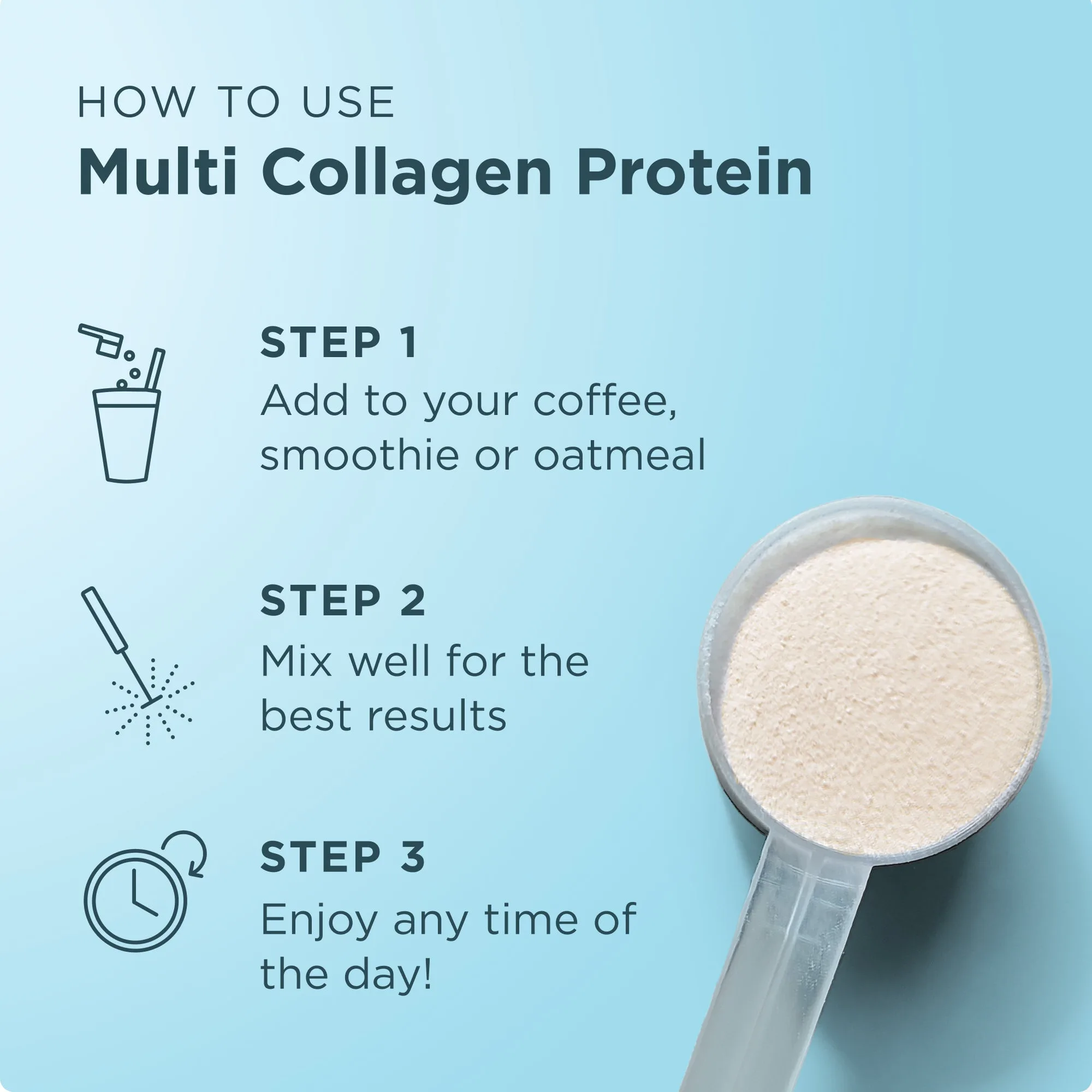
Adding collagen to your diet is simple and versatile. You can mix collagen powder into your morning coffee, smoothie, or even water. It dissolves easily and doesn't have a strong taste, so it won't disrupt the flavor of your favorite beverages. For gut health, consistency is key, so aim to take collagen daily.
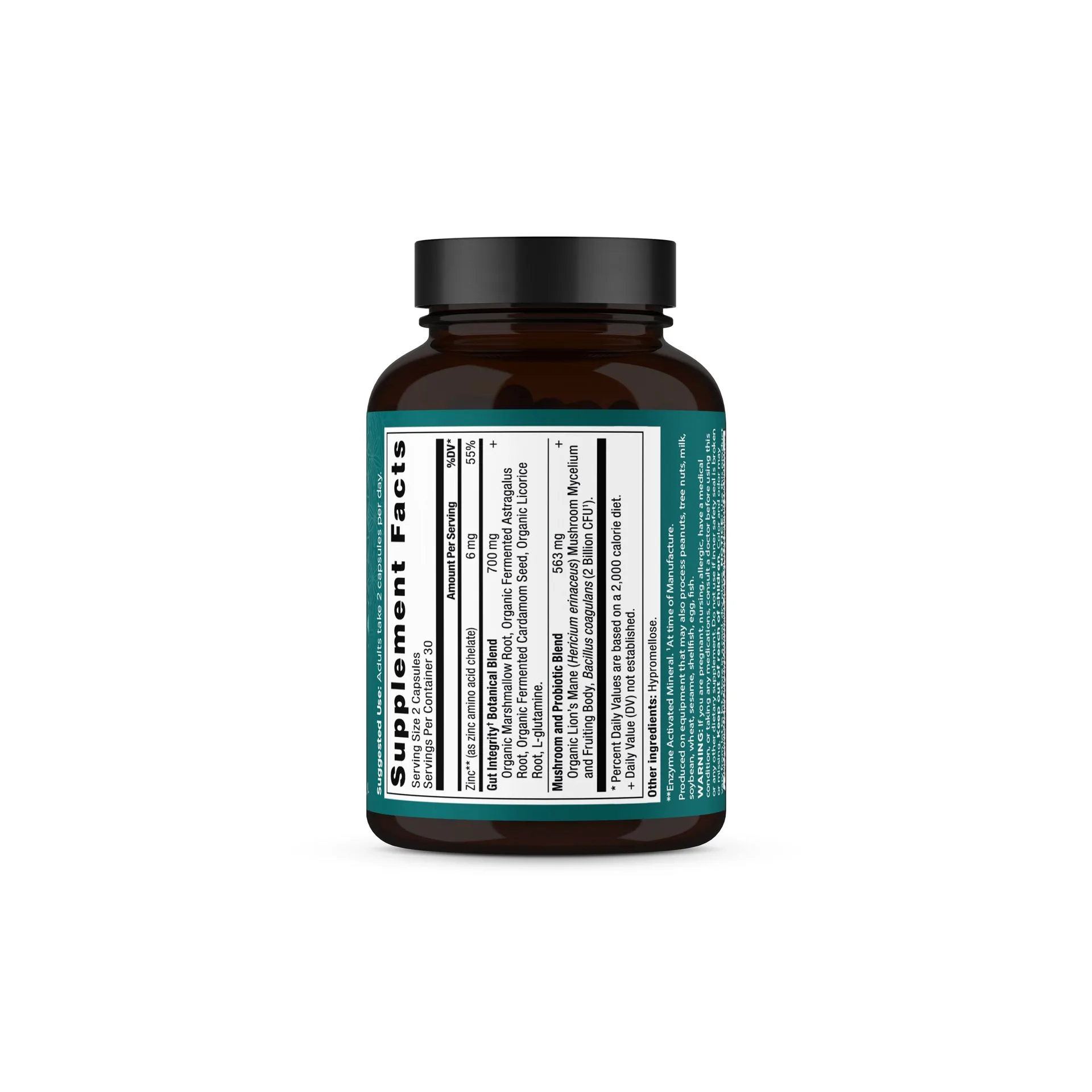
You can also boost your gut health by combining collagen with other gut-supportive nutrients. For example, a diet rich in fiber, fermented foods, and probiotics can complement collagen's benefits. Consider adding a high-quality probiotic supplement like SBO Probiotics to your routine to support a healthy microbiome, which works synergistically with collagen to maintain gut integrity.
- Start with a small dose and gradually increase to the recommended serving.
- Mix collagen into warm liquids like tea or broth for better dissolution.
- Pair collagen with vitamin C-rich foods to enhance absorption.
Collagen offers promising benefits for gut health, from supporting digestion to helping repair the intestinal lining. By choosing a high-quality product like Multi Collagen Protein and incorporating it into a balanced diet, you can take proactive steps toward better digestive wellness. Always listen to your body and consult a healthcare professional if you have underlying health conditions.