Quick Answer
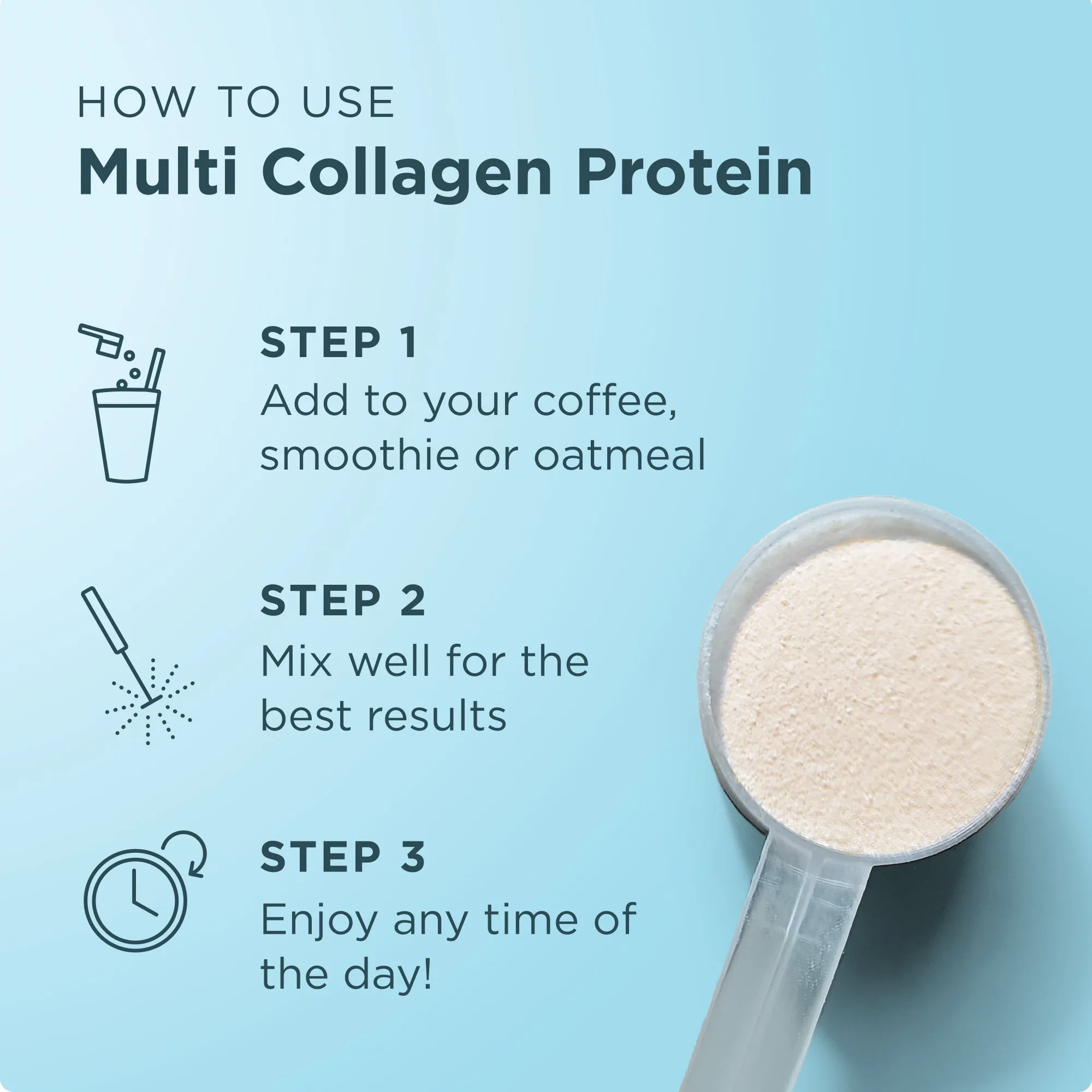
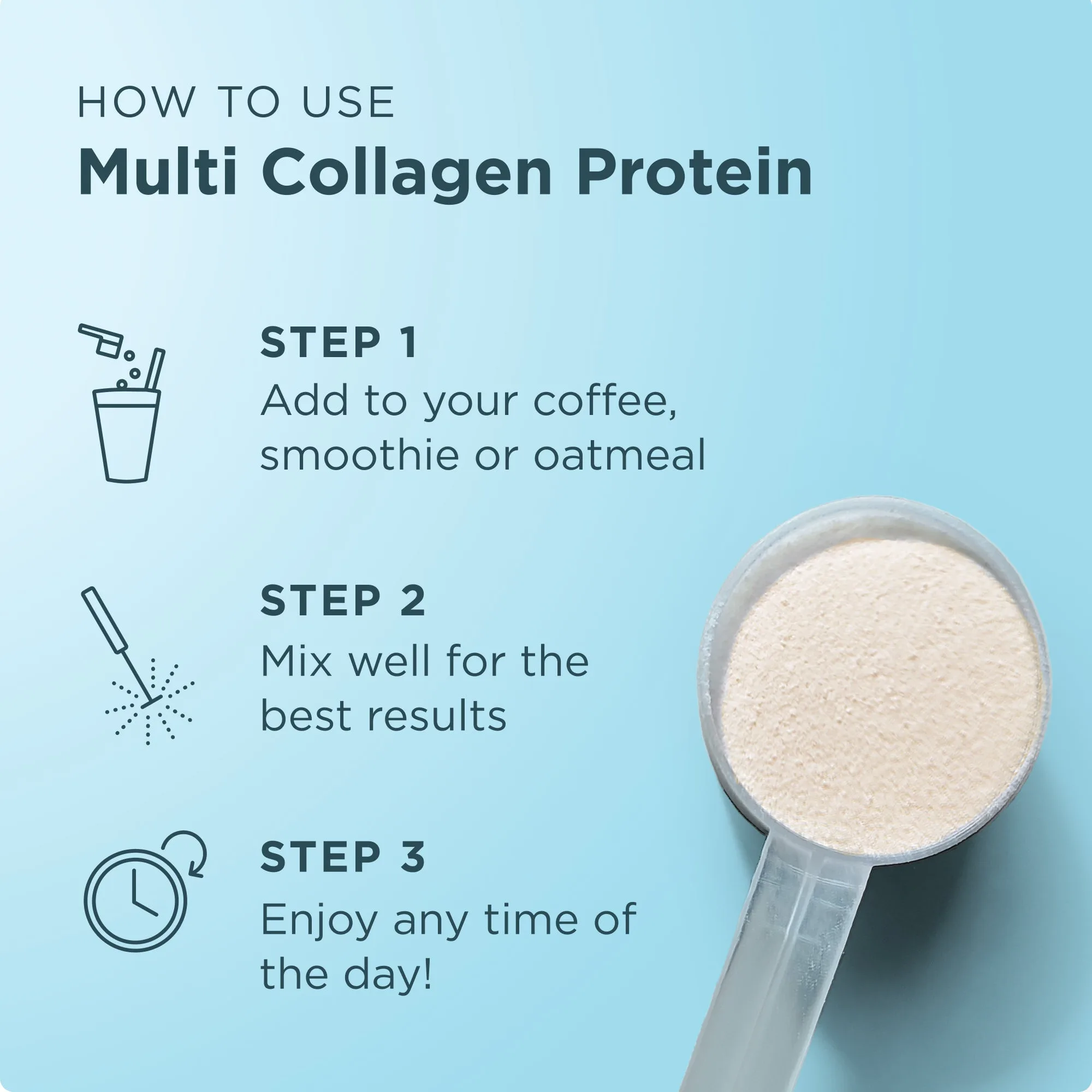
If your primary goal is muscle building and satiety, a plant-based or whey protein is the better choice. If you want to support your gut, skin, and joints while adding a unique collagen blend, https://ancientnutritionve.com/products/multi-collagen-protein-445448https://ancientnutritionve.com/products/multi-collagen-protein-multi-collagen-protein-vanilla-445456https://ancientnutritionve.com/products/multi-collagen-protein-multi-collagen-protein-chocolate-445457https://ancientnutritionve.com/products/multi-collagen-protein-multi-collagen-protein-powder-pure-100-servings-445459Multi Collagen Protein is a versatile option. For most people, the best approach is to use both strategically—collagen for connective tissue and a complete protein for muscle recovery.
Protein powders are a staple for fitness enthusiasts and health-conscious individuals alike. But with so many options on the shelf, the collagen vs plant protein debate often leaves people confused. Both offer distinct benefits, and the right choice depends on your specific goals—whether you're aiming for muscle growth, joint support, or overall wellness.
In this comparison, we'll break down the key differences between Multi Collagen Protein and plant-based protein powders, examining their amino acid profiles, digestion, and practical uses. By the end, you'll know exactly which one fits your lifestyle and how to incorporate it into your routine.
Understanding the Protein Types
Collagen protein is derived from animal sources like bovine hide, fish, and chicken bone broth. It's rich in specific amino acids—glycine, proline, and hydroxyproline—that are crucial for connective tissue, skin elasticity, and joint health. However, collagen is not a complete protein because it lacks tryptophan and is low in other essential amino acids, making it less effective for muscle protein synthesis on its own.
Plant-based proteins, such as pea, rice, or hemp, are often blended to provide a complete amino acid profile. They are excellent for muscle repair and growth, and they are naturally lactose-free and vegan-friendly. Many plant proteins also come with added fiber and digestive enzymes, making them a great choice for those with dairy sensitivities or ethical preferences.
- Collagen: incomplete protein, high in glycine and proline, supports connective tissue.
- Plant protein: complete protein, ideal for muscle building, often hypoallergenic.
Amino Acid Profiles and Muscle Building
When it comes to muscle building, the leucine content in a protein is a key factor. Leucine triggers muscle protein synthesis. Most plant-based proteins, especially pea protein, are high in leucine, making them effective for post-workout recovery. In contrast, collagen contains very little leucine, so relying on it alone for muscle growth would be counterproductive.
However, collagen's unique amino acids play a different role. Glycine and proline are precursors for collagen synthesis in the body, which can strengthen tendons, ligaments, and skin. This is why many athletes use collagen alongside their regular protein to support joint health and prevent injuries, rather than as a primary muscle builder.
- For muscle: choose a complete protein with high leucine.
- For joints: collagen provides targeted support for connective tissue.
Digestibility and Dietary Restrictions
Collagen peptides are highly bioavailable and easy to digest, especially when hydrolyzed. They are also gentle on the stomach, making them a good option for those with sensitive digestion. However, because collagen is animal-derived, it's not suitable for vegans or vegetarians.
Plant-based proteins are naturally lactose-free and often free from common allergens. They can be more difficult to digest for some people due to fiber content or anti-nutrients, but many brands add digestive enzymes to improve absorption. If you have a dairy allergy or follow a vegan diet, a plant-based protein is the clear choice.
- Collagen: easy to digest, but not vegan.
- Plant protein: vegan-friendly, but may need enzymes for optimal digestion.
Trade-Offs to Consider
- Muscle Building vs. Joint Support: Plant proteins (and whey) provide complete amino acids for muscle synthesis, while collagen is incomplete but offers unique benefits for connective tissue. If you prioritize muscle, choose a complete protein; for joint health, add collagen.
- Vegan vs. Animal-Derived: Plant proteins are plant-based and suitable for vegans; collagen is animal-derived and not vegan-friendly. If you follow a vegan diet, plant protein is the only option.
- Digestion and Allergens: Collagen is gentle on the stomach but not for those with fish or egg allergies; plant proteins are hypoallergenic but may cause bloating in some. Consider your sensitivities when choosing.
Product Facts
- Multi Collagen Protein: Multi Collagen Protein features a Multi Collagen Complex with hydrolyzed bovine hide collagen peptides, fermented eggshell membrane collagen, chicken bone broth protein concentrate, and hydrolyzed fish collagen peptides. This blend provides multiple collagen types, which can support skin, joints, and gut health simultaneously. It's a versatile option for overall wellness.
- Whey Protein + Fat Loss * Blend - Ancient Nutrition: Whey Protein + Fat Loss * Blend is made with easy-to-digest whey and a clinically studied Fat Loss†* Blend, delivering 23g of protein to help you burn calories†* and increase your... If your goal is weight management and muscle building, this whey protein offers a complete protein source with added fat loss support, making it a practical choice for fitness enthusiasts.
Which Should You Choose?
Best For
- Athletes and bodybuilders looking to build muscle and improve recovery.
- Vegans and vegetarians needing a complete protein source.
Not For
- Those seeking targeted joint and skin support (choose collagen instead).
- Individuals with dairy allergies (unless using a plant-based protein).
Ultimately, the best protein powder depends on your unique goals. If you're focused on muscle growth and need a complete protein, a plant-based or whey option is ideal. If you're looking to support your joints, skin, and gut while adding a versatile protein to your routine, Multi Collagen Protein is a fantastic choice. For many, combining both can provide comprehensive benefits. Explore our range of protein supplements to find the perfect fit for your lifestyle.