Quick answer
Choose the Multilong Talutin II if you need one leash that adapts from 100 cm to 300 cm, can be worn around the waist or shoulder, and lets you walk two dogs at once. Stick with a standard fixed leash if you rarely change length, prefer the lightest possible lead, or walk in dense areas where a long line becomes a tangle risk.
What the Multilong Talutin II actually changes
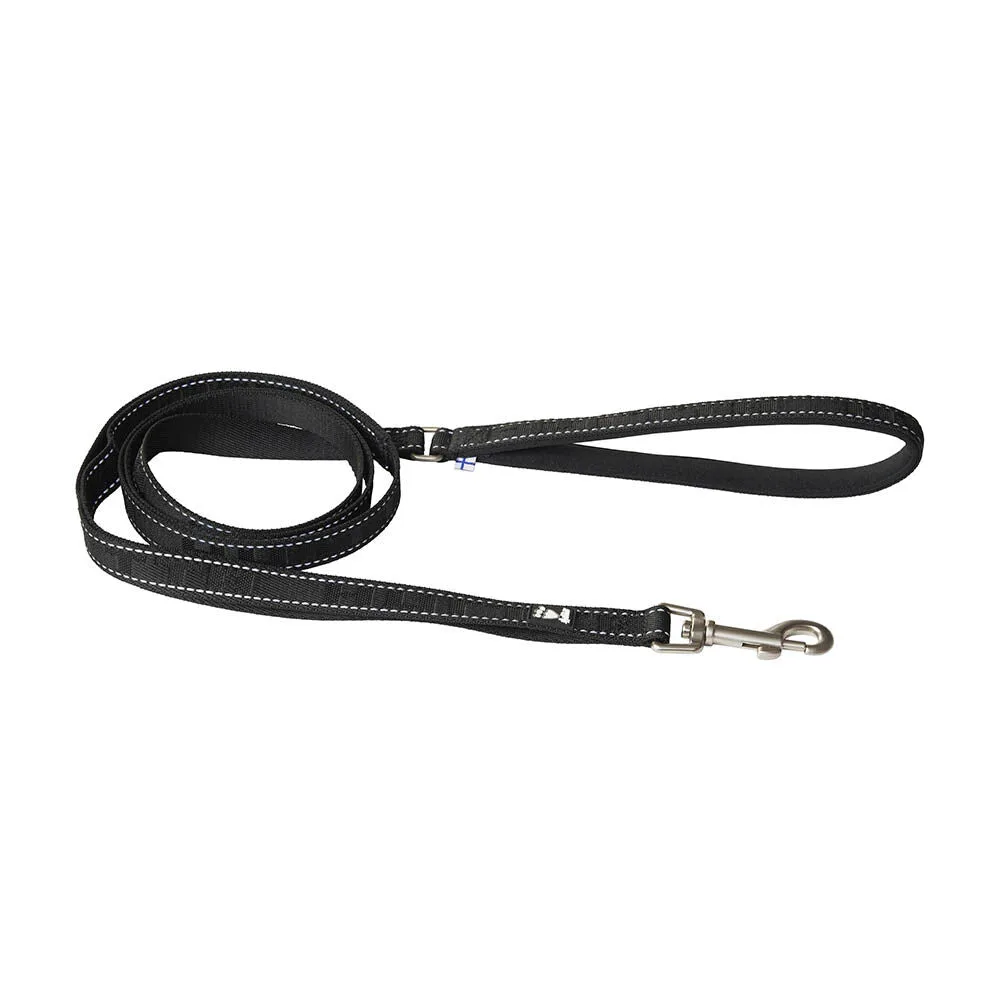
The Multilong Talutin II is a convertible leash, not just an extra-long one. Its stepless length adjustment runs from 100 cm to 300 cm, so you can shorten it for pavement and crossings, then extend it for sniffing or recall practice. The same leash can be worn around the waist or shoulder for running and brisk walks, and it can be set up to walk two dogs at once. That flexibility is the real product, and it matters most when your walking routine changes often.
Where a standard fixed leash still wins
A standard leash has fewer points of failure and less hardware to manage. If your walks are mostly the same route at the same pace, a fixed-length lead is simpler to coil, clip, and hand off. In crowded pavements, shops, or tight stairwells, a long adjustable line can brush legs and catch on obstacles. A fixed leash also makes it easier to keep a consistent heel position because there is no temptation to let out more line mid-command.
Match the leash to your dog's size and pace
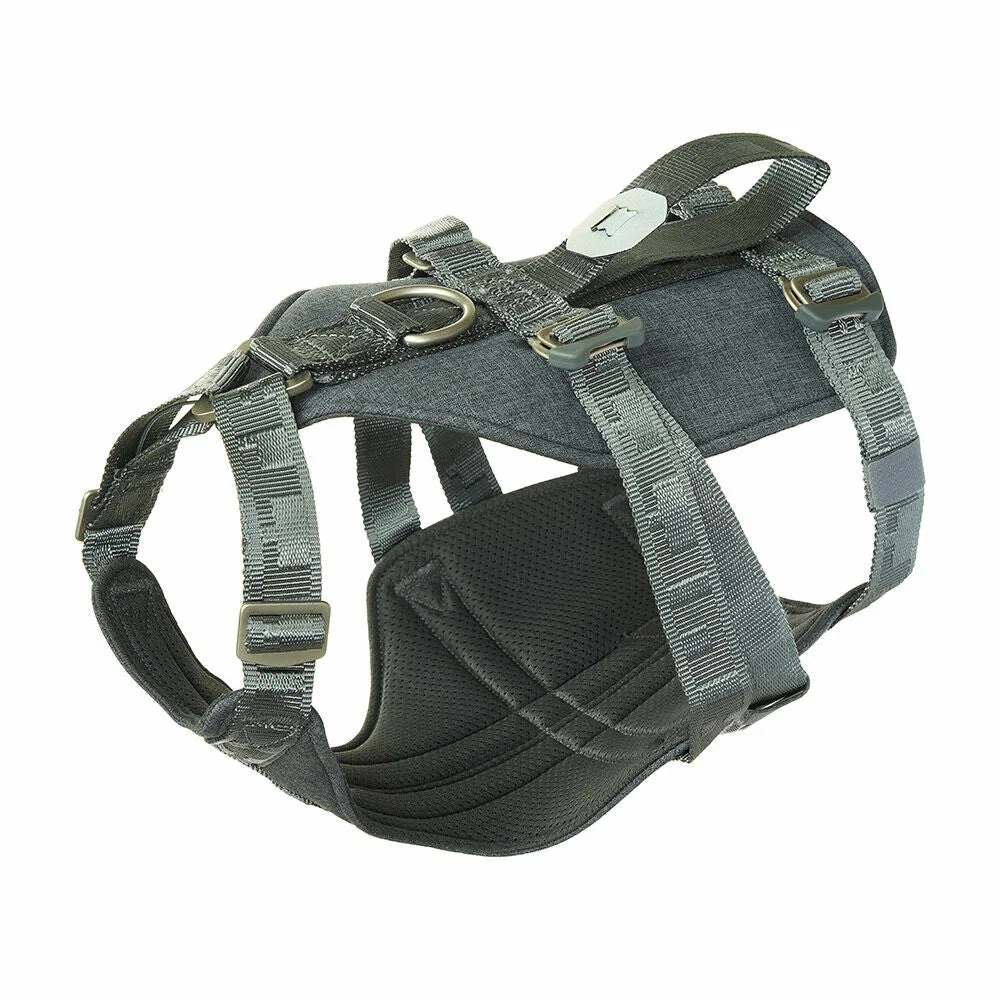
Small and medium dogs, including puppies, benefit from the light hardware and soft materials of a harness like the Seeker Valjas, which is designed for them and offers plenty of adjustment. Large, powerful dogs need a harness that stays put and does not restrict foreleg movement, such as the Rover Valjas. Pairing the right harness with the Multilong Talutin II keeps control predictable when you switch between short and long settings. For everyday reliability on a budget, the Casual Y-valjas ECO is a solid baseline with recycled materials and 3M reflectors.
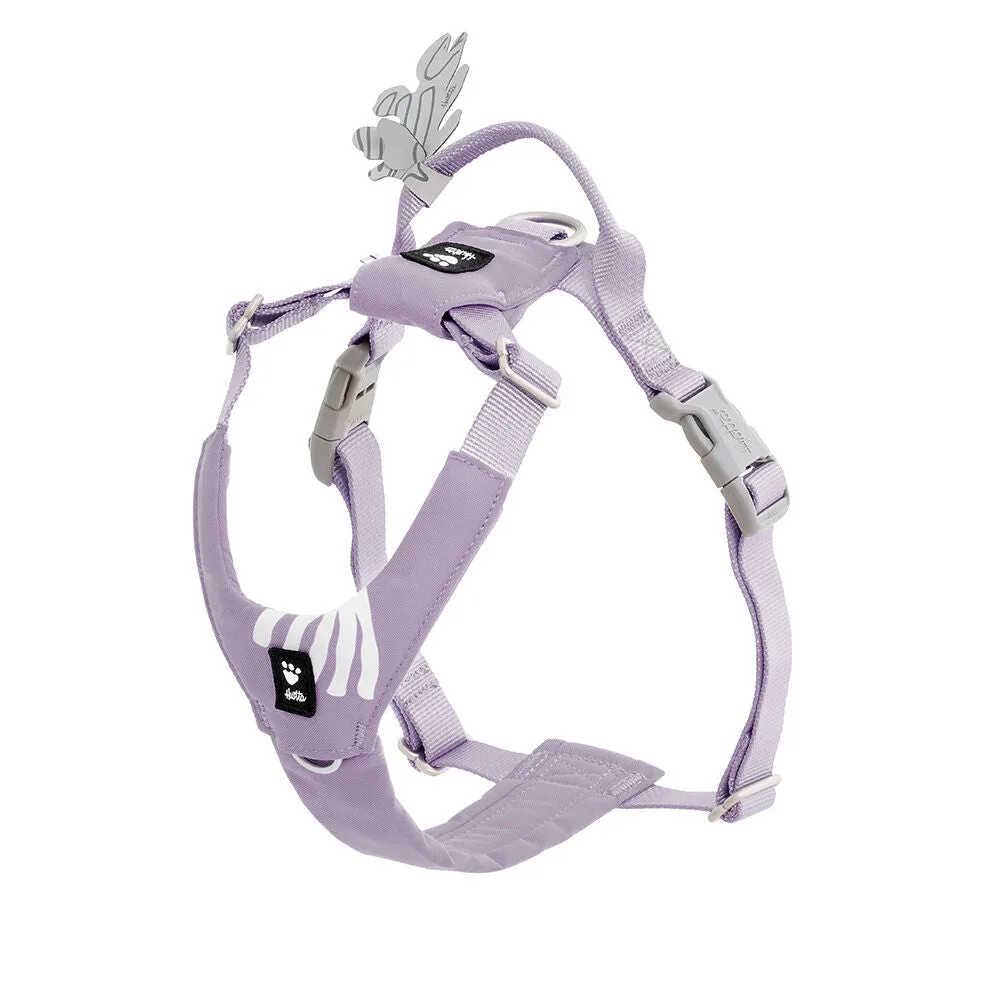
Seeker Valjas
When a multi-length lead helps recall training
Recall training needs distance without a loose dog. The Multilong Talutin II lets you work at a controlled 3-meter length, then shorten immediately as your dog returns. That smooth transition is harder with a fixed long line because you have to gather slack by hand. Use the adjustable length as a training tool only in safe, enclosed areas, and always check local leash laws before extending the lead in public.
Decision rules for choosing between the two
- You change walking environments often: If a single walk includes busy pavement, a park, and a training field, the Multilong Talutin II covers all three without swapping gear. Choose the adjustable leash.
- Your dog is small or still growing: A lightweight harness such as the Seeker Valjas pairs well with the Multilong Talutin II because both are designed for smaller frames and offer adjustment. Prioritize light hardware and a secure harness fit.
- You walk two dogs together: The Multilong Talutin II can be configured for two dogs, which removes the need for a separate coupler. Check that both dogs are comfortable walking at the same pace before relying on this setup.
- Your walks are short, repetitive, and in tight spaces: A standard fixed leash is lighter, simpler, and less likely to catch on street furniture. Stay with a fixed leash unless you need the extra length.
Product facts that affect your choice
- Multilong talutin II: Stepless length adjustment from 100 cm to 300 cm. You can shorten for traffic and extend for sniffing or recall work without carrying a second leash.
- Rover valjas: Designed so straps and padding do not interfere with the foreleg movement of large dogs, and to stay in place rather than slide side to side. A stable harness keeps the leash connection predictable when you change length or switch to waist mode.
- Casual Y-valjas ECO: Made from recycled webbing and padding, with neoprene padding and 3M reflectors. A practical everyday harness if you want reliable visibility and comfort without a specialist fit.
Who should choose which
Best for
- Owners who want one leash for pavement walks, trail sniffing, and recall practice
- Runners and hikers who want waist or shoulder attachment
- Households walking two dogs at once
Not for
- Owners who never change leash length and want the simplest possible gear
- Walkers in very crowded areas where a long line becomes a trip hazard
- Dogs that chew through webbing when given slack