Quick answer
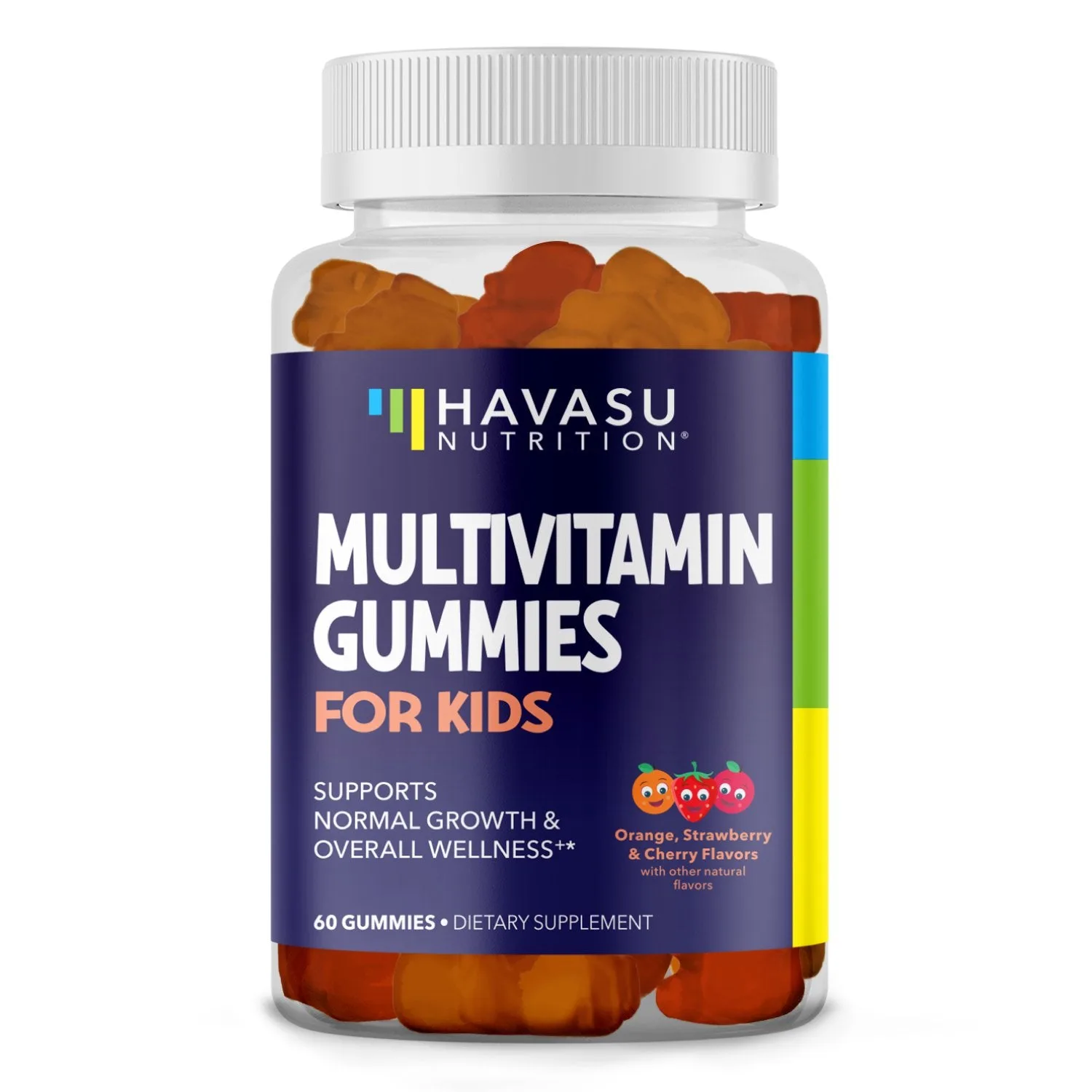
Buy a kids multivitamin gummy only after you check three things: the exact serving size on the label, whether the formula is built to fill nutrient gaps rather than replace meals, and whether your child will actually take the flavor daily. If your child already eats a varied diet and takes no other fortified products, a gummy is a convenience, not a requirement. If you want a fruit-flavored option with a clear 60-count supply, Havasu Nutrition Multivitamin Gummies for Kids is a reasonable starting point, but confirm the serving size on the bottle before you commit.
Start with the serving size, not the flavor
The most common buying mistake is choosing a gummy by flavor and price, then discovering the label says two or three gummies per serving. That changes your cost per day and your supply length. A 60-count bottle at one gummy per day lasts about two months; at two gummies per day it lasts one month. Before you compare brands, read the serving line and do that math for your own child. If the serving size is not stated clearly on the listing, treat that as a reason to keep looking rather than a detail you can assume.
Decide what job the gummy is doing
Kids' gummies are usually positioned as gap-fillers, not meal replacements. The Havasu Nutrition kids gummy is described as supporting health and wellness, promoting cellular energy production, and helping fill nutrient gaps in the diet. That is a support role. If your child is a consistently picky eater, a gummy may be a small part of the plan, but it does not replace working with a pediatrician on the bigger picture. If your child already takes a fortified cereal, a flavored milk drink, and a gummy, you may be stacking the same vitamins from several sources, which is worth reviewing with their doctor.
Flavor and texture decide whether it gets taken
A supplement only works if it is actually consumed. Fruit-flavored gummies tend to win with kids because they read as a treat, but texture matters as much as taste. Some children reject chewy or sticky gummies, and some parents prefer a gummy over a chewable tablet or liquid because it is less messy. If your child has rejected gummies before, buy the smallest available size first rather than a large bottle. Also check whether the gummy needs refrigeration after opening, since that affects whether it fits your routine.
Check the label for what is not there
Parents often focus on what a gummy contains and skip what it avoids. Look at the allergen and additive lines: does it contain gelatin, artificial colors, or common allergens your child avoids? If the listing does not state this, ask the seller before buying rather than guessing. For children with allergies or dietary restrictions, an unclear label is a stop sign. This is also where a store with a real customer service channel is worth more than a slightly lower price.
Set a daily routine and store it safely
Gummies look like candy, so storage is a safety issue, not just an organizational one. Keep the bottle out of reach, give the gummy at the same time each day so it becomes a habit, and never let a child self-serve from the bottle. If your child takes any prescription medication, check with their pediatrician before adding a multivitamin, since some nutrients interact with medications. Write the start date on the bottle so you know when to reorder and when the supply is running low.
Decision rules for picking a kids multivitamin gummy
- If the label does not state a serving size: Skip it. You cannot calculate cost per day or supply length, and you cannot tell whether your child is getting the intended amount. No serving size, no purchase.
- If your child already takes a D3 or fortified product: Compare the nutrient lists side by side before adding a multivitamin gummy, because overlapping nutrients can add up across products. One label review before you stack supplements.
- If your child has food allergies or dietary restrictions: Confirm the allergen and additive information with the seller if it is not clearly listed. An unclear answer is a reason to choose a different product. Ask first, buy second.
- If your child has never taken a gummy before: Buy the smallest size available and test it for a week before committing to a larger bottle, since texture rejection is common. Small first, bulk later.
- If your child takes prescription medication: Ask their pediatrician before starting any multivitamin, because some nutrients interact with medications. Pediatrician sign-off comes before the first gummy.
Product facts to compare
- Multivitamin Gummies for Kids, Fruit Flavor, 60ct: Multivitamin Gummies for Kids, Fruit Flavor, 60ct is described as supporting health and wellness, promoting cellular energy production, and helping fill nutrient gaps in a child's diet. This is a gap-filling formula rather than a meal replacement, so it fits best alongside a varied diet, not instead of one.
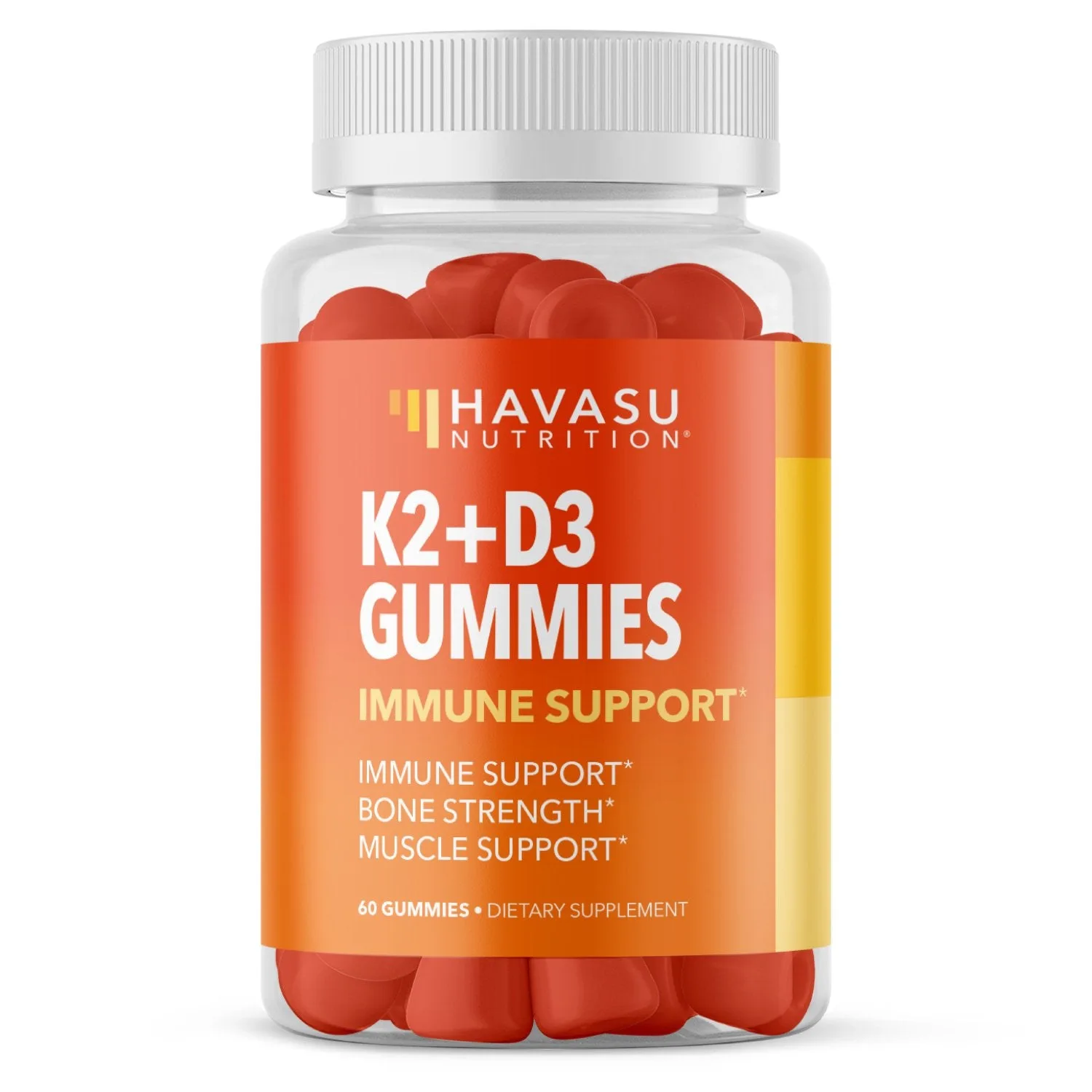
- K2 + D3 Gummies, 60ct: K2 + D3 Gummies, 60ct pairs vitamin D3 and K2, with D3 described as helping maintain strong bones, cardiovascular and immune system, muscle function, and cognitive performance. If your child already takes a kids multivitamin, adding a separate D3 product can duplicate nutrients, so compare labels before stacking supplements.
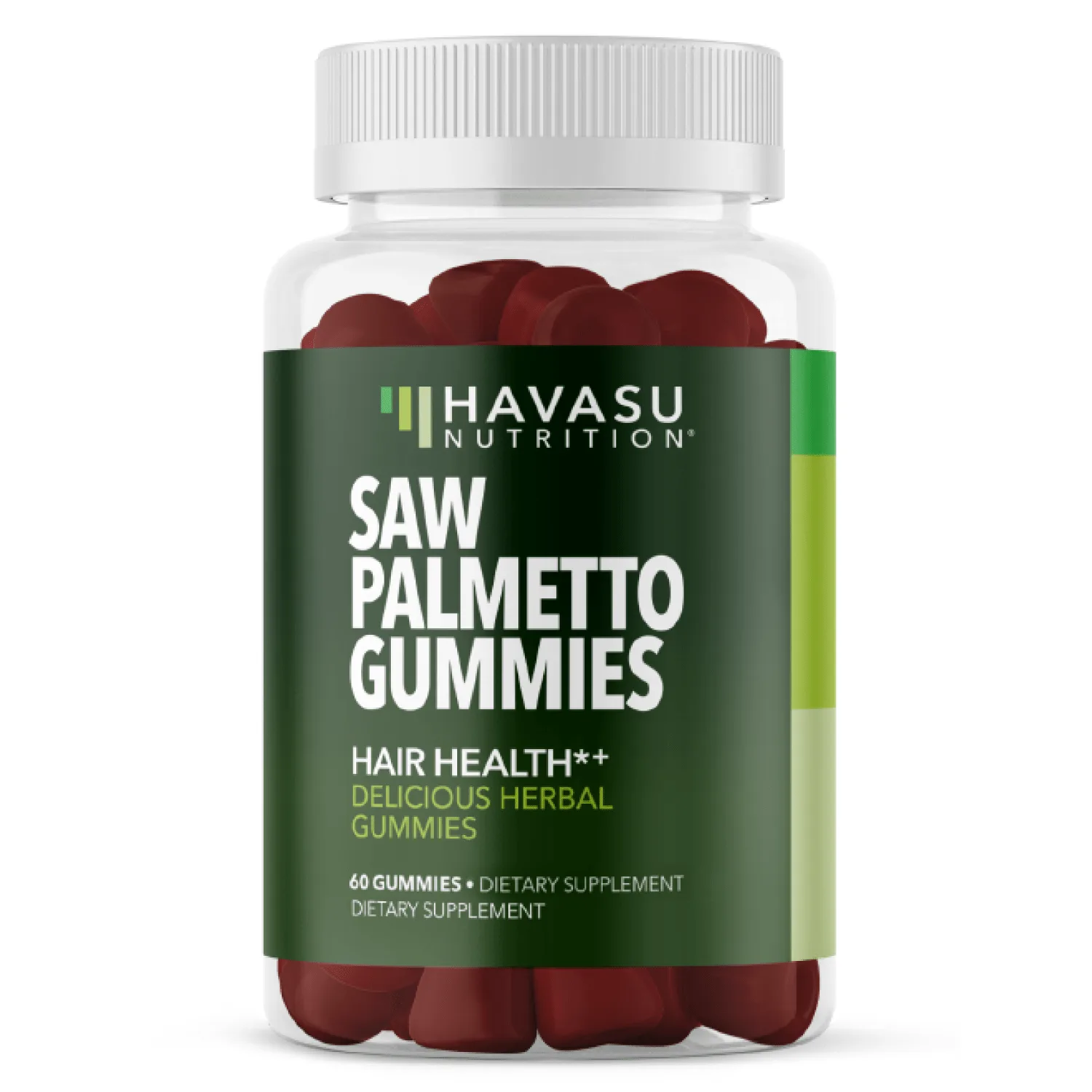
- Saw Palmetto Gummies, Raspberry Flavor: Saw Palmetto Gummies, Raspberry Flavor contains 60 mg of saw palmetto berry extract and is positioned around urinary and prostate health. This is an adult-oriented formula, not a children's product, so it should not be given to kids even though it comes in a gummy form.
Who this buying approach fits
Best for
- Parents of picky eaters who want a simple, fruit-flavored way to help fill nutrient gaps alongside meals
- Families who prefer a gummy over chewable tablets or liquids because it is easier to give consistently
- Parents who want a clear 60-count supply and will check the serving size before buying
Not for
- Children with food allergies or dietary restrictions when the allergen and additive information is not clearly stated
- Kids who already take multiple fortified products or a separate D3 supplement without a pediatrician review
- Anyone looking for a meal replacement or a treatment for a diagnosed nutritional deficiency