When it comes to daily nutrition, the debate between multivitamin patches and traditional pills is more relevant than ever. With busy schedules, digestive issues, and the quest for better absorption, many are turning to transdermal patches as a convenient alternative. But which one truly fits your needs? In this comparison, we'll break down the pros and cons of each method, helping you make an informed choice.
Whether you're a fitness enthusiast, a busy parent, or someone who simply forgets to take their vitamins, understanding how your body absorbs nutrients is key. Let's dive into the science and practicalities of multivitamin patches vs. pills.
How Multivitamin Patches Work
Multivitamin patches deliver nutrients directly through the skin and into the bloodstream, bypassing the digestive system entirely. This method, known as transdermal delivery, uses a patch applied to a clean, dry area of skin. The vitamins are absorbed over several hours, providing a steady release throughout the day.
One of the main advantages of this approach is that it avoids the stomach acid and digestive enzymes that can break down nutrients before they are absorbed. For individuals with sensitive stomachs or malabsorption issues, a patch can be a game-changer. The PatchMD Multivitamin Patch is a popular choice, offering a comprehensive blend of essential vitamins and minerals in a convenient, once-daily application.
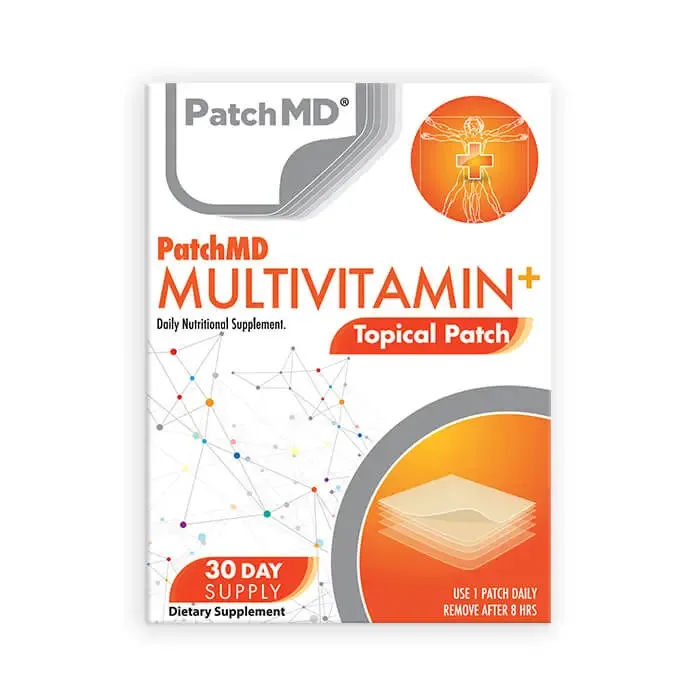
Multivitamin Patch
- Bypasses digestive system for direct absorption
- Steady release of nutrients over time
- Ideal for those with swallowing difficulties or nausea from pills
The Traditional Pill: Pros and Cons
Oral multivitamins have been the standard for decades. They are widely available, easy to store, and often more affordable upfront. However, they come with challenges. Some people experience stomach upset, and absorption can be inconsistent due to factors like food interactions and gut health.
Pills also require a daily commitment to remember to take them, and for those who travel or have busy mornings, it's easy to skip a dose. While many pills are formulated with enteric coatings or time-release technology, they still rely on the digestive tract, which can reduce bioavailability.
- Convenient and familiar format
- Potential for digestive discomfort or poor absorption
- Requires daily compliance and water to swallow
Absorption and Effectiveness: Patch vs. Pill
When comparing vitamin patch effectiveness to oral supplements, the key difference lies in bioavailability. Transdermal patches deliver nutrients directly into the bloodstream, avoiding first-pass metabolism in the liver. This can result in higher absorption rates for certain vitamins, especially B-complex and fat-soluble vitamins like D and K.
Oral supplements, on the other hand, must survive the harsh environment of the stomach before reaching the intestines where absorption occurs. Factors like age, digestive health, and the presence of other foods can significantly impact how much of the vitamin is actually absorbed. For those with compromised digestion, a patch may offer a more reliable solution.
The D3/K2 Topical Patch is an excellent example of a targeted patch that combines vitamin D3 and K2 for optimal bone and heart health, leveraging the benefits of transdermal delivery.
- Patches provide direct bloodstream delivery
- Pills are subject to digestive variability
- Consider your individual absorption needs
Convenience and Lifestyle Fit
For many, the deciding factor between patches and pills is convenience. Patches are applied once and forgotten, making them perfect for people with hectic schedules. They also eliminate the need to carry bottles or remember to take multiple pills throughout the day.
Pills require water, timing, and often multiple doses if you take separate supplements. If you're someone who travels frequently, a patch can simplify your routine. The All Day Pack: B12, Sleep & Multivitamin Patches offers a combination of energy, rest, and overall wellness in one convenient set, ideal for those who want comprehensive support without the hassle.
- Patches: apply once, no water or swallowing
- Pills: need to be taken with liquid and at the right time
- Patches are discreet and can be worn under clothing
Side Effects and Safety Considerations
Both methods are generally safe, but they come with different side effect profiles. Oral vitamins can cause nausea, constipation, or stomach cramps, especially when taken on an empty stomach. Patches may cause mild skin irritation at the application site, but this is often minor and can be avoided by rotating patch locations.
It's important to follow dosage recommendations and consult with a healthcare provider, especially if you have underlying health conditions or are taking medications. Transdermal delivery can sometimes lead to higher blood levels of certain vitamins, so monitoring is key.
- Patches may cause skin redness or itching
- Pills can trigger gastrointestinal discomfort
- Always consult your doctor before starting any supplement
Cost and Value Comparison
When comparing costs, pills often seem cheaper per bottle. However, considering the potential for better absorption and fewer missed doses, patches may offer better value in the long run. Many users find that they feel the benefits more consistently with patches, which can justify the slightly higher upfront cost.
PatchMD offers a range of options, including multipacks that provide savings. For example, the Young At Heart / Geriatric Adult Basics 2 Multipack is designed for older adults, combining essential nutrients in a convenient patch form, making it a cost-effective choice for those who need multiple vitamins.
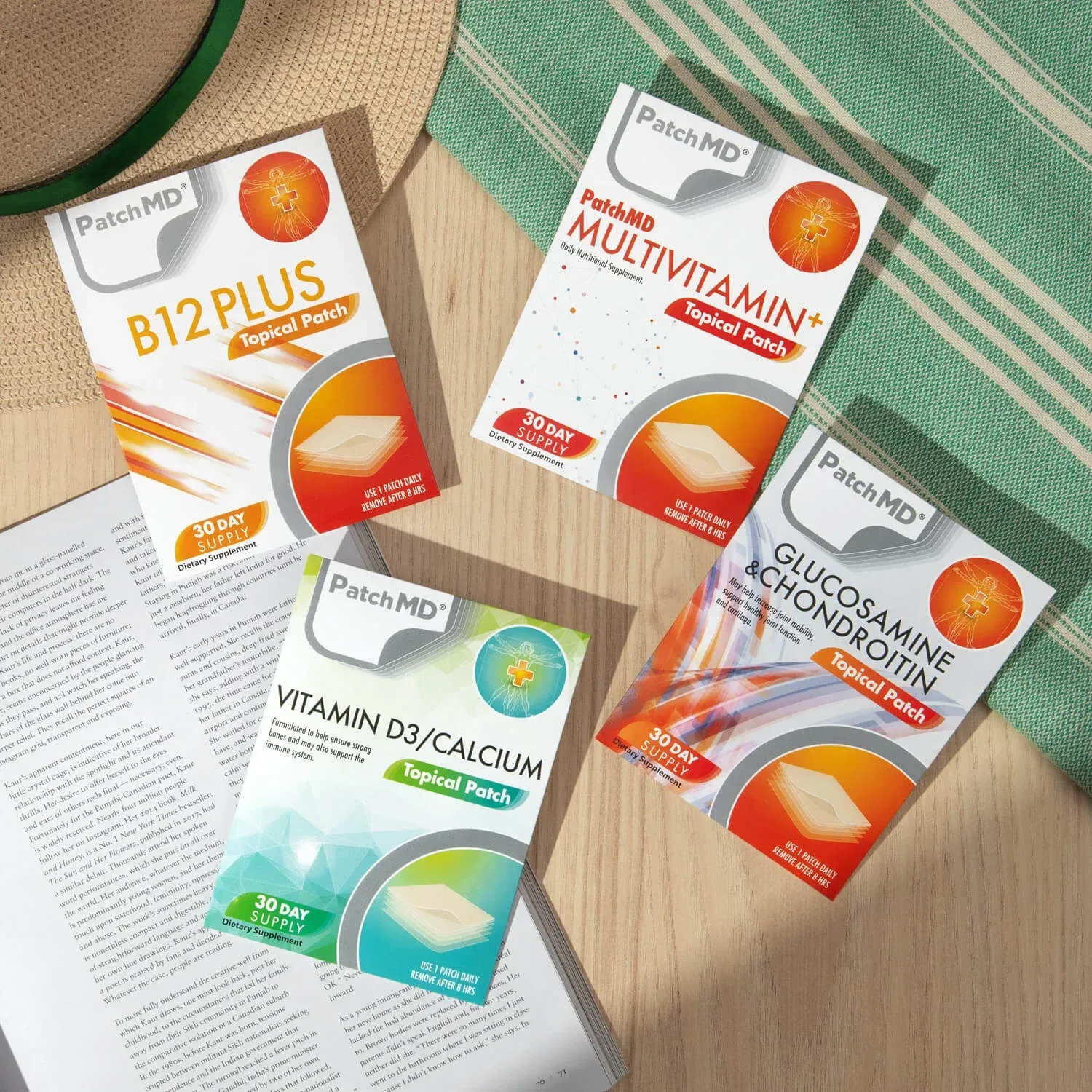
Young At Heart / Geriatric Adult Basics 2 Multipack
- Pills: lower initial cost, but potential waste from missed doses
- Patches: higher upfront cost, but consistent use and absorption
- Look for multipacks to save money
Ultimately, the choice between multivitamin patches and pills comes down to your lifestyle, health needs, and preferences. If you struggle with swallowing pills, have digestive issues, or simply want a more convenient way to get your daily nutrients, a transdermal patch like the PatchMD Multivitamin Patch could be the perfect solution. On the other hand, if you prefer the traditional route and have no issues with absorption, pills may still work for you. Consider your priorities and consult with a healthcare professional to make the best decision for your health.