Quick answer
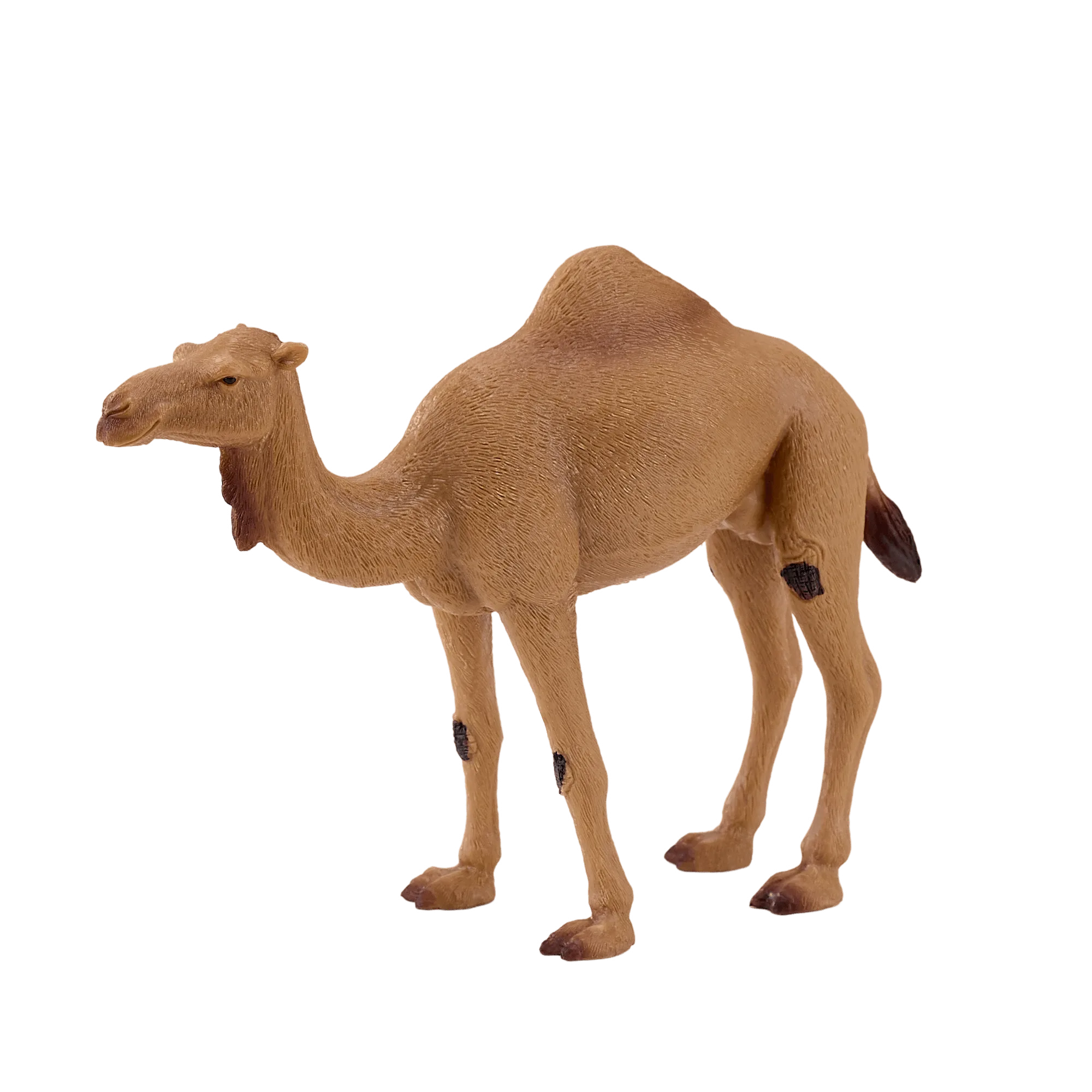
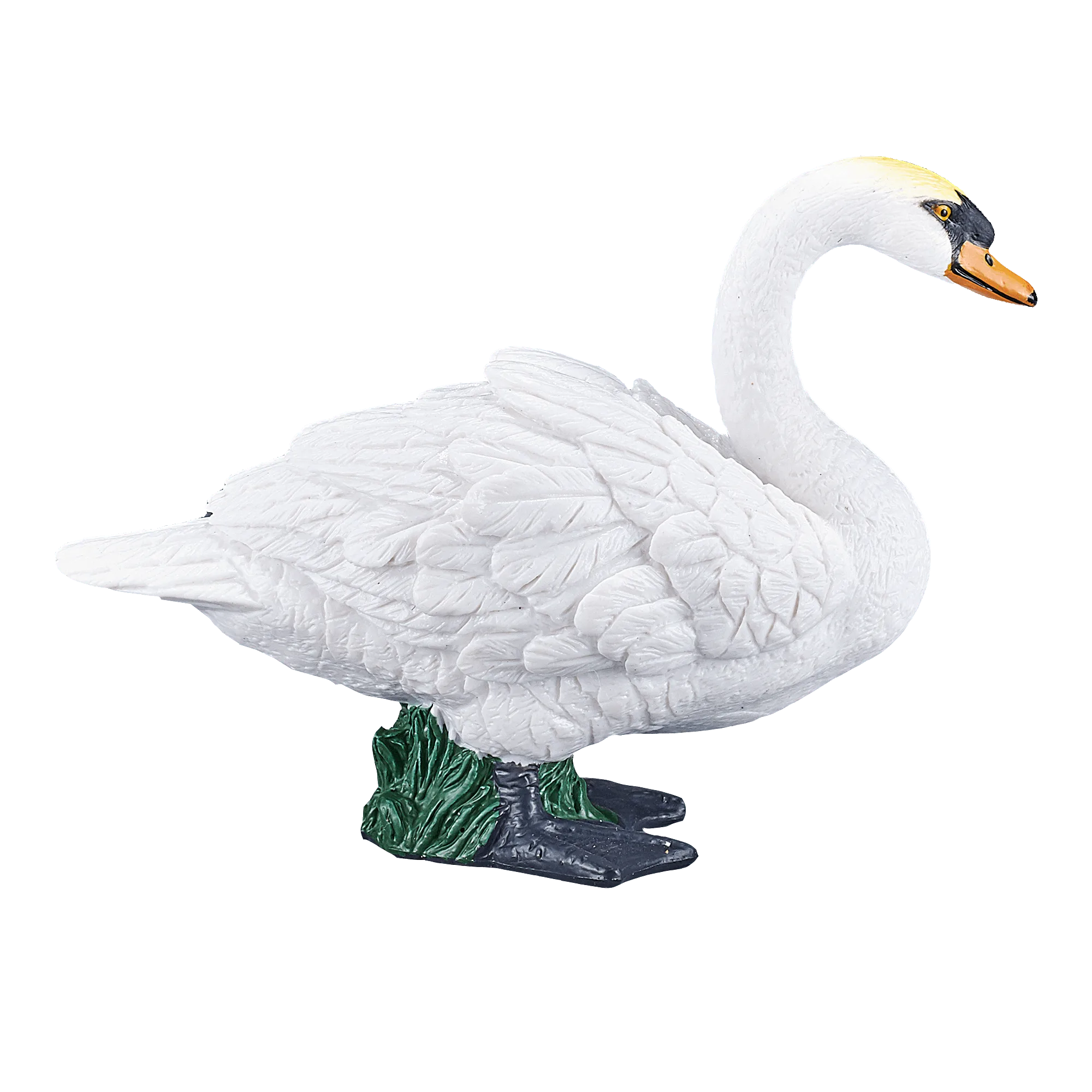
Choose the Mute Swan figure if you want a waterbird model with a streamlined body, long neck, and webbed feet for wetland or bird-focused displays. Choose the Arabian Camel figure if you need a hardy desert animal that can travel vast distances while carrying heavy loads for habitat lessons or play. Both are hand-painted and realistic, so your decision comes down to habitat and play style.
What the Mute Swan Figure Gets Right
The Mute Swan figure captures the bird's water adaptations: a streamlined body shape, a long neck, and webbed feet. These features make it a natural fit for pond, lake, or wetland dioramas where the model needs to look at home on or near water. The wings are sculpted to reflect the swan's strong flight muscles, a detail that matters because swans are among the few heavy birds that can fly, even if only for short distances. If your display or lesson touches on bird anatomy or waterbird survival, this figure gives you accurate talking points without extra research.
What the Arabian Camel Figure Gets Right
The Arabian Camel figure represents a desert animal built for endurance. Camels can survive without water for up to 10 months if they find food, and their slow-paced lifestyle lets them travel vast distances, sometimes more than 30 km in a day, while carrying loads that could exceed 200 kg. Those facts make this figure a strong choice for desert habitat projects, animal adaptation lessons, or any play scenario where carrying capacity and resilience are part of the story. The figure's realistic sculpting supports that narrative without needing extra props.
Play Value and Handling
Both figures are hand-painted and detailed, but they invite different kinds of play. The swan's long neck and slender legs mean it works best in calmer setups, such as a water feature or a shelf display, where it won't be knocked over easily. The camel has a stockier build that stands up well to being packed, loaded, and moved around during travel-themed play. If you're buying for a child who likes to act out journeys, the camel's durability and load-bearing pose will get more use. If the child prefers quiet observation or building habitats, the swan's delicate features reward careful placement.
Display and Collection Fit
For collectors, the two models serve different themes. The swan fits bird collections, wetland scenes, or any display that needs a graceful water element. The camel fits desert, savanna, or transport-themed collections and pairs well with other arid-habitat animals. Because both are hand-painted, they hold up as display pieces rather than just toys. If you're building a single habitat, pick the animal that matches your biome. If you're building a mixed collection, they complement each other without overlapping in function.
Trade-offs to weigh before you buy
- Habitat specificity: The Mute Swan is purpose-built for water scenes, while the Arabian Camel is built for desert and travel scenes. Neither works as a generic filler animal. Match the model to the habitat you plan to build or teach.
- Play durability: The camel's stocky build handles rough travel play better than the swan's slender neck and legs, which are more prone to tipping in active play. Choose the camel for energetic kids; choose the swan for gentle handling.
- Educational angle: The swan teaches water adaptations and short-distance flight in heavy birds. The camel teaches desert survival and load-carrying over long distances. Pick the fact set that matches your lesson or curiosity.
Key facts at a glance
- Mute Swan: Swans have many adaptations to survive on water, including a streamlined body shape, long neck, and webbed feet. Their wings are strong enough to let them fly short distances despite being heavy birds. These features make the Mute Swan figure a strong choice for wetland displays, bird anatomy lessons, or any scene that needs a water-adapted bird.
- Arabian Camel: Camels can survive without water for up to 10 months if they find food, and they can travel more than 30 km in a day while carrying loads that could exceed 200 kg. This makes the Arabian Camel figure ideal for desert habitat projects, endurance-themed play, or lessons about animal adaptation to harsh environments.
Which figure is right for you?
Best for
- Building wetland or pond dioramas
- Bird-focused collections or anatomy lessons
- Quiet display on a shelf or in a water feature
Not for
- Desert habitat projects or travel-themed play
- Rough play where slender legs might tip
- Buyers who need a load-carrying animal model