Quick answer
Realistic animal figures are not only for collectors. Hand-painted models such as Carnotaurus and Tinker Mare are sturdy enough for everyday play and detailed enough to teach real anatomy, so one figure can serve a child's hands and a collector's shelf. Choose by pose, size, and paint detail rather than by the label on the box.
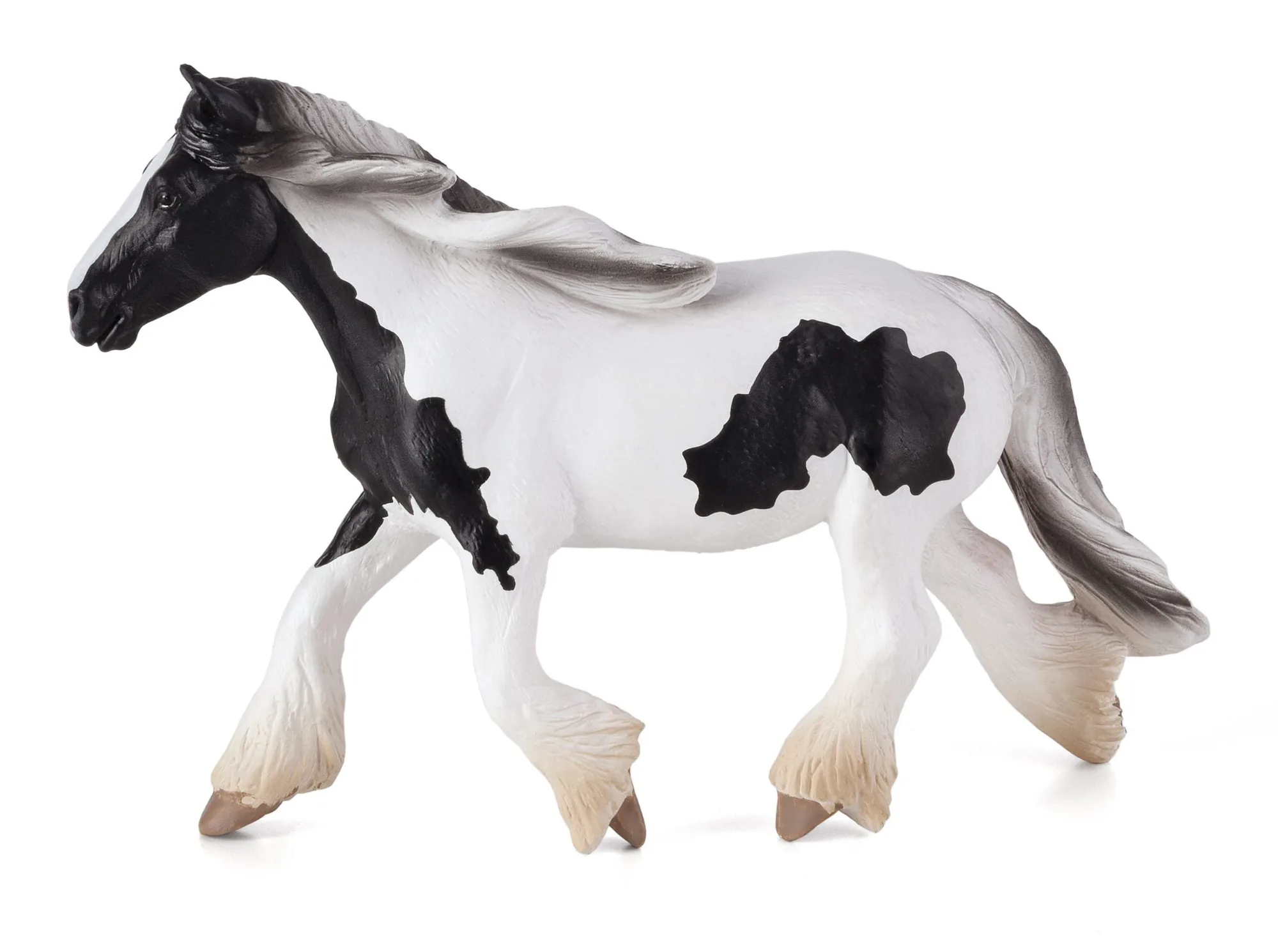
Tinker Mare
Walk into any toy aisle and you will hear a familiar claim: realistic animal figures are for collectors, not for kids. It sounds sensible, but it falls apart the moment you watch a child pick up a hand-painted dinosaur and narrate a hunt across the living room floor.
The confusion comes from treating realism and play as opposites. They are not. A figure can be detailed and durable, and the same features that make it display-worthy often make it better for play. Below we separate the myth from the practical reality, using the figures we actually stock.
Where the myth comes from
Collectors do buy realistic figures, and their shelves are full of them. That visibility creates the impression that realism belongs to adults. But collectors are one audience, not the only one. A hand-painted Carnotaurus with horns, a muscular build, and textured scales is not fragile by definition; the detail is painted on and molded in, not glued on as a separate part.
The myth also survives because cheap, highly stylized toys are everywhere. When the only realistic figures a parent sees are behind glass at a hobby shop, the assumption writes itself. In practice, the same catalog serves both groups, and the price does not have to be a barrier.
- A figure being detailed does not automatically make it delicate.
- Display and play are uses, not product categories.
- Check the actual construction, not the marketing label.
What realistic figures actually give a child
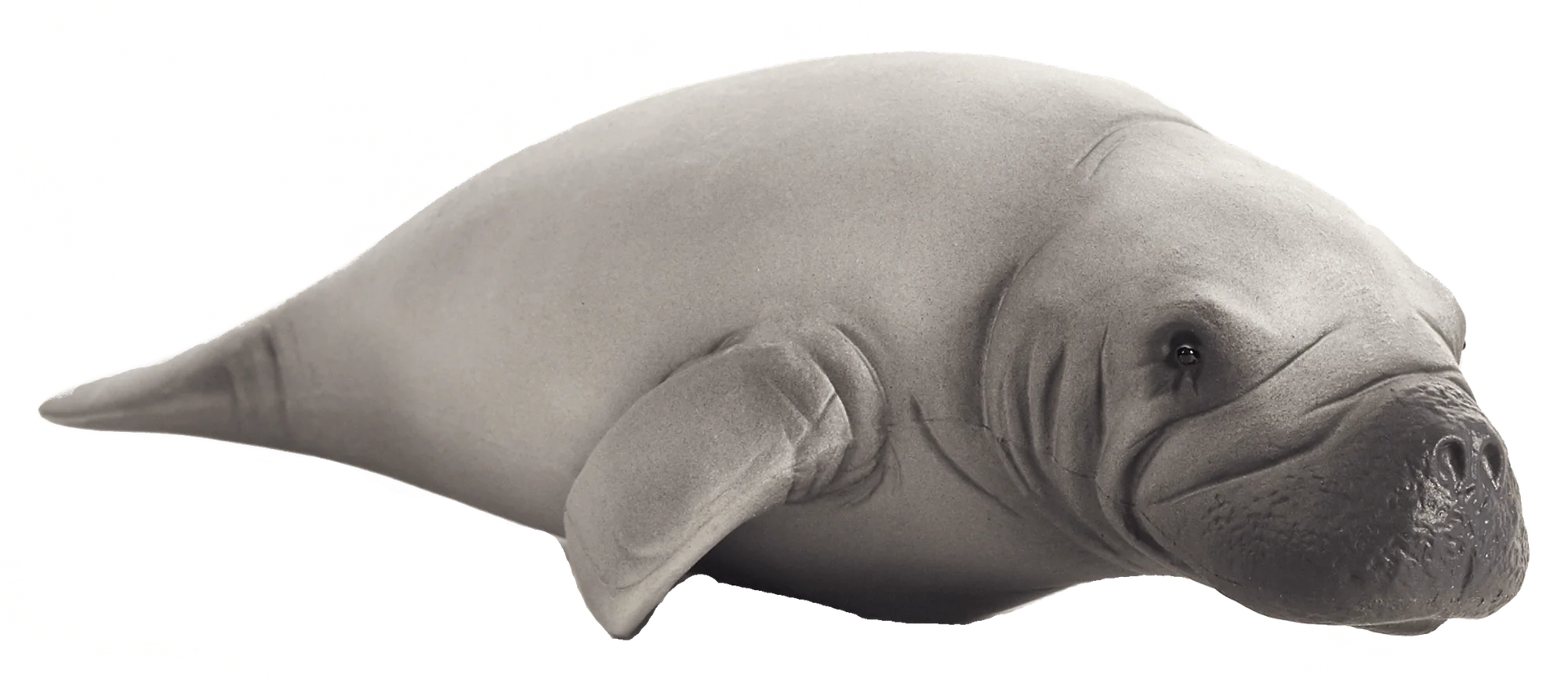
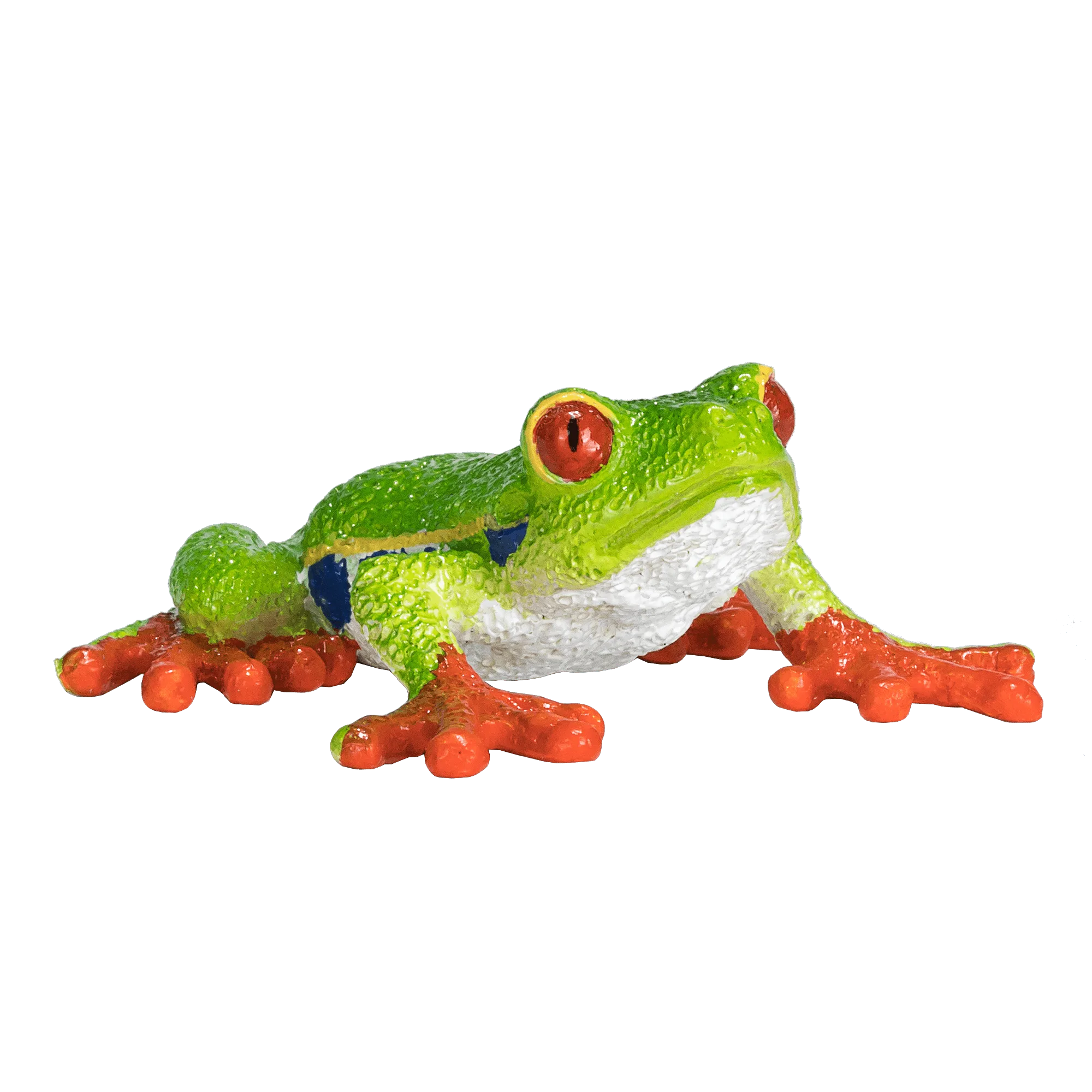
Realism is a teaching tool. A child holding a Red Eyed Tree Frog can see the conspicuous coloration that warns predators, then learn that this frog is not venomous despite the bright colors. A Manatee figure shows the rounded body and paddle shape that match an animal that never leaves the water but must surface to breathe. Those details turn a toy into a conversation.
Play value also grows with accuracy. When a figure looks like the real animal, kids build stories that match real behavior: the frog ambushes crickets and moths with a long, sticky tongue; the manatee rests submerged for up to 15 minutes, then surfaces every three or four minutes while swimming. Accuracy gives play a script.
- Use the figure to name body parts and habitats during play.
- Pair a figure with a book or a zoo trip to reinforce the lesson.
- Let the child lead the story; the details will follow.
Collectible vs play figures: the real differences
The useful distinction is not collector versus kid. It is how a figure is built and what it is made to do. A hand-painted model with molded texture handles handling well, while a figure with glued-on accessories or a delicate stand is better left on the shelf. Size matters too: small figures are easier to lose and can be a choking hazard for very young children, so match the figure to the age.
Price is a poor proxy for playability. A low-cost figure can be just as play-ready as an expensive one. What matters is whether the paint is sealed, whether the pose stands on its own, and whether the level of detail matches how the child will use it.
- Prefer molded detail over glued-on parts for heavy play.
- Check that the figure stands without a base if it will be handled.
- Keep small figures away from children who still mouth toys.
How to choose a realistic figure for a child
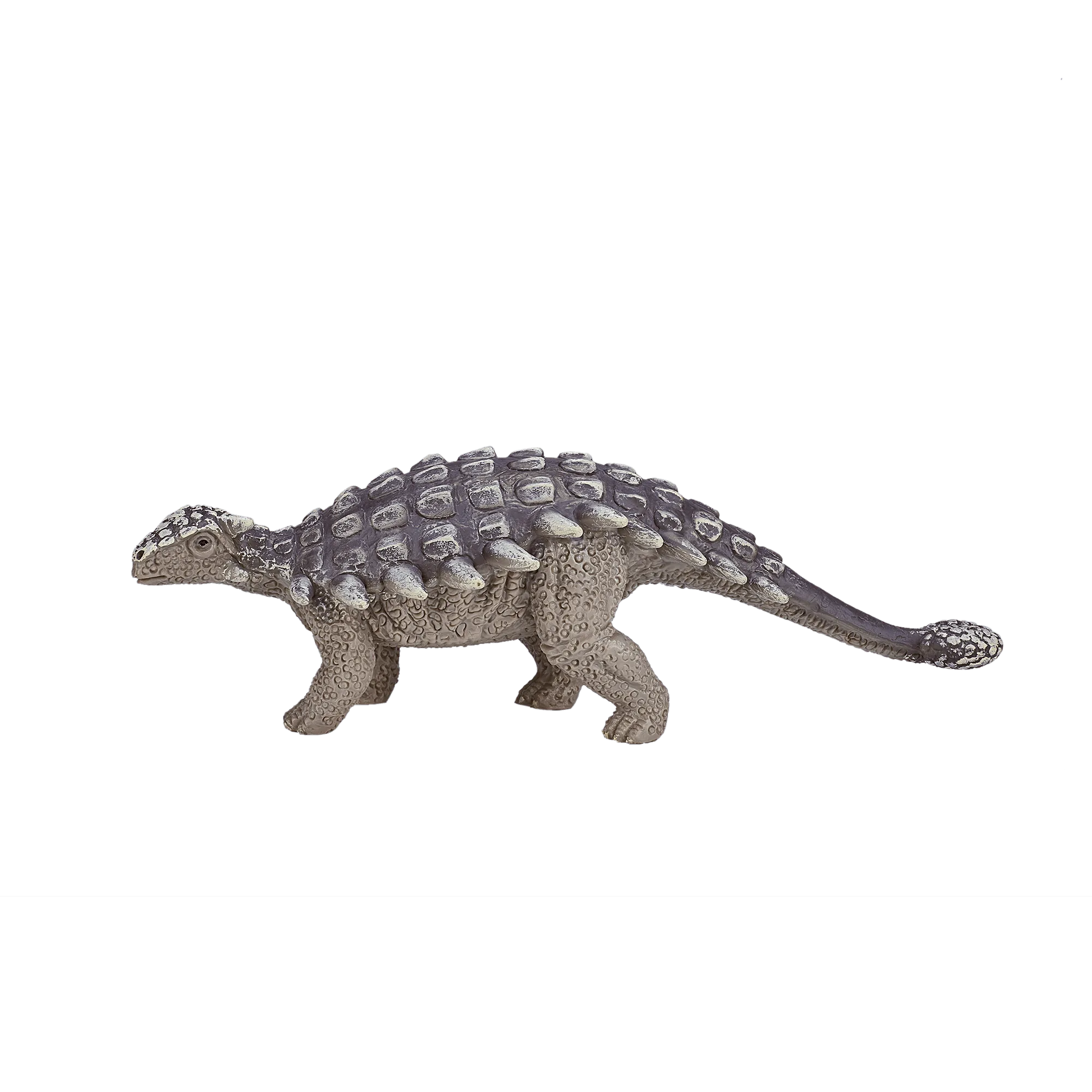
Start with the animal the child already loves. A horse-crazy kid will get more from a Tinker Mare than from a generic pony, because the breed has a story: small but muscular, used as a draft and work horse, and known for pulling heavy carts. A dinosaur fan will connect with an Ankylosaurus, whose body armor and tail club were strong enough to break bones.
Then check the practical details. Look at the pose, the size relative to the child's hands, and whether the paint looks sealed. If the figure is meant to be carried, a compact, solid model beats a large, hollow one. If it is meant for a shelf, detail can take priority.
- Match the animal to the child's current interest.
- Choose a size the child can hold comfortably.
- Buy one figure first, then expand once you see how it is used.
When the collector label does apply
There are figures that genuinely suit collectors more than kids: limited poses, very small scale, or delicate finishes. That is a construction choice, not a rule about realism. If a figure has thin legs, a fragile tail, or a display-only base, treat it as a display piece.
The honest tradeoff is that the most detailed figures often cost more, and a child may not notice the extra detail. If the goal is play, spend on durability and a favorite animal. If the goal is display, spend on finish and accuracy. Many households do both with the same brand.
- Reserve display-only figures for older kids or shelves.
- For play, prioritize solid construction over maximum detail.
- It is fine to own both kinds in one collection.
Myth verdicts
- Realistic figures are only for collectors: Hand-painted models such as Carnotaurus and Tinker Mare are built with molded detail and sealed paint, so they handle everyday play. Verdict: myth.
- Detail makes a figure fragile: Detail that is molded and painted in is not the same as glued-on parts. Check construction, not the level of realism. Verdict: depends on construction, not realism.
- Kids will not notice realistic detail: Accurate features give children real facts to talk about, from the frog's sticky tongue to the manatee's breathing rhythm. Verdict: myth. Detail drives play and learning.
- You have to choose between play and display: One figure can serve both if it stands on its own and has sealed paint. Reserve only thin-legged or base-mounted models for shelves. Verdict: you can do both.
Figures that prove the point
- Carnotaurus: Hand-painted figure with distinctive horns, a muscular build, and textured scales. The detail is part of the mold and paint, so it survives handling and still teaches dinosaur anatomy during play.
- Tinker Mare: Tinker horses are small but muscular, used as draft or work horses and for pulling heavy carts. A realistic breed figure gives kids a real story to act out, not just a generic horse shape.
- Red Eyed Tree Frog: Despite conspicuous coloration, red-eyed tree frogs are not venomous and ambush crickets, flies, and moths with a long, sticky tongue. The figure corrects a common assumption about bright colors and gives play a real behavior to copy.
- Ankylosaurus: A big dinosaur with huge plates of body armor and a massive tail club strong enough to break bones. Molded armor and a solid tail make a figure that stands up to dinosaur battles while staying accurate.
Realistic animal figures are not a collector-only product. They are teaching tools, story starters, and durable toys, and the same hand-painted model can sit on a shelf or ride in a pocket. Choose by construction, size, and the animal your child already loves, and the myth takes care of itself.