Quick Answer
Circle lenses do not inherently damage your eyes when they are purchased from a reputable source, fitted properly, and cared for according to instructions. The real risks come from poor-quality lenses, incorrect usage, or ignoring hygiene guidelines.
There’s a lot of scary talk about circle lenses, but how much is myth and how much is reality? If you’re considering these popular cosmetic lenses for a cosplay or everyday style, you need clear facts—not fear. Let’s break down common claims and see what actually matters for your eye health.
Circle lenses are designed to enlarge the appearance of your eyes, and they’re widely used in cosplay and fashion. The key to safety isn’t the design itself—it’s the quality of the lens, the fit, and how you care for them.
Myth: Circle Lenses Are Like Regular Contacts
Some people think circle lenses are just colored contacts with a bigger diameter, but the truth is they often have a larger visible iris size and may have a different base curve. For example, some circle lenses have a base curve of 8.6 mm and a diameter of 14.5 mm, which may not fit every eye shape. A proper fitting by an eye care professional is essential because an ill-fitting lens can cause discomfort or even abrasions.
Reality: Circle lenses are medical devices, just like regular contacts. They need to be prescribed and fitted. Never buy lenses without knowing your eye measurements, and always have a professional confirm the fit.
- Always get your eyes measured for base curve and diameter before ordering.
Myth: Circle Lenses Block Your Vision
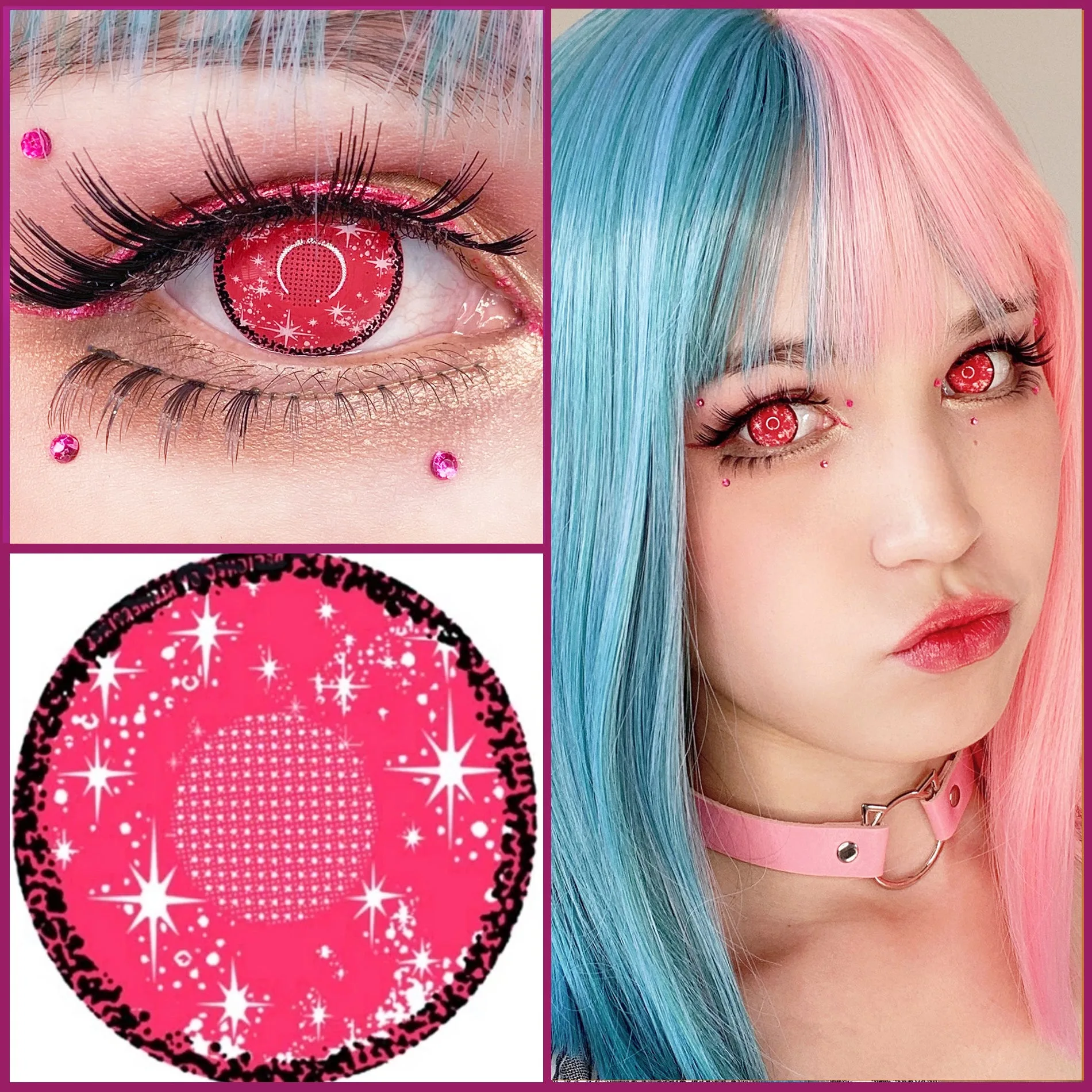
Some circle lenses have a solid ring that can reduce peripheral vision, but many modern designs include a clear center or mesh holes to maintain visibility. For instance, certain SFX lenses feature a mesh pattern in the middle that may slightly obstruct vision, but the effect is often minimal. However, some designs are not meant for driving or activities requiring full vision.
Reality: Some circle lenses, especially those with heavy pigmentation or patterns, can affect your vision. Always check the visibility rating and avoid wearing such lenses when you need clear sight, like when driving at night.
- Check the visibility percentage before buying; if it's low, avoid using them in situations where you need sharp vision.
Myth: Circle Lenses Can Get Lost Behind Your Eye
This is a common urban legend, but it’s physically impossible for a contact lens to get lost behind your eye. The conjunctiva, the thin membrane covering the white of your eye, forms a barrier that prevents the lens from going too far. At worst, the lens can fold or move under your eyelid, but it can always be removed by gently massaging the area.
Reality: Your eye’s anatomy keeps the lens in the front part of your eye. If you feel a lens stuck, don't panic; use lubricating eye drops and try to slide it down or out. If you can't remove it, seek professional help.
- If you experience persistent discomfort, remove the lens and consult an eye care professional.
Myth: All Circle Lenses Are Unsafe
The safety of a circle lens depends on the manufacturer and the materials used. Reputable brands use high-quality materials and have proper sterilization. For example, lenses like BJD Crystal Blue are designed with tiny mesh holes in the center to allow for clear vision while maintaining a full-eye effect. This shows that safety features are considered in the design.
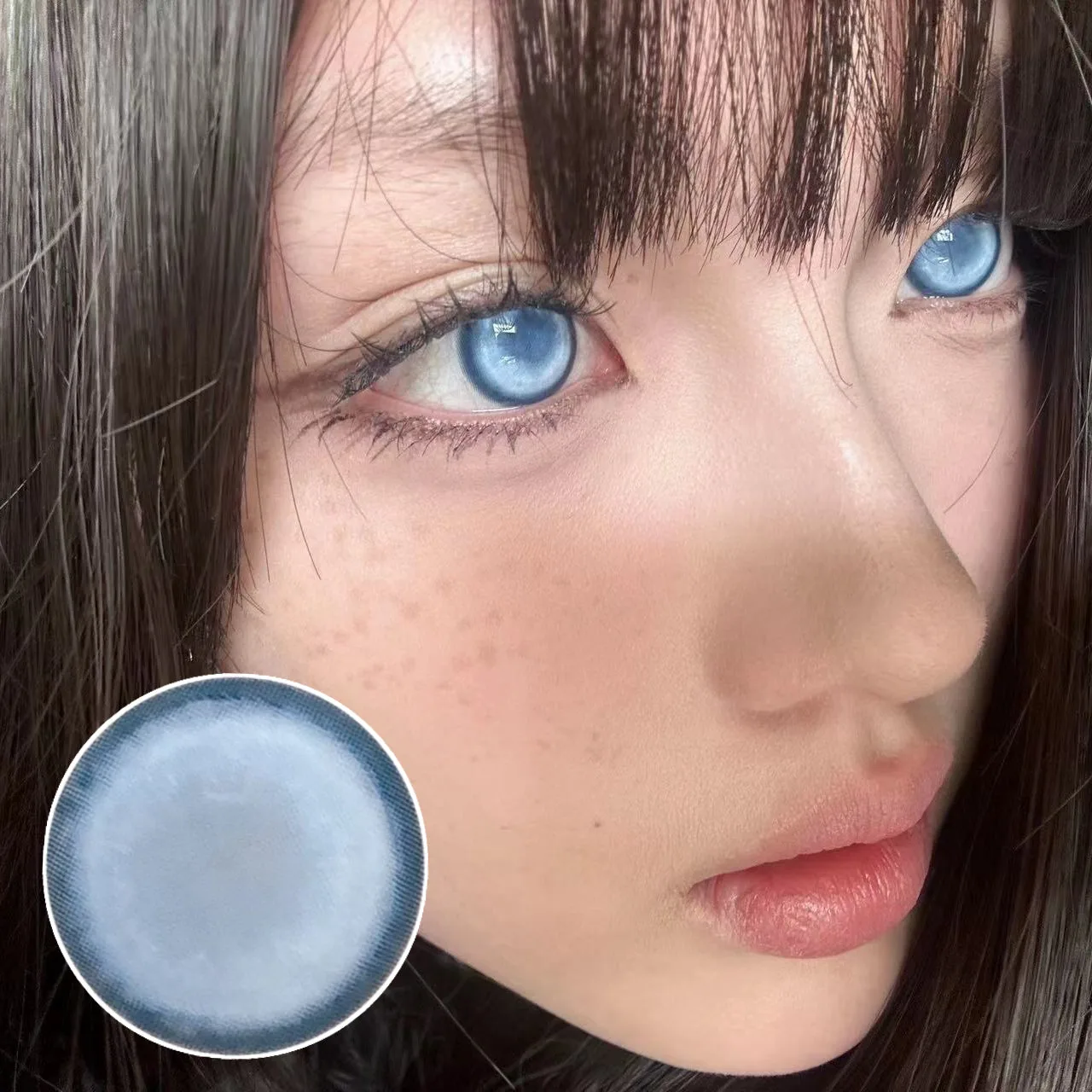
BJD Crystal Blue
Reality: The danger comes from unregulated, low-quality lenses sold without proper approval. Always buy from trusted stores that provide detailed product information, such as base curve, water content, and lifespan.
- Look for lenses that specify base curve, water content, and lifespan—these are signs of a reputable product.
Myth vs Reality Verdicts
- Circle lenses damage your eyes permanently: No, not if they are properly fitted and cared for. The risk comes from misuse, not the lens itself. Always follow care instructions and replace lenses as recommended.
- Circle lenses can get stuck behind your eye: False. The eye's anatomy prevents this. Lenses may move, but they can be removed. Don't panic if a lens shifts; use lubricating drops and gently reposition.
- Circle lenses are unsafe because they cover more of your eye: Not true. Larger diameter lenses can be safe if the base curve matches your eye. The key is proper fit. Get a professional fitting before buying any circle lenses.
Real Products, Real Safety Features
- BJD Crystal Blue: These full-eye coverage lenses feature a radiant crystal ball effect, and the center includes tiny mesh holes that allow you to see through while maintaining the illusion. This design shows that even full-coverage lenses can prioritize vision, reducing the risk of blocked sight.
- Anime Sparkle Mesh Pink: These SFX lenses have a mesh design in the middle, which may obstruct your vision by 30% visibility. This transparency about visibility helps you make an informed choice—avoid wearing such lenses when you need full visual clarity.
Circle lenses are a fun way to transform your look, but they demand respect. By choosing quality products, getting a proper fit, and following hygiene rules, you can enjoy the aesthetic without compromising your eye health. Always prioritize safety over style.