Quick answer
For acrylic nails, choose a clipper with a wide, straight cutting jaw, a sharp blade, and enough leverage to cut through thick enhancements in one clean motion. Avoid standard drugstore clippers with curved, narrow jaws, which can crack the acrylic and leave a jagged edge. If you are trimming a fresh set, a tip cutter with a straight blade is the most predictable choice.
Trimming acrylic nails with the wrong clipper is a fast way to crack the enhancement, chip the free edge, or create a jagged line that takes extra filing to fix. The tool that works on natural nails often fails on acrylic because the material is thicker, harder, and less forgiving.
This guide explains the specific features that make nail clippers for acrylic nails work, how to match them to your service and hand size, and when a different tool is the better call. You will also see how clipper choice fits into a full acrylic workflow that includes powder, monomer, and finishing products.
Jaw size and blade shape: the first thing to check
Acrylic nails are thicker than natural nails, so the cutting jaw needs to open wide enough to sit around the free edge without forcing it. A jaw that is too small will pinch the acrylic and cause a stress crack. Look for a clipper with a wide, straight jaw and a blade that meets flush along the full cutting edge. A straight blade gives you a clean, predictable cut line; a curved blade follows the natural nail shape and is better for natural nails than for enhancements.
Blade sharpness matters just as much. A dull blade crushes the acrylic instead of slicing it, which leaves a white, fractured edge. If you feel resistance or hear a crunch rather than a clean snip, the clipper is not sharp enough for acrylic. Replace or sharpen the tool before you use it on a client.
- Test the jaw opening on a piece of thick plastic or an old tip before using it on a client.
- A straight blade is easier to control when you are trimming a square or coffin shape.
Leverage and handle design: how much force do you need?
Acrylic is harder than natural nail, so the clipper needs enough leverage to cut through it without you squeezing with both hands. A longer handle or a compound-lever design gives you more mechanical advantage, which means less hand fatigue and a cleaner cut. Short, flat handles are fine for natural nails but often require a second squeeze on acrylic, and that second squeeze is where cracks start.
If you have smaller hands or you are trimming many clients in a day, a clipper with a slightly longer handle and a textured grip will be easier to control. The goal is one smooth, firm cut per side, not a series of small bites.
- One clean cut per side is safer than multiple small cuts on the same edge.
- If you need two hands to close the clipper, the leverage is too low for acrylic.
Material and maintenance: stainless steel vs. coated blades
Stainless steel is the standard for acrylic nail clippers because it holds an edge, resists rust, and can be disinfected between clients. Coated blades, such as titanium or ceramic coatings, can stay sharp longer and reduce friction, but they may chip if dropped. For a busy salon, a solid stainless steel clipper with a replaceable spring is usually the most practical choice.
Maintenance is simple: wipe the blade after each use, remove acrylic dust from the hinge, and oil the joint occasionally. Never use a clipper that has rust or a loose hinge, because a wobbly blade will tear the acrylic instead of cutting it.
- Check the hinge screw or rivet regularly; a loose joint ruins the cut line.
- Keep a backup clipper on hand so you are not tempted to use a dull one mid-service.
How to choose nail clippers for different acrylic services
For a full set with tips or forms, a tip cutter with a straight blade is the most efficient way to shorten the free edge before filing. For a fill, you may only need to trim a small amount of length, so a smaller clipper with a finer jaw gives you more control. For removing a set, a larger clipper with a wide jaw can cut through the length quickly, but you still need to file or soak off the remaining product rather than pulling it.
If you are working on yourself at home, choose a clipper that is comfortable in your dominant hand and has a catch or guard to contain the acrylic pieces. A clipper that is too large for your hand is harder to control and increases the risk of cracking the enhancement.
- Tip cutter: best for shortening new tips before shaping.
- Fine-jaw clipper: best for small trims during a fill.
- Wide-jaw clipper: best for cutting down length before removal, not for shaping.
Decision rules for buying acrylic nail clippers
- If you cut thick enhancements daily: Choose a clipper with a wide, straight jaw and a long handle for leverage. Test it on a thick tip before using it on a client. One clean cut per side; replace the clipper if you feel resistance.
- If you only trim natural nails or thin overlays: A standard curved-jaw clipper is fine, but do not use it on full acrylic sets because the narrow jaw can crack the enhancement. Keep a separate clipper for acrylic work.
- If you work on yourself at home: Pick a clipper that fits your dominant hand and has a guard to catch clippings. Avoid oversized salon clippers that are hard to control. Comfort and control matter more than blade length.
- If you are unsure about blade sharpness: Cut a piece of thick plastic or an old tip. A sharp blade slices cleanly; a dull blade crushes or leaves a white edge. Replace or sharpen dull blades before they damage a set.
Products that pair with a clean clipper cut
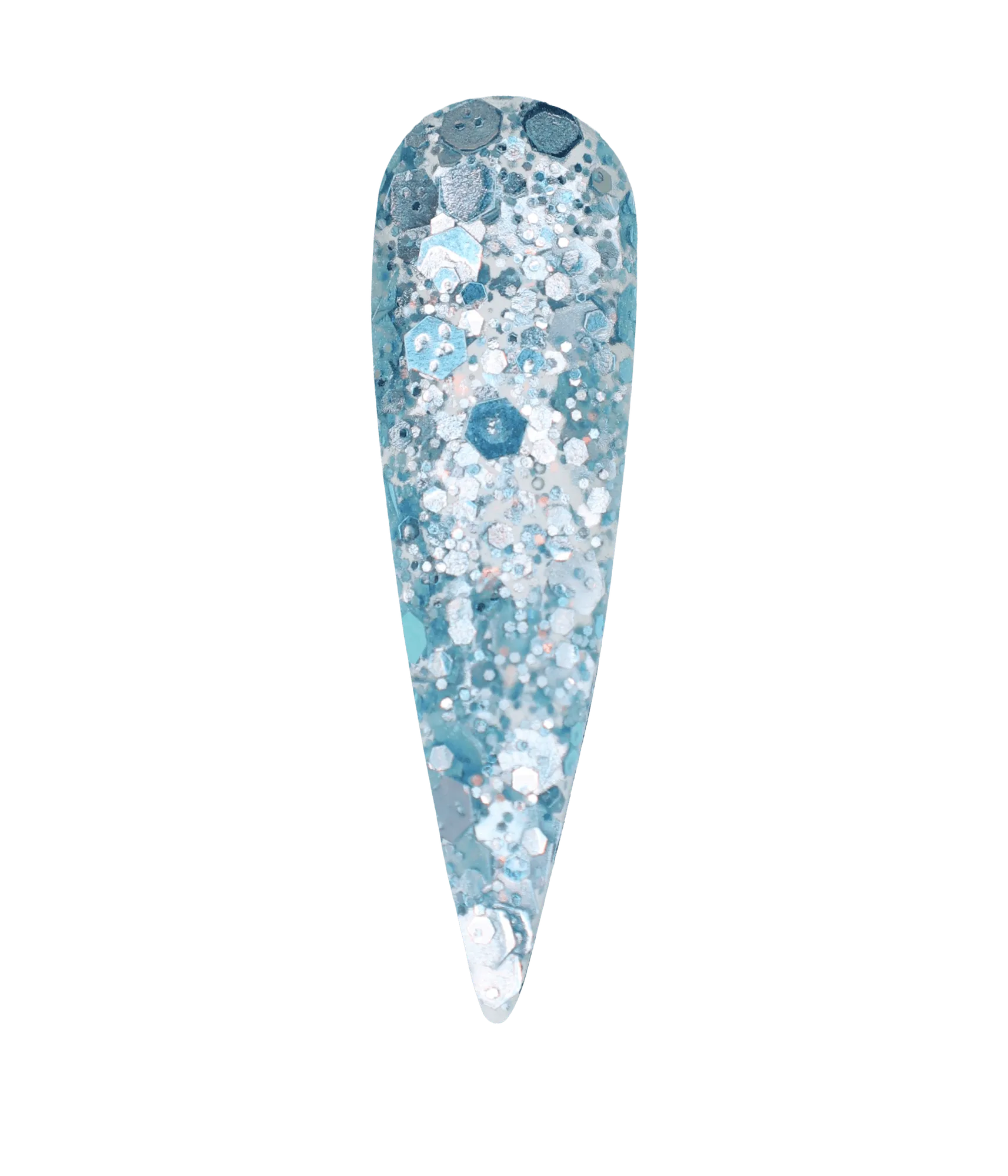
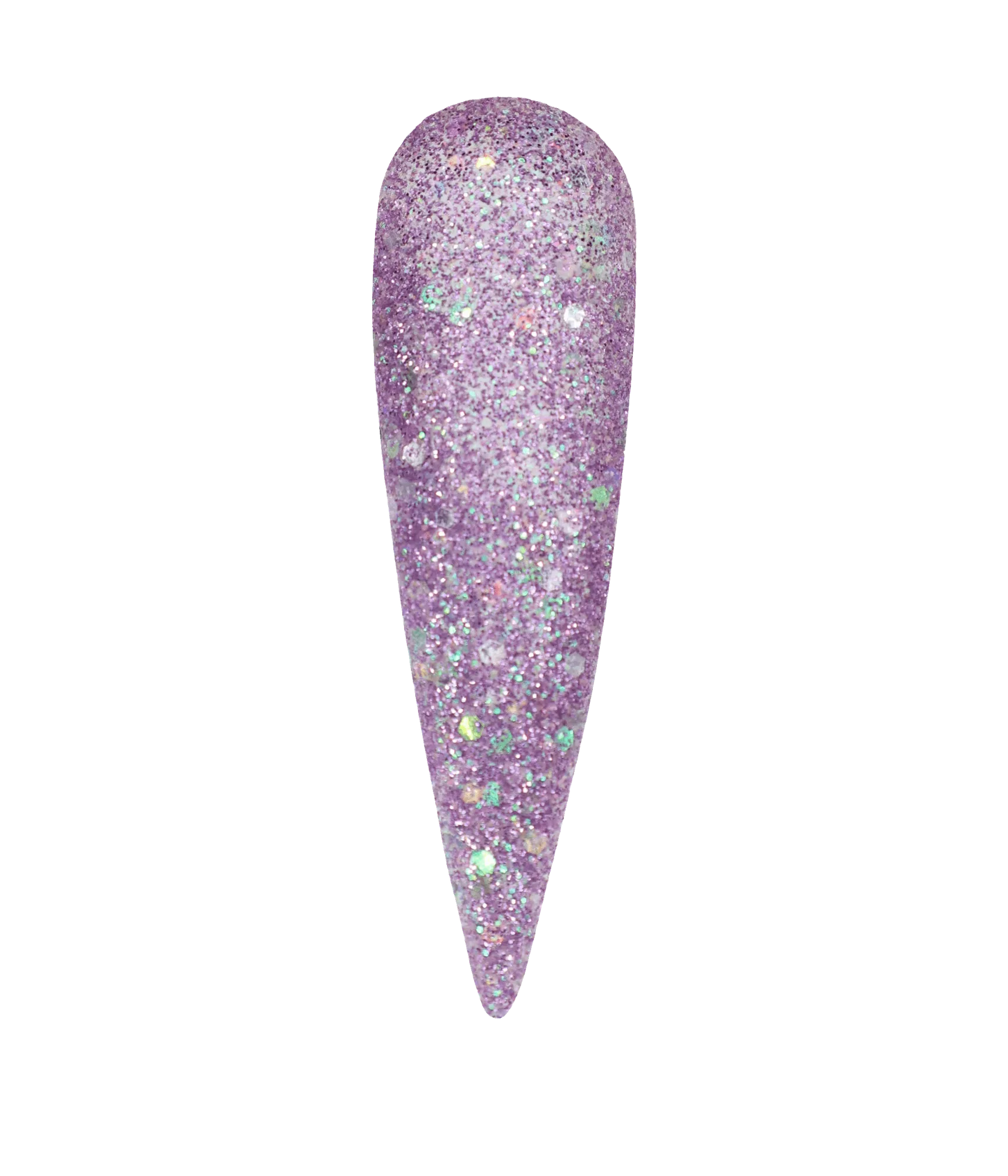
- #29 Over Ice - Acrylic Nail Powder: Jessica Danielle Nails Exclusive Acrylic Nail Powder Over the Ice #29 can be applied with monomer or dip system, absorbs liquid evenly, and is self-leveling for an effortless application. A self-leveling powder reduces the need for heavy filing after you trim, so a clean clipper cut is easier to maintain.
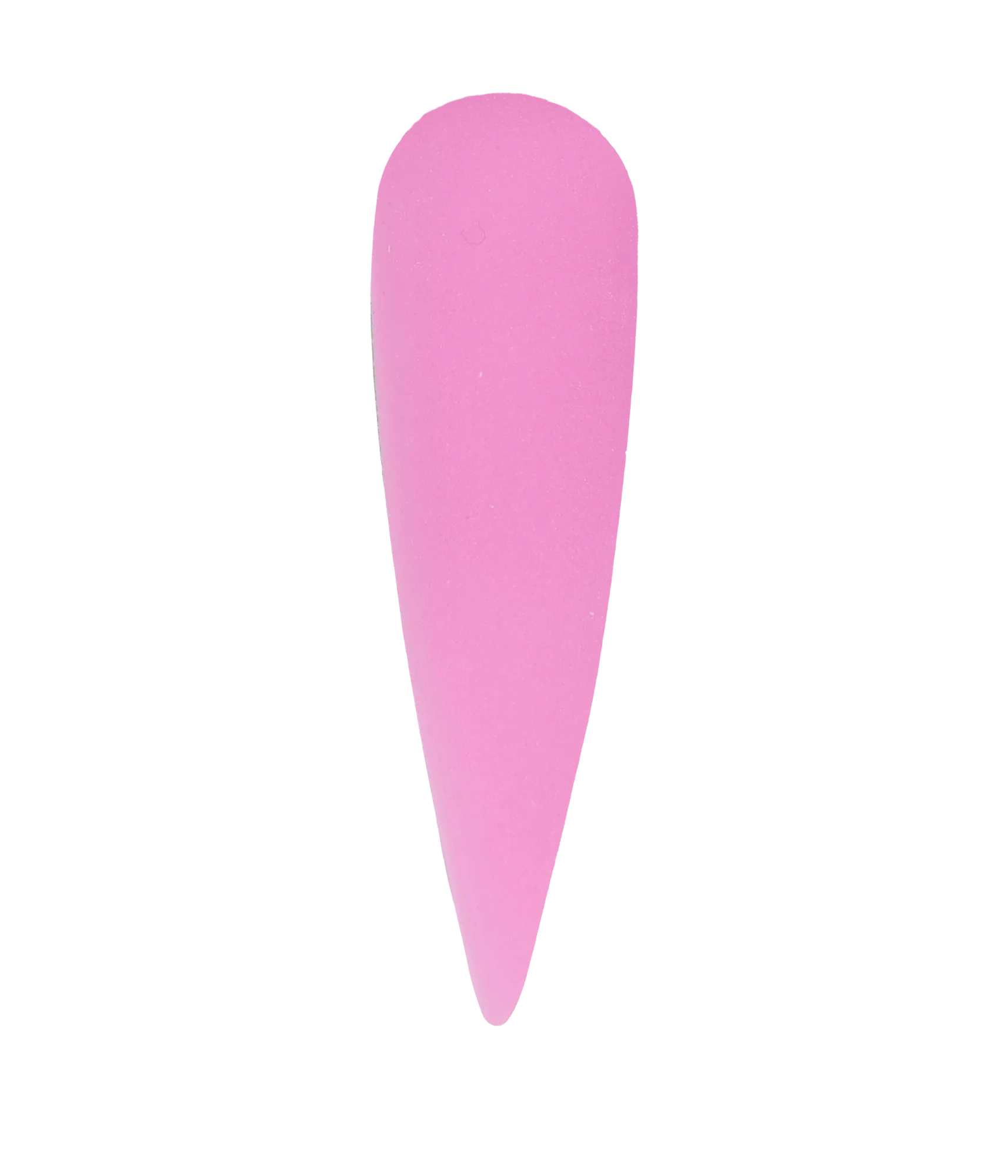
- Starburst Martini #17 Acrylic Nail Powder: Starburst Martini #17 is formulated for a butter-like consistency that is easy to work with and provides a smooth finish. A butter-like consistency gives you more control at the free edge, which means less excess product to clip away later.
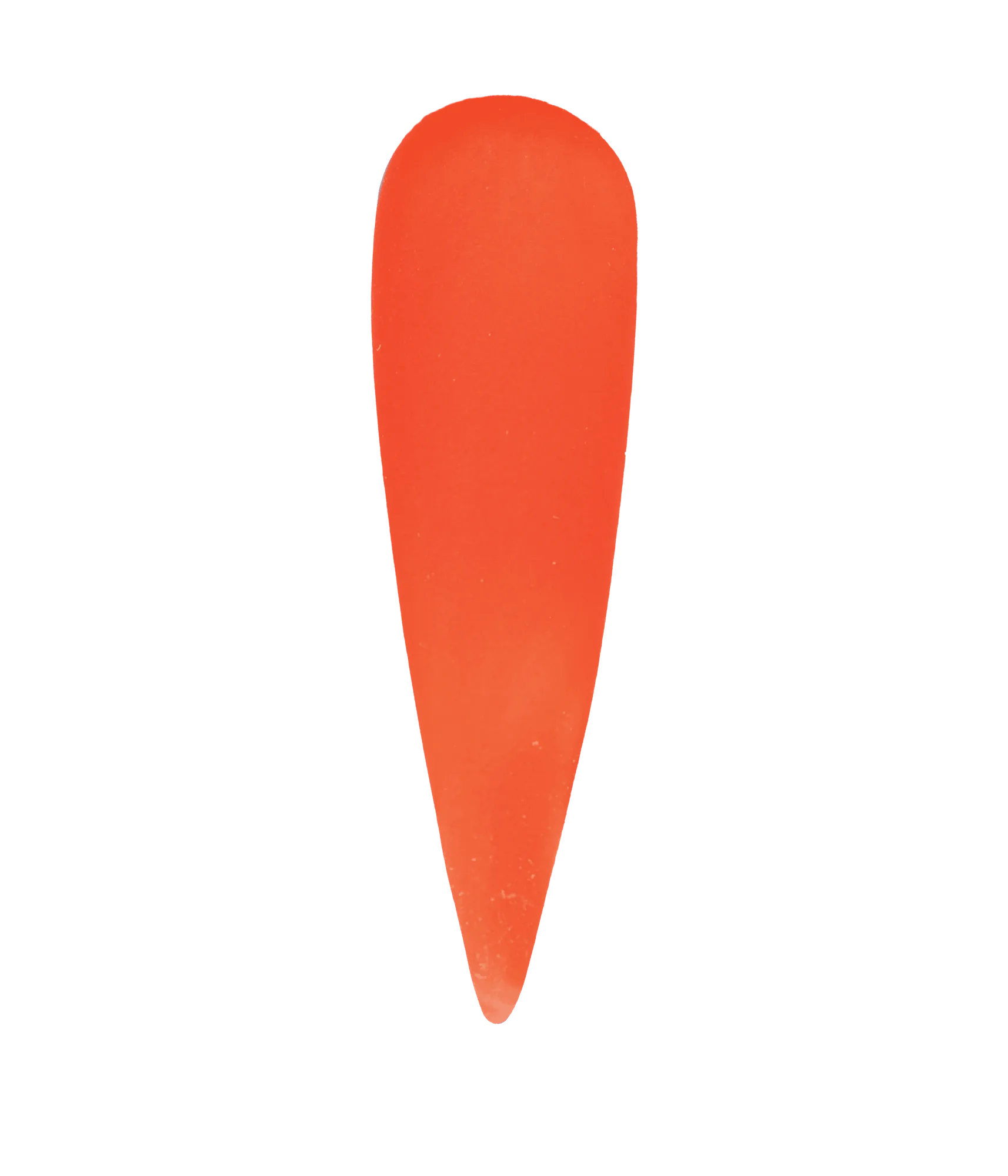
- #52 Orangutan Bomb - Acrylic Nail Powder: Orangutan Bomb #52 is a super fine acrylic nail powder that is highly pigmented and available in 1oz, 2oz, 4oz, or 16oz jars. Highly pigmented powder helps you keep the color consistent even after you trim and file the free edge.
Who should buy acrylic-specific nail clippers
Best for
- Nail technicians who trim acrylic tips and free edges during full sets or fills
- Home users who maintain their own acrylic nails and want a clean cut without cracking
Not for
- Anyone looking for a single clipper to use on both natural nails and thick acrylics
- Users who prefer to file down length instead of cutting, or who only need cuticle trimming
The right nail clippers for acrylic nails come down to a wide, straight jaw, enough leverage for one clean cut, and a blade that stays sharp. Match the clipper to the job, keep it clean, and pair it with a self-leveling acrylic powder like #29 Over Ice or Starburst Martini #17 for a smoother finish with less filing.