Quick answer
For the most natural-looking brows, use a nano brow pencil to draw tiny, hair-like strokes where brows are sparse, then set with a soft powder if you want extra fullness. A pencil gives precision and mimics individual hairs, while powder adds soft, diffused color. If you want one product, choose a nano pencil for realistic detail; choose powder if you prefer a quicker, softer wash of color.
How nano brow pencils create hair-like strokes
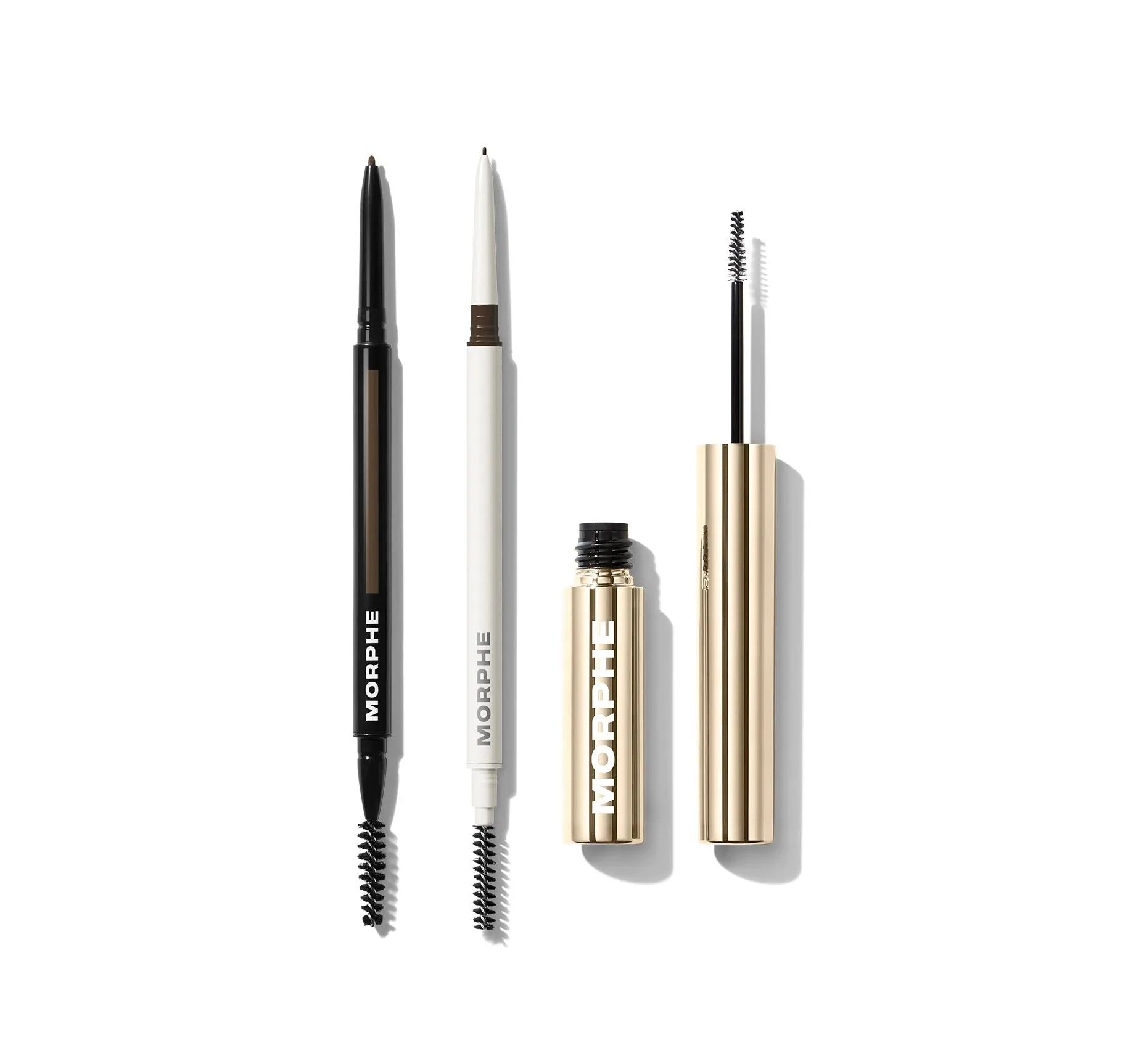
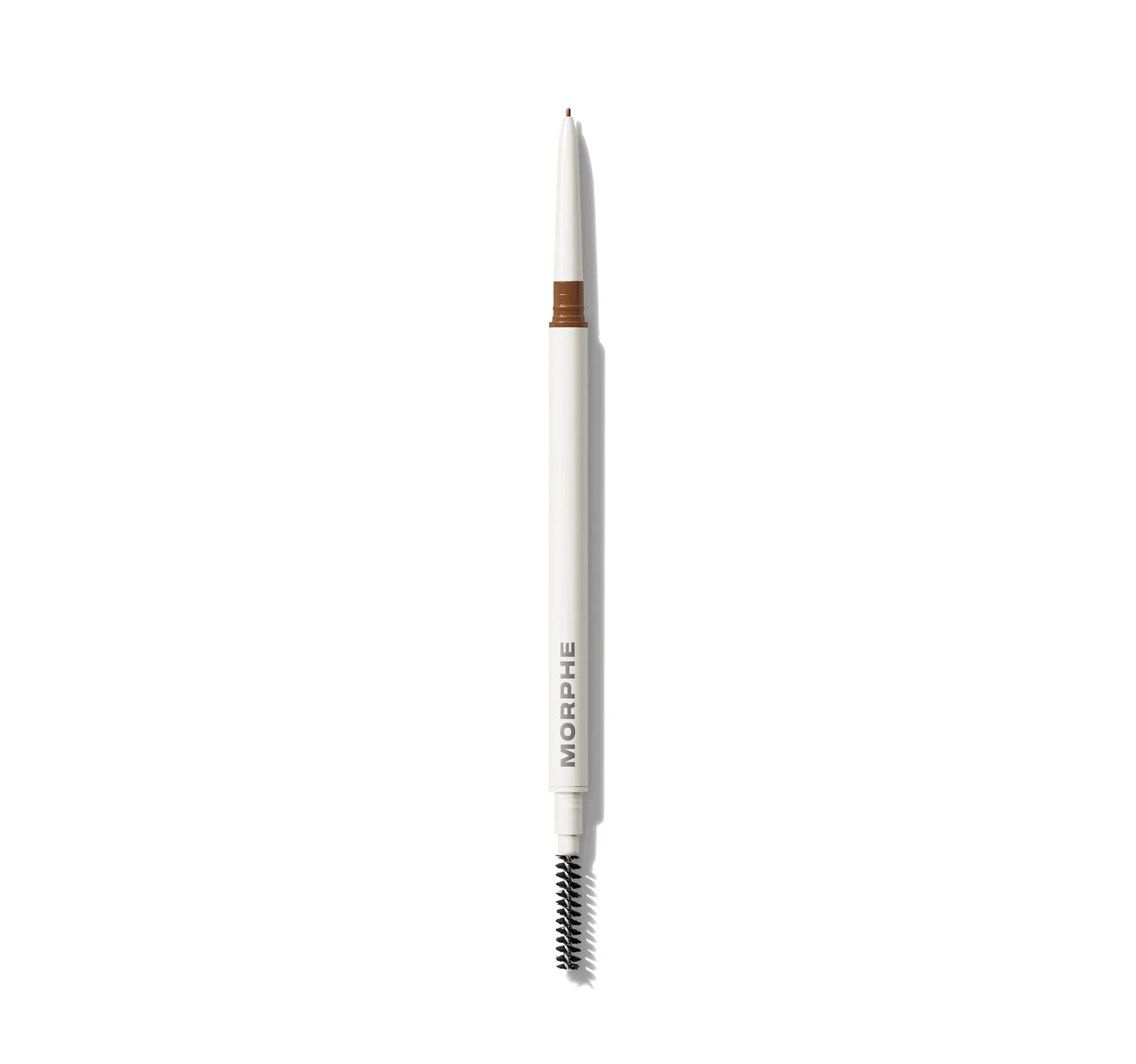
A nano brow pencil has an ultra-fine tip that lets you draw very thin, precise lines that look like individual brow hairs. The key is to use light, short strokes in the direction of hair growth, building up only where you need it. Because the tip is so thin, it can also reach areas where a standard pencil feels too thick or waxy. For example, the Nano Brow Pencil from Morphe has a 0.9mm retractable tip and a spoolie brush on the other end. The spoolie is essential for blending the strokes so they don't look drawn-on. A pro tip from the product details: turn the pencil only once until the tip is just visible to prevent the ultrafine tip from breaking during use.
How brow powder fills sparse areas softly
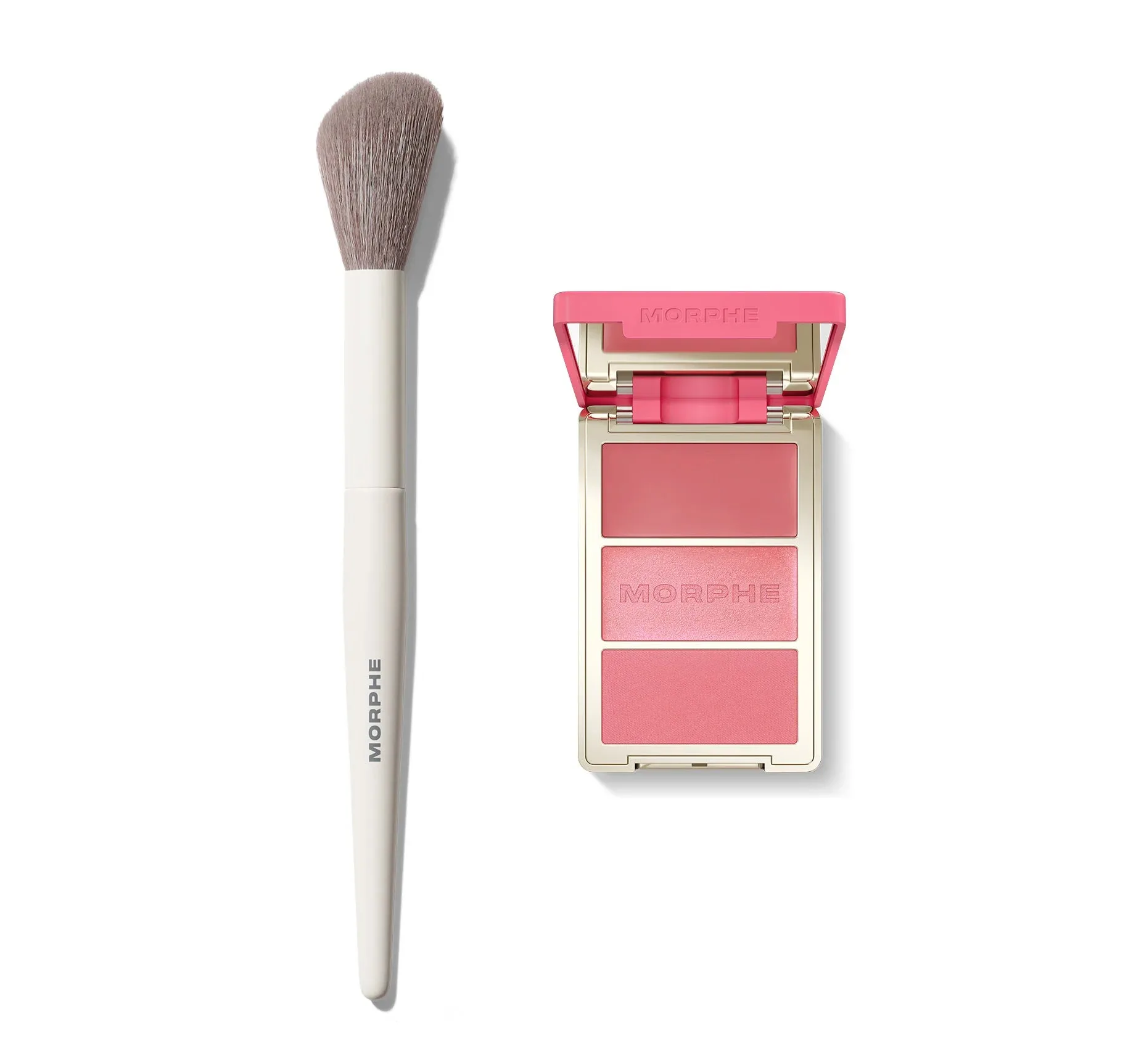
Brow powder is a pressed or loose powder that you apply with an angled brush. It gives a softer, more diffused effect than a pencil, making it ideal for filling in larger sparse areas or for a natural, everyday look. Because powder is buildable, it's forgiving for beginners—you can start light and add more. However, powder alone may not create the crisp, hair-like definition that a pencil can. It's often used to set pencil strokes or to add overall fullness. For a natural brow makeup look, you can combine both: pencil for detail, powder for softness.
Key differences: precision vs. softness
The main trade-off is precision versus softness. A nano pencil excels at creating defined, hair-like strokes, making it the best way to fill sparse brows where individual hairs are missing. It requires a bit of practice to avoid harsh lines, but the spoolie helps blend. Powder, on the other hand, is faster to apply and harder to overdo, but it can look less defined. If you have very sparse brows with few hairs, a pencil will give more realistic texture. If your brows are already fairly full and you just want to even out color, powder may be enough. For those who want both, using a pencil first and then lightly setting with powder can give the best of both worlds.
Tools that make either method easier
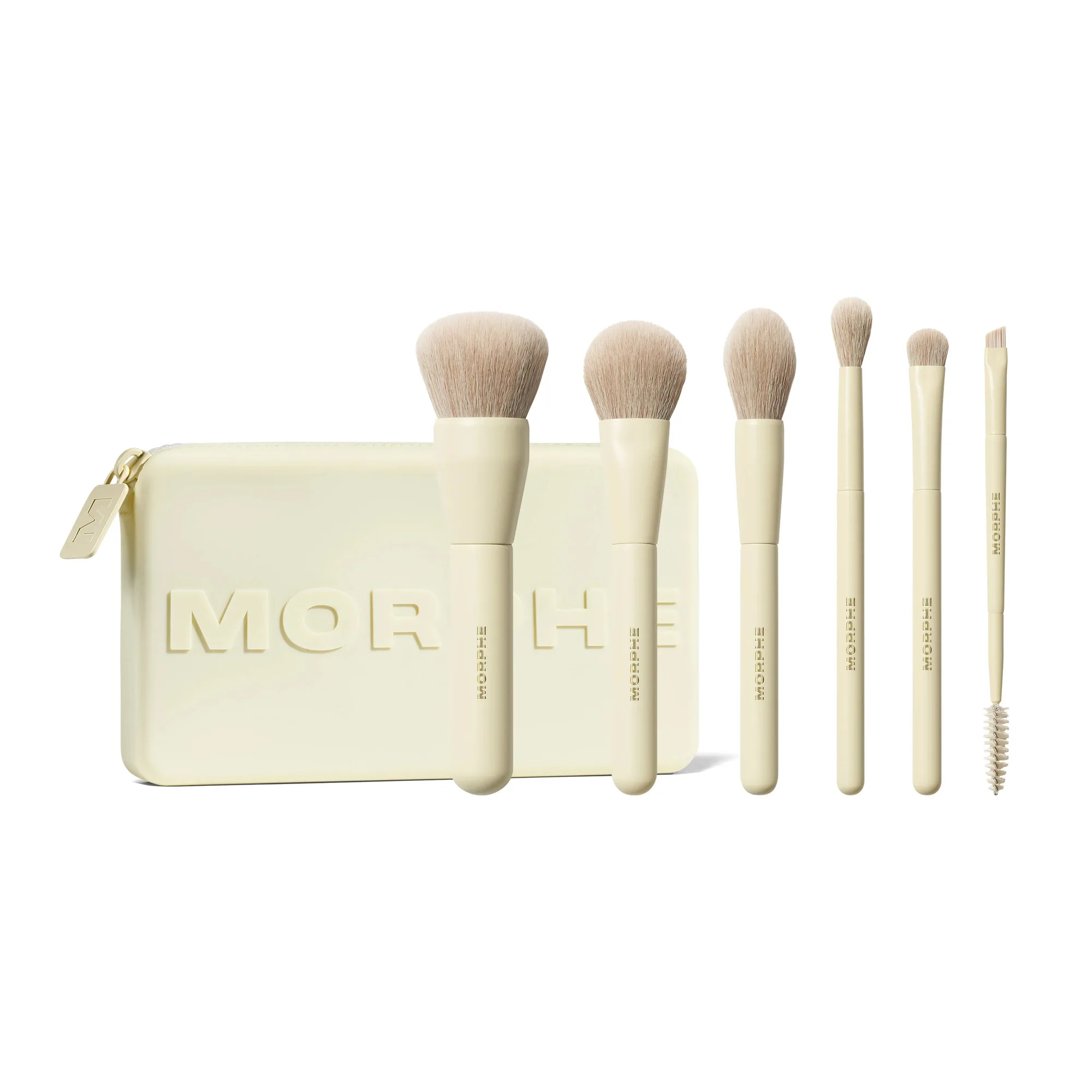
The right tools can make a big difference. For powder, an angled brow brush is essential for precise placement. For pencil, the built-in spoolie is key for blending. If you're using a pencil, a light hand is crucial—start with less and build. For powder, tap off excess before applying to avoid fallout. To keep your look lasting all day, a finishing powder can help set both pencil and powder. The Cloudlight Soft Glow Veil Finishing Powder is a sheer, weightless multi-tone powder that sets makeup with a natural radiance. It's not a brow-specific product, but a light dusting over the face can help lock in your brow work without adding heaviness. For application, a fluffy brush like the M161 Large Rounded Powder Brush can be used to apply setting powder over the brows, though a smaller brush may be more precise for that area.
Step-by-step: combining pencil and powder for natural brows
If you want the most natural result, try this routine: 1) Start with clean, brushed brows. 2) Use the nano pencil to draw short, light strokes in sparse areas, following the direction of hair growth. 3) Blend with the spoolie to soften any harsh lines. 4) If you want more fullness, dip an angled brush into brow powder and gently pat it over the brows, focusing on sparse spots. 5) Blend again with the spoolie. 6) Set with a light dusting of finishing powder if desired. This method gives you the precision of a pencil and the softness of powder. For beginners, practice the pencil strokes on your hand first to get a feel for the pressure needed.
Trade-offs at a glance
- Nano pencil: precision: Creates detailed, hair-like strokes that look natural, but requires a light hand and practice to avoid harshness. Best for sparse brows needing realistic texture.
- Powder: speed and softness: Blends easily and is forgiving for beginners, but may lack the definition of a pencil and can fade faster on oily skin. Best for quick, soft filling or setting pencil work.
- Combining both: Use pencil for detail and powder to set and add fullness. This takes more time but gives the most natural, long-lasting result. Ideal if you want both precision and softness.
Products mentioned
- Nano Brow Pencil: A dual-ended brow pencil with a pin-thin, .9mm tip and spoolie brush to apply your most tiny hairlike strokes. The ultra-fine tip allows for precise, hair-like strokes that mimic natural brow hairs, making it ideal for filling sparse areas with realistic detail. The spoolie helps blend for a softer look.
- Cloudlight Soft Glow Veil Finishing Powder: A sheer, weightless, multi-tone powder that sweeps on to softly set and finish your look with natural radiance. Though not a brow powder, this finishing powder can set brow makeup without adding weight, helping your look last longer while maintaining a natural finish.
- M161 Large Rounded Powder Brush: The M161 Large Rounded Powder Brush is a full-bodied, fluffy brush that effortlessly dusts on setting powder without buildup. A fluffy brush like this is useful for applying setting powder over the face, including a light pass over brows to set them without disturbing the product.
Which should you choose?
Best for
- Sparse brows that need individual hair-like strokes
- Those who want precise, defined brow shape
- Combination with powder for a full, natural look
Not for
- Anyone who prefers a quick, one-step application
- Very oily skin types who need long-wear without setting
- Beginners who struggle with a light hand (powder is more forgiving)