Quick answer
For a 20L to 110L tank, choose a submersible heater with an adjustable thermostat and automatic safety shutoff. Position it near water flow, set the temperature to 78°F (25°C), and always use a thermometer to verify.
Why thermostat control matters for small tanks
Small water volumes heat up and cool down fast. A heater with a built-in thermostat maintains a steady temperature, preventing stress or shock to fish and shrimp. The ZY-188 Series Thermostat Heater offers precise control and an automatic safety kill switch if it overheats or is exposed to air.
USB vs. standard heaters for nano tanks
USB-powered heaters like the Castle Dawn Aquatics USB Nano 10W Heater are convenient for desktop tanks and can run from a power bank during outages. However, they typically have lower wattage and may struggle to heat tanks above 20L in cooler rooms. For 20L to 110L, a standard adjustable heater with higher wattage is often more reliable.
Step-by-step heater setup
- Choose the right wattage for your tank size: For a 20L to 110L tank, select a heater with 25W to 100W. A general rule is 5 watts per 4 liters (1 gallon). For the ZY-188 series, check the available wattage options to match your tank volume. Using too low wattage may not heat adequately; too high can cause rapid temperature swings.
- Position the heater near water flow: Place the heater horizontally or vertically near the filter outlet or circulation pump. Ensure it is fully submerged and at least 2 inches below the water surface. Do not let it touch the substrate or decorations. Good water flow prevents hot spots and ensures even heat distribution.
- Set the thermostat to the target temperature: Adjust the thermostat dial to 78°F (25°C) for most tropical fish. Wait 24 hours and check with a separate thermometer. Adjust in small increments if needed. Always use a thermometer to verify; built-in thermostats can drift over time.
- Perform a safety check: Plug the heater into a GFCI (ground fault circuit interrupter) outlet or use a surge protector. Confirm the automatic safety kill switch works by briefly lifting the heater out of water (while unplugged) and checking the manual. Never test the safety switch with the heater plugged in and out of water.
- Monitor for the first 48 hours: Check the temperature twice daily and observe for any fluctuations. If the heater cycles on and off too frequently, adjust the position or consider a higher wattage model. Stable temperature after 48 hours indicates a successful setup.
Heaters for your setup
-
Premium Thermostat Aquarium Heater ZY-188 Series for 20L to 110L Tanks: The ZY-188 Series features precise temperature control, rapid heating efficiency, and an automatic safety kill switch that shuts off if overheating occurs or if the heater is exposed to air. This makes it a safe choice for small tanks where temperature swings can be dangerous, and the auto shutoff protects against accidental exposure during water changes.
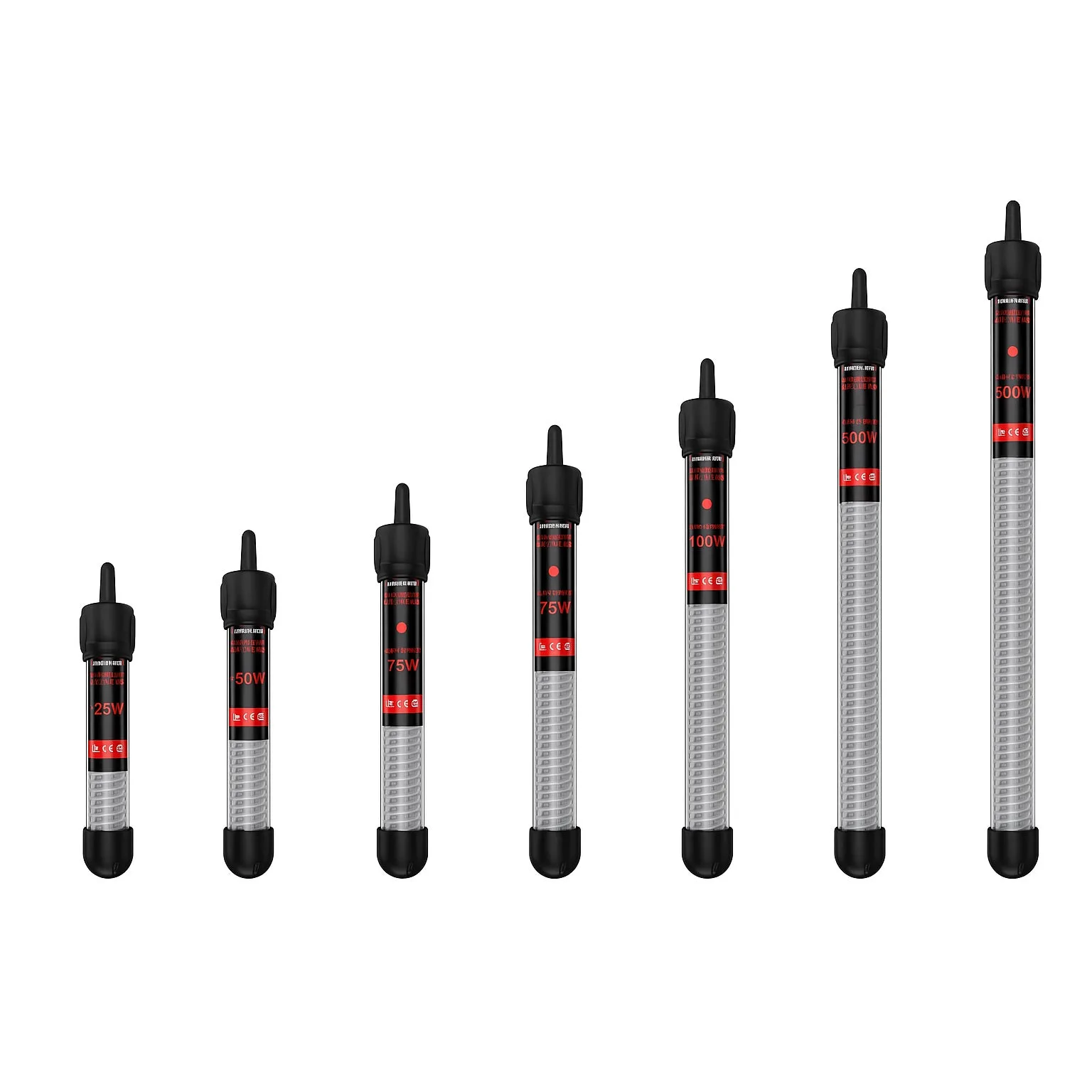
Premium Thermostat Aquarium Heater ZY-188 Series for 20L to 110L Tanks
-
USB Nano Aquarium 10W Heater with Thermostat: This USB-powered heater provides stable, adjustable temperature control while remaining fully submersible and energy efficient, and can run from a power bank during outages. Ideal for nano tanks under 20L or as a backup heater, but for 20L to 110L tanks, ensure the wattage matches your tank size to avoid underheating.
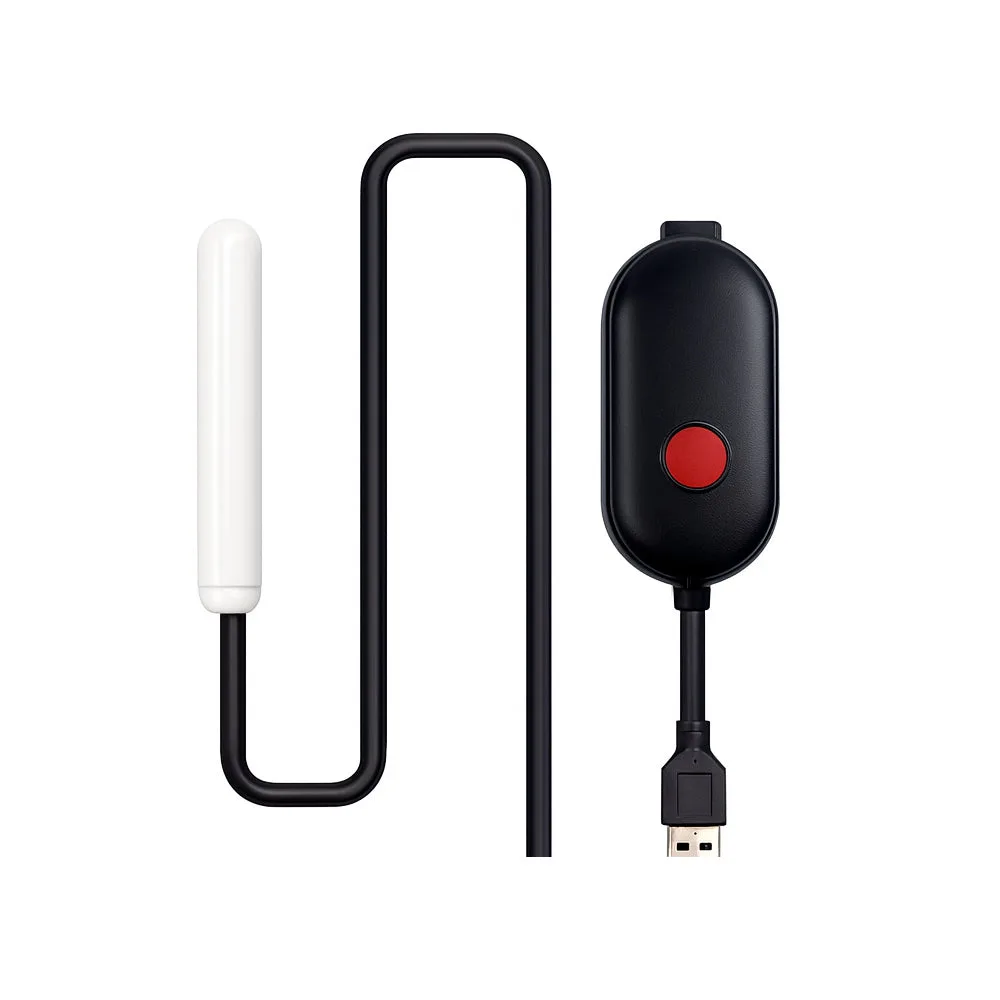
USB Nano Aquarium 10W Heater with Thermostat