Quick Answer
If your natural deodorant stops working, the culprit is usually a buildup of residue, a detox period, or applying it to damp skin. Fix these by exfoliating your underarms, applying to completely dry skin, and giving your body two to four weeks to adjust. If irritation or rash persists, switch to a gentler formula or see a dermatologist.
Why Natural Deodorant Fails: Common Culprits
Natural deodorants rely on ingredients like baking soda, arrowroot powder, and essential oils to neutralize odor, not block sweat. This means they work differently than antiperspirants, and several habits can sabotage their effectiveness. The most frequent mistake is applying deodorant right after a shower when skin is still damp—the product slides off instead of adhering. Another is wearing old residue from previous applications, which creates a barrier that prevents fresh deodorant from working. Finally, your body may be going through a detox phase as it adjusts to aluminum-free formulas, which can temporarily increase odor and sweat.
- Apply to clean, completely dry underarms.
- Exfoliate once a week to remove buildup.
- Allow 2–4 weeks for your body to adjust.
Fix #1: Proper Application Technique
How you apply natural deodorant matters as much as which one you choose. Start with clean, dry skin—wait a few minutes after showering. Swipe or dab a thin, even layer; too much product can cause balling and reduce effectiveness. For maximum protection, apply at night before bed, as sweat glands are less active, allowing the deodorant to absorb and work more effectively the next day.
Fix #2: Manage the Detox Phase
When switching from an antiperspirant to a natural deodorant, your body may need time to flush out aluminum and other residues. During this period, you might notice increased sweating and odor. This is temporary and usually subsides within two to four weeks. To manage it, stay hydrated, wear breathable fabrics, and consider using a detox mask once a week to help draw out impurities. If the phase lasts longer than a month, your formula may not be right for you.
Fix #3: Address Irritation and Rash
If your natural deodorant causes a rash or irritation, the likely cause is baking soda, which can be too alkaline for some skin types. Look for baking-soda-free formulas that use magnesium hydroxide or zinc oxide instead. Also, check for essential oils that might trigger sensitivity. If irritation persists, stop using the product immediately and apply a soothing balm like aloe vera. If the rash doesn't improve in a few days, consult a dermatologist.
Diagnosis: Is Your Deodorant Failing or Just Adjusting?
- Symptom: Midday odor returns: You apply in the morning but smell by lunch. This often means you applied to damp skin or used too little product. Fix: Apply to dry skin and consider a nighttime application.
- Symptom: Redness or rash: Irritation usually points to baking soda or essential oils in your formula. Fix: Switch to a baking-soda-free formula. If rash persists, stop and consult a doctor.
- Symptom: Increased sweating and odor after switching: This is typical during the 2–4 week detox phase as your body adjusts. Fix: Be patient, but if it lasts longer than a month, your formula may not be suitable.
Products That Support Your Natural Routine
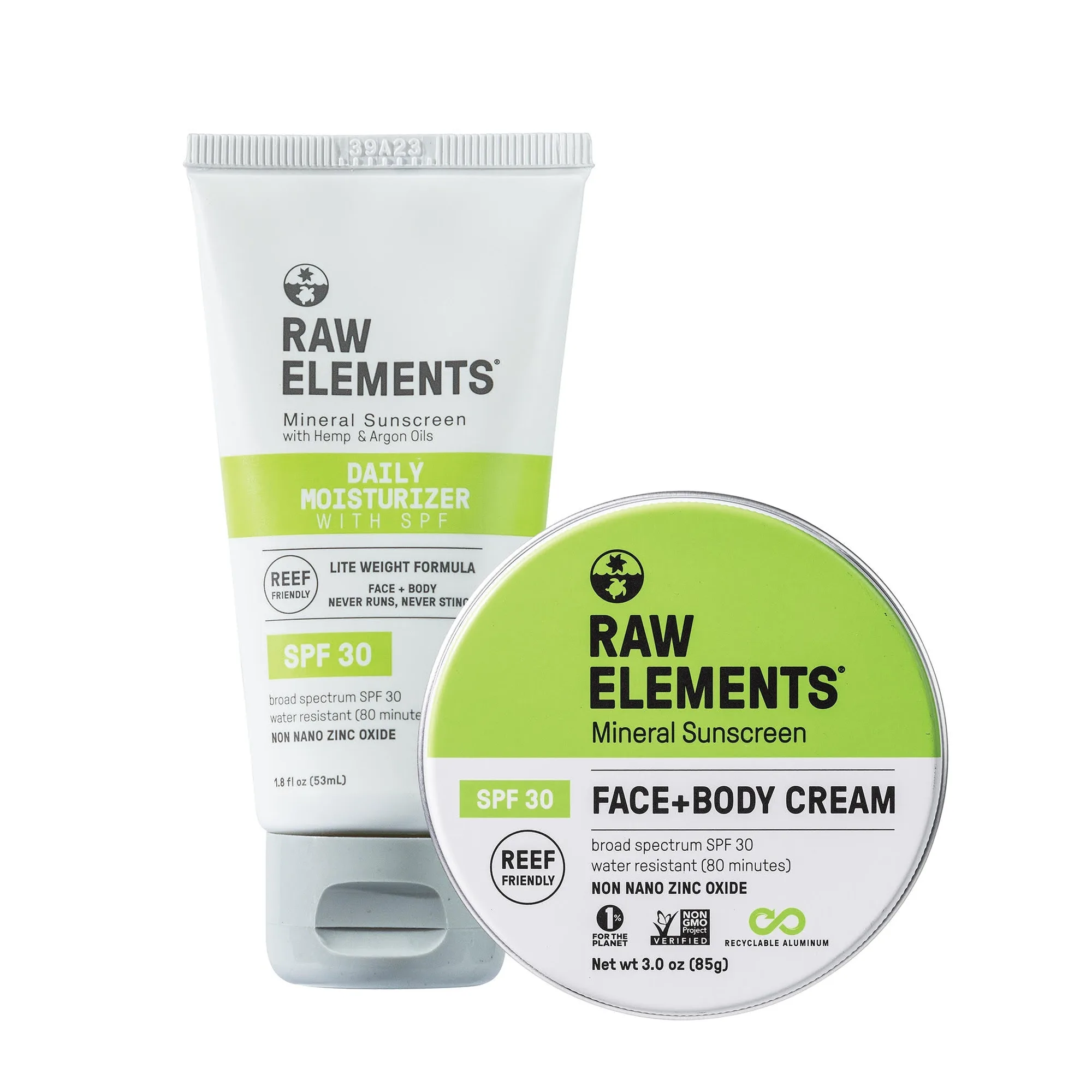
- Face + Body Tube SPF 30 Bio-Resin Tube & Plastic Free Tin Bundle: Mineral SPF 30+ sunscreen bundle with one bio-resin tube and one plastic-free tin for face and body protection. Made with non-nano zinc oxide, sunflower oil, cocoa butter, beeswax, hemp seed oil, mango butter, green tea, black tea, coffee extract, rosemary, and vitamin E. If you're dealing with deodorant irritation, your underarm skin may be sensitive. This mineral sunscreen uses gentle, non-nano zinc oxide and nourishing butters, making it a good choice for sensitive skin—and it's water-resistant for up to 80 minutes, so you stay protected without harsh chemicals.
If you've tried these fixes and your natural deodorant still isn't working, it may be time to explore a different formula or consult a dermatologist. Your body chemistry is unique, and finding the right natural deodorant can take a little experimentation. Don't give up—many people successfully make the switch with the right approach.