Quick Answer
Setting up a natural gas griddle requires a dedicated gas line, a licensed installer, and a griddle that's built for natural gas—like the Original 36" Griddle with Hood (Natural Gas). If you don't have a gas line nearby, consider the installation cost and whether a propane model might be simpler.
Why Choose Natural Gas?
Natural gas griddles connect directly to your home's gas line, so you never run out of fuel mid-cook. That's a big advantage for frequent cooks who don't want to monitor propane tank levels.
The trade-off is that you need a gas line within reach of your cooking area. If you're building an outdoor kitchen or have a patio near your home's utility connection, natural gas is a clean, convenient option.
Installation Considerations
A natural gas griddle must be installed by a licensed professional who can verify gas pressure, line size, and connection type. This isn't a DIY job—incorrect installation can lead to gas leaks or poor performance.
You'll also need to check local building codes and possibly obtain a permit. The installer will confirm that your gas line can supply enough BTU to the griddle without starving other appliances.
Conversion vs. Dedicated Natural Gas Models
Some propane griddles can be converted to natural gas with a kit, but this requires careful adjustment of the regulator and orifices. A dedicated natural gas model, like the Original 36" Griddle with Hood (Natural Gas), comes ready to connect, saving you the hassle and potential risk of conversion.
If you're weighing conversion, factor in the cost of the kit and the labor to install it. A dedicated model may be more reliable and often includes a hood for better heat retention.
Decision Rules for Natural Gas Griddle Setup
- Check your gas line: Confirm that a natural gas line is available near your outdoor cooking area. If not, you'll need to run a new line, which adds cost and requires a professional. Get a quote from a licensed installer before buying a natural gas griddle.
- Choose a dedicated model: Opt for a griddle that's factory-set for natural gas, like the Original 36” Griddle with Hood (Natural Gas). This avoids the complexity and risk of converting a propane unit. Check the product specs to ensure it's natural gas-ready.
- Hire a professional installer: Always use a licensed gas fitter to connect the griddle. They'll verify gas pressure, test for leaks, and ensure compliance with local codes. Ask for a certificate of installation for your records.
Product at a Glance
-
Original 36” Griddle with Hood (Natural Gas): The Original 36” Griddle with Hood (Natural Gas) is ready for natural gas and features Omnivore Griddle Plate Technology for more efficient cooking. You can connect it directly to your home gas line without conversion, and the Omnivore plate helps distribute heat evenly for consistent results.
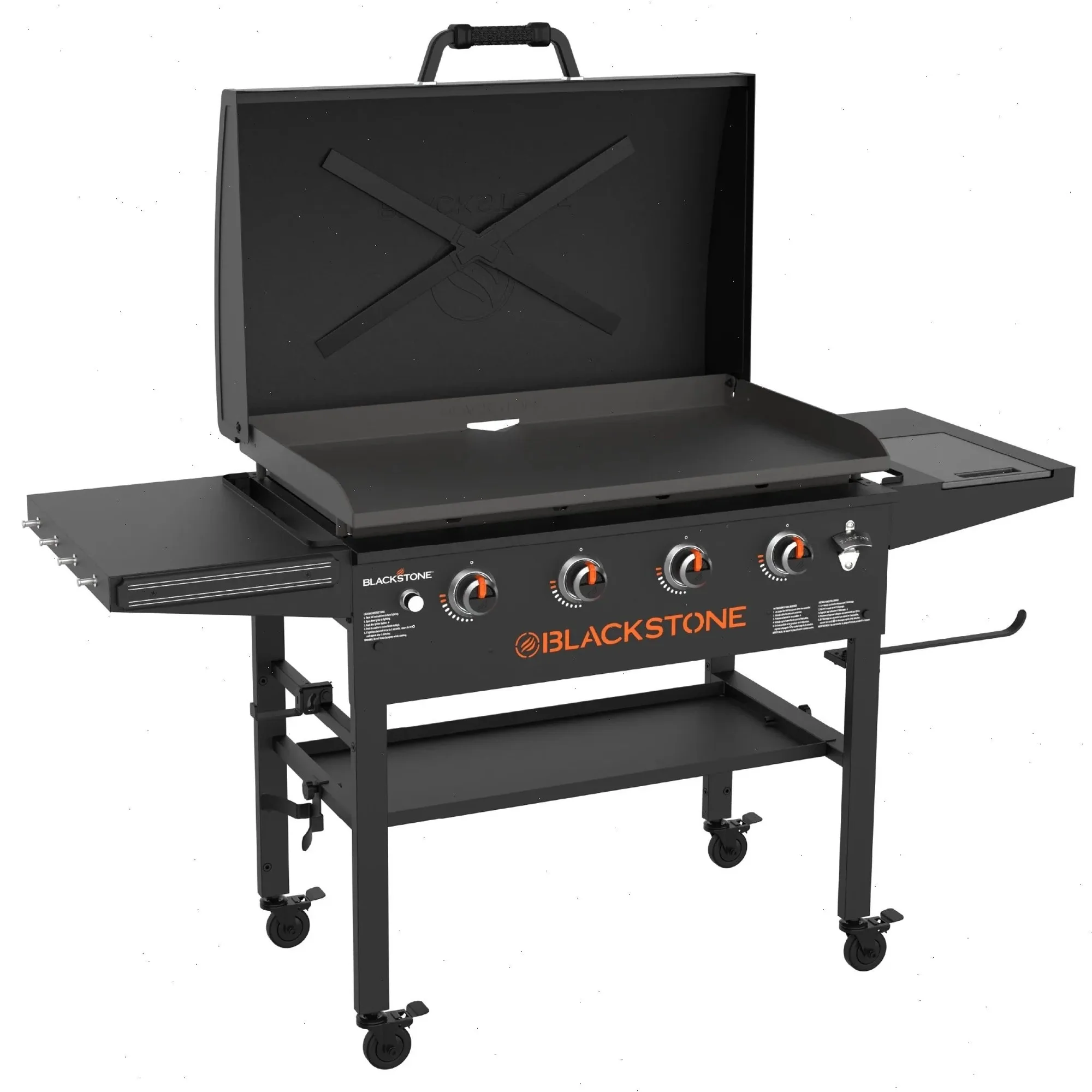
Original 36” Griddle with Hood (Natural Gas)
Who Should Choose Natural Gas?
Best for
- Homeowners with an existing outdoor gas line who cook frequently and want uninterrupted fuel
- Those building a permanent outdoor kitchen and want a clean, integrated setup
Not for
- Renters or anyone who moves often—natural gas requires a fixed connection
- Those without a nearby gas line who want a lower upfront cost—propane may be simpler