Quick answer
A natural night filter can reduce the yellow-orange glow from sodium-vapor streetlights, but it does not eliminate light pollution. It works best as one part of a broader strategy: shoot when the sky is darkest, use a fast lens, and stack exposures. If you expect a filter to turn a bright city sky into a dark-sky site, you will be disappointed.
What a natural night filter actually does
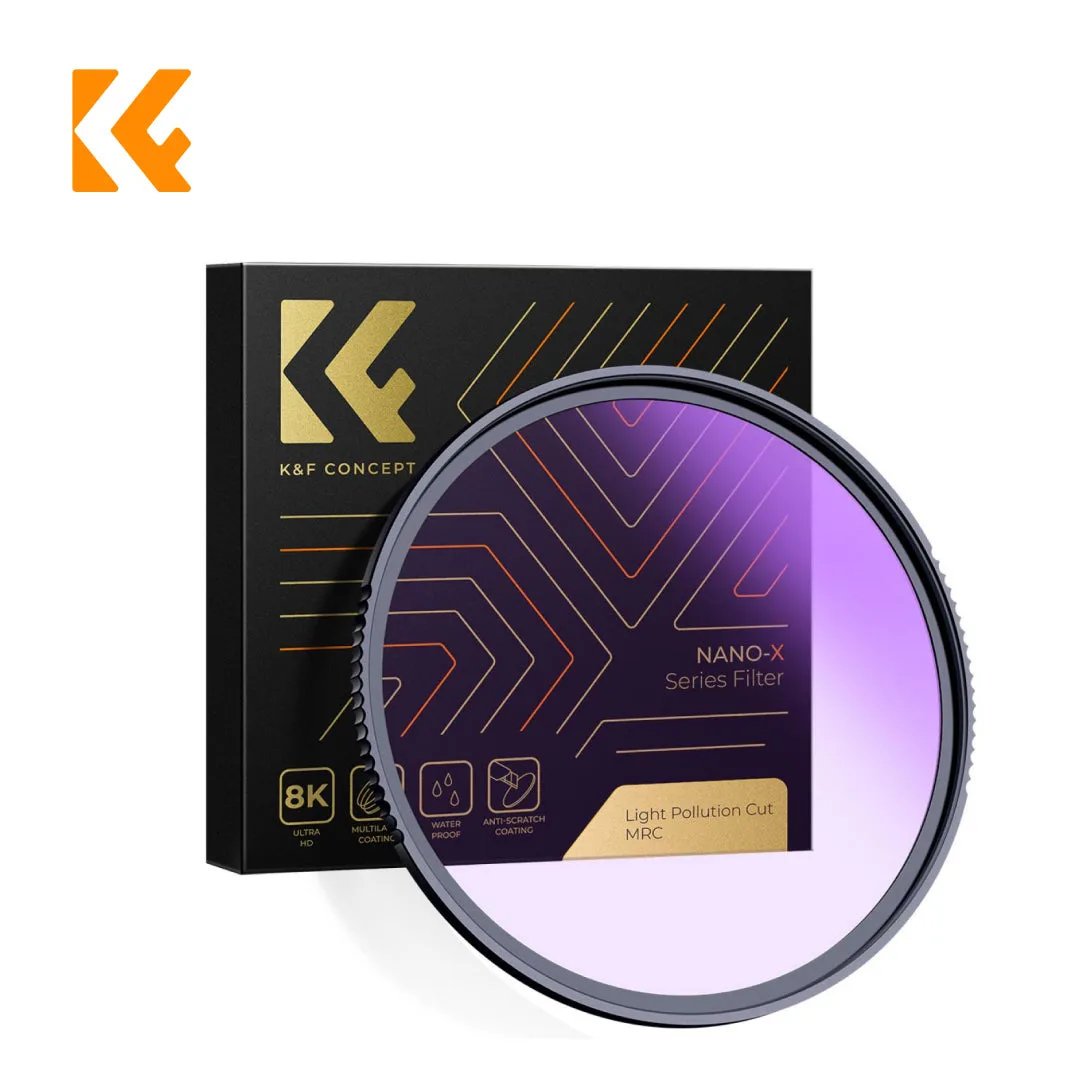
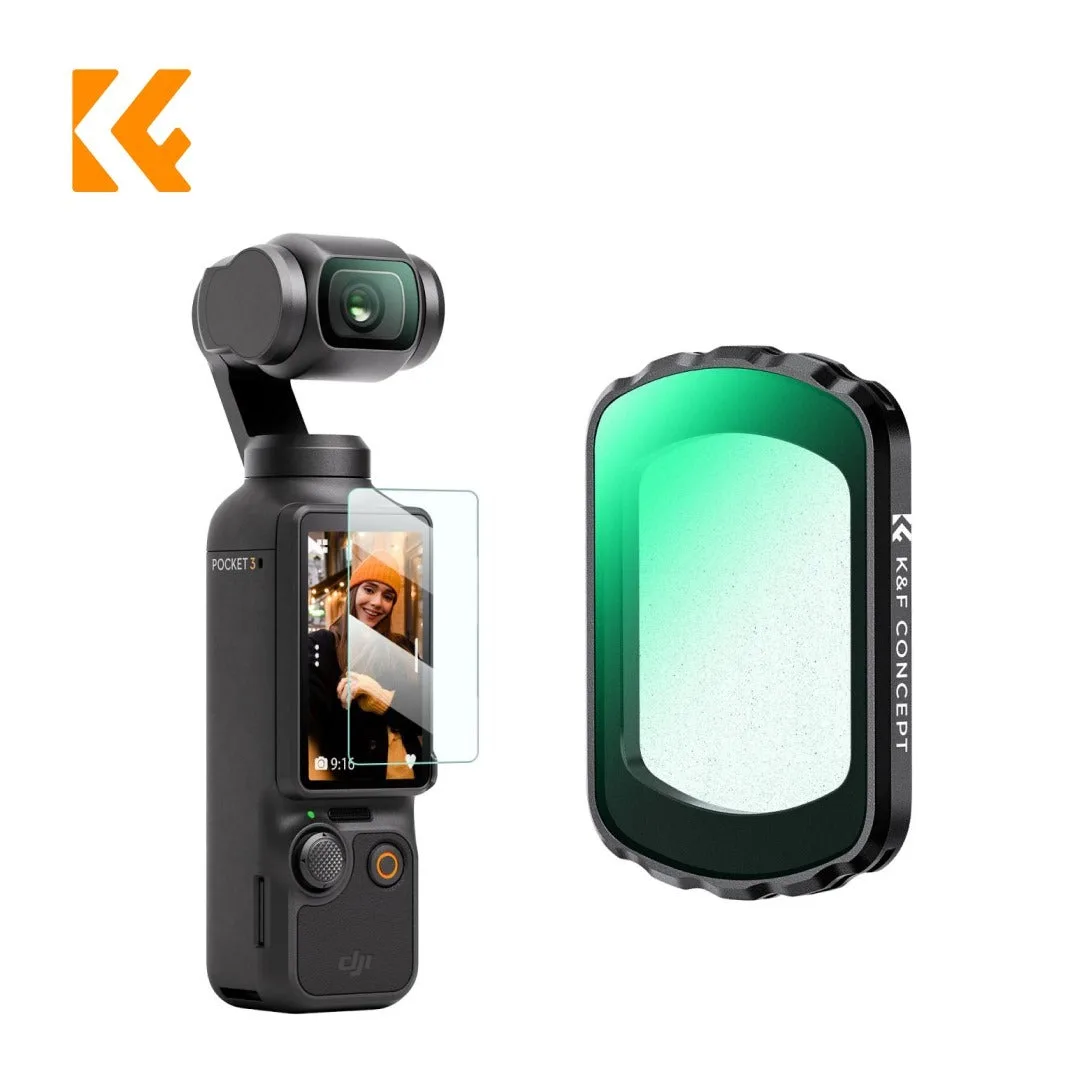
Filters like the K&F Concept Nano-X Natural Night Filter are designed to block specific wavelengths in the lamp range—typically the yellow-orange bands emitted by older streetlights. By reducing those bands, the filter can make the sky background darker and help faint stars stand out. But it cannot remove light from LED sources, skyglow, or moonlight, and it will not fix a washed-out sky caused by haze or a nearby floodlight.
When a light pollution filter helps—and when it doesn't
The filter is most useful when you are shooting in an area with sodium-vapor lighting and want to capture the night sky without the sky turning muddy orange. It also helps when you need longer exposures but the sky is simply too bright. However, in areas dominated by LED lighting or under a full moon, the filter's effect is minimal. And because it blocks some light, you will need to increase exposure time or ISO, which can introduce noise if you are not tracking the sky.
How to get the most from a night filter
Start by choosing a night with no moon and low humidity. Use a fast wide-angle lens and a sturdy tripod—the Ulanzi MT-79 is a lightweight option for travel, but for long exposures you will want something more stable. Shoot at a high ISO and take multiple exposures to stack later. The filter works best when you also avoid pointing toward bright light sources and when you shoot raw so you can adjust white balance in post.
Verdicts on common claims
- Claim: A night filter eliminates light pollution.: It only reduces certain wavelengths from sodium-vapor lamps; LED light, skyglow, and moonlight remain. Myth—expect improvement, not elimination.
- Claim: A night filter lets you shoot the Milky Way from downtown.: Even with a filter, heavy urban light pollution will overwhelm faint details; you still need dark skies or stacking. Myth—location matters more than any filter.
- Claim: A night filter is useless for city night photography.: It can darken the sky background and improve contrast when sodium-vapor lights dominate, making stars more visible. Not true—it has a place if you understand its limits.
Product facts
- K&F Concept Nano-X series Natural Night Filter: K&F Concept Nano-X series Natural Night Filter features multi-resistant coating technology that significantly reduces lens flare and ghosting, and blocks light beams in the lamp range. Reduced flare and ghosting means cleaner stars and fewer artifacts when bright lights are in or near the frame; blocking lamp-range light helps cut sodium-vapor glow.