When it comes to staying hydrated, the debate between natural and artificial electrolyte sources is more relevant than ever. From coconut water and sea salt to lab-formulated powders and sports drinks, consumers face a dizzying array of options. Understanding the differences can help you make smarter choices for your health, performance, and daily well-being.
Natural electrolytes come from whole food sources like fruits, vegetables, and unprocessed salts. Artificial electrolytes are typically synthesized in labs and added to commercial beverages and powders. Both have their place, but the key is knowing when and how to use each. This article dives into the science, benefits, and practical applications of both approaches.
What Are Natural Electrolytes?
Natural electrolytes are minerals found in whole foods that help regulate nerve function, muscle contraction, and fluid balance. Common sources include coconut water (rich in potassium), sea salt (sodium and chloride), leafy greens (magnesium), and dairy products (calcium). These sources often come with additional nutrients like vitamins, antioxidants, and fiber, which can support overall health.
For example, a glass of coconut water provides about 600 mg of potassium along with small amounts of magnesium and calcium. Similarly, a pinch of high-quality sea salt delivers sodium and chloride without the additives found in processed table salt. Many people prefer natural sources because they feel more aligned with a whole-foods diet and often contain synergistic compounds that aid absorption.
- Tip: Add a squeeze of lemon and a pinch of sea salt to your water for a quick, natural electrolyte boost.
What Are Artificial Electrolytes?
Artificial electrolytes are minerals that are chemically isolated or synthesized and then added to products like sports drinks, electrolyte powders, and fortified waters. They are designed to deliver precise amounts of sodium, potassium, magnesium, and calcium in a convenient, shelf-stable form. Brands often use compounds like potassium chloride, magnesium citrate, and sodium citrate to ensure rapid dissolution and absorption.
The main advantage of artificial electrolytes is consistency. With a product like Hydrant Hydrate, you know exactly how much sodium and potassium you’re getting per serving—no guesswork. They are also free from the sugars and calories found in many natural sources, making them ideal for athletes, travelers, or anyone needing quick rehydration without extra carbs.
- Tip: Look for products with a balanced electrolyte ratio—about 2:1 sodium to potassium is a good starting point.
Comparing Absorption and Effectiveness
When it comes to rapid rehydration, artificial electrolyte blends often have an edge because they are designed for fast absorption. The body can take up minerals from simple salts more quickly than from complex food matrices. This is why many endurance athletes rely on electrolyte powders during long runs or races.
However, natural sources can be just as effective for everyday hydration, especially when paired with meals. The fiber and other nutrients in whole foods can slow absorption, which may be beneficial for sustained hydration over several hours. For most people, a combination of both works best—using natural sources for daily maintenance and artificial sources for targeted rehydration after exercise or illness.
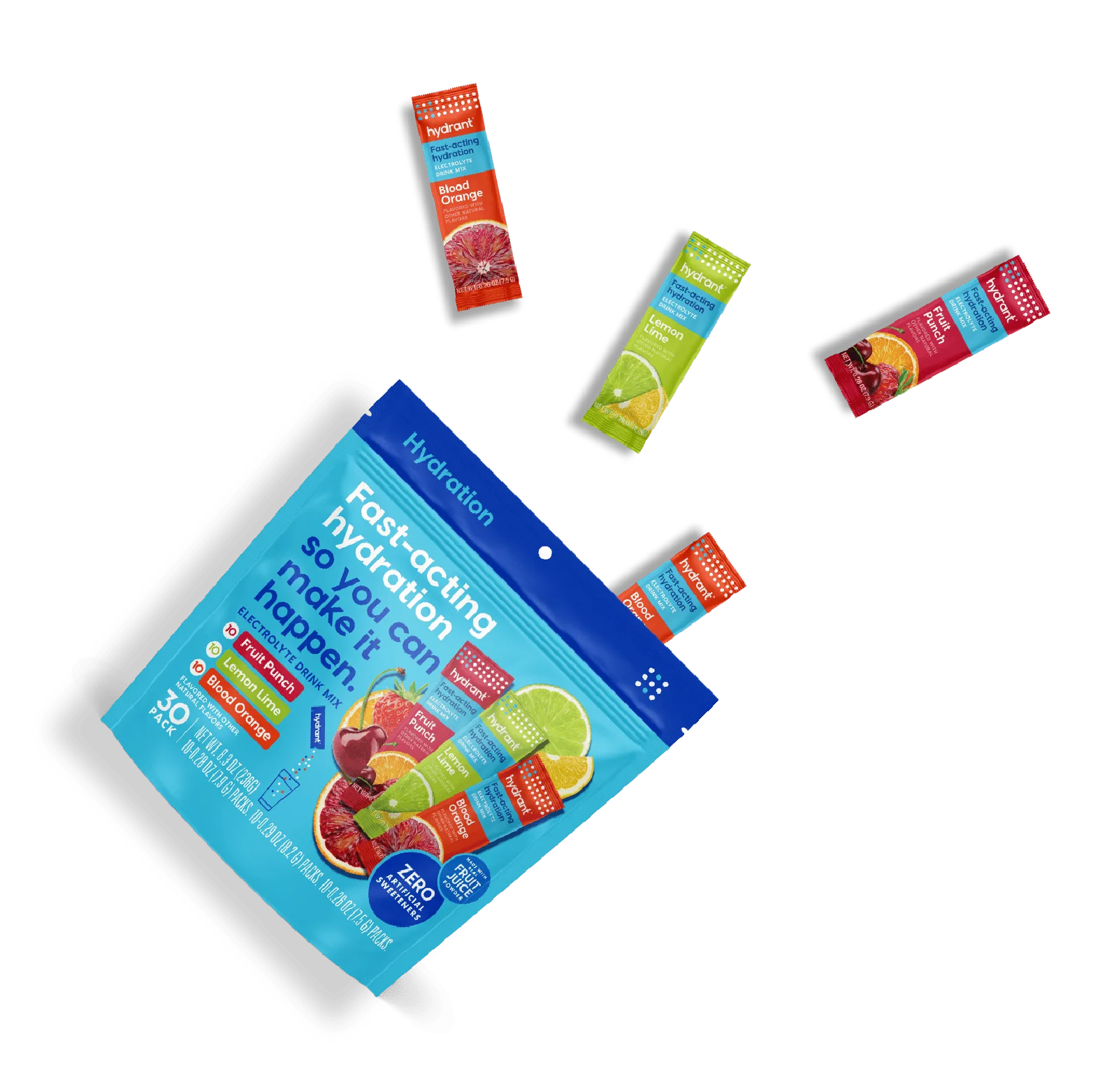
- For a convenient option that blends science and simplicity, consider the Hydrant 8-Pack. It delivers a precise electrolyte mix without artificial flavors or excess sugar.
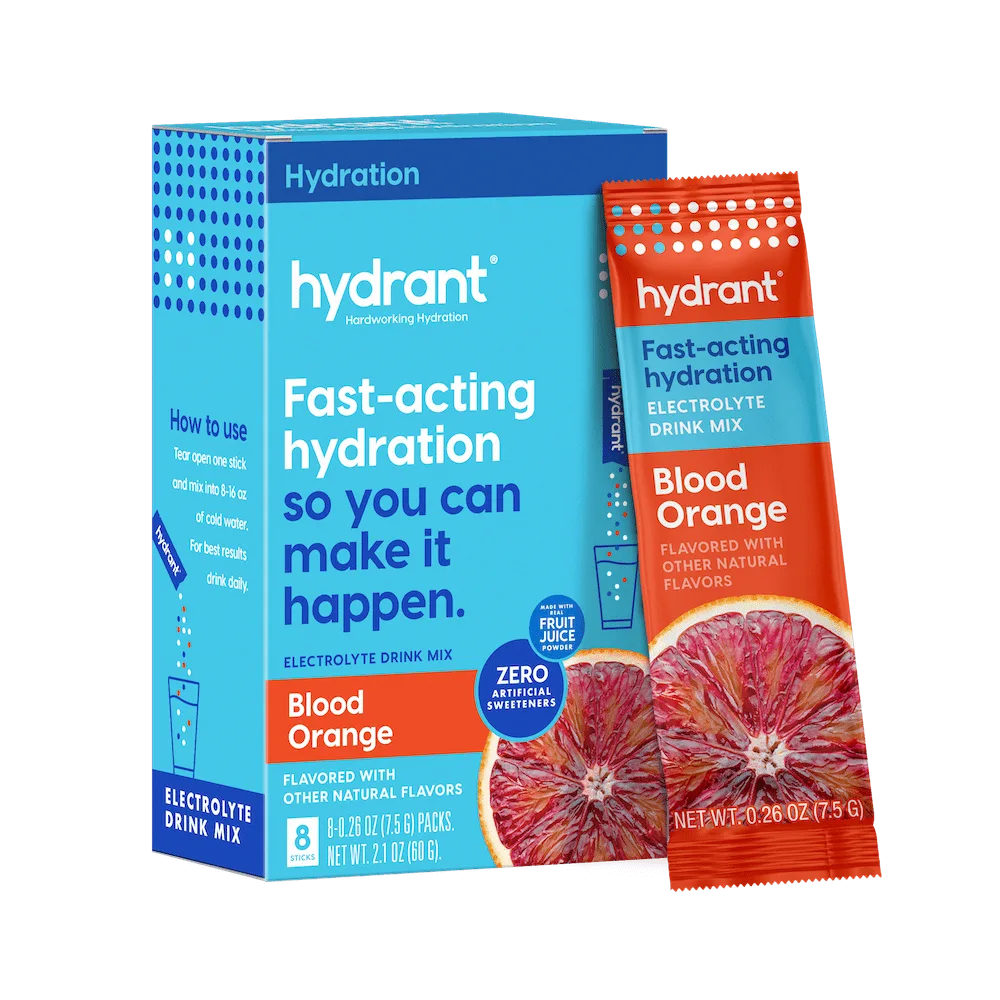
Hydrant 8-Pack
Taste, Additives, and Clean Labels
Natural electrolyte sources like coconut water have a mild, slightly sweet taste that many enjoy, but they can be high in natural sugars. Artificial electrolyte products can be formulated with zero sugar and natural flavors, making them a cleaner choice for those watching their intake. Some artificial blends also include added vitamins or adaptogens for extra benefits.
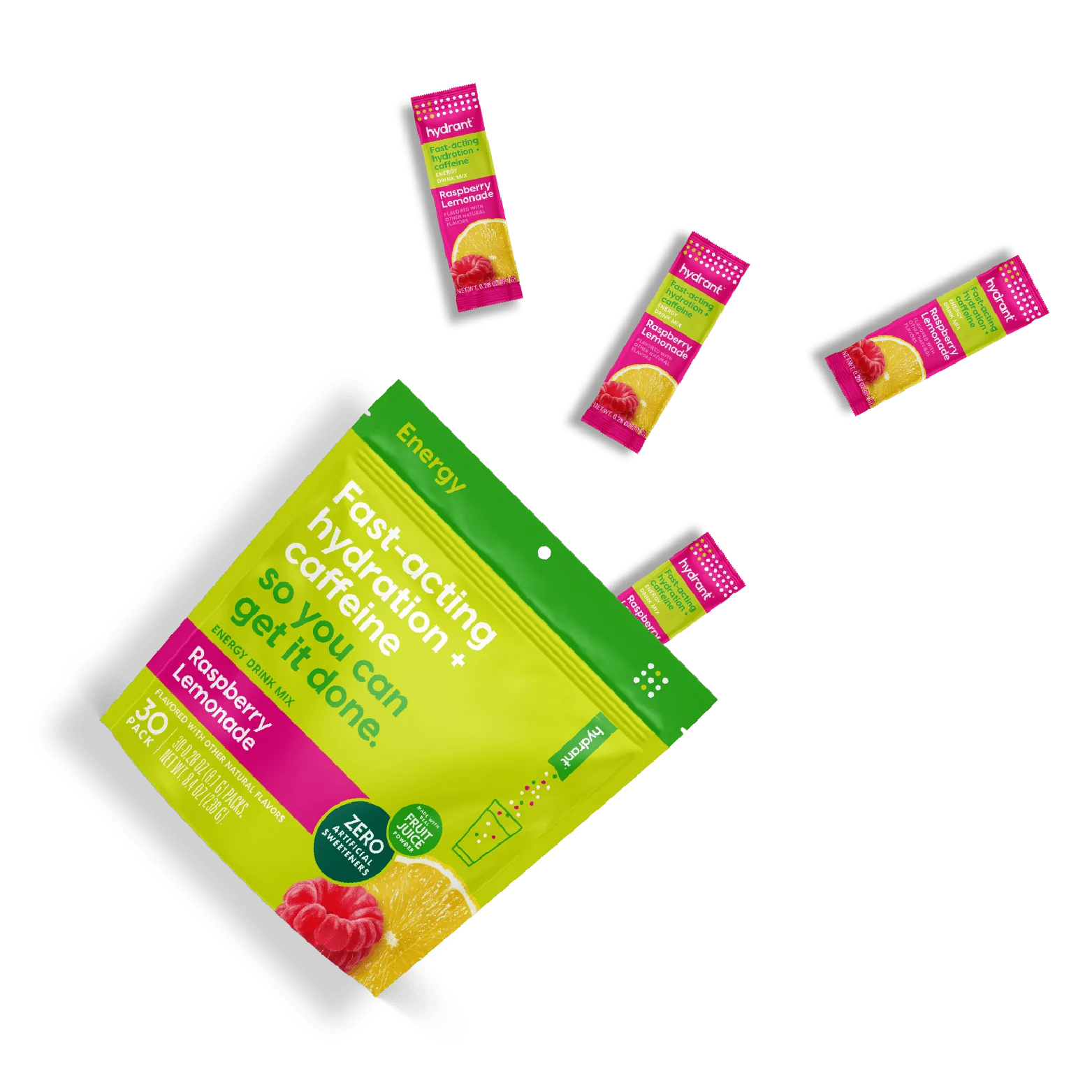
For instance, Hydrant SLEEP combines electrolytes with magnesium, GABA, and L-theanine to support relaxation and sleep quality—something you won’t get from a glass of coconut water. Similarly, Hydrant ENERGY pairs electrolytes with jitter-free caffeine and L-theanine for focused hydration. These functional additions make artificial sources more versatile for specific needs.
- Check labels for added sugars and artificial colors—many natural sources contain hidden sugars, while some artificial mixes may include unnecessary fillers.
Cost and Environmental Considerations
Natural electrolyte sources like fruits and vegetables are often more affordable and have a lower environmental footprint if sourced locally. However, they require preparation and have a shorter shelf life. Artificial electrolyte powders are highly concentrated and portable, reducing packaging waste per serving when bought in bulk.
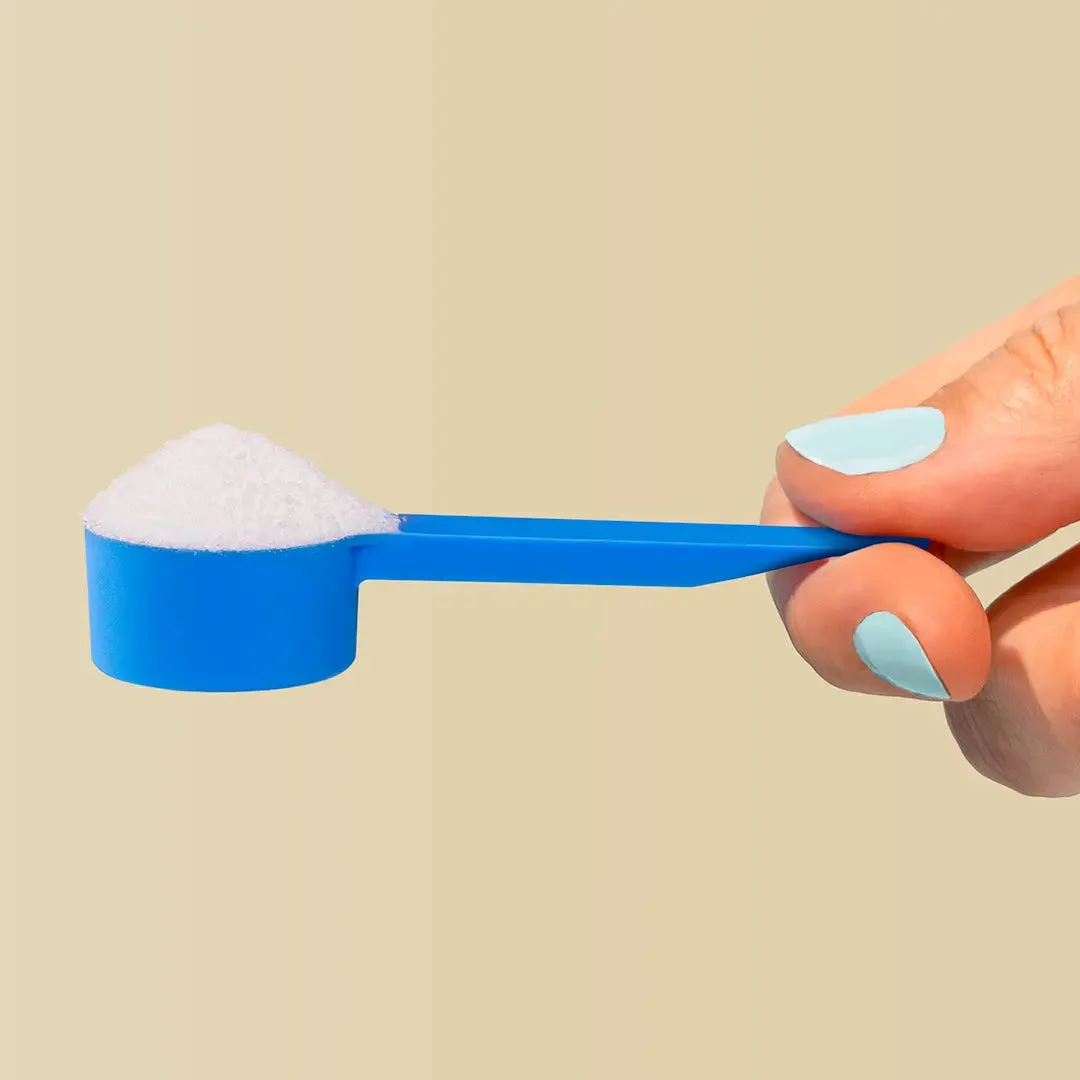
A product like the Unflavored Electrolyte Powder offers a neutral taste that can be added to any beverage, minimizing the need for single-use plastic bottles. When comparing cost per serving, artificial powders often come out ahead because a single tub can provide dozens of servings, whereas natural sources like sports drinks are more expensive per ounce.
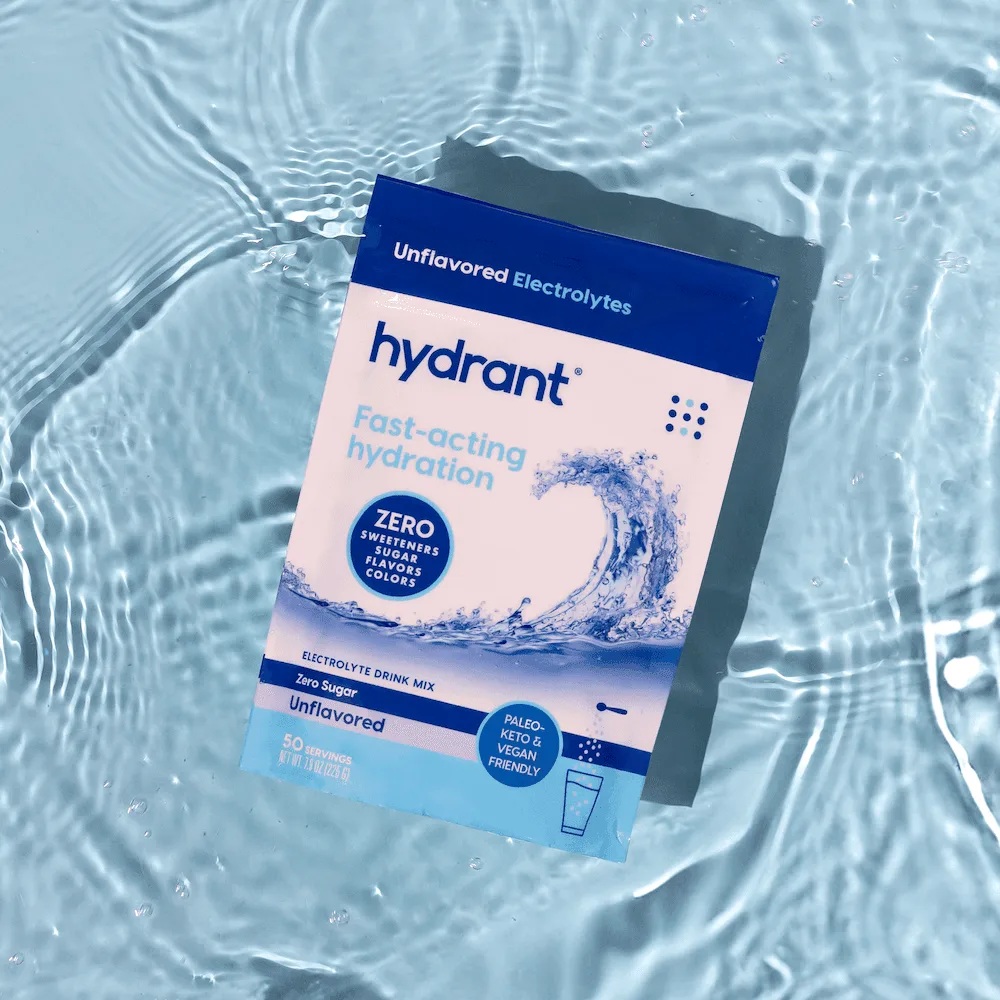
Unflavored Electrolyte Powder
- Tip: Reuse a reusable water bottle and carry single-serving electrolyte packets for on-the-go hydration without waste.
Whether you choose natural or artificial electrolyte sources, the most important thing is to stay consistently hydrated. Natural options are great for everyday wellness, while artificial blends offer precision and convenience for active lifestyles. For a balanced, science-backed solution that fits seamlessly into your routine, explore the Hydrant 8-Pack—it’s a simple way to get the electrolytes you need without compromise.