Quick Answer
For everyday wear, natural colored contacts with a smaller limbal ring and moderate coverage blend seamlessly with your features, while bold lenses with high opacity or larger diameters make a statement but can feel overpowering. Choose intensity based on your comfort with attention and how much you want your eye color to change.
Choosing between natural and bold colored contact lenses isn't just about color preference—it's about how much you want your eyes to stand out. Natural lenses mimic the depth and texture of real irises, while bold designs use higher opacity and larger patterns to create dramatic transformation. Your daily routine, skin tone, and even your lens fit all play a role in which intensity works best.
This guide breaks down the key differences in coverage, comfort, and visual impact, so you can pick a pair that feels like 'you'—whether that means a subtle enhancement or a full-on statement.
Coverage Level: The Main Difference Between Natural and Bold Lenses
The most important factor is coverage—how much of your natural iris the lens hides. Natural colored contacts often use a transparent outer ring and a semi-transparent center, so your own eye color shows through and blends with the new shade. This creates a realistic effect, especially in daylight. Bold lenses, on the other hand, use opaque colors that completely mask your iris, giving a flat, intense look that reads clearly from across the room.
Coverage also affects how the lens interacts with your pupil. Some bold designs have a smaller pupil hole, which can restrict your field of view in low light. If you're considering a dramatic pair, check the pupil size in the product details—lenses with a smaller opening can feel like you're looking through a tunnel when your pupils dilate.
- Natural lenses: semi-transparent, lets your eye color show through.
- Bold lenses: opaque, fully covers your iris for a dramatic change.
- Check pupil hole size—smaller holes can reduce peripheral vision.
Comfort and Fit: Why Base Curve and Diameter Matter
Comfort is just as important as look. The base curve (B.C.) and diameter (DIA) determine how the lens sits on your eye. A lens that's too flat or too steep can move around, causing irritation or blurry vision. Most colored lenses come in a standard B.C. around 8.6–8.7 mm, but your eye's natural curvature may differ. Always have an eye care professional measure your eye before trying a new brand.
Diameter also affects how the lens feels and looks. A larger diameter (like 14.2 mm) can make your eyes appear bigger, but it may also cover more of the white of your eye, which some people find uncomfortable. If you're new to colored lenses, start with a diameter close to your natural iris size (around 14.0 mm) for a more comfortable fit and easier adjustment.
- Always get a professional fitting to confirm your base curve.
- Larger diameters can feel different—try a standard size first.
- If a lens moves or blurs, remove it and check the fit.
Matching Intensity to Your Lifestyle
Think about where you'll wear the lenses. For work, school, or casual outings, natural lenses with a subtle limbal ring (the dark outline around the iris) add definition without screaming for attention. They look like your natural eye color but better. Bold lenses, with high contrast or unusual colors, are better saved for parties, photoshoots, or cosplay events where you want to transform your look completely.
Also consider your skin tone and hair color. Natural shades like soft brown or green tend to complement a wide range of complexions, while bold colors like gray or emerald can clash or pop depending on your undertones. If you're unsure, hold the lens case against your wrist or ask a friend for a second opinion—it's easier to judge when you see it in context.
- Natural lenses: great for daily wear, interviews, and casual settings.
- Bold lenses: ideal for events, costumes, and dramatic selfies.
- Test the color against your skin tone before committing.
Decision Rules for Choosing Your Lens Intensity
- Rule 1: Match coverage to your comfort with attention: If you prefer a subtle change that people might not notice immediately, choose natural lenses with semi-transparent patterns. If you want to make a statement, go bold with full opacity. Your comfort with being noticed is the first filter.
- Rule 2: Check the pupil hole size before buying: Lenses with smaller pupil holes can obstruct vision, especially in low light. If you need clear peripheral vision for driving or sports, avoid these or limit wear time. Safety first—never sacrifice your field of view for a look.
- Rule 3: Consider your lens fit and base curve: A proper fit is non-negotiable. Always get a professional fitting to confirm your B.C. and diameter. If a lens feels uncomfortable, it's not the right one for you, regardless of how it looks. Comfort is key for everyday wear.
Lens Details to Compare
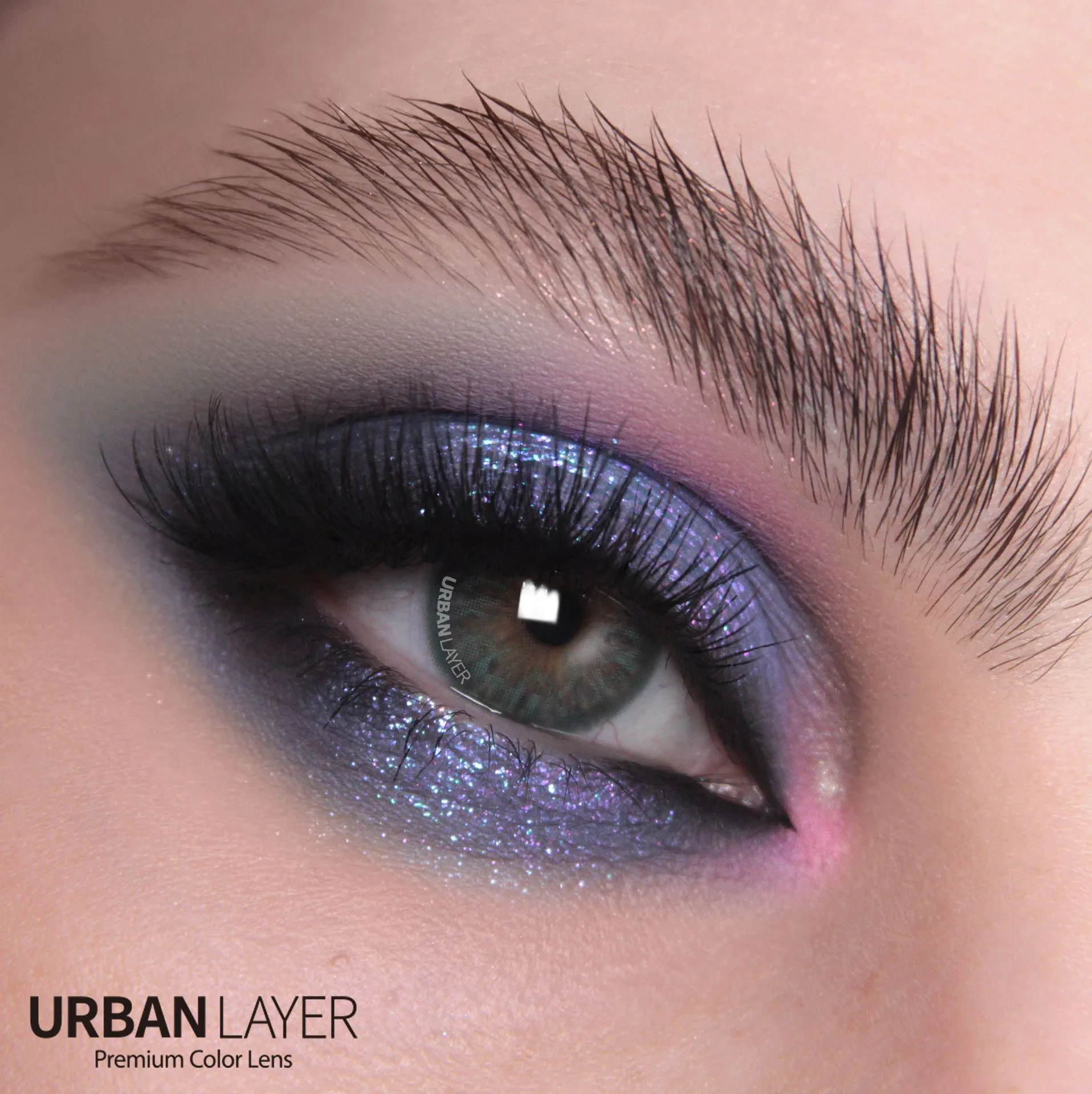
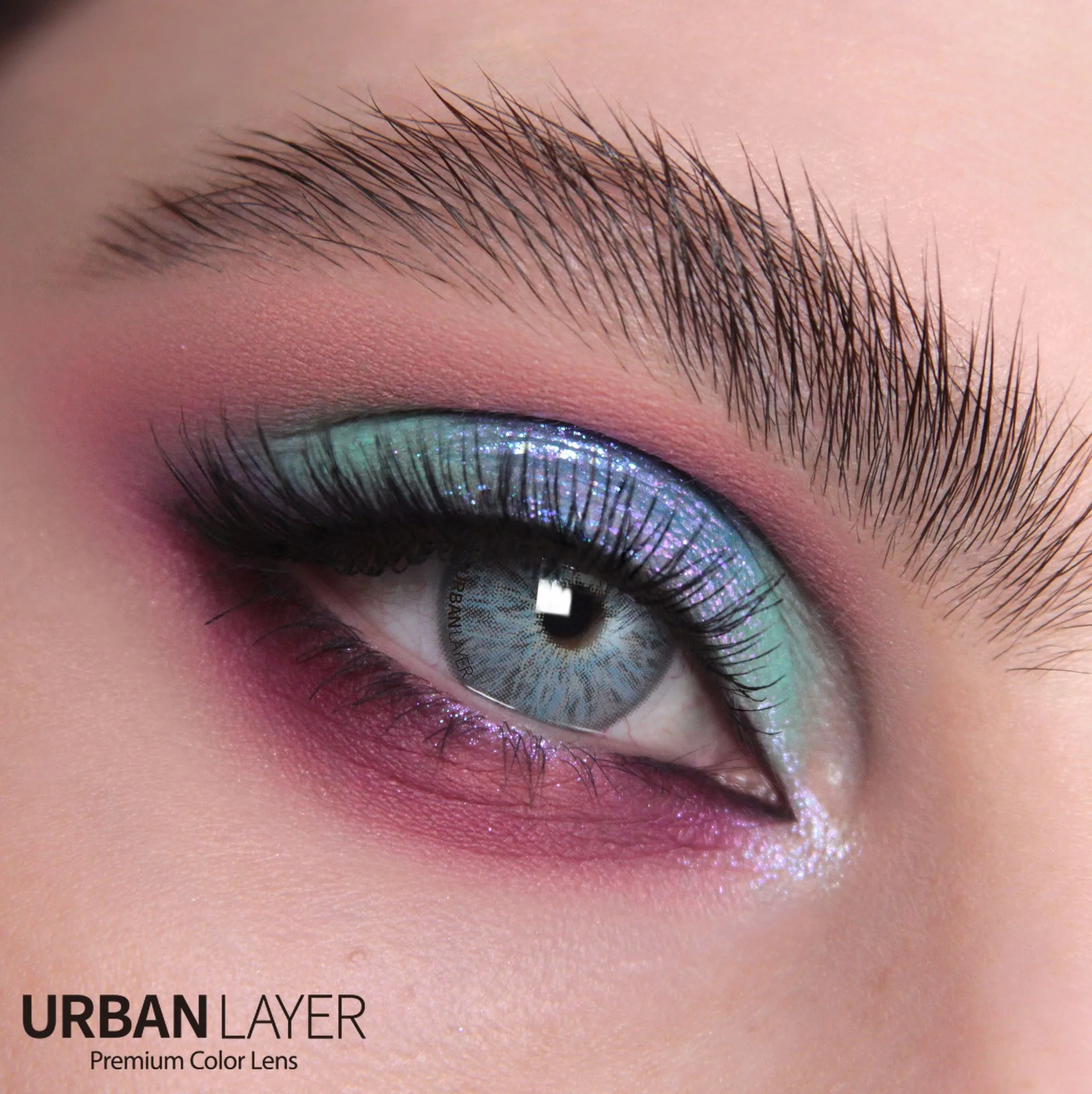
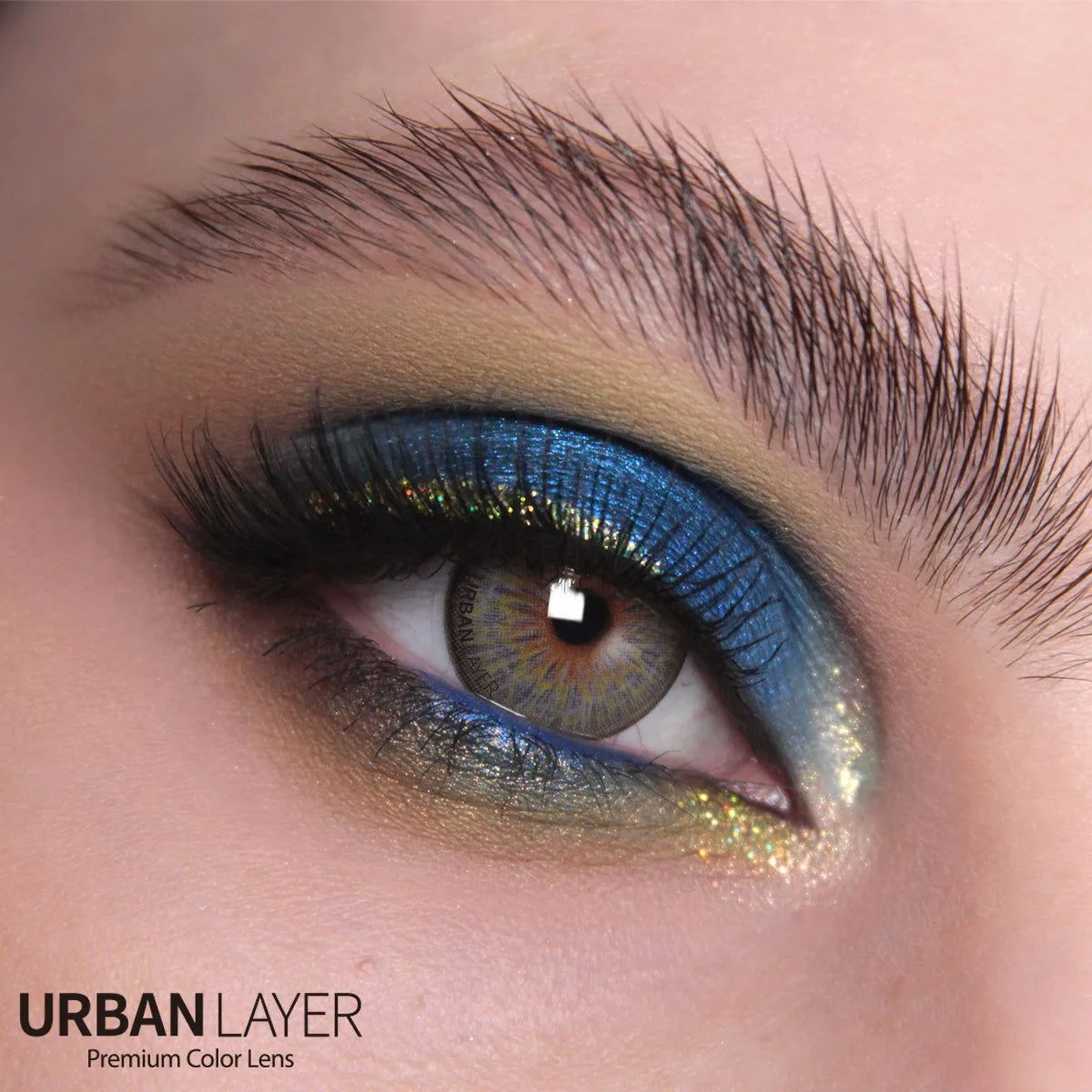
- Nebula Brown: DIA 14.2mm, B.C. 8.7mm, 1-year, silicone hydrogel or MPC, water content 40%, made in Korea. Pupil hole size is smaller than normal color lenses, so it can obstruct vision when wearing it. This natural-looking brown lens has a smaller pupil opening, so you need to be aware that it may reduce your field of view, especially in low light. It's a good choice for those who want a subtle enhancement but should be used with caution during activities that require sharp peripheral vision.
- AI Gray: DIA 14.2mm, B.C. 8.7mm, 1-year, silicone hydrogel or MPC, water content 40%, made in Korea. Pupil hole size is smaller than normal color lenses, so it can obstruct vision when wearing it. A bold gray lens with full coverage delivers a dramatic change, but the smaller pupil hole means you should avoid wearing it while driving at night or in dim environments. It's perfect for a statement look when you can prioritize style over maximum visibility.
- Hockney Emerald: DIA 14.0mm, B.C. 8.6mm, 1-year, silicone hydrogel or MPC, water content 40%, made in Korea. Pupil hole size is smaller than normal color lenses, so it can obstruct vision when wearing it. This emerald lens offers a vivid yet wearable shade with a slightly smaller diameter, making it a middle ground between natural and bold. The smaller pupil hole still requires caution, but the 14.0mm size may feel more comfortable for those new to colored contacts.
Which Intensity Fits You?
Best For
- People who want a subtle enhancement for work or daily activities
- Those with light-colored eyes who want to deepen or warm their natural shade
Not For
- People who need maximum peripheral vision (e.g., professional drivers) should avoid lenses with small pupil holes
- Those with very dark eyes who want a dramatic color change may find natural lenses too subtle
The right intensity comes down to your personal style, your daily environment, and how much you value natural blending versus bold transformation. Start with a lens that feels comfortable and matches the attention you're comfortable with, and always prioritize a proper fit and clear vision.