When you invest in outdoor gear, you want it to hold up against rain, mud, sun, and heavy use. The debate between natural and synthetic materials often comes down to durability versus sustainability. Natural fibers like cotton, wool, and wood have been used for centuries, while synthetics such as nylon, polyester, and silicone have revolutionized modern gear. But which truly lasts longer? The answer isn't straightforward—it depends on the application, care, and environment.
In this comparison, we break down the pros and cons of natural and synthetic materials in outdoor gear, from gardening tools to cookware and carry bags. We'll also highlight some Barebones products that exemplify the best of each material type, helping you make an informed choice for your next adventure.
Durability in Outdoor Fabrics: Cotton Canvas vs Nylon
Cotton canvas is a classic natural material known for its breathability and strength. It can withstand years of use if kept dry and clean. However, it absorbs moisture, making it prone to mildew and rot in wet climates. Nylon, a synthetic alternative, is lightweight, water-resistant, and quick-drying. It resists tearing and abrasion better than canvas in many conditions. For day bags and totes, nylon often wins on durability in wet environments, while canvas offers a timeless look and better breathability for dry climates.
Barebones offers both options. The Harvesting & Gathering Bag is made from heavy-duty cotton canvas, perfect for farmers market trips or garden harvests. Its natural fiber holds up well under moderate weight and resists punctures from tools. For those who prefer synthetic, the Mōdeer Rolltop Backpack uses waterproof nylon, ideal for rainy hikes. The choice depends on your typical weather and how much moisture your gear will face.
- Cotton canvas: breathable, strong when dry, prone to mildew
- Nylon: lightweight, water-resistant, quick-drying, high abrasion resistance
Cookware and Dining: Enamelware vs Stainless Steel
Enamelware is a natural material made by fusing glass to steel. It is lightweight, non-reactive, and easy to clean. However, it can chip if dropped on hard surfaces, exposing the steel underneath to rust. Stainless steel is a synthetic alloy that is virtually indestructible under normal use. It resists dents, rust, and heat damage, but it is heavier and can transfer heat to handles. For outdoor dining, enamelware offers a classic aesthetic and lighter weight, while stainless steel excels in rugged conditions.
Barebones https://solpick.shop/products/rolled-enamelware-side-bowl-set-117220https://solpick.shop/products/rolled-enamelware-side-bowl-set-117235https://solpick.shop/products/rolled-enamelware-side-bowl-set-117236Rolled Enamelware Side Bowl Set and Rolled Enamelware Mug Set are excellent examples of natural-material cookware. They are durable enough for campfires and picnics, but require gentle handling to avoid chipping. For heavy-duty cooking, stainless steel pots and pans are better, but enamelware remains a favorite for its charm and ease of use.
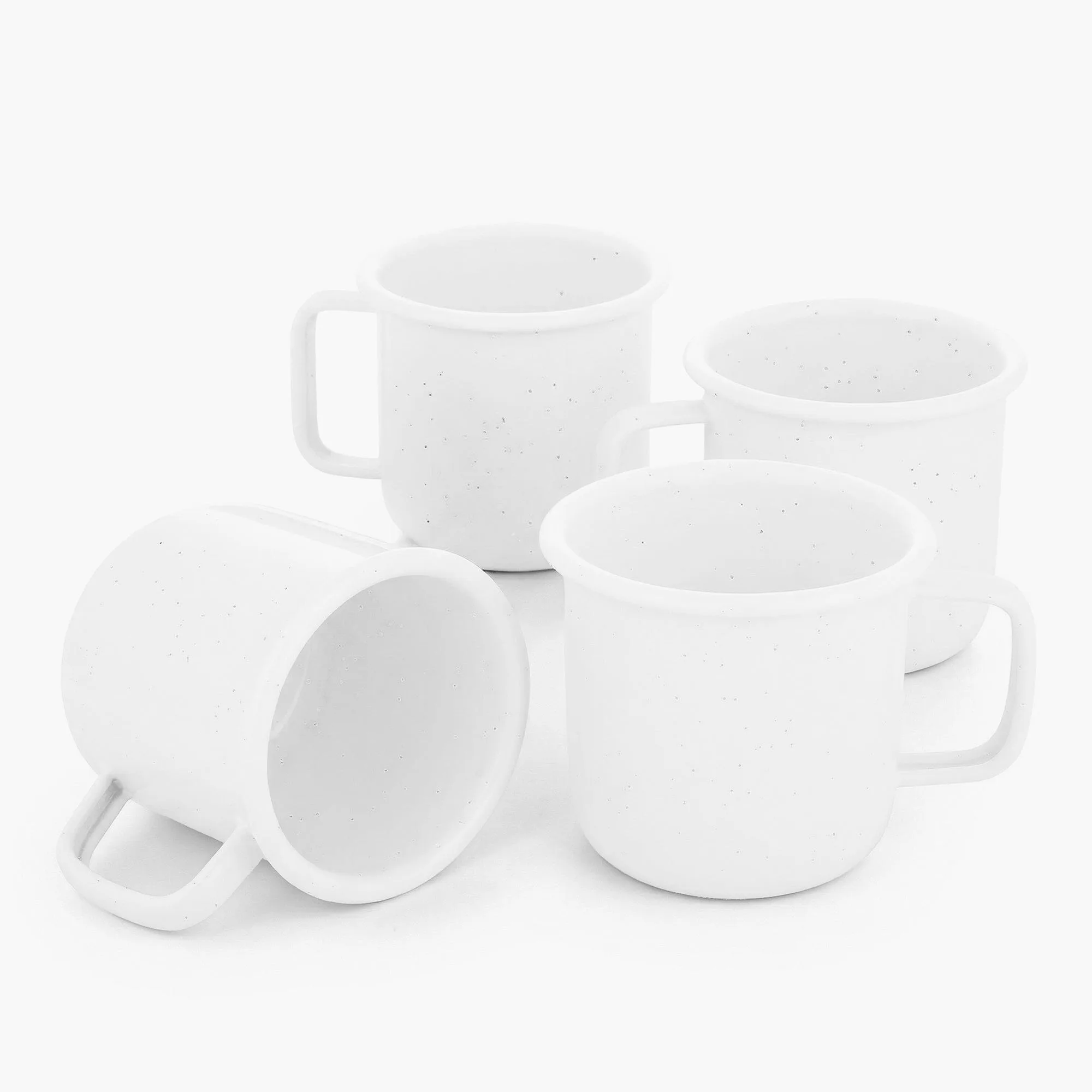
Rolled Enamelware Mug Set
- Enamelware: lightweight, non-reactive, chips easily
- Stainless steel: heavy, durable, heat-conductive handles
Gardening Tools: Wooden Handles vs Fiberglass
Wooden handles on gardening tools like hoes and trowels offer a natural grip that absorbs shock and feels comfortable. Ash and hickory are common choices for their strength and flexibility. However, wood can crack, splinter, or rot if left in damp conditions. Fiberglass handles are synthetic and resistant to moisture, chemicals, and UV rays. They are nearly unbreakable under normal use, but they can transmit more vibration to your hands.
Barebones Japanese Weeding Hoe features a wooden handle that is both beautiful and functional. It provides excellent leverage for weeding and soil cultivation. The Spade Hand Trowel also uses a wooden handle, making it a durable choice for gardeners who prefer natural materials. For wet climates, fiberglass-handled tools might last longer, but wooden handles can be refinished and repaired, extending their lifespan.
- Wooden handles: comfortable, repairable, susceptible to rot
- Fiberglass handles: moisture-proof, strong, more vibration
Fire Pits and Grills: Steel vs Cast Iron
Steel is a synthetic material commonly used in fire pits and grills. It is strong, lightweight, and can be formed into intricate designs. However, it rusts if not properly coated or maintained. Cast iron is a natural material (iron alloy) that retains heat exceptionally well and is nearly indestructible. It is heavy and can crack if subjected to rapid temperature changes. For grilling, cast iron provides even heat distribution, while steel offers portability.
Barebones Cowboy Grill Ladle and Cowboy Grill Coal Shovel are made from steel, designed to withstand high heat and frequent use. They are lightweight and easy to handle. For those who want the best heat retention, cast iron cookware is superior, but steel tools are easier to carry and maintain. The choice depends on whether you prioritize portability or cooking performance.
- Steel: lightweight, rust-prone, versatile
- Cast iron: heavy, excellent heat retention, prone to cracking
Both natural and synthetic materials have their place in outdoor gear. Natural materials like cotton canvas, wood, and enamelware offer timeless appeal and repairability, while synthetics like nylon, fiberglass, and steel provide superior resistance to moisture and impact. For a balanced approach, consider mixing both in your kit. Explore the Rolled Enamelware Side Bowl Set for a durable, natural dining option that pairs well with synthetic carry bags.