Quick answer
Buy a CPL first if you shoot outdoors and want richer skies, cut glare, or see through glass and water. Add an ND filter when you need motion blur or wide apertures in bright light, and treat a UV filter as optional protection rather than a required upgrade. Whatever you choose, match the filter thread to your lens, or use a stepping ring to mount a larger filter on a smaller thread.
What each filter actually does
A UV filter blocks ultraviolet light, which matters less on digital sensors than it did on film, but it still adds a clear protective layer over the front element. Its main job today is protection, not image improvement, so buy one only if you want that shield and accept a small risk of extra flare.
A CPL, or circular polarizer, cuts polarized light. That deepens blue skies, reduces reflections on water and glass, and boosts color saturation. It costs you roughly one to two stops of light, and the effect is strongest when the sun is at about 90 degrees to your lens, so it is not a set-and-forget filter.
An ND, or neutral density, filter reduces the light reaching the sensor without changing color. A 3-stop ND helps you use a wide aperture in daylight for shallow depth of field; a 6-stop or 10-stop ND lets you blur moving water, clouds, or crowds with long exposures. Strong ND filters also make it harder to see and autofocus, so plan on manual focus and a tripod for the darkest ones.
Match the filter to the lens thread first
Every filter screws into the thread printed on your lens front, usually next to a diameter symbol. That number, such as 52mm or 58mm, is the only size that fits directly. If you own several lenses with different threads, you have two sensible paths: buy a filter for your most-used lens, or buy one larger filter and step it down to each lens with stepping rings.
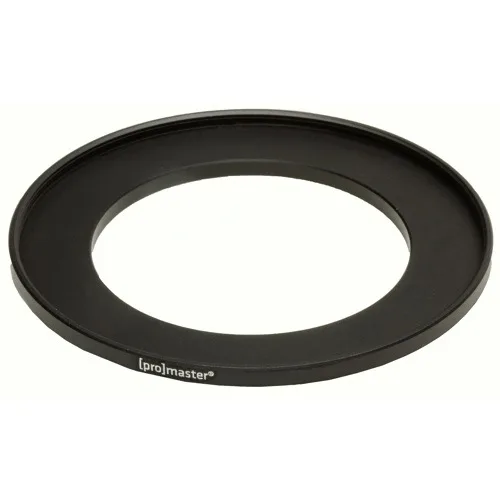
Stepping rings are simple metal adapters that convert one thread size to another. A 52mm-58mm ring lets you mount a 58mm filter on a 52mm lens thread, so you can share one expensive circular polarizer or ND across a small lens and a larger one. The trade-off is that the ring adds a little depth, and a filter much larger than the lens can make a lens hood awkward. Also check that the ring direction matches how you plan to use it: step-up rings go from a smaller lens thread to a larger filter thread.
Decide by what you shoot
If you shoot landscapes and city scenes in daylight, a CPL is the highest-value first filter because it changes the look of the image in ways editing struggles to copy. If you shoot video outdoors, an ND is often the first purchase because it lets you keep a cinematic shutter speed and shallow depth of field instead of stopping down. If you shoot in rough environments and want peace of mind, a UV filter is a cheap sacrificial layer, but skip it if you frequently shoot into the sun or value every bit of optical purity.
For portraits in bright light, a 3-stop ND is usually enough to open your aperture and blur the background. For long-exposure seascapes or daytime light trails, a 6-stop or 10-stop ND is the tool. A CPL can also help portraits by reducing skin shine and foliage glare, but it can make skin look slightly flat, so use it with intent.
Quality, coatings, and stacking
Filter quality shows up most in flare, contrast, and color cast. Multi-coated glass reduces reflections and is worth the extra cost, especially for wide-angle lenses and backlit scenes. Cheap uncoated filters can add a green or warm tint and soften fine detail, which defeats the purpose of a good lens.
Avoid stacking more than one filter when you can. A CPL on top of an ND adds two more glass surfaces and can cause vignetting on wide lenses. If you need both effects, consider a single variable ND with a polarizer, or accept the trade-off and test for vignetting before a paid shoot. Slim-mount filters help on wide-angle lenses, but some slim filters lack front threads, so you cannot add a lens cap or another filter.
Decision rules for buying your first filters
- Start with a CPL if you shoot outdoors in daylight: A circular polarizer gives you deeper skies, less glare, and better color in camera. It is the filter most likely to change your results on the first outing. Buy the largest size you will realistically use, then step it down to smaller lenses.
- Add an ND when you need slow shutter speeds or wide apertures in bright light: Choose 3-stop for portraits and moderate motion blur, 6-stop or 10-stop for long exposures. Expect to focus manually with the darkest filters. Match ND strength to your brightest shooting conditions, not your average ones.
- Treat UV as optional protection, not a required purchase: On digital cameras a UV filter mainly guards the front element. It can add flare in backlit scenes, so remove it when you shoot into the sun. Skip UV if you already use a lens hood and want maximum contrast.
- Check the thread size before you buy: The diameter printed on the lens front is the size you need. If two lenses differ, a stepping ring like a 52mm-58mm adapter lets one filter serve both. Write down every lens thread size you own before ordering.
Products that solve common filter-fit problems
- Promaster Stepping Ring - 52mm-58mm: The Promaster Stepping Ring, size 52mm to 58mm, is a precision-machined adapter that converts a 52mm thread to a 58mm thread for filters and other threaded accessories. If your lens has a 52mm thread and you want to use a 58mm filter you already own, this ring lets you mount it without buying a second filter in a different size.
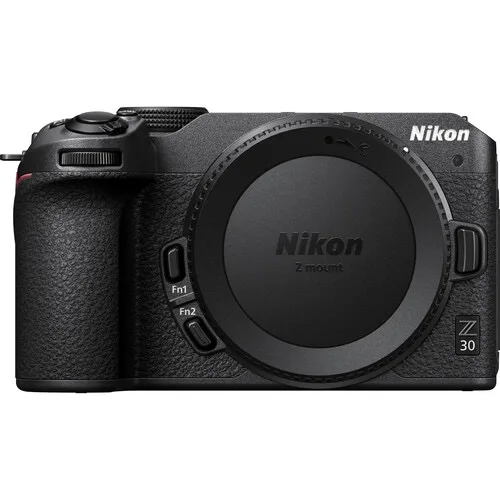
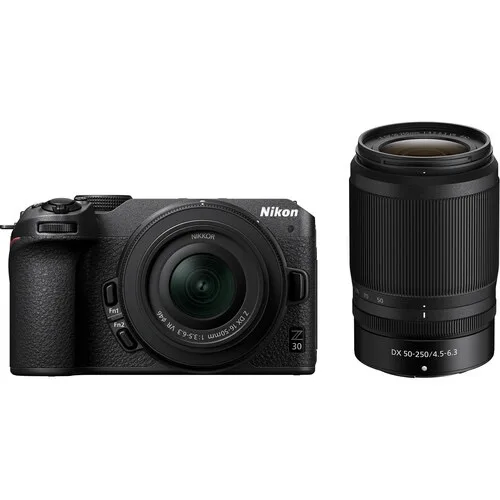
- Nikon Z30 Mirrorless Camera with 16-50mm and 50-250mm Lenses: The Nikon Z30 Mirrorless Camera with 16-50mm and 50-250mm Lenses supports Full HD 60p and 4K 30p video and is described as working well for live streaming. A two-lens kit like this often has two different filter thread sizes, so a stepping ring or two can let you share one polarizer or ND across both lenses instead of buying duplicates.
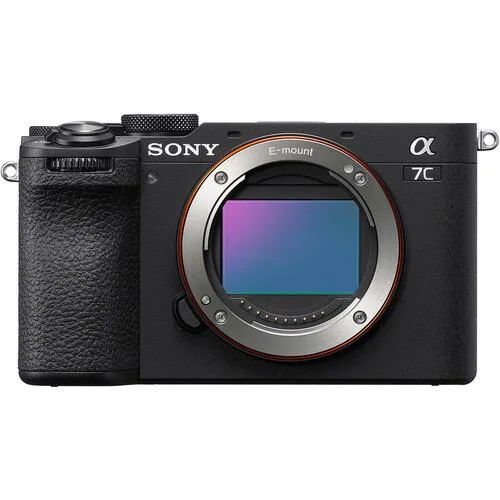
- Sony a7C II Mirrorless Camera (Black): The Sony a7C II Mirrorless Camera has a full-frame 33.0 effective megapixel CMOS sensor and high sensitivity from ISO 100. A full-frame sensor makes filter quality more visible, so multi-coated glass and correct thread size matter more than they do on a small-sensor camera.
Who should buy which filter
Best for
- Landscape and travel photographers who want richer skies and less glare, starting with a CPL
- Video shooters and long-exposure photographers who need an ND to control light
- Photographers with several lens thread sizes who want one filter and stepping rings instead of duplicates
Not for
- Shooters who never use filters and prefer to fix everything in editing
- Photographers who shoot almost entirely indoors or in low light, where an ND adds little
- Anyone unwilling to check thread sizes or use a stepping ring, since the wrong size will not mount