The filter size decision starts at your lens thread
An ND1000 10-stop filter only works if it threads onto your lens. The NiSi Nano IR ND1000 comes in both 39mm and 52mm sizes, and the right one is determined by the diameter printed on your lens barrel or front cap — not by the camera body or the type of photography you shoot.
If your lens thread is 39mm, choose the 39mm ND1000. If it is 52mm, choose the 52mm version. A step-up ring is the usual way to mount a larger filter on a smaller lens thread, but the supplied product information does not confirm which step-up combinations work with these filters, so check compatibility before buying.
NiSi 39mm Nano IR ND1000: key specs
-
NiSi 39mm Nano IR Neutral Density Filter ND1000 (3.0) 10 Stop: Neutral Density 3.0 (exposure adjustment = 10 stops, transmits 0.1% of light). This is the defining number: 10 stops of light reduction lets you use much longer shutter speeds than the bare lens allows.
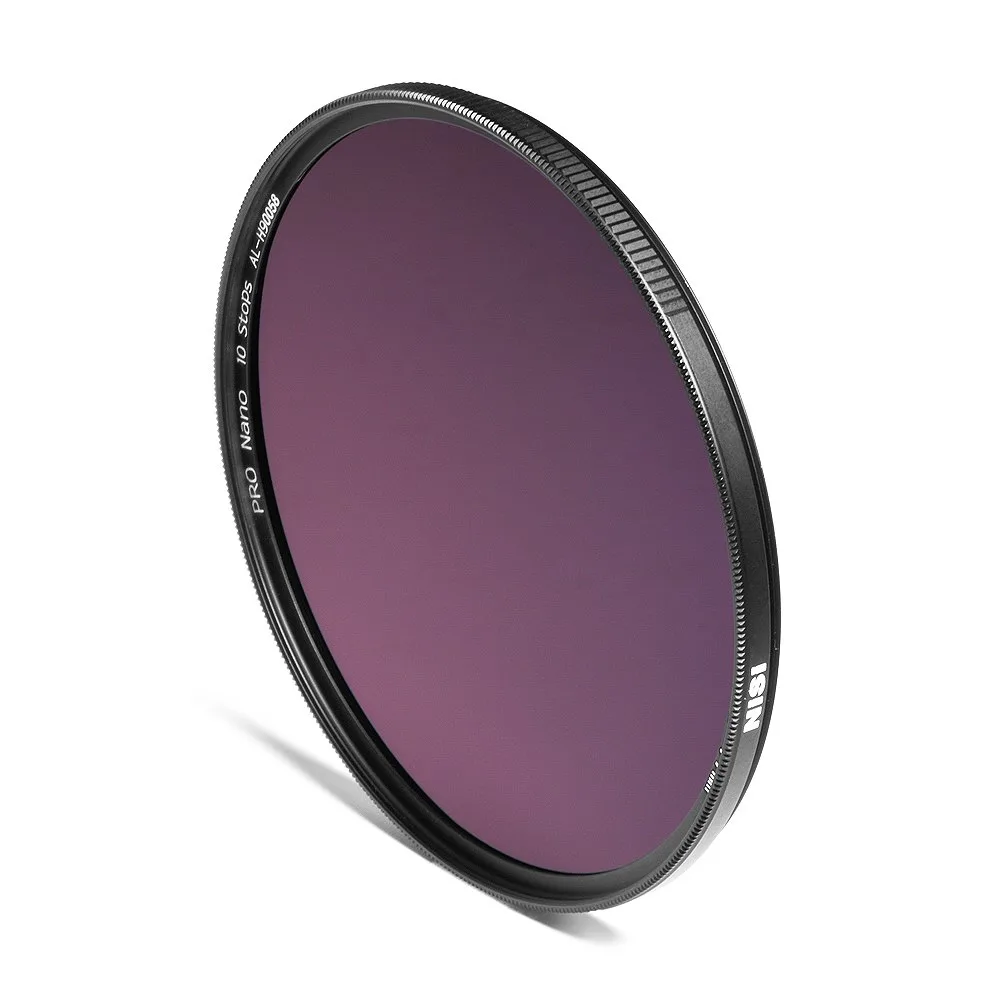
NiSi 39mm Nano IR Neutral Density Filter ND1000 (3.0) 10 Stop
-
NiSi 39mm Nano IR Neutral Density Filter ND1000 (3.0) 10 Stop: Ultra-thin frame with a matt black superfine frosted finish. A slim frame helps reduce the chance of vignetting on wide lenses, and the frosted finish cuts reflections at the filter edge.
-
NiSi 39mm Nano IR Neutral Density Filter ND1000 (3.0) 10 Stop: IR coating to reduce color cast, plus nano coating. Long exposures with strong ND filters can pick up infrared contamination that shows as a red cast; the IR coating is designed to counter that.
NiSi 52mm Nano IR ND1000: key specs
-
NiSi 52mm Nano IR Neutral Density Filter ND1000 (3.0) 10 Stop: 10-stop light reduction capability for precise exposure control. The same 10-stop density as the 39mm version, so the choice between them is about lens fit, not exposure strength.
NiSi 52mm Nano IR Neutral Density Filter ND1000 (3.0) 10 Stop
-
NiSi 52mm Nano IR Neutral Density Filter ND1000 (3.0) 10 Stop: Ultra-thin aluminum frame for durability and minimal vignetting. The aluminum frame is a handling difference worth knowing if you swap filters often in the field.
-
NiSi 52mm Nano IR Neutral Density Filter ND1000 (3.0) 10 Stop: Nano coating minimizes glare and unwanted reflections for maximum image clarity. Less glare means cleaner contrast when you shoot toward bright skies or water highlights.
39mm vs 52mm: what actually differs
Both filters reduce light by 10 stops and both include IR protection to reduce color cast. The meaningful differences are thread size, frame material, and price.
- Thread size: 39mm fits lenses with a 39mm front thread; 52mm fits lenses with a 52mm front thread. Neither size is universally compatible.
- Frame material: The 39mm uses an ultra-thin frame with a matt black frosted finish; the 52mm uses an ultra-thin aluminum frame.
- Catalog price: The 39mm is listed at USD 37.76 (comparison price USD 59.00); the 52mm is listed at USD 67.20 (comparison price USD 105.00).
- Exposure effect: Identical: both are ND1000 (3.0) 10-stop filters transmitting 0.1% of light.
How to set up a 10-stop long exposure
The steps below describe the general workflow for using a 10-stop ND filter. They are not manufacturer instructions for these specific filters — the supplied records do not include a preparation or operating procedure.
- Confirm your lens thread: Check the diameter marking on your lens barrel or front cap. Buy the matching 39mm or 52mm ND1000.
- Compose and focus before attaching the filter: With 10 stops of light reduction, the viewfinder becomes very dark. Frame and focus first, then thread the filter on.
- Switch to manual exposure: Set your desired aperture and ISO, then use a slow shutter speed. Because the filter transmits only 0.1% of light, expect shutter speeds many times longer than without it.
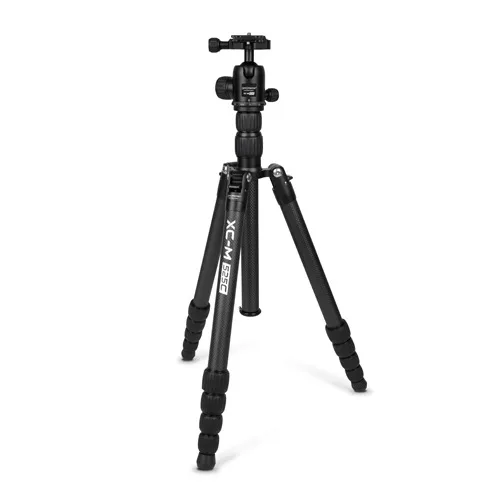
- Use a sturdy tripod and a remote release: Long exposures amplify camera shake. A tripod and a remote or timed release keep the camera still during the exposure.
- Check the histogram and adjust: Review the histogram after a test frame and adjust shutter speed or aperture. The exact exposure time depends on the scene brightness and your settings.
Practical 10-stop long exposure tips
- Cover the viewfinder: Light entering the viewfinder during a long exposure can cause stray light. Use the eyepiece cover if your camera has one.
- Watch for infrared color cast: The supplied records note that ND filters can let infrared light through, casting unwanted red color at small apertures. Both NiSi filters include an IR protection coating designed to reduce this.
- Avoid strong front light on the filter: The nano coating is designed to minimize glare and reflections, but keeping the filter surface clean and shaded helps maintain contrast.
- Test the filter on your widest lens first: Slim frames reduce vignetting risk, but stacking filters or using very wide lenses can still show dark corners. Check a test frame before a critical shoot.
What the supplied information does not confirm
The product records do not list recommended shutter speeds, exposure compensation tables, or step-up ring compatibility for either filter. They also do not confirm whether the 39mm and 52mm versions accept the same lens caps or filter holders. If you need those details, check with the retailer before ordering.
For most photographers, the decision comes down to one question: what thread size is on your lens? Once that is settled, the 10-stop density and IR coating are consistent across both sizes.