Quick answer
Buy 18 mesh when you want fine detail, smaller finished pieces, and smoother coverage on hand-painted designs; buy 13 mesh when you want faster stitching, thicker threads, and a chunkier look. Then match the canvas size to the design size: the design is the stitched area, the canvas is the full piece you hold, and the border around the design is your working room. If you are new, start with a small 18 mesh canvas and a simple design.
Most needlepoint buying mistakes happen before the first stitch. You fall for a design, order it, then discover the mesh is too fine for your eyes, the design is bigger than you expected, or the canvas does not come with thread. None of that is a flaw in the canvas — it is a mismatch between the canvas and the way you actually stitch.
This guide gives you concrete rules for choosing mesh count, reading canvas and design sizes, and deciding whether a hand-painted canvas fits your budget and patience. It uses real canvases from August Design Works as examples so you can see how the numbers translate into a finished piece.
Start with mesh count, not the picture
Mesh count is the number of threads per inch in the canvas. 18 mesh has 18 threads per inch, so it holds finer detail and is the standard for hand-painted designs with faces, lettering, and small shapes. 13 mesh has 13 threads per inch, so stitches are larger, thread covers faster, and the finished texture is more pronounced. If you wear readers or stitch in low light, 13 mesh is noticeably easier on the eyes.
The trade-off is detail. A design with fine facial features or thin lines will lose crispness on 13 mesh unless it was painted for that count. If you love a canvas exactly as painted, buy the mesh count it was designed for rather than forcing it onto a different count.
- Rule of thumb: more detail in the design means higher mesh count.
- If two canvases look identical but one is 13 mesh, the 13 mesh version will finish larger and faster.
Read canvas size and design size separately
Canvas size is the full measurement of the fabric you receive. Design size is the painted area you actually stitch. The difference is your border — room for framing, finishing, stretcher bars, and the occasional mis-stitch. A canvas listed at 7.5 x 7.5 with a 3.5 x 3.5 design gives you roughly two inches of border on each side, which is comfortable for most finishing methods.
A canvas listed at 10 x 10 with a 6 x 6 design gives you the same two-inch border but a much larger stitched area. That is not a small difference in time. Stitched area grows with the square of the design size, so a 6 x 6 design covers about three times the stitches of a 3.5 x 3.5 design on the same mesh count.
- Check that the border is at least 1.5 to 2 inches if you plan to frame or finish the piece.
- When comparing two canvases, compare design size, not canvas size — the border does not add stitching time.
Match the canvas to your realistic stitching pace
A small canvas on 18 mesh is the safest first purchase. Something in the 3 to 4 inch design range gives you a finished object in a reasonable number of evenings and teaches you tension, basketweave, and thread choice without a months-long commitment. Larger 18 mesh designs are wonderful, but they are projects, not impulse buys.
If you already know you stitch slowly or you want a gift finished by a specific date, choose 13 mesh or a smaller design. If you enjoy fine work and want a canvas that looks like a painting when finished, 18 mesh rewards that patience. Be honest about which stitcher you are, not which one you aspire to be.
- First project: 18 mesh, design under 4 inches.
- Gift with a deadline: 13 mesh or a small 18 mesh canvas.
- Long-term display piece: larger 18 mesh is worth the time.
Decide whether you want thread included
Many hand-painted canvases ship as canvas only, with no thread. That is normal in needlepoint, and it is not a hidden cost — it is a choice that lets you pick fibers and colors yourself. Wholesale listings sometimes exclude thread by design, and the listing will say so. Read that line before you assume a kit is complete.
If you want a self-contained project, look for a kit that includes everything except the stitching itself. If you want color control, buy canvas only and pull your own threads. Neither is better; they are different kinds of purchases.
- Canvas-only listings mean you supply thread, needle, and stretcher bars.
- Kits are faster to start but limit your color choices.
Check the mesh count against your thread stash
Thread weight and mesh count have to agree. 18 mesh generally wants thinner threads so stitches do not bulge; 13 mesh takes thicker threads that cover the larger holes. If you already own a thread stash, that stash quietly decides which canvases make sense for you. Buying a 13 mesh canvas when everything you own is fine pearl cotton leads to a frustrating first session.
The reverse is also true. If you have thick, chunky threads you love, 13 mesh will use them beautifully and finish faster. Buy the canvas that fits the threads you already reach for, unless you are deliberately starting a new thread collection.
- Pull one thread you plan to use and hold it against the canvas before committing.
- When in doubt, buy the mesh count your existing threads were bought for.
Buy for the finish, not just the stitch
Ask what happens when you are done. A canvas destined for a frame needs a border and a shape that suits framing. A canvas destined for a small finished object, like a paperweight or ornament, needs a design size that fits the hardware. Buying a canvas with no plan for finishing is how projects end up in a drawer.
If you like the idea of a complete object at the end, kits built around a specific finish remove that guesswork. If you prefer to stitch and decide later, favor canvases with generous borders and standard shapes that give you options.
- Choose the finishing method before you choose the canvas.
- Generous borders keep framing and small-goods finishing open.
Decision rules for choosing a canvas
- If the design has faces, lettering, or fine lines: Choose 18 mesh. Those details need the finer grid to stay readable. Do not downshift a detailed design to 13 mesh to save time.
- If you want a finished object this season: Choose 13 mesh, or an 18 mesh design under about 4 inches. Stitched area grows fast — a 6 inch design is roughly triple a 3.5 inch design.
- If your thread stash is already fine pearl cotton: Stay on 18 mesh so your existing threads work. Buying a new mesh count usually means buying new thread.
- If the listing says canvas only: Add thread, needles, and stretcher bars to your budget before checkout. Canvas-only is normal, not incomplete.
- If you already know how you will finish it: Buy the canvas that fits that finish, including the border and design size. Finish first, canvas second.
How real canvases compare
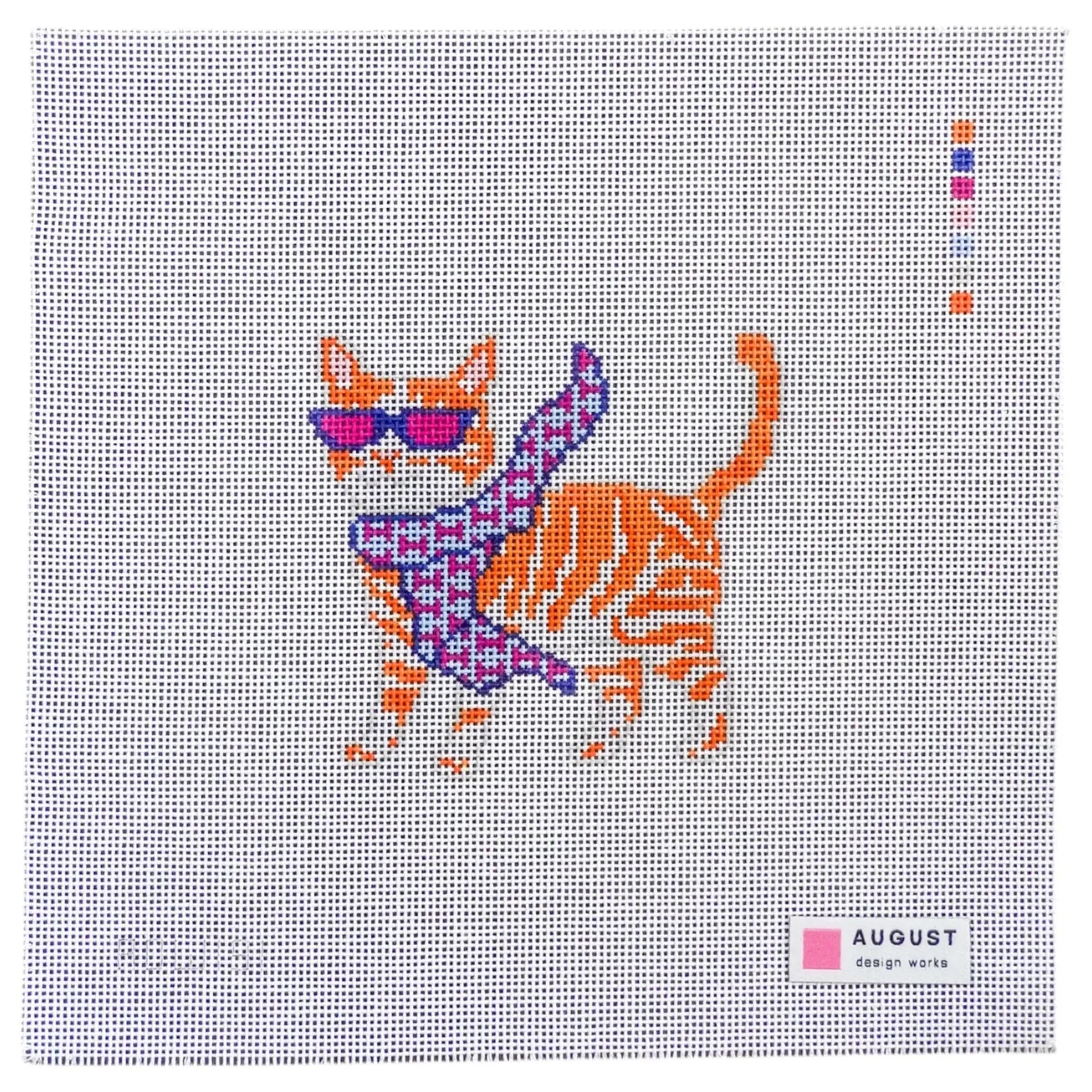
- Bougie Orange Tabby Cat - Needlepoint Canvas (Wholesale): 7.5 x 7.5 canvas size, 3.5 x 3.5 design size, 18 mesh, hand-painted, and canvases do not come with thread. A compact 18 mesh design with about two inches of border on each side. It is a realistic first or second project, but budget for thread separately.
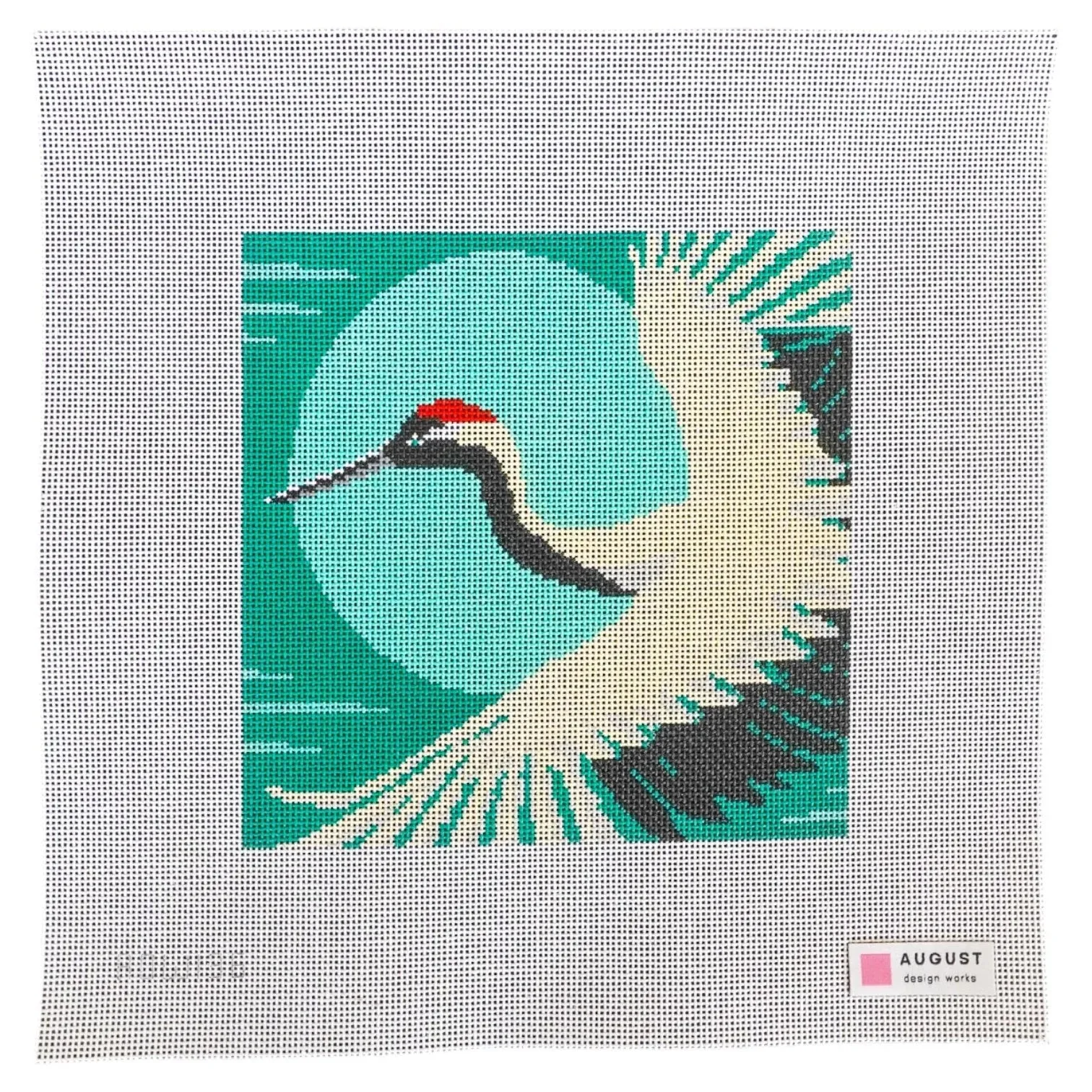
- Red-Crowned Crane - Needlepoint Canvas (Wholesale): 10 x 10 canvas size, 6 x 6 design size, 18 mesh, hand-painted, and canvases do not come with thread. Same border, much larger stitched area. On 18 mesh this is a substantial project — buy it because you want the time with it, not because you want it finished quickly.
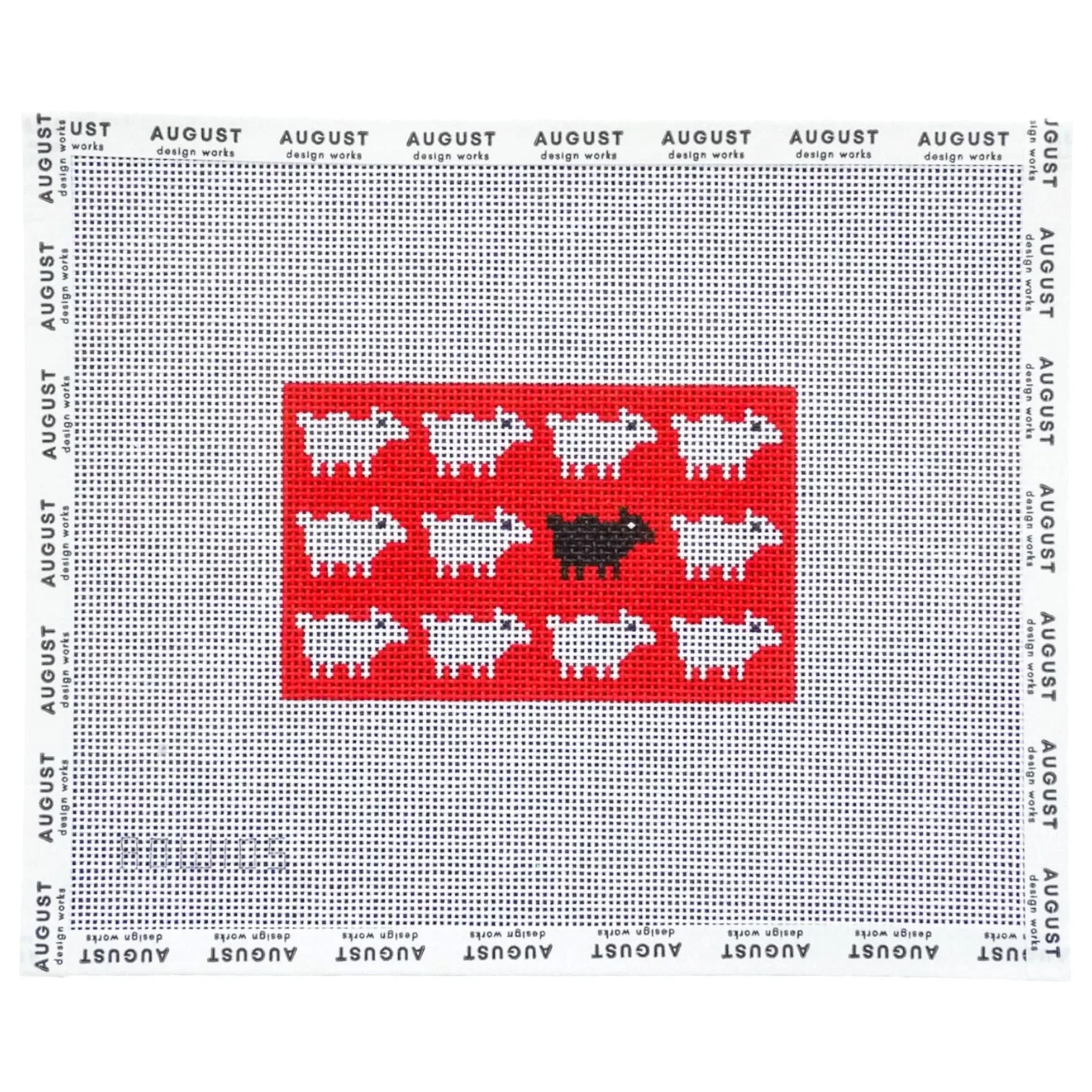
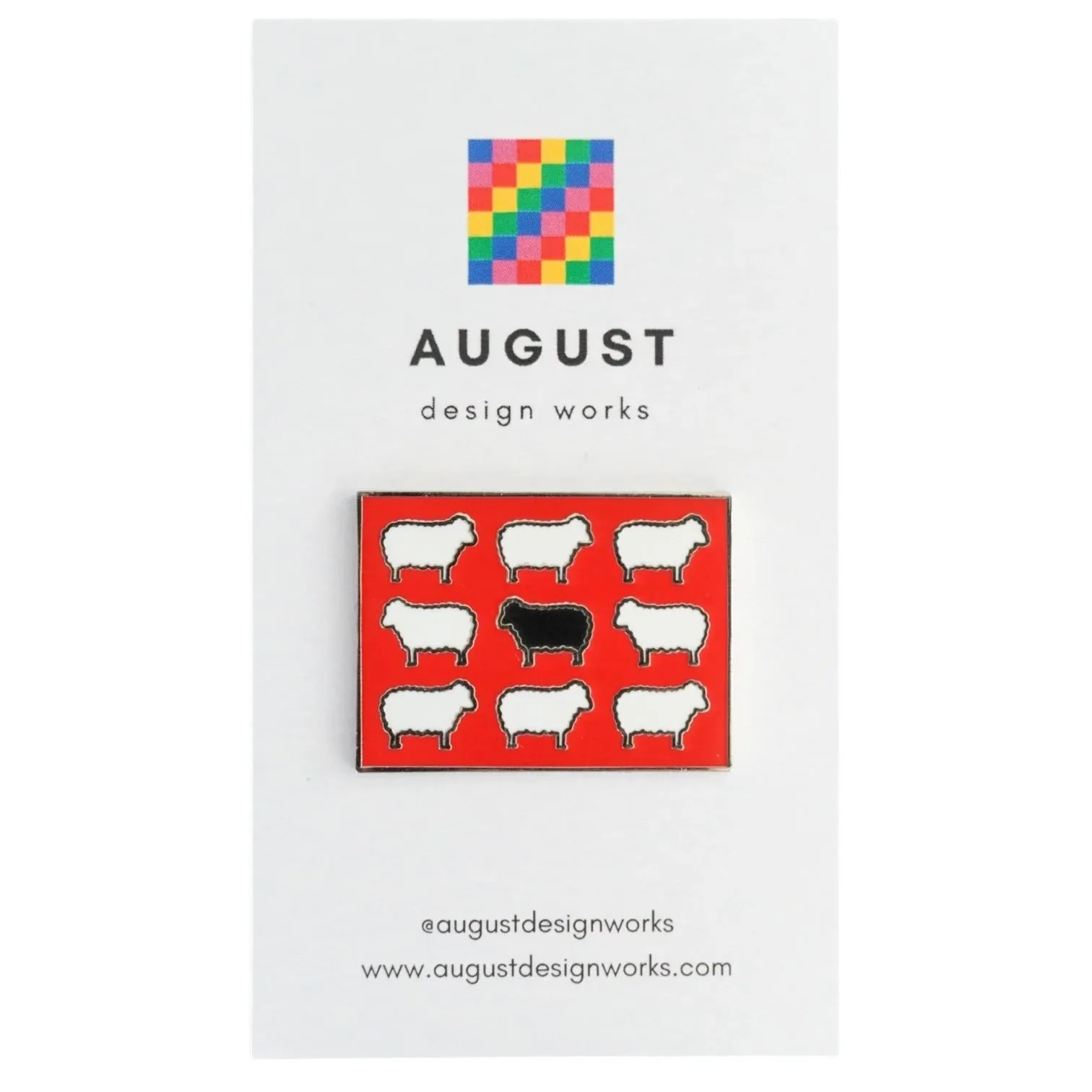
- Mini Diana Black Sheep - Needlepoint Canvas: 7.75 x 6.25 canvas size, 3.75 x 2.25 design size, 18 mesh, hand-painted, inspired by the iconic Black Sheep sweater worn by Princess Diana. A small, wide design with a clear subject. Good for a stitcher who wants a recognizable finished piece without a large time commitment.
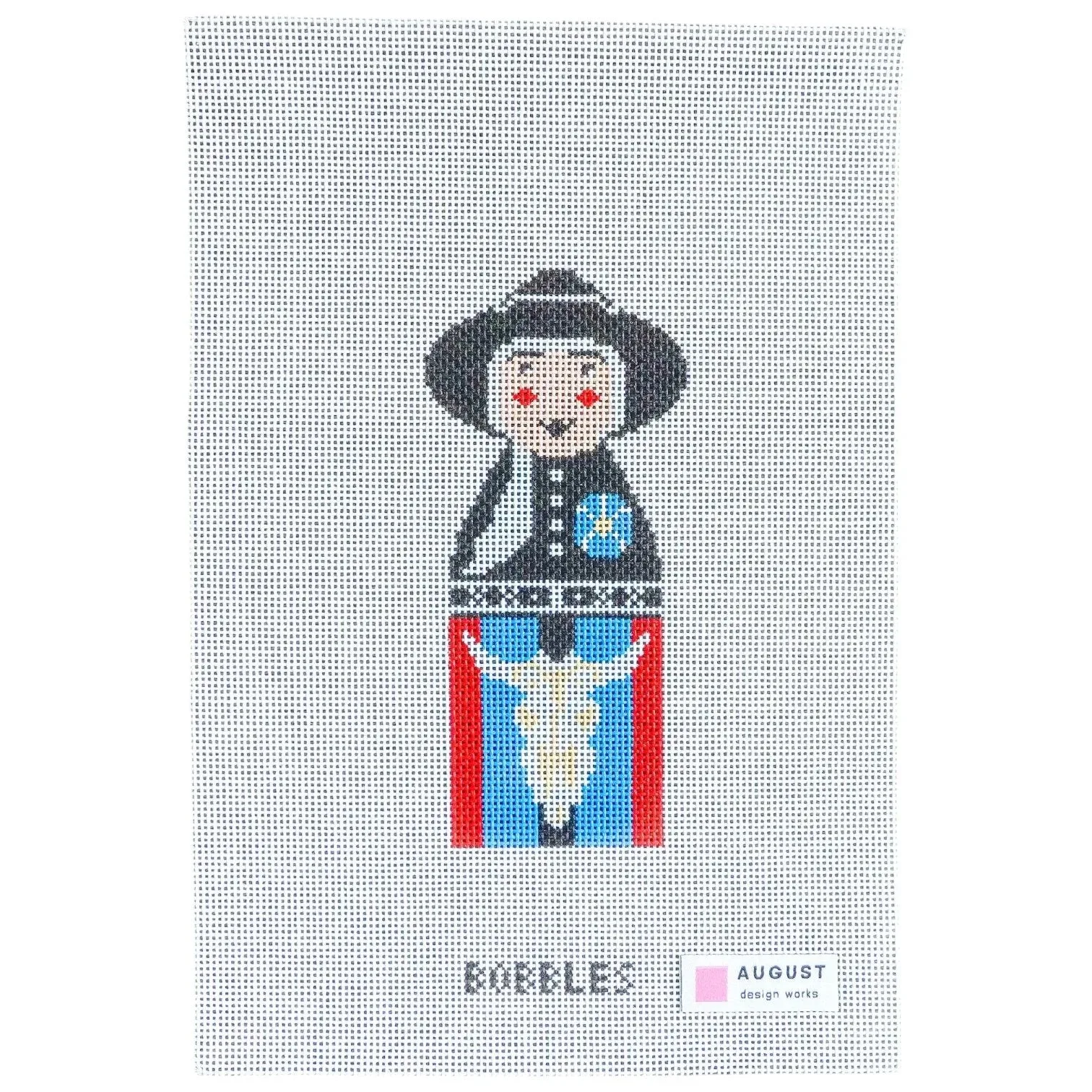
- O’Keeffe Bobble - Needlepoint Canvas (Wholesale): Part of the Bobbles series of hand-painted 18 mesh canvases designed to be stitched, displayed, and collected, inspired by Georgia O’Keeffe. If you collect finished smalls or display pieces, a series gives you a reason to buy more than one and a consistent look on the wall.
Who should buy what
Best for
- Beginners who want a small 18 mesh canvas with a clear subject and a generous border
- Stitchers who already own fine threads and want hand-painted detail
- Anyone who wants a self-contained project with the finishing method decided in advance
Not for
- Stitchers who want a large piece finished quickly — choose 13 mesh instead
- Buyers who expect thread to be included in a canvas-only or wholesale listing
- Anyone unsure about mesh count who has not checked their thread stash first
Pick the mesh count that matches your eyes and your threads, then pick the design size that matches the time you actually have. Buy the canvas whose finish you can already picture, and add thread to the budget before you check out. Do those three things and the canvas you order is the one you will finish.